
Tim Hortons remains one of the most recognizable restaurant brands in Canada, with thousands of locations and a menu that reaches far beyond coffee and doughnuts. But over the years, many customers have argued that the chain lost some of what made it feel dependable, simple and distinctly Canadian.
The coffee changed

For many longtime customers, the turning point starts with the cup itself. Tim Hortons changed its coffee supplier years ago, and while the company has continued to serve a custom blend, plenty of Canadians still insist the taste never fully recovered. The complaint is not just nostalgia. Coffee is the product people buy most often, so even a small shift in flavour gets noticed quickly.
That helps explain why this issue carries so much weight. A morning routine depends on consistency, and regulars expect the same taste every visit. When people say Tim Hortons went downhill, they often mean the core experience became less reliable than it once felt.
The menu became too crowded
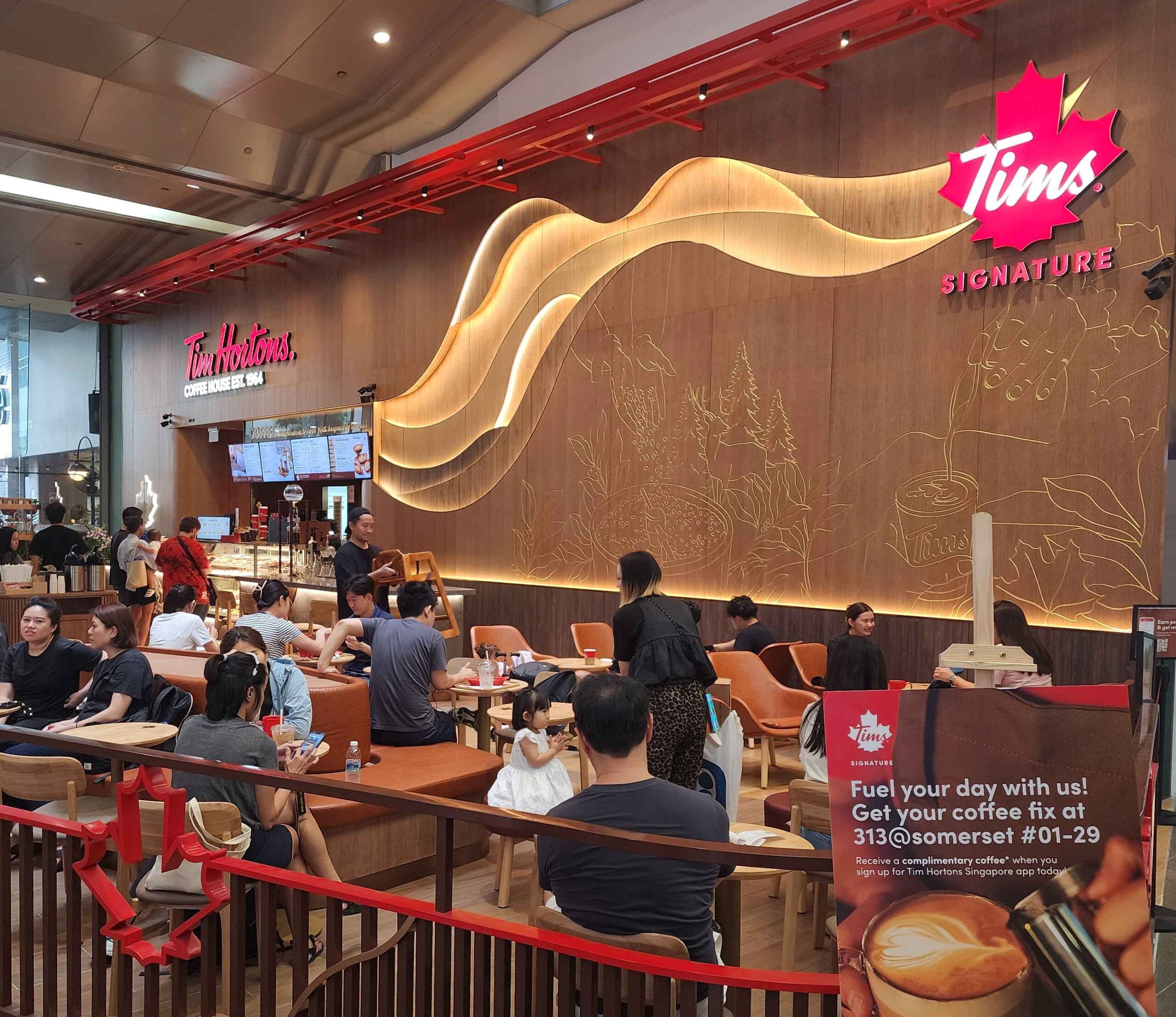
One of Tim Hortons' biggest strengths used to be focus. Coffee, doughnuts, Timbits and a short list of breakfast and lunch items made the chain easy to understand and quick to navigate. Over time, the menu expanded into wraps, bowls, loaded drinks, pizzas and frequent limited time offers, giving customers more choice but also more complexity.
That expansion changed the feel of the restaurant. A broader menu can slow service, add pressure in the kitchen and make it harder for any single item to stand out. Many critics argue the brand drifted away from the simple formula that made it successful in the first place.
Baked goods no longer feel the same
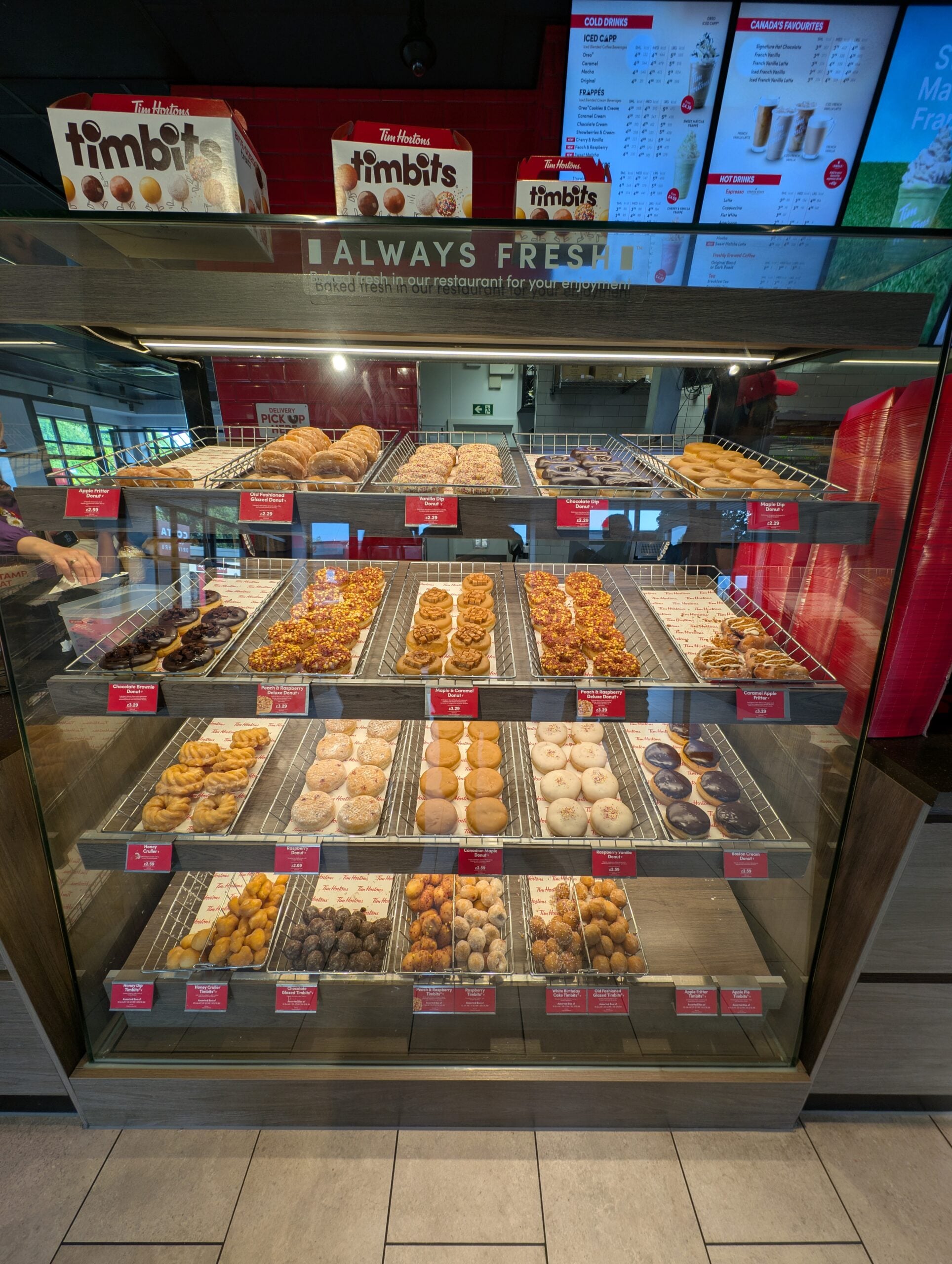
Another common complaint is about freshness. Years ago, many customers associated Tim Hortons with in store baking and the smell of doughnuts coming out warm. The company later shifted to a par bake system, with products prepared centrally and finished in stores. That model improved consistency across a large network, but some customers felt it took away part of the chain's original charm.
The reaction is as much emotional as it is practical. Doughnuts and pastries are tied to memory, comfort and routine. When the texture or freshness feels different, people notice right away, and they often describe the change as a loss of quality.
Service feels less consistent
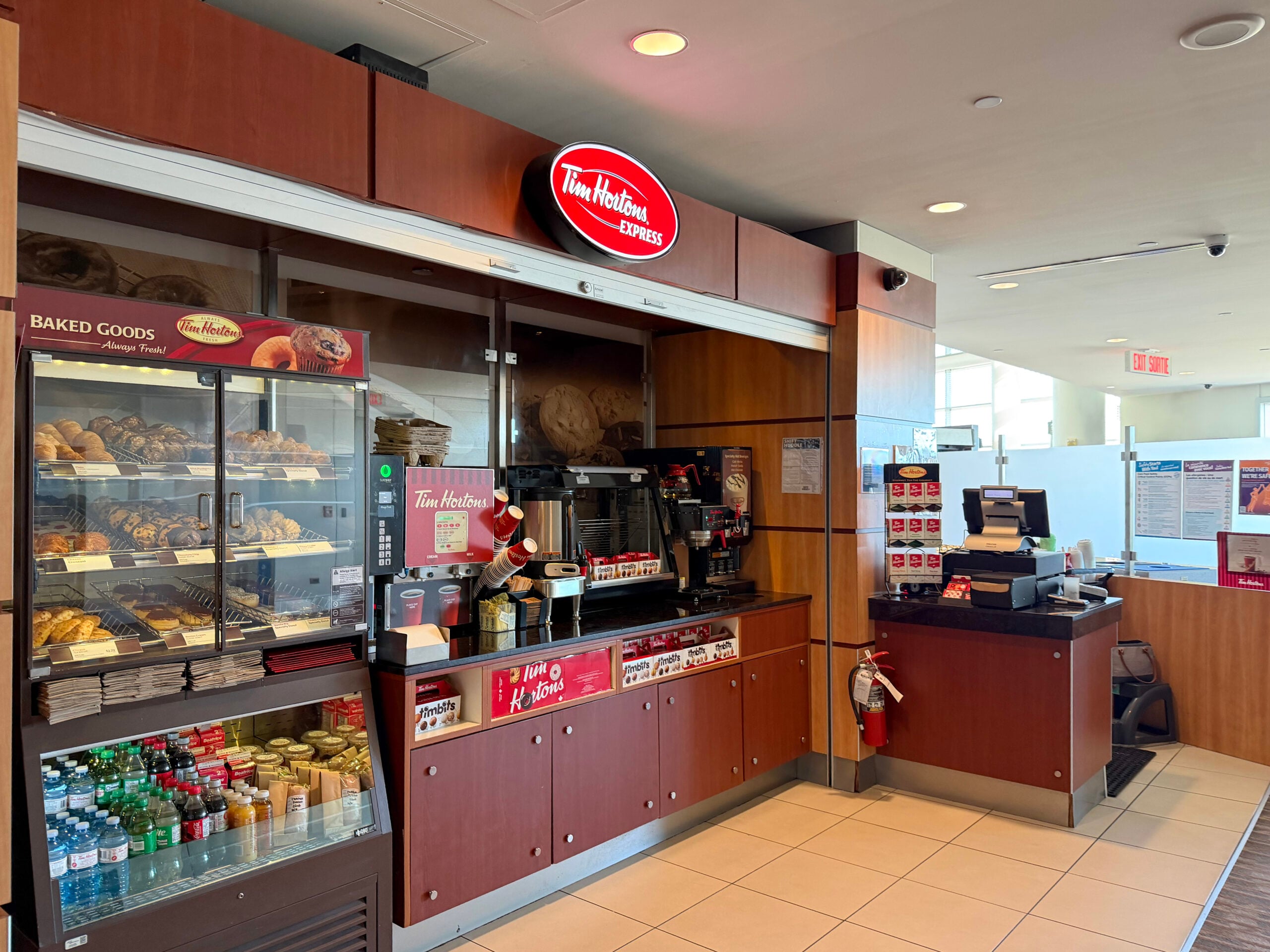
Tim Hortons still serves huge volumes of customers every day, especially through the drive thru, and that creates pressure on speed. When stores are busy, orders can feel rushed, and critics say that has led to more mistakes, uneven food preparation and a less personal experience. For a brand built on daily habit, those small frustrations can add up fast.
This is also where staffing and training come into the conversation. A large, fast moving chain depends on smooth operations at store level. When service varies too much from one location to another, customers often see it as evidence that the overall brand standard has slipped.
Prices rose as expectations fell

Price is the final piece of the puzzle for many Canadians. Tim Hortons built its reputation on being affordable, familiar and easy to fit into an everyday routine. As menu prices have risen, some customers say the value equation feels weaker, especially if they already believe the coffee, food or service is not as strong as it once was.
That does not mean the brand has lost its reach. Tim Hortons remains deeply embedded in Canadian daily life. But when people say it went downhill, they are usually describing a gap between what they pay now and the dependable experience they remember getting before.




Leave a Reply