
Canada's food map is full of local loyalties, old traditions and dishes people defend like family recipes. These six provincial favourites show how geography, migration and seasonal ingredients shape what lands on the plate.
Nova Scotia lobster roll
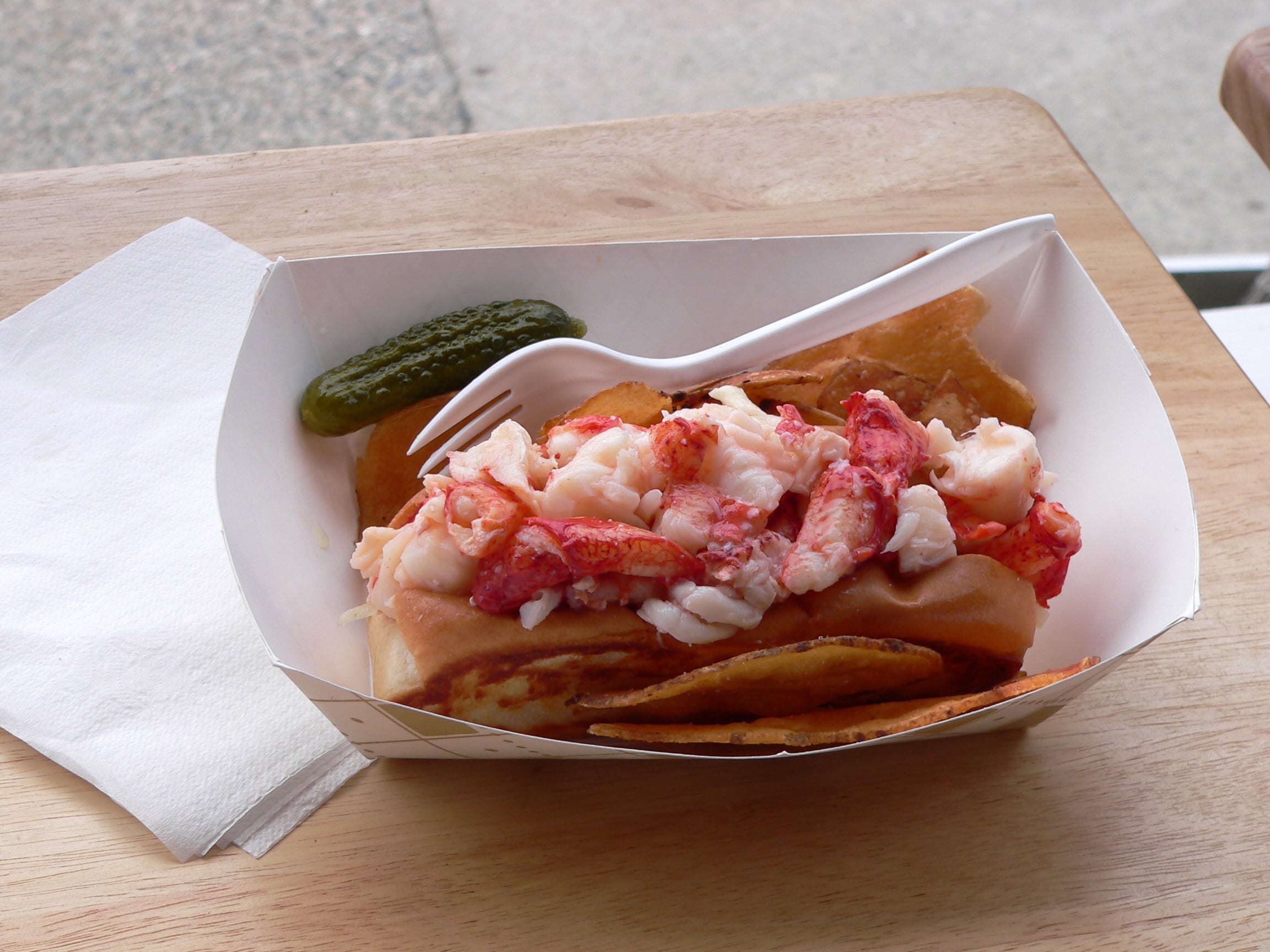
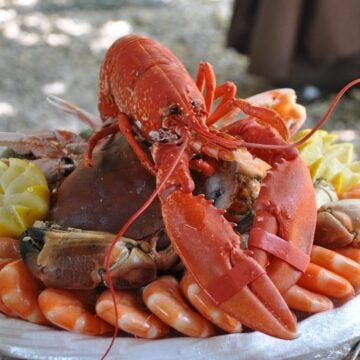
In Nova Scotia, lobster is not just a restaurant splurge. It is a working waterfront staple tied to one of the province's most important fisheries. A classic lobster roll keeps the focus on the meat, usually lightly dressed so the sweet flavour still leads.
The version most people picture is chilled lobster tucked into a split top bun. Some cooks add mayonnaise, lemon and celery, while others keep it simpler. The appeal is contrast, tender lobster, a soft toasted bun and just enough richness to hold everything together.
It also says something larger about Atlantic food culture. Proximity matters here. When the catch comes in close to home, the best recipes often do less, not more.
Quebec poutine

Poutine is one of Canada's best known dishes, but in Quebec it still feels local first. The standard formula is simple, fries, gravy and fresh cheese curds, yet every part matters. The curds should keep their shape and bite back a little instead of melting away.
Its exact origin is debated, with several Quebec communities linked to its early days in the 1950s. What is not debated is how far it has travelled since then. Today it appears everywhere from casse croûtes, the province's snack bars, to chef driven dining rooms.
For many fans, the best poutine still comes from a modest counter, not a polished plate. It is messy, hot and deeply satisfying, which is part of the point.
Ontario peameal bacon sandwich

Ontario's signature sandwich is closely tied to Toronto's St. Lawrence Market, where peameal bacon on a bun has become a familiar order. Peameal bacon is made from lean pork loin, cured and rolled in cornmeal. Despite the name, it is not the same as streaky bacon.
The older name comes from a time when ground yellow peas were used as a coating to help preserve the meat. Cornmeal later became common, but the name stayed. Sliced thick and served hot, it gives the sandwich a firm, juicy bite that stands apart from crisp breakfast bacon.
Its staying power comes from simplicity. A soft bun, warm pork and maybe a touch of mustard are usually enough. In a province shaped by immigration and constant reinvention, that straightforward style still has loyal fans.
Manitoba pickerel and chips
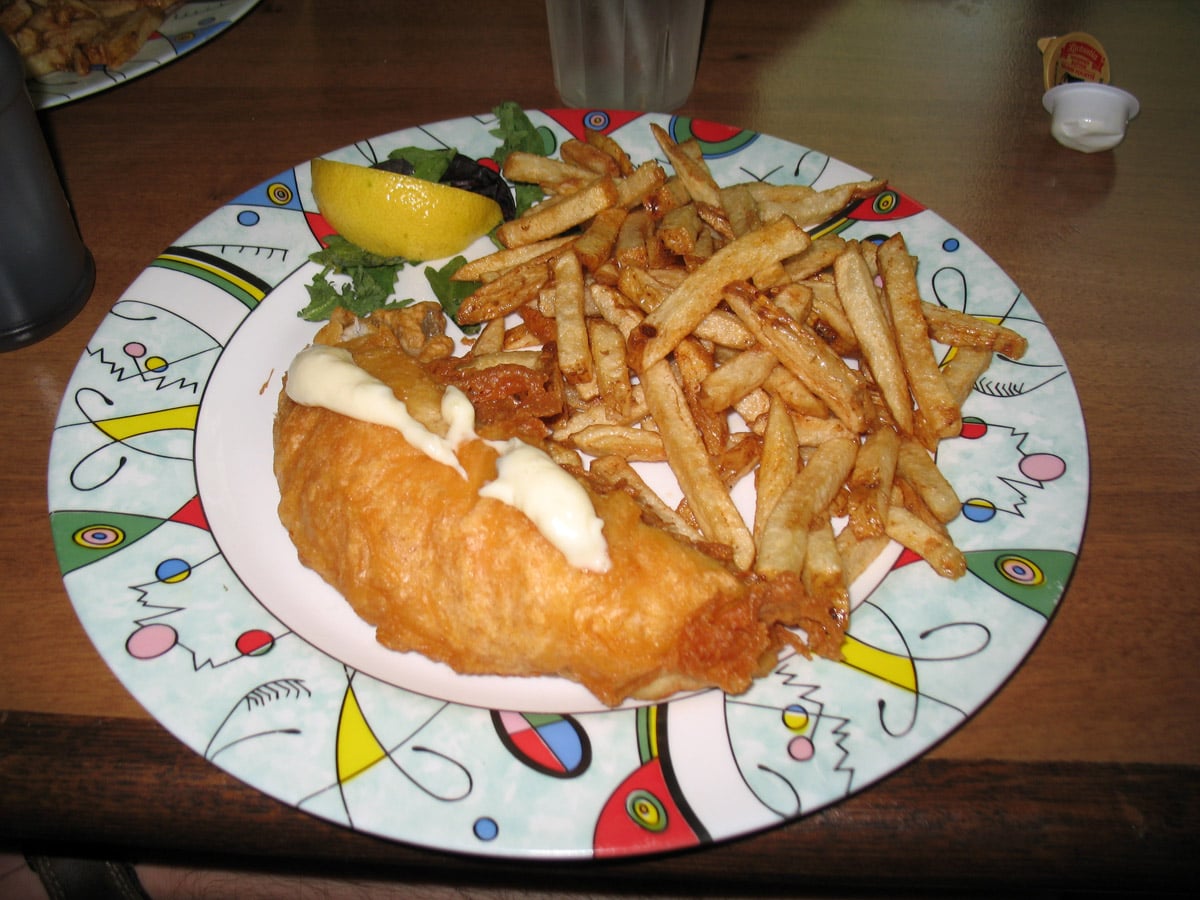
In Manitoba, freshwater fish often carries the strongest local identity. Pickerel, also known as walleye, is especially prized for its mild flavour and flaky texture. Served with chips, it turns a lake fish into a comfort food plate that feels both everyday and distinctly regional.
The dish reflects the province's geography. Manitoba has thousands of lakes, and commercial freshwater fishing has long been part of life in many communities. That access helps explain why pickerel appears in diners, family restaurants and shore lunches across the province.
A good plate does not need much decoration. Crisp batter, tender fish and lemon on the side are enough to show why so many Manitobans hold onto it as a favourite.
Saskatchewan pierogi
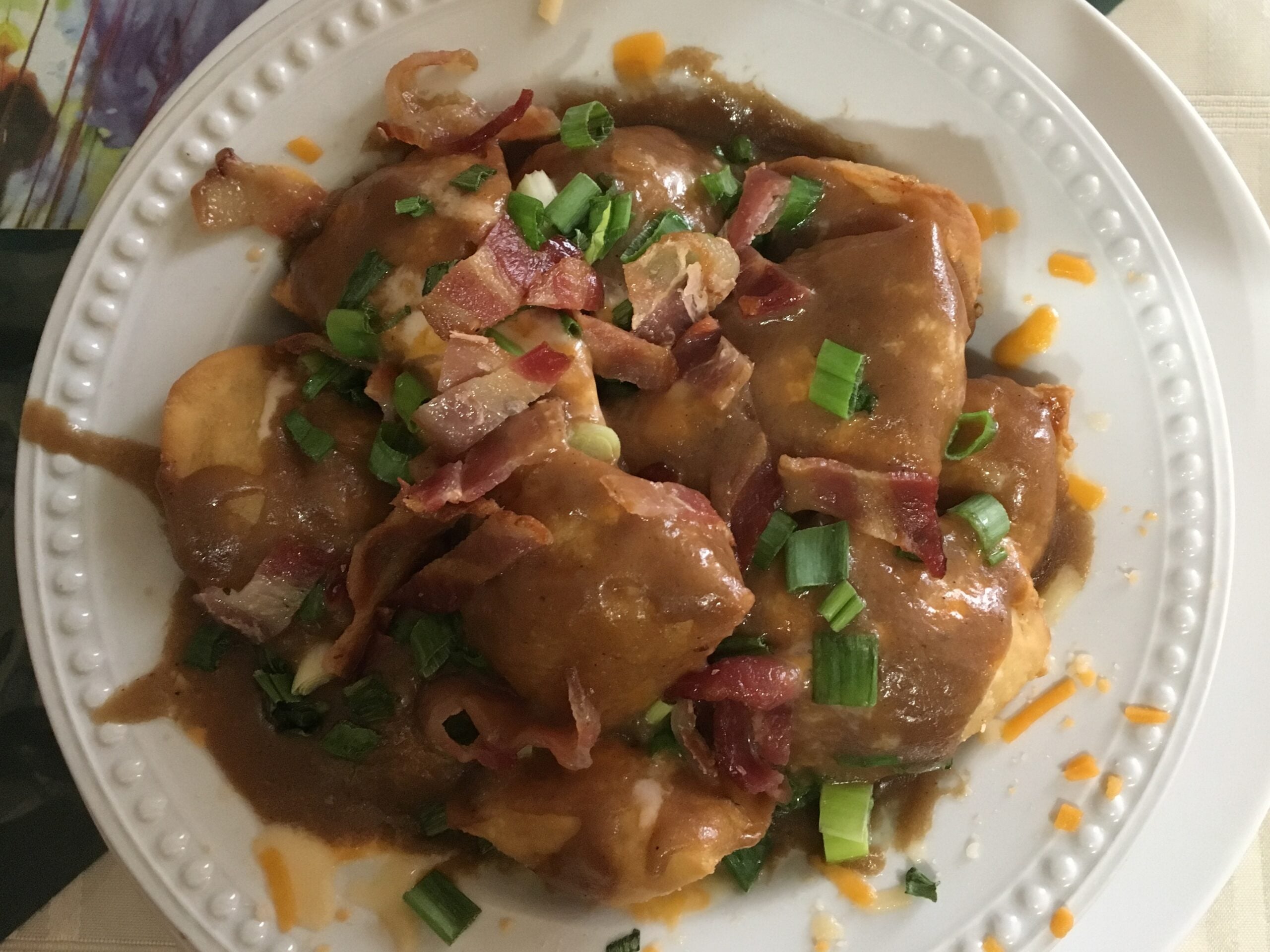
Saskatchewan's food story makes room for one of the prairie's most loved comforts, pierogi. Brought and sustained by Eastern European immigrant communities, these dumplings became part of everyday cooking in many towns and farm kitchens. Potato and cheddar fillings are especially common.
Pierogi are often boiled first, then finished in a pan with butter and onions. They may come with sour cream, sausage or cabbage, depending on the household. That flexibility helped them move from special occasion fare to regular weeknight food.
Their popularity says a lot about the province's settlement history. Recipes travelled with families, then settled in for good. What began as heritage cooking became a broader Saskatchewan favourite.
Prince Edward Island mussels
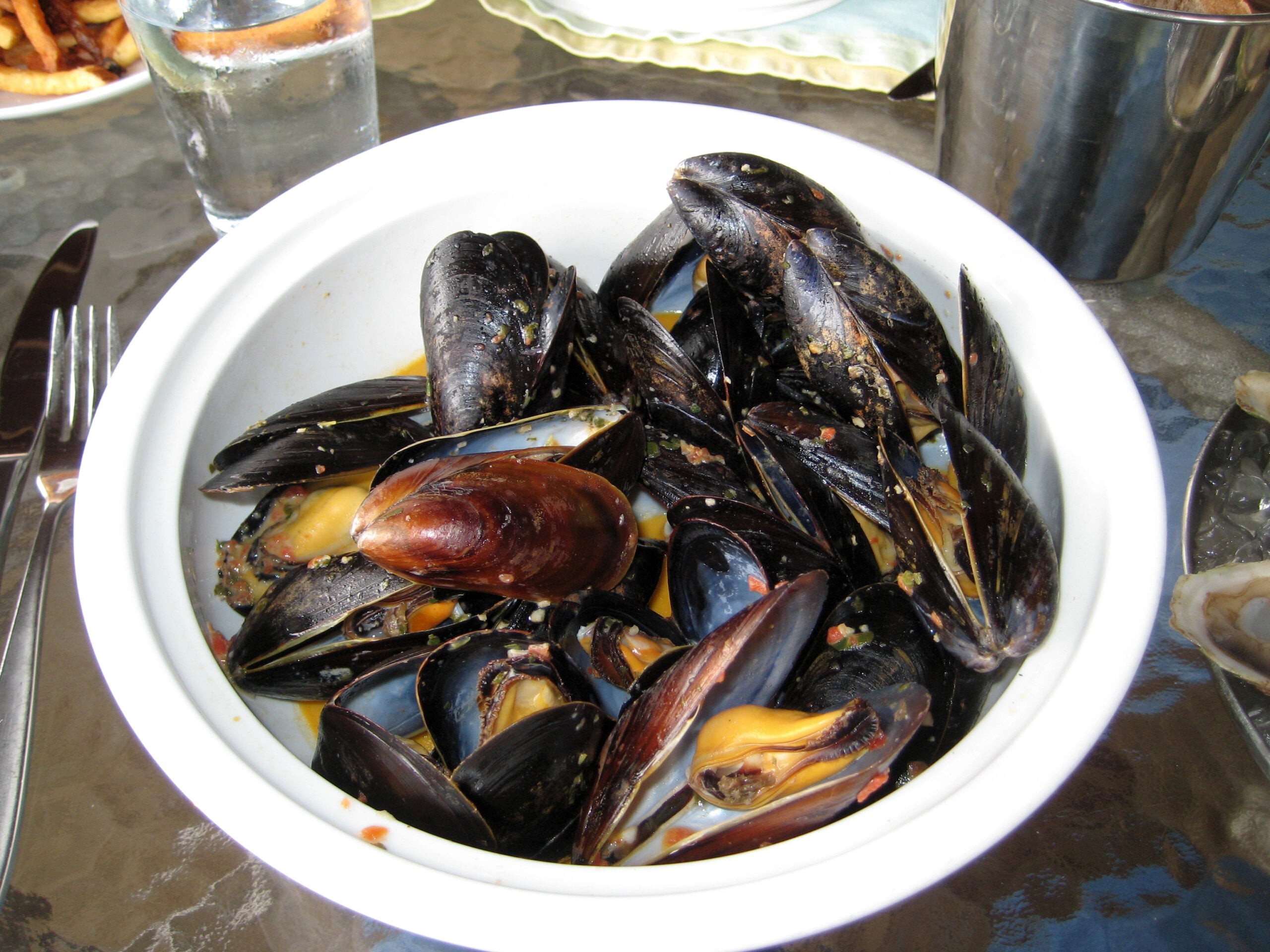
Prince Edward Island is widely associated with seafood, and mussels are one of its most recognizable plates. Farmed in the province's cold coastal waters, they are known for a clean briny flavour and a relatively small, tender texture that works well in simple preparations.
Many cooks steam them with garlic, white wine, butter or herbs, then serve them with bread or fries to catch the broth. Because mussels cook quickly, freshness stays front and centre. That immediacy is a big part of their charm.
As a closing dish for this gallery, PEI mussels sum up a larger Canadian pattern. The foods people love most often come straight from the land or water around them, prepared with enough care to let the place speak.



Leave a Reply