Not all cooking oils are just there to keep food from sticking. Some add grassiness, nuttiness, butteriness, or deep roasted flavor that can completely change a dish. This gallery looks at the oils that taste the best and explains where each one shines, so you can cook with more flavor and a little more confidence.
Extra-Virgin Olive Oil

Extra-virgin olive oil is the classic answer when people talk about flavorful oil. The best bottles taste grassy, peppery, fruity, and sometimes a little bitter in a way that feels lively rather than harsh. It is less neutral than many supermarket staples, which is exactly why cooks love it.
This is the oil that can finish a soup, dress a salad, or turn toast into something memorable. Drizzled over tomatoes, beans, grilled vegetables, or warm bread, it adds character fast. For pure taste, few oils are as expressive or as widely useful in everyday cooking.
Toasted Sesame Oil
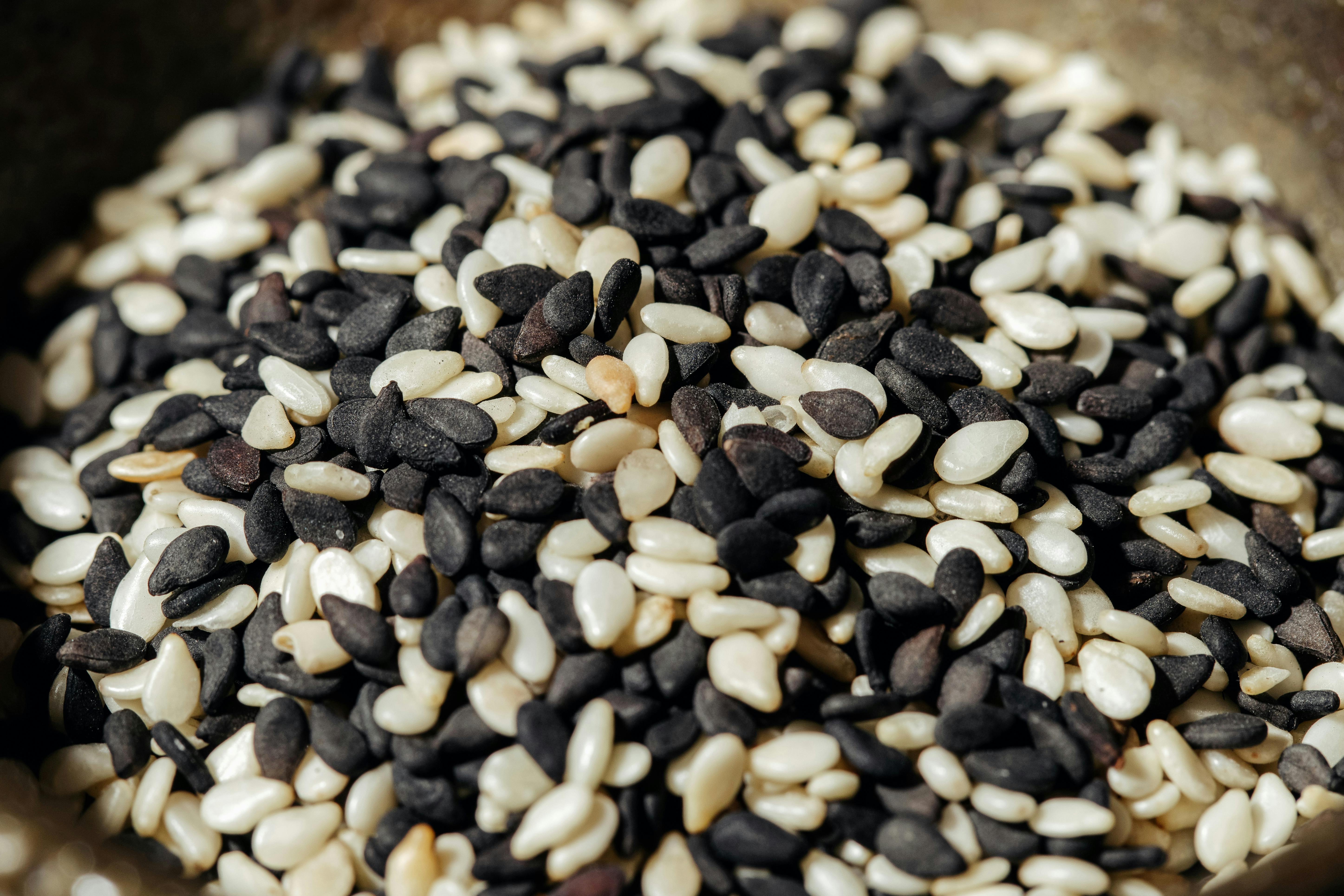
Toasted sesame oil has one of the boldest personalities in the pantry. Deeply nutty, aromatic, and slightly smoky, it can make a dish smell irresistible the moment it hits the bowl. A little goes a long way, which is part of its appeal.
This is usually a finishing oil rather than an all-purpose cooking fat. Stir a small spoonful into noodles, fried rice, dipping sauces, or sautéed greens, and the flavor instantly feels fuller and warmer. If you love dramatic, unmistakable taste, toasted sesame oil earns a spot near the very top.
Avocado Oil
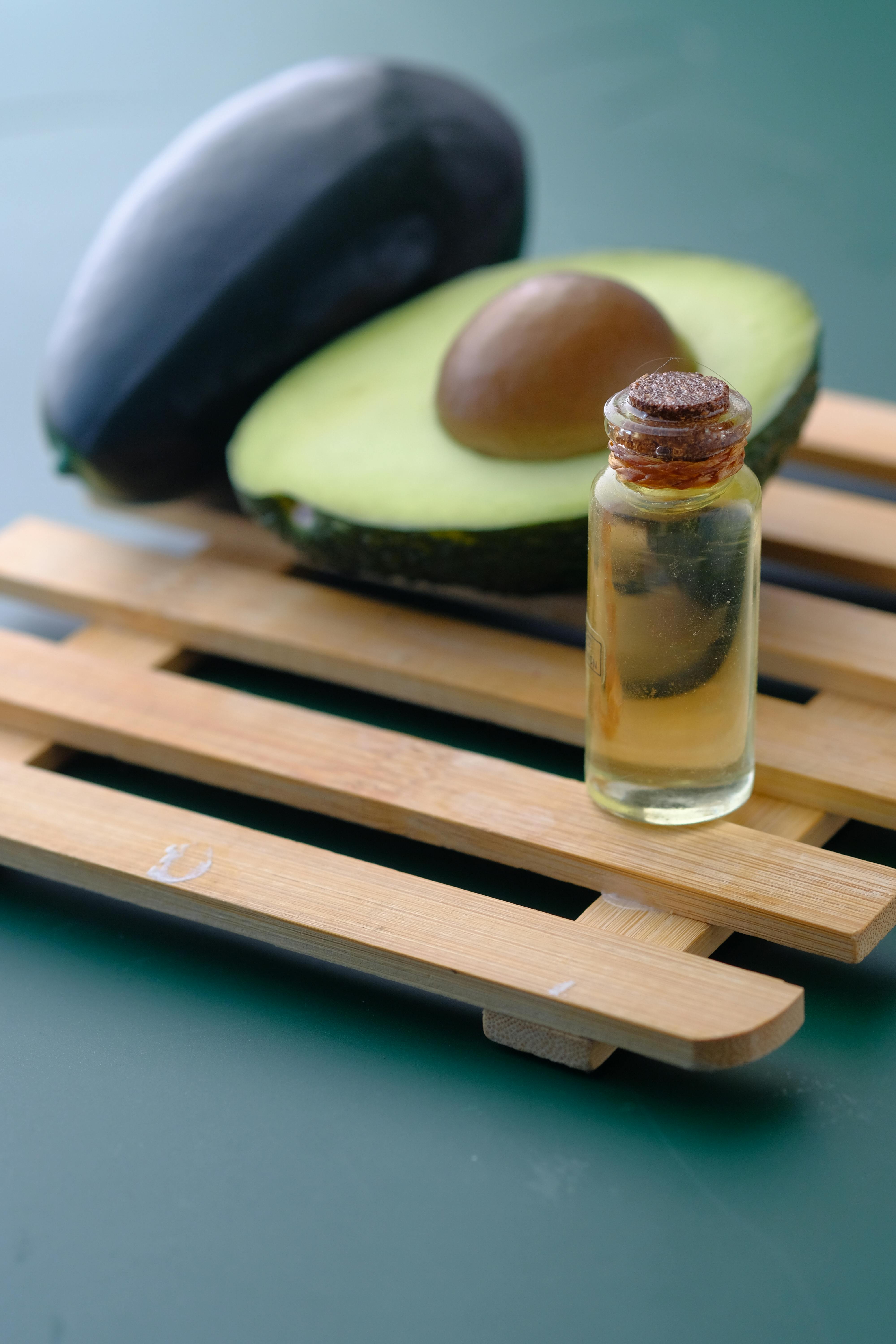
Avocado oil has a clean, buttery flavor that feels richer than neutral oils without overpowering the food. It is smooth, mellow, and slightly green, making it especially appealing to people who want flavor that supports a dish instead of dominating it.
Because it tastes gentle yet polished, avocado oil works across a surprising range of meals. It is excellent on roasted vegetables, grilled chicken, grain bowls, and homemade mayonnaise. If olive oil can sometimes feel too assertive, avocado oil offers a softer, silkier alternative that still brings real taste to the plate.
Walnut Oil

Walnut oil is prized for its elegant, nutty flavor. It tastes lightly sweet, toasty, and refined, the kind of oil that makes simple ingredients seem more expensive than they are. It is not the loudest oil on the shelf, but it has a sophisticated charm that stands out.
This is a favorite for salad dressings, soft cheeses, roasted beets, and pasta with herbs. It can also add depth to baked goods in subtle ways. When you want something more distinctive than a neutral oil but gentler than sesame, walnut oil hits a beautifully balanced note.
Butter-Flavored Ghee

Ghee is technically clarified butter, but in flavor conversations it deserves a place beside oils because it delivers a uniquely rich taste. It is nutty, golden, and deeply savory, with the kind of buttery depth that instantly makes food feel comforting and abundant.
Used for eggs, rice, flatbreads, vegetables, or pan-seared meats, ghee adds warmth that regular neutral oils simply cannot. It has a toasty quality that feels especially good in dishes where you want richness without heaviness. If your idea of the best flavor leans cozy and indulgent, ghee is hard to beat.
Peanut Oil

Peanut oil has a mild but noticeable nutty flavor that becomes especially appealing in hot cooking. It is beloved in many fried and stir-fried dishes because it adds just enough roasted character without distracting from spices, sauces, or crisp textures.
That balance is what makes it so satisfying. French fries, tempura, sautéed vegetables, and wok-cooked noodles all benefit from its faintly savory depth. It is not as aromatic as sesame oil or as fruity as olive oil, but for people who love a subtle roasted note, peanut oil is a very tasty choice.
Coconut Oil

Coconut oil is unmistakable. Depending on the type, it can taste sweet, creamy, and tropical, bringing a dessert-like aroma or a gentle island note to savory food. That distinct flavor makes it divisive, but for the right dishes it is absolutely delicious.
It works best when you want the coconut character to participate rather than disappear. Think curries, granola, baked goods, pancakes, and certain sautéed vegetables. In those settings, coconut oil can make a recipe taste rounder and more fragrant. If you enjoy bold flavor cues, this one has a clear and memorable identity.
Unrefined Peanut or Seed Oils
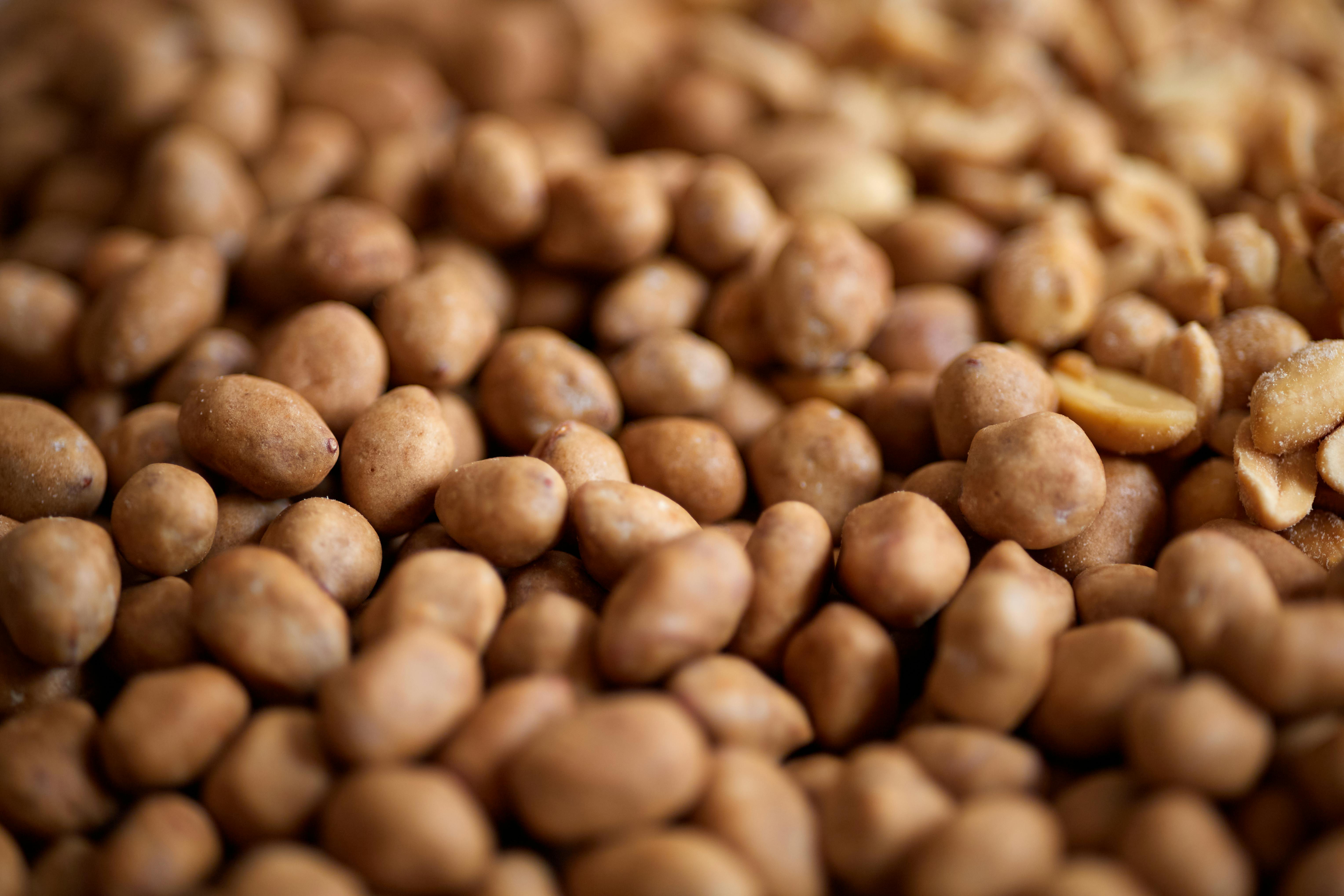
Unrefined oils often deliver more flavor than their refined versions, and that is part of their charm. Whether made from peanuts, sunflower seeds, or pumpkin seeds, they tend to carry the true taste of the ingredient in a fuller, more aromatic way.
These oils can be nutty, earthy, or even slightly sweet, and they are often best used as finishing touches. A drizzle over grains, soups, roasted squash, or bitter greens can add a layer that tastes intentional and chef-like. If flavor is your priority, unrefined options are usually where personality lives.
Chili Oil

Chili oil is as much about aroma as heat. Good versions carry layers of toasted spices, garlic, pepper flakes, and savory depth, all suspended in oil that becomes intensely flavorful. It is less a background ingredient and more a finishing move with serious style.
A spoonful can wake up dumplings, eggs, pizza, noodles, roasted vegetables, or even plain rice. The oil itself tastes infused and complex, not just spicy. For people who rank excitement high on the flavor scale, chili oil is one of the most rewarding additions to keep around.
Neutral Oils That Let Food Shine

The best-tasting oil is not always the strongest-tasting one. Neutral oils like canola, grapeseed, or light sunflower have very little flavor, and that can be exactly what a dish needs. They let herbs, spices, meat, and vegetables speak clearly without interference.
In delicate cakes, crisp fries, seared fish, and many sauces, a neutral oil keeps the spotlight on the food itself. That restraint can be a kind of flavor wisdom. While these oils are not usually chosen for personality, they earn respect for helping other ingredients taste exactly as they should.