
It is one of Canada's most recognizable drinks. Yet many people still get the story of the Caesar wrong.
The cocktail most people think they already know
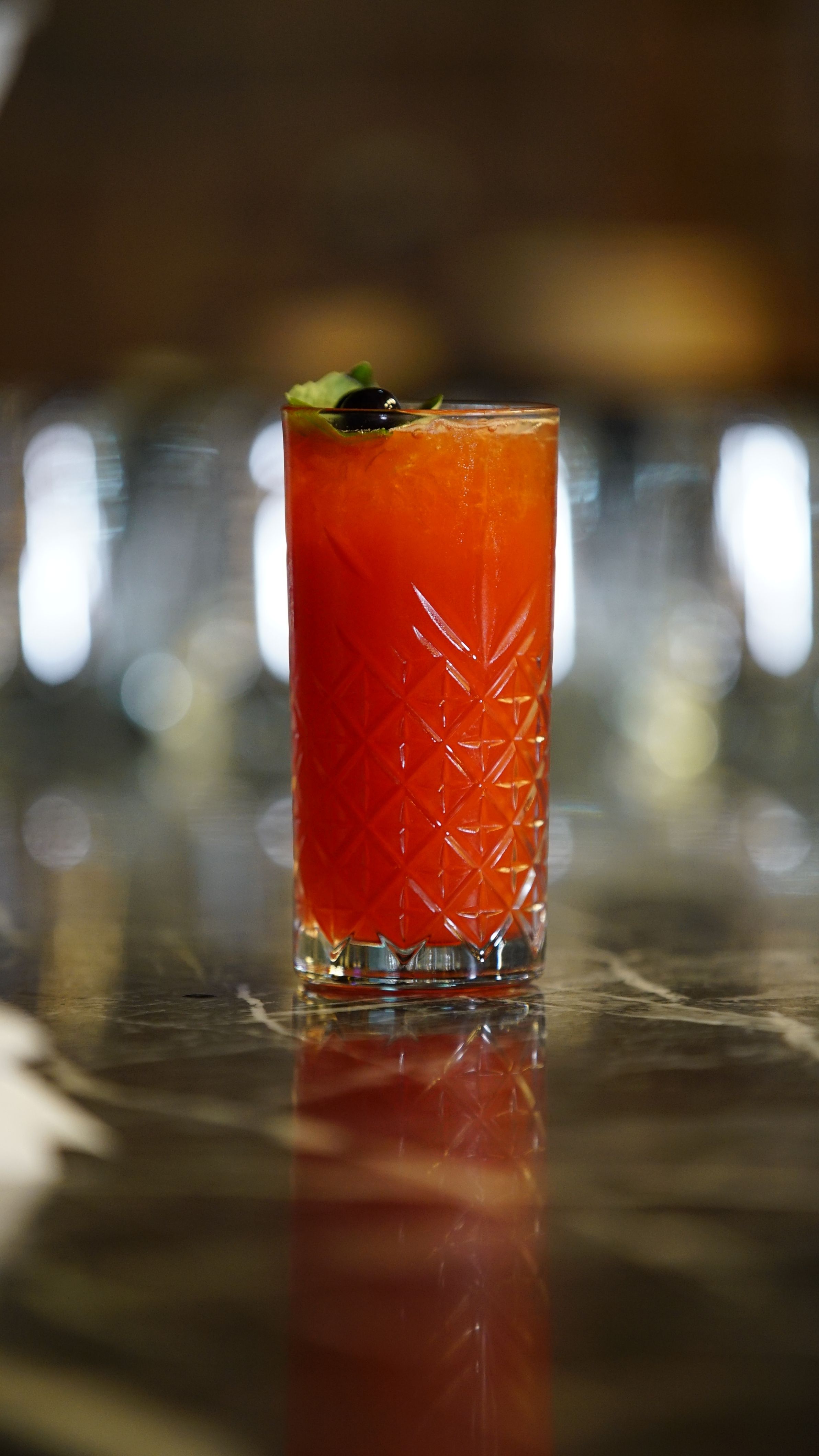
Ask Canadians about the Caesar and you will usually hear the same themes: brunch, spice, celery salt, and endless garnishes. It is treated like a cousin of the Bloody Mary, but that comparison only tells part of the story. The Caesar did not simply drift north as a tomato juice variation and settle into Canadian life.
What makes the drink distinct is its use of clam-infused tomato juice, a savory backbone that gives it more depth and salinity than a Bloody Mary. That single shift changed the entire character of the cocktail. Instead of bright acidity leading the way, the Caesar built its identity around umami, seasoning, and texture.
Today, estimates often cited by industry groups say Canadians consume hundreds of millions of Caesars annually. It appears on airport menus, game-day specials, hotel brunch cards, and high-end cocktail lists. For many drinkers, it feels timeless, as if it has always existed.
But the Caesar has a very specific birthplace, and it is not Toronto, Vancouver, or some anonymous hotel bar. Its roots trace back to a single opening, a single bartender, and a single burst of culinary inspiration that turned a regional idea into a national ritual.
The true birthplace is Calgary, not where many assume

The Caesar was created in Calgary in 1969, and that fact surprises people who associate Canadian food culture with central Canada. The bartender credited with inventing it was Walter Chell, who was working at the Calgary Inn, now known as The Westin Calgary. He developed the drink to mark the opening of a new Italian restaurant in the hotel.
Chell later explained that he wanted to capture the flavor of spaghetti alle vongole, the classic pasta dish made with tomatoes and clams. That was the key insight. He was not trying to make a stronger Bloody Mary. He was trying to translate a plate of food into a glass.
According to accounts repeated in Canadian food writing for decades, Chell spent time experimenting before arriving at the now-famous mix of vodka, clam and tomato juice, Worcestershire sauce, and seasoning, served in a celery-salted glass. That profile was unusual enough to stand out, but balanced enough to invite repeat orders.
Calgary matters here because the city in the late 1960s was growing fast, absorbing new influences, and building a hospitality identity of its own. The Caesar emerged from that setting, not from an old-world tradition, but from a modern western hotel bar looking for something fresh and memorable.
Walter Chell's idea worked because it solved a flavor problem
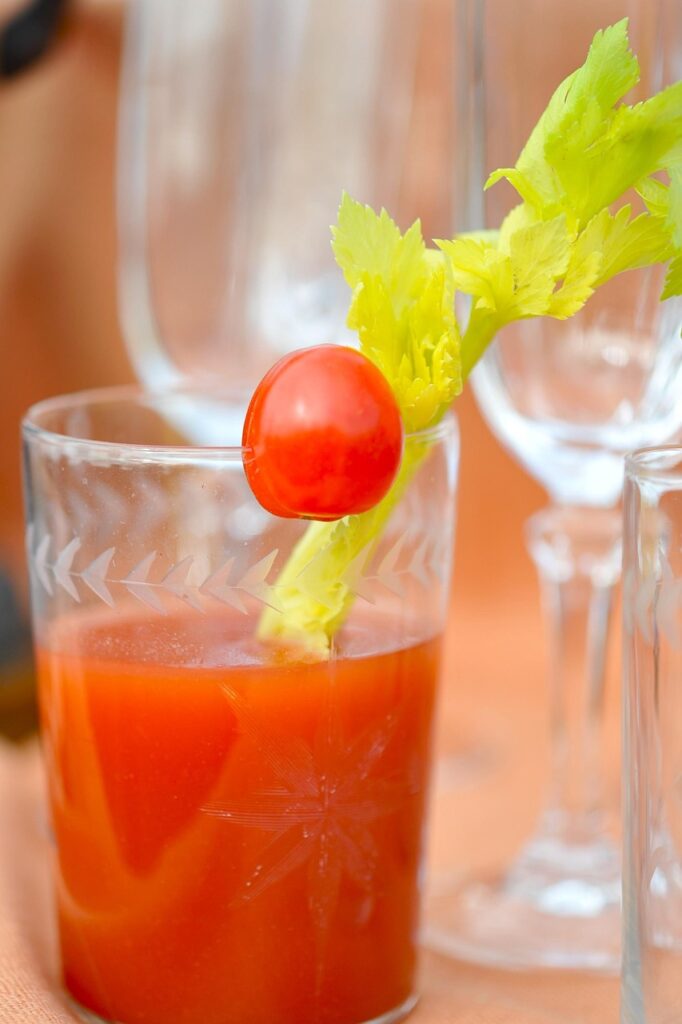
The brilliance of the Caesar is not just that it was invented. It is that it made sensory sense. Tomato juice alone can be flat if it is not sharpened properly. Chell's addition of clam broth created a savory lift that rounded out the drink and gave the vodka a stronger platform.
The seasoning mattered just as much. Worcestershire added fermented depth, hot sauce brought heat, lemon introduced brightness, and the celery salt rim gave every sip structure from the first contact. These details turned the drink into a layered experience rather than a simple mixed beverage.
Bartenders often point out that the Caesar succeeds because it behaves almost like a dish. It can be briny, spicy, smoky, vegetal, or peppery depending on the build. That flexibility explains why modern versions can carry everything from pickled beans to bacon to shrimp without losing their identity.
In practical terms, the drink also matched Canadian tastes. It worked at lunch, at brunch, before hockey, and after a long night. It felt hearty in cold weather and restorative the next day. A lot of cocktails become popular because of image. The Caesar became popular because it tasted complete.
How a local bar creation became a national symbol

A good drink can disappear as quickly as it appears, but the Caesar spread because it fit the restaurant industry perfectly. It was distinctive enough to market, easy enough to train staff on, and adaptable enough for casual and upscale venues alike. Once bartenders and guests saw its appeal, it moved quickly beyond Calgary.
The launch of Mott's Clamato helped standardize the drink and made broader adoption possible. A bartender no longer had to build a clam-tomato base from scratch in every setting. With a packaged mixer available, consistency improved, and the Caesar became easier to reproduce from city to city.
By the 1970s and 1980s, the drink had become firmly embedded in Canadian food and drink culture. It was not just sold as a cocktail. It was performed as a ritual, with the rim, the stir, the garnish, and the personalized heat level all becoming part of the experience.
Unlike many imported classics, the Caesar also benefited from national pride. Canadians could claim it as their own without qualification. That mattered. In a market crowded with American and European cocktail traditions, the Caesar offered something rare: an unmistakably Canadian original that ordinary people actually ordered.
Why people still confuse the Caesar with the Bloody Mary

The confusion is understandable because the two drinks share vodka, tomato notes, and a savory profile. But they are built on different foundations and produce different drinking experiences. A Bloody Mary is generally brighter and more tomato-forward, while a Caesar is more briny, rounded, and distinctly seasoned.
That flavor gap explains why many Canadians who dislike Bloody Marys still enjoy Caesars. The clam element softens the sharpness of plain tomato juice and gives the drink a fuller body. It tastes less like a cold soup experiment and more like a deliberately composed cocktail.
Regional storytelling also clouds the origin. Because the Caesar is now everywhere, people often attach it to the city where they first loved one, whether that was in Montreal at brunch, in Toronto at a sports bar, or in a cottage country marina. Personal memory can easily overtake historical fact.
There is also the broader issue of cocktail mythology. Popular drinks often collect competing stories, fuzzy dates, and exaggerated claims. The Caesar has largely escaped major dispute compared with other classics, but its sheer familiarity makes people assume it evolved gradually. In reality, its core origin remains unusually clear and well documented.
The real surprise is how modern the Caesar still feels

Some drinks are trapped in the era that created them. The Caesar is not one of them. More than 50 years after its debut, it still fits contemporary tastes for savory cocktails, culinary garnishes, customizable spice, and locally expressive menus. In many ways, the drink was ahead of its time.
Modern bars now build Caesars with horseradish, infused vodkas, house-made pickles, seafood towers, and even alcohol-free spirits. Yet the original structure remains strong enough to absorb all of that experimentation. That is usually the sign of a true classic: it can evolve without becoming unrecognizable.
Its staying power also says something about Canadian identity. The Caesar is practical, inventive, a little eccentric, and more sophisticated than outsiders expect. Born in Calgary from an Italian food idea and shaped by hotel-bar pragmatism, it reflects a country comfortable blending influences into something original.
So where does Canada's best Caesar cocktail actually come from? The answer is Calgary, in 1969, at the hands of Walter Chell. The surprise is not just the city. It is that one bartender's effort to echo a plate of pasta created a drink that still defines Canadian cocktail culture today.




Leave a Reply