
Potlucks look casual on the surface. In reality, they are tiny social studies in aluminum trays, serving spoons, and personality on display.
The Casserole Bringer: Reliable, Practical, and Quietly Competitive

A casserole is the classic potluck move, and that is precisely why it says so much. The person who arrives carrying a warm baking dish usually understands the assignment better than anyone else in the room. They know a potluck is not the place for fragile presentation or tiny portions. It is about feeding people well, transporting food safely, and making sure there is enough for seconds.
This choice often points to someone dependable and community-minded. Casserole people tend to value function, but that does not mean they lack pride. In fact, many are deeply invested in getting the top layer perfectly browned or the seasoning just right. According to food behavior researchers, dishes associated with comfort and familiarity are often chosen by people who want to reduce uncertainty in group settings and create a sense of ease.
There is also a quiet competitive streak here. The casserole maker may act modest, but they definitely notice whether their dish is scraped clean before dessert. They often have a signature version, perhaps a baked ziti, green bean casserole, or enchilada bake, refined over years of family gatherings. This is the person who believes consistency is its own kind of excellence.
The Salad Maker: Organized, Self-Aware, and Socially Attuned

Bringing a salad to a potluck can look simple, but it is rarely random. The best salad makers know they are filling an important gap on the table. When heavier foods dominate group meals, a crisp, colorful salad offers balance, texture, and relief. The person who brings it is often highly aware of the whole experience, not just their own contribution.
That suggests someone thoughtful and organized. They are likely paying attention to dietary needs, seasonality, and visual appeal all at once. A grain salad with herbs, roasted vegetables, and citrus dressing signals planning and confidence. A leafy salad packed separately from the dressing suggests someone who thinks ahead and does not want their effort ruined by sogginess on the drive over.
Salad people are also often misunderstood. They are not necessarily trying to be healthier than everyone else, though nutrition can matter to them. More often, they want the table to feel complete. Food trend analysts have noted that modern potluck culture increasingly rewards dishes that are flexible, vegetarian-friendly, and easy to serve, and salad fits that role extremely well.
The Dessert Person: Warm, Expressive, and Slightly Strategic
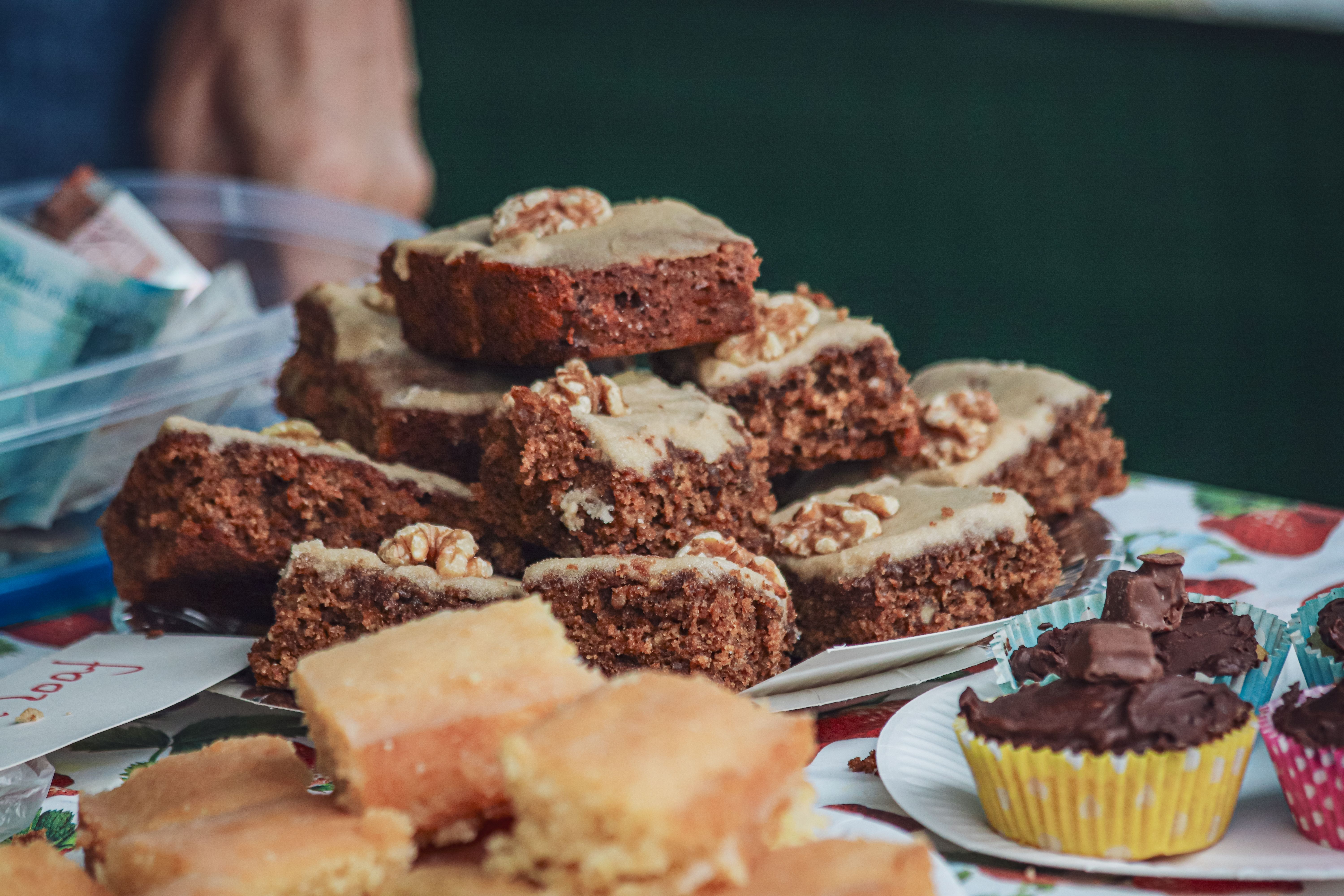
Dessert brings emotion to the table faster than almost any other dish. If your go-to potluck contribution is brownies, banana pudding, cookies, or a layer cake, you are probably someone who understands the social power of delight. You know that people may forget who brought the rolls, but they rarely forget the person behind an exceptional dessert.
This often reflects an expressive personality. Dessert people tend to enjoy generosity that feels visible and immediate. They like hearing, "Who made this?" and they are usually comfortable receiving praise. That is not vanity. It is often a sign that they see food as celebration, memory, and affection all at once.
There is strategy here too. Dessert is usually made ahead, travels well, and avoids last-minute reheating chaos. That makes it a smart choice for busy people who still want impact. Behavioral experts often note that sweet foods are linked in many cultures with reward, nostalgia, and bonding, which helps explain why dessert bringers are frequently remembered as warm and inviting, even when they are quietly calculating logistics behind the scenes.
The Store-Bought Specialist: Efficient, Honest, and Low on Pretense
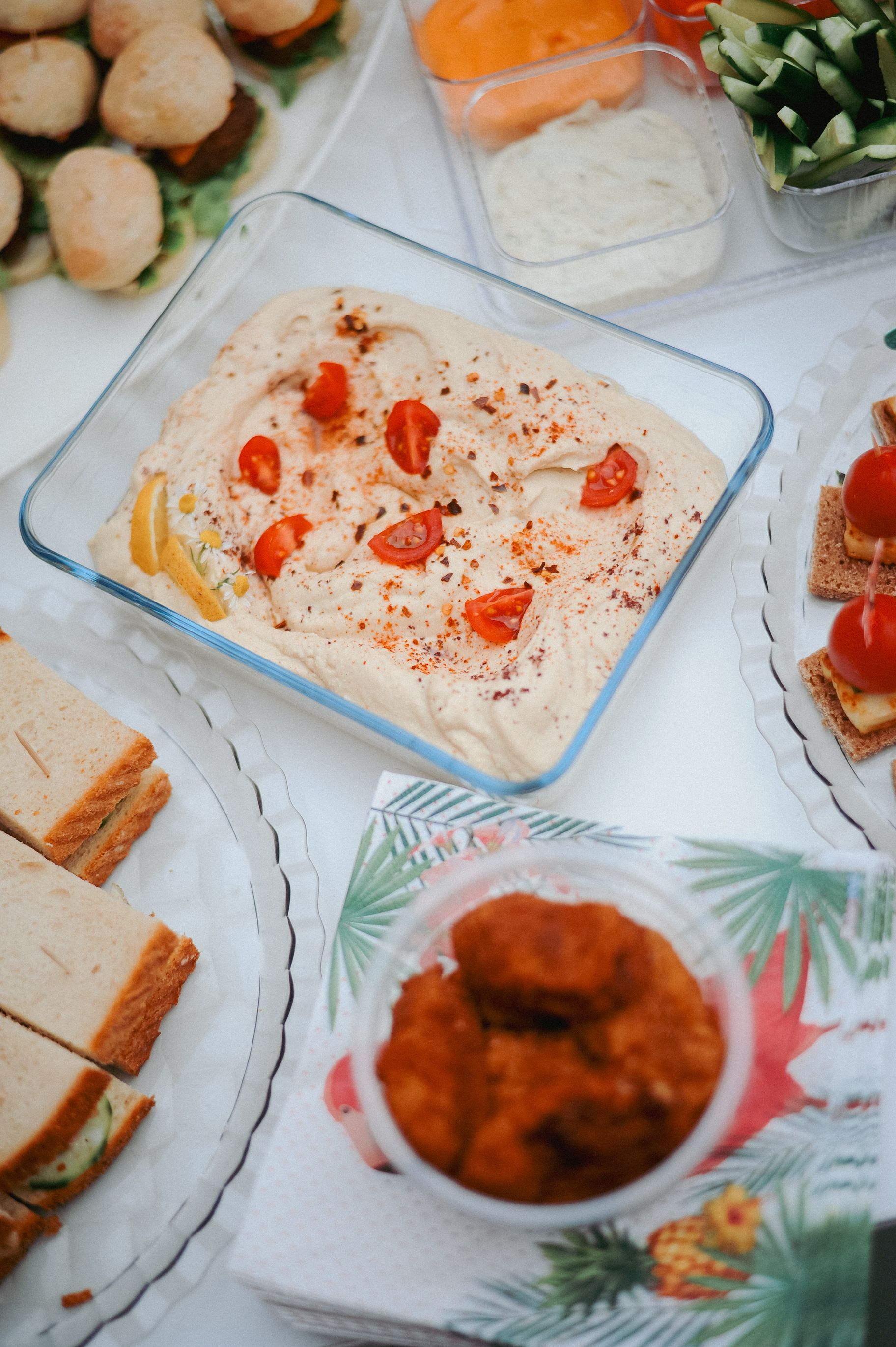
Not every potluck hero cooked from scratch. The person who brings a bakery pie, party platter, or quality chips with a great dip may be one of the most self-aware guests there. Instead of forcing a homemade dish they do not have time, skill, or interest to prepare, they choose something dependable and useful. That decision can reflect honesty, efficiency, and respect for the event.
This person is often practical rather than performative. They are less interested in proving something and more focused on showing up prepared. In many real households, time pressure is the biggest factor in food decisions, especially for working adults and parents. A 2024 consumer trend report found that convenience remains one of the strongest drivers in meal-related choices, even for social occasions.
There is also confidence in bringing something simple without apology. The best store-bought specialists know where to get the good cookies, the admired hummus, or the crowd-pleasing fruit tray. They understand that contribution is not always about labor. Sometimes it is about reading the room, filling a need, and arriving with something people will actually eat.
The Experimental Cook: Creative, Optimistic, and Willing to Take Risks
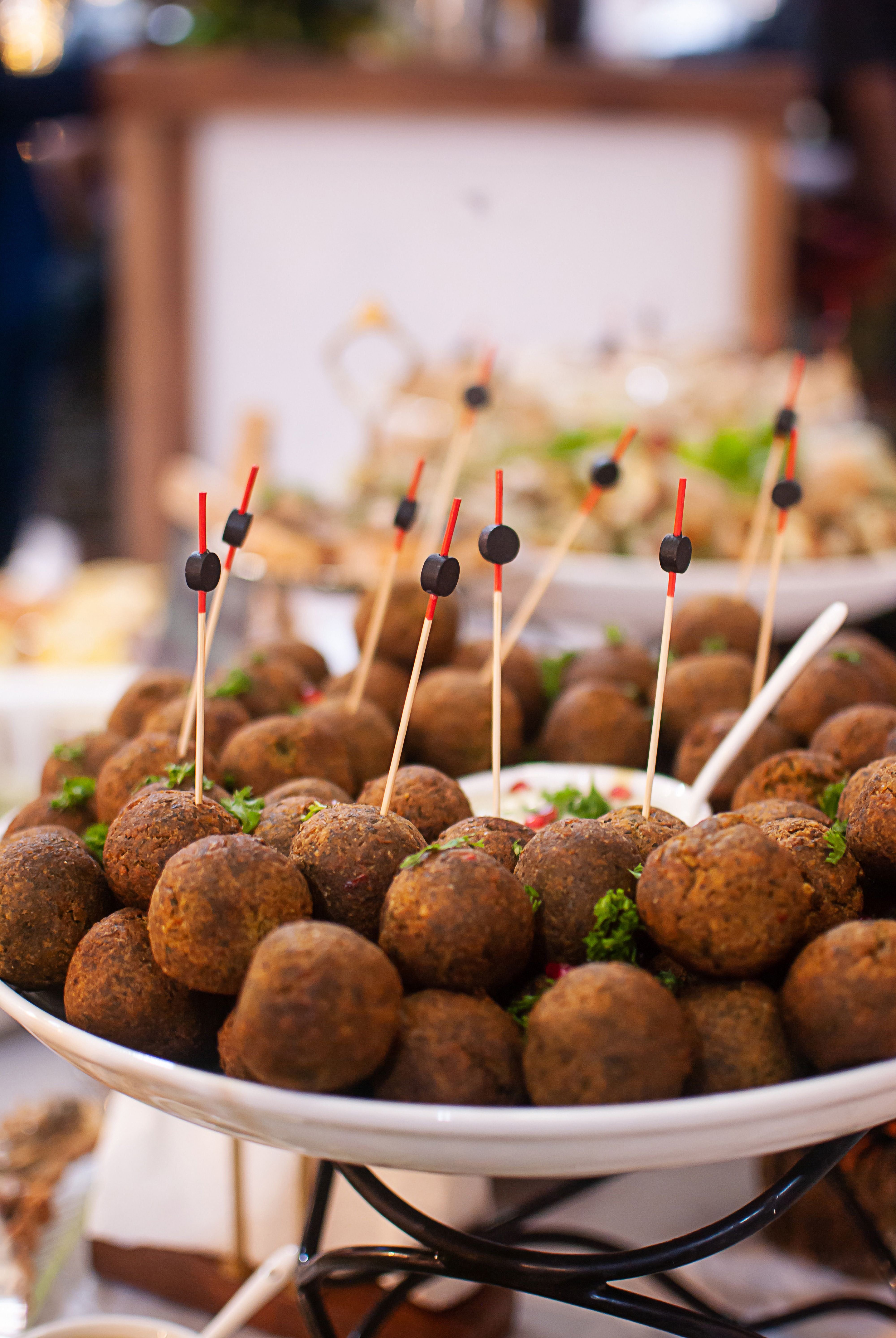
Some people treat a potluck as a testing ground. They bring Korean-inspired meatballs, a smoked paprika lentil salad, or a family recipe nobody can pronounce but everyone ends up discussing. This usually signals a person who is curious, imaginative, and energized by novelty. They are not just feeding people. They are introducing an experience.
That kind of choice suggests confidence, but also optimism. Experimental cooks believe others will be open to surprise, and they are often right. Shared meals have long been one of the easiest settings for cultural exchange, which is why potlucks can quietly broaden people's tastes. Sociologists who study communal eating often point out that unfamiliar dishes create conversation, and conversation builds connection.
Of course, risk comes with vulnerability. If the dish is untouched, the cook notices. But many experimental types accept that trade-off because originality matters to them. They want to contribute something memorable, and they are comfortable standing apart from the safer options. When it works, their dish becomes the one everyone asks about before the night ends.
What Your Potluck Choice Really Reveals About Social Style
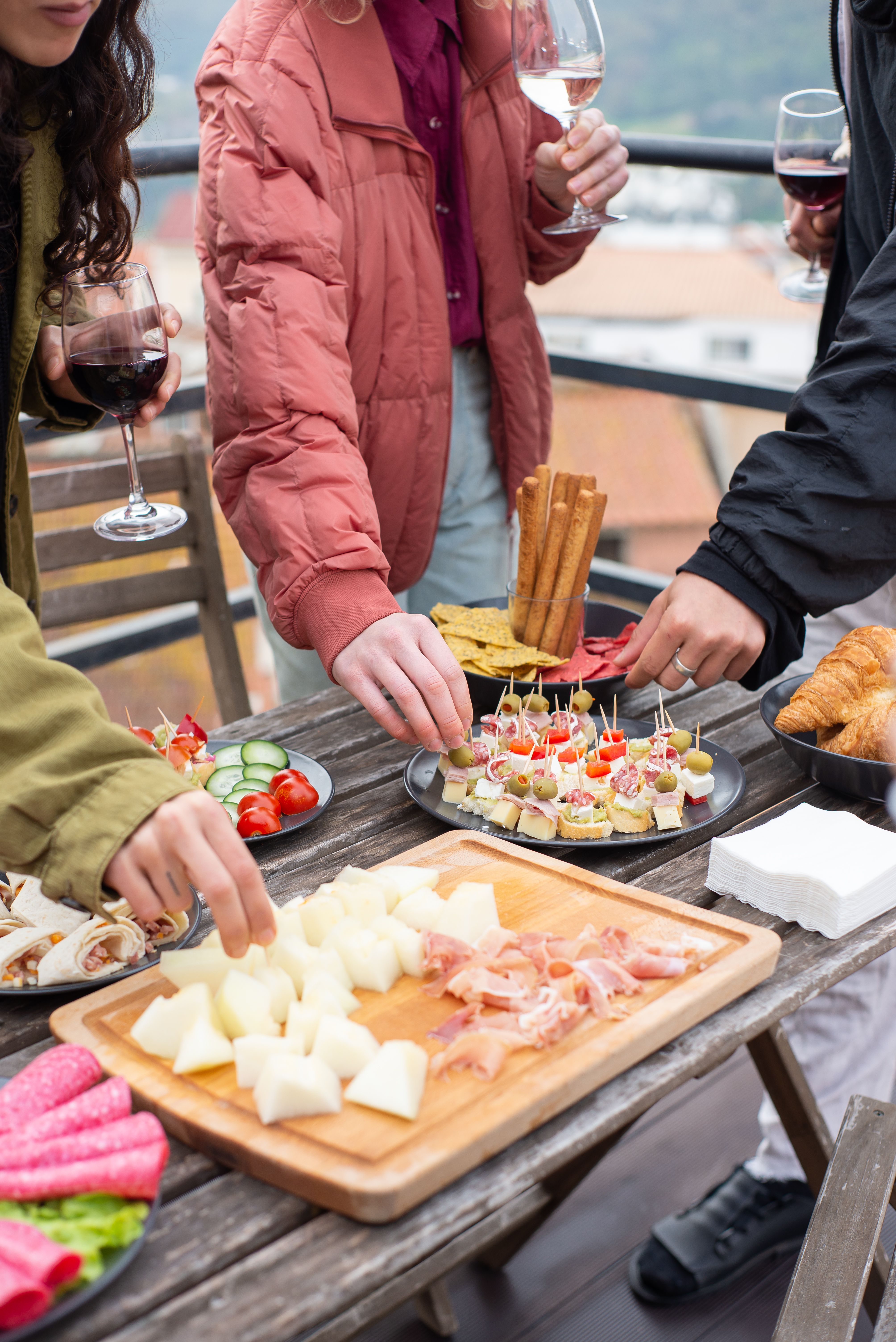
The most useful way to read a potluck dish is not as a strict personality test but as a clue about social style. Food choices at shared gatherings usually reflect how someone balances effort, identity, hospitality, and practicality. A casserole says, "I have you covered." A salad says, "I am thinking about the group." A dessert says, "I want to bring joy." Even a store-bought tray says, "I came prepared."
Researchers in social psychology have long observed that people use everyday choices to communicate reliability, taste, competence, and belonging. Potlucks are especially revealing because the decision involves real constraints like budget, time, kitchen skill, and transport. In other words, the dish is never just the dish. It is a small public statement about how a person wants to participate.
That is what makes potlucks so charming. They let people express care in different ways without needing a speech. Whether your signature is baked pasta, lemon bars, chopped salad, or a supermarket cheese plate, your choice tells others something meaningful. Most of all, it says you showed up ready to share.



Leave a Reply