Seafood is one of the most heavily marketed foods when it comes to sustainability. The challenge is that a simple claim on a package rarely tells the whole story.
Why seafood sustainability claims are so hard to judge

At first glance, seafood seems easy to assess. A product may say "sustainably sourced," "responsibly farmed," or "ocean friendly," and those phrases sound reassuring. In practice, those claims sit on top of one of the most complicated global food systems in the world, where fish can be caught in one region, processed in another, packaged in a third, and sold far from where it originated.
The seafood industry includes wild-capture fisheries, aquaculture operations, feed suppliers, traders, processors, wholesalers, retailers, restaurants, and exporters. Each part of that chain has its own environmental and labor risks. A fishery may have healthy stock levels but poor bycatch controls, while a fish farm may reduce pressure on wild stocks yet raise concerns about feed sourcing, waste discharge, antibiotics, or habitat damage.
Even the word "sustainable" has no single universal meaning in food marketing. In legal terms, the standard can depend on the country, the label, and whether the claim is regulated as a certification or simply presented as brand language. In many markets, broad environmental wording can appear on packaging without proving the full life-cycle impact that consumers might assume it represents.
That gap between consumer expectation and industry language is where confusion begins. According to reporting from Reuters and investigations by environmental groups over the past several years, some companies have faced scrutiny for overstating progress or using vague claims that sound stronger than the evidence behind them. That does not mean all claims are unreliable, but it does mean they need context.
A useful starting point is to treat every sustainability claim as a summary, not a conclusion. It may reflect a genuine certification, a supplier policy, a limited improvement project, or a marketing phrase with no independent verification. The important question is not whether the wording sounds positive, but what standard sits behind it, who checks it, and what part of sustainability it actually covers.
What certification labels can and cannot tell you
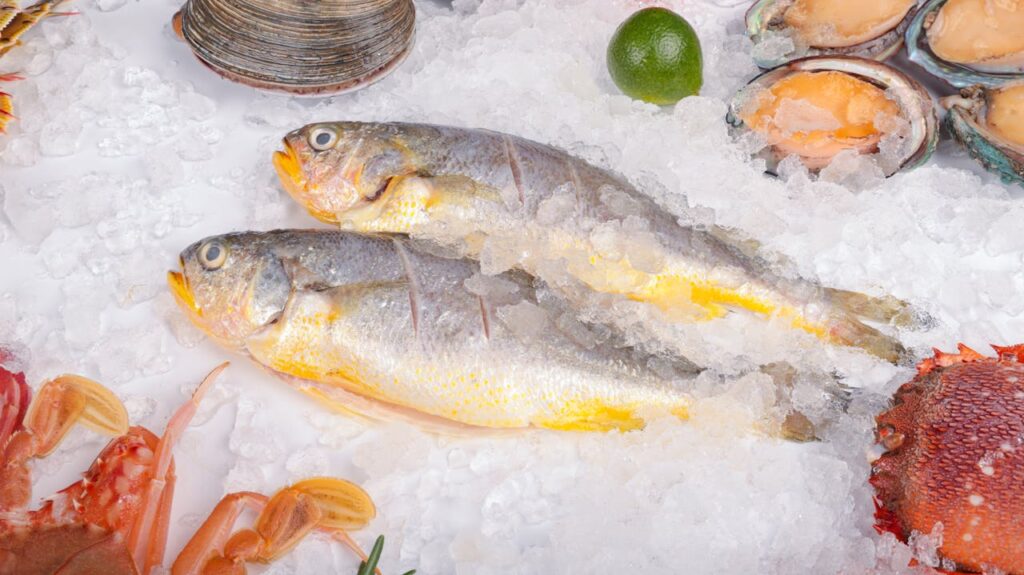
A label can be helpful, but it is not a magic stamp. In seafood, third-party certifications are often the clearest signals available to consumers because they usually rely on published criteria, audits, chain-of-custody rules, and periodic reassessment. Well-known examples include the Marine Stewardship Council for wild fisheries and the Aquaculture Stewardship Council for farmed seafood, while Best Aquaculture Practices and regional improvement programs also play important roles.
These programs typically look at a set of measurable issues rather than a vague promise. For wild fisheries, that can include stock health, bycatch management, habitat impacts, and governance systems. For aquaculture, standards may cover water quality, disease control, chemical use, feed ingredients, worker protections, and nearby ecosystem effects. The strongest schemes are transparent about what they measure and what level of performance they require.
Still, certification has limits that consumers should understand. A certified fishery is not claiming zero impact. Fishing, by definition, removes animals from ecosystems, and even well-managed fisheries can have trade-offs. A farmed shrimp operation may meet one standard while still operating in a region where mangrove loss has historically been a serious concern. A tuna product may be certified for one stock and one fishery, but that does not automatically speak for all tuna products sold by the same brand.
Another issue is that not all labels are equal. Some are independent and science-based, while others are company-created claims that borrow the language of sustainability without similar oversight. Phrases such as "responsibly harvested" or "eco-conscious choice" may reflect internal sourcing policies, but unless the package identifies a recognized standard or verification body, consumers are often being asked to trust the brand's own interpretation.
The best way to read a label is narrowly and carefully. Ask what species is being sold, whether it is wild or farmed, whether the claim is independently certified, and whether traceability is part of the program. A credible label can be a meaningful signal, but it is still one piece of evidence rather than proof that every environmental, social, and ethical issue in the seafood chain has been solved.
The biggest environmental issues behind the claims
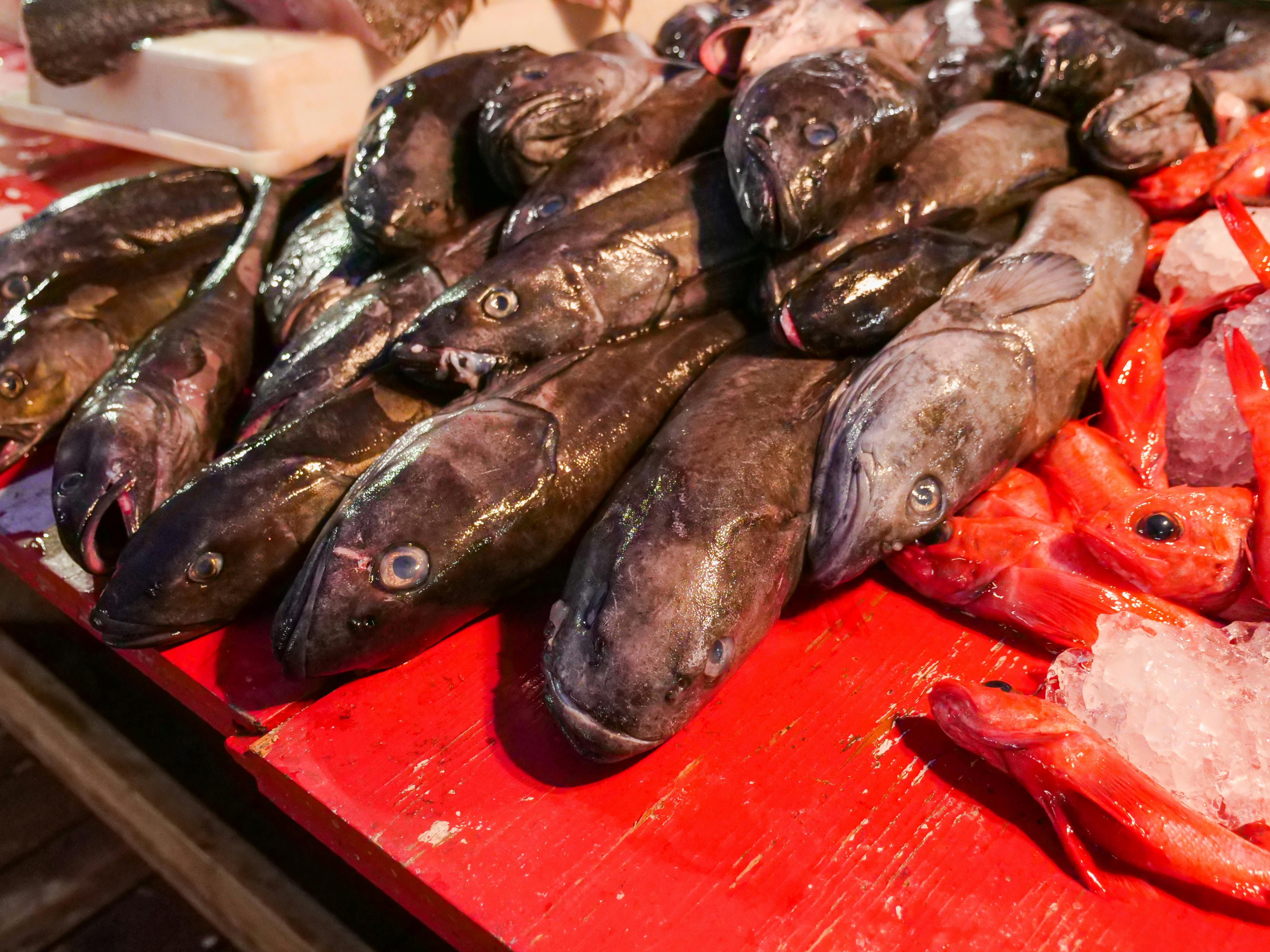
The heart of the matter is that seafood sustainability is not one problem. It is a cluster of connected issues, and companies may highlight the area where they perform best while saying less about harder questions. To judge a claim fairly, it helps to understand the main environmental pressures that experts track across fisheries and aquaculture.
For wild-caught seafood, overfishing remains the most recognized concern. The Food and Agriculture Organization has repeatedly reported that a significant share of global fish stocks are fished at biologically unsustainable levels. But stock status is only one part of the picture. Bycatch, or the unintended capture of non-target species such as sea turtles, seabirds, sharks, and juvenile fish, can be severe in some fisheries. Bottom trawling and other gear types may also disturb seafloor habitats, depending on where and how they are used.
For farmed seafood, the main concerns are different. Aquaculture now supplies a large and growing share of seafood eaten worldwide, and in many cases it can reduce pressure on wild fisheries. Yet the environmental balance depends heavily on species, location, feed, and farm design. Salmon, shrimp, and other carnivorous or high-input species can raise difficult questions about fishmeal and fish oil sourcing, escapes into the wild, parasite transfer, nutrient pollution, and energy use.
Climate change adds another layer. Warming oceans, acidification, shifting species ranges, and marine heat waves are changing the baseline conditions that sustainability systems were built around. A fishery that was stable a decade ago may now face changing recruitment and distribution patterns. That means a claim based on past performance may not fully capture future resilience or current ecological stress.
Consumers should also know that transport is not always the dominant issue people assume it is. In some cases, fishing method, feed composition, or production efficiency can matter more than food miles alone. A simple local-versus-imported framing can therefore be misleading. The strongest sustainability claims account for the major ecological impacts of a specific species and production system, rather than relying on one broad idea that sounds good in advertising.
Why traceability, labor, and transparency matter just as much
Sustainability is often presented as an environmental promise, but seafood cannot be judged responsibly without looking at people and paperwork too. Traceability is central because seafood fraud and supply chain opacity are longstanding industry problems. If a company cannot reliably show where a product came from, how it was produced, and whether it matches the species on the label, then any sustainability claim attached to it becomes harder to trust.
Mislabeling has been documented in multiple markets by academic researchers, journalists, and consumer groups. In some studies, products sold as one species were found to be another, often with different conservation or price profiles. This matters because sustainability assessments are species-specific and fishery-specific. A responsibly managed Alaskan salmon is not interchangeable with a different salmon product from a poorly documented source, even if both are sold under similar branding.
Labor rights are another essential part of the discussion. Investigations over the years by major news outlets, including the Associated Press, have exposed cases of forced labor, debt bondage, abusive working conditions, and illegal fishing in parts of the global seafood trade. A product can perform reasonably well on stock management and still be linked to serious human rights risks if the supply chain is poorly monitored. That is why more experts and retailers now speak about "responsible seafood" rather than limiting the conversation to ecology alone.
Transparency is the practical test of whether a company's claim deserves confidence. Stronger companies disclose the species name, harvest method, country or region of origin, whether the product is wild or farmed, and what certification or sourcing standard applies. Some also publish sourcing policies, supplier codes, and progress reports that explain where they still face gaps. That kind of openness does not guarantee perfection, but it gives consumers and watchdogs something concrete to evaluate.
When transparency is missing, caution is warranted. Vague claims, incomplete origin details, and no visible explanation of standards are all signs that the sustainability message may be doing more work than the evidence behind it. In seafood, the ability to trace a product through the chain is not a technical extra. It is one of the foundations that makes any claim meaningful at all.
How consumers can make smarter choices without being misled

The most practical approach is to replace the question "Is this seafood sustainable?" with a better one: "What exactly is this claim telling me?" That small shift helps consumers avoid all-or-nothing thinking. Few seafood products are impact-free, but many are better choices than others when judged by species, origin, method, farm design, and the quality of the verification behind the claim.
Start with the basics on the label. Look for the species name, whether it is wild-caught or farmed, the country or region of origin, and any certification that can be independently recognized. Products that clearly identify these details are easier to evaluate than those using only broad phrases. If a restaurant menu or fish counter cannot say what species it is selling or where it came from, that is a meaningful warning sign, not a minor omission.
It also helps to think in categories rather than absolutes. Small pelagic fish such as sardines and anchovies are often viewed more favorably because they can be productive species lower on the food chain, though local stock conditions still matter. Farmed mussels and oysters are often cited by scientists as lower-impact protein options because they do not require feed in the same way many finfish do. By contrast, some shrimp, eel, bluefin tuna, and poorly documented whitefish products can involve more significant ecological or traceability concerns, depending on source.
Consumers should be skeptical of claims that sound sweeping, especially if they promise that a product is simply "good for the ocean" or "100% sustainable" without explaining how. Real sustainability work is usually specific, measurable, and imperfect. Companies that are serious tend to acknowledge complexity, discuss standards, and show progress over time rather than relying on feel-good language alone.
In the end, the goal is not to become a marine scientist at the seafood counter. It is to recognize that credible claims are usually precise, verified, and transparent. When consumers reward that level of honesty, they create pressure for the industry to move away from vague green marketing and toward standards that actually protect fish populations, ecosystems, and the people whose livelihoods depend on them.