Organic labels can look simple at first glance, but the fine print matters more than most shoppers realize. From the USDA seal to phrases like "made with organic ingredients," each label signals a different standard and often a different price. This guide breaks down what those terms really mean and helps you decide when paying more may be worth it.
What "organic" really means
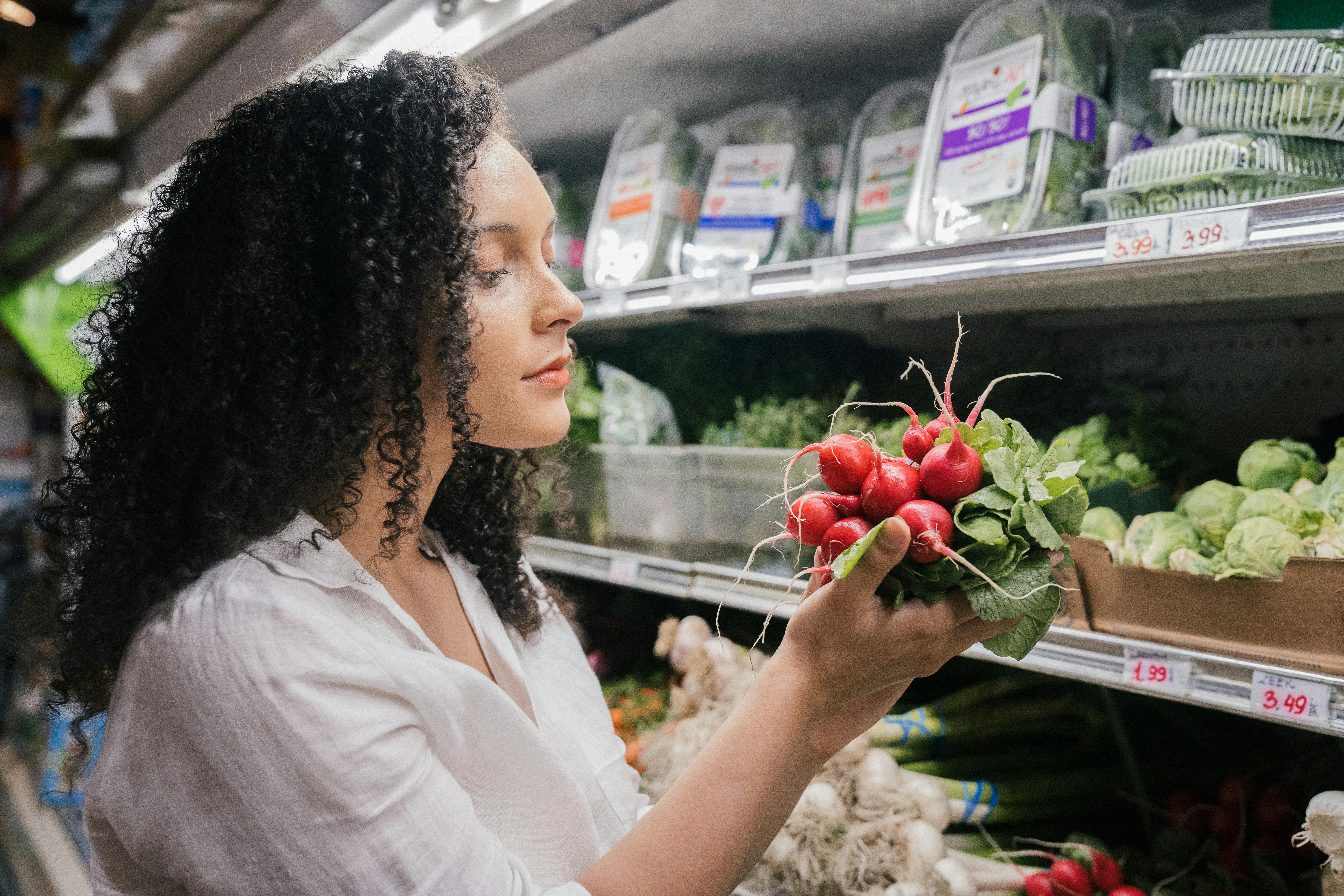
The word "organic" is not just a vibe or a marketing mood. In the food world, it refers to products made under USDA organic standards that emphasize ecological balance, biodiversity, and farming practices that reduce reliance on many synthetic pesticides and fertilizers.
That usually means methods like crop rotation, composting, and carefully approved substances rather than a free-for-all approach. For animal products, it also involves organic feed and conditions that allow natural behaviors.
What organic does not mean is perfect, pesticide-free, or automatically better in every way. It is a regulated production standard, not a guarantee that a food is fresher, tastier, or more nutritious.
How the USDA Organic seal works
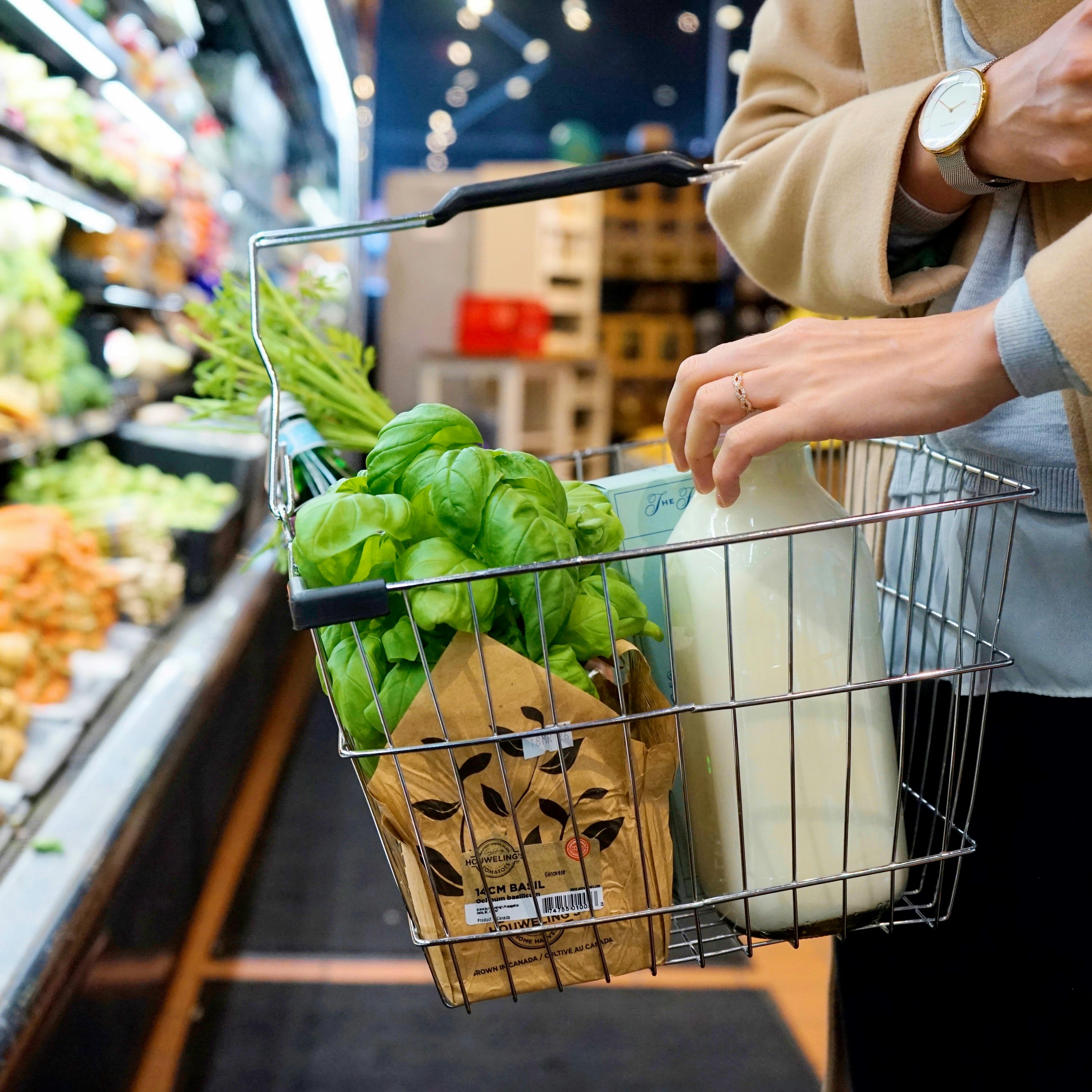
The USDA Organic seal is the quickest clue that a product meets federal organic rules. Those standards cover how foods are grown, raised, handled, and processed, and they are overseen through the National Organic Program.
To qualify, producers must follow approved methods and avoid most prohibited synthetic substances unless they appear on the USDA's allowed list. For livestock, the standards also include organic feed and access that supports animal welfare.
For shoppers, the seal acts like a shortcut in a crowded aisle. It does not tell you everything about taste or quality, but it does mean the product has met a defined national standard rather than relying on vague health-focused wording.
The difference between 100% Organic, Organic, and Made with Organic Ingredients
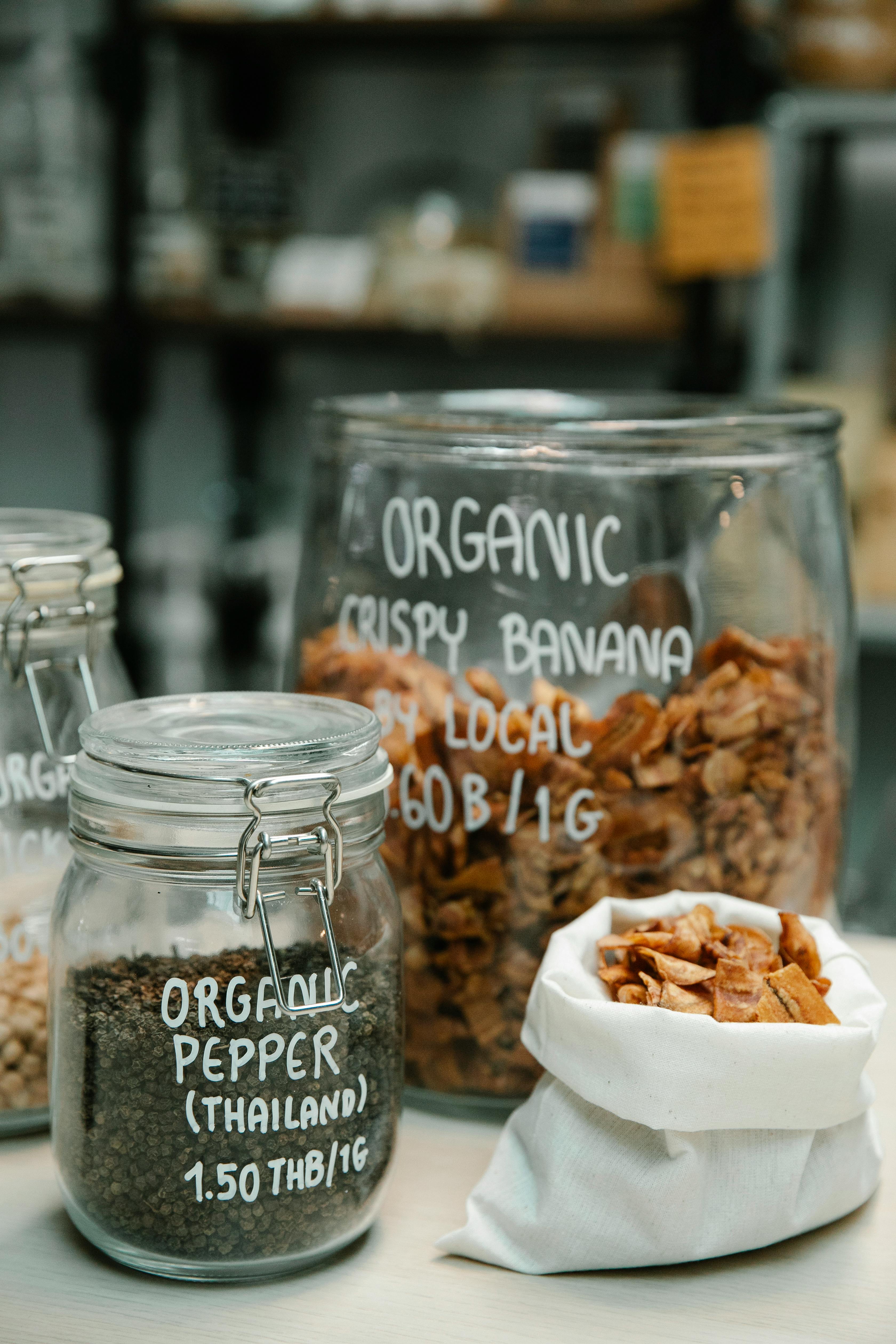
These labels sound similar, but they are not interchangeable. "100% Organic" means every ingredient and processing aid in the product is organic, making it the strictest category on the shelf.
A label that simply says "Organic" means at least 95% of the ingredients, by weight, are organic. The remaining 5% can include non-organic ingredients that meet specific rules, which gives manufacturers a little flexibility while still allowing use of the USDA seal.
"Made with Organic Ingredients" is a step down in strictness. That phrase means at least 70% of the ingredients are organic, and those products cannot use the USDA Organic seal on the front the same way fully certified organic products can.
Why organic food often costs more
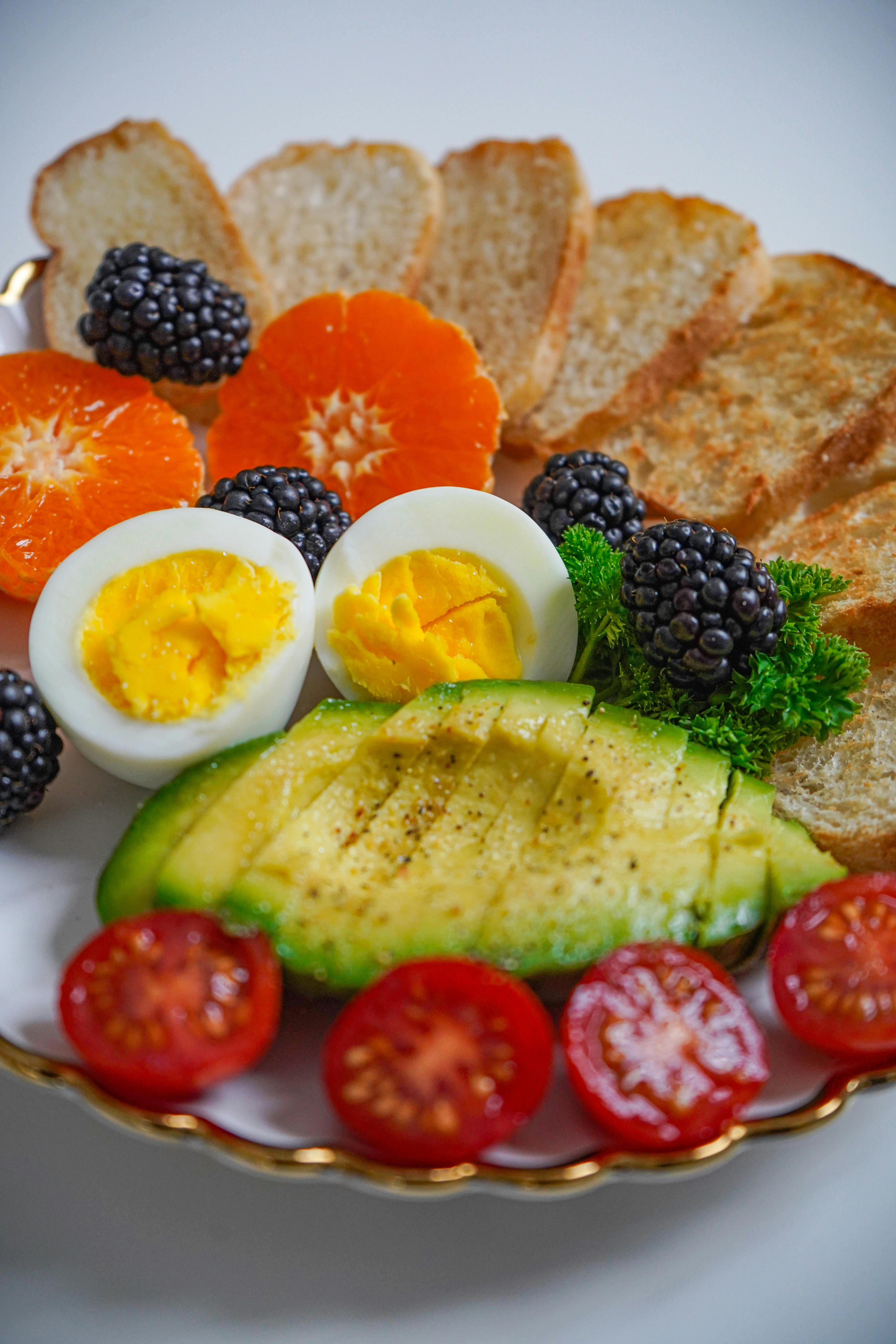
Organic prices can feel like sticker shock, especially in produce, dairy, eggs, and meat. A big reason is that organic farming often requires more labor-intensive practices, smaller-scale production, and more careful handling from field to shelf.
Farmers may spend more on organic feed, certification, record-keeping, and pest control methods that do not rely on many conventional chemical shortcuts. Yields can also be lower, which means fewer products to spread those costs across.
Supply and demand play a role too. Some organic categories still have limited production compared with conventional foods, so prices stay higher. In short, you are often paying for a stricter production system, not just a prettier label.
When paying extra may make the most sense
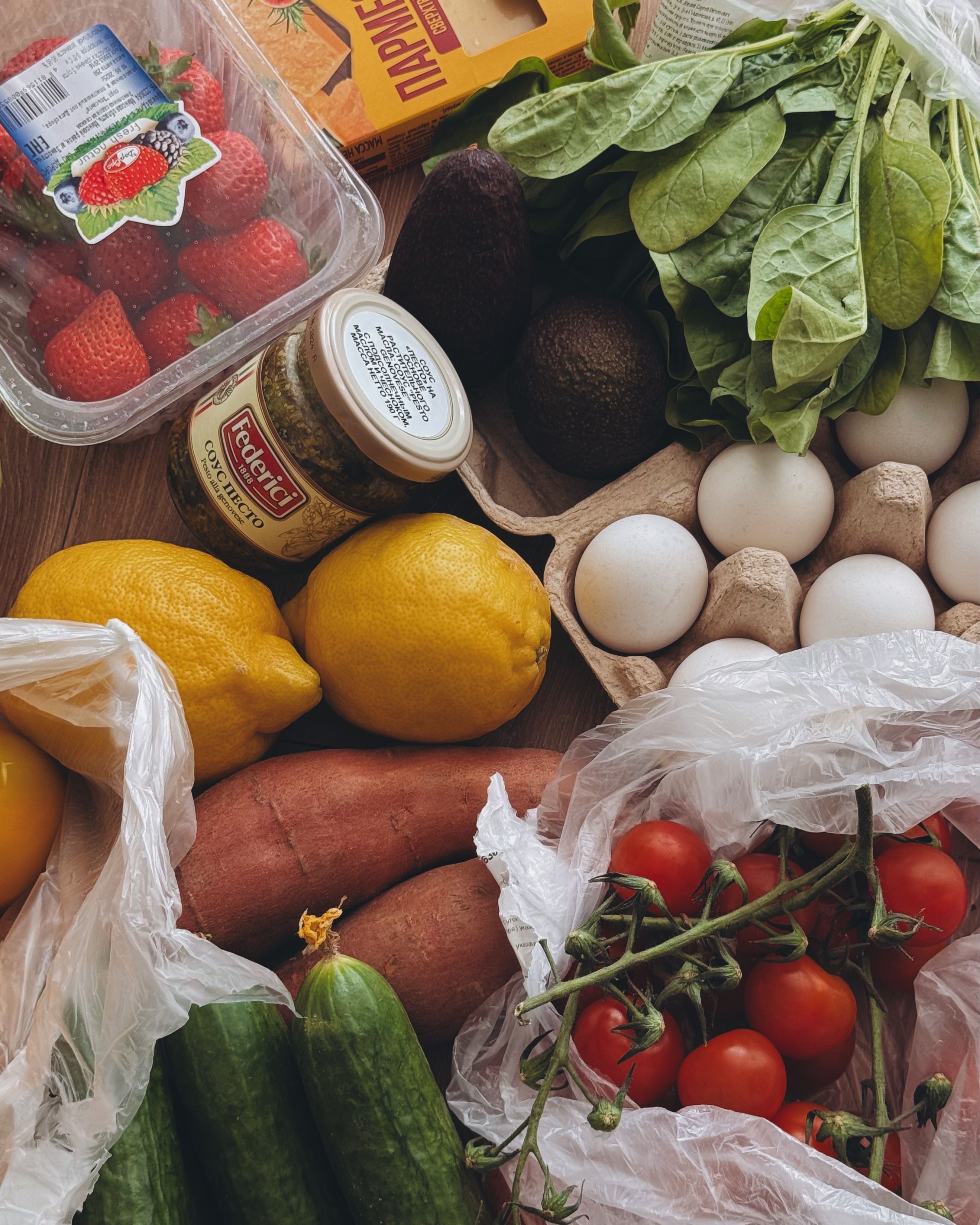
Not every item needs to be an organic splurge for every shopper. Many people choose to prioritize organic purchases in categories where pesticide residue is a bigger concern, especially certain fruits and vegetables often highlighted by consumer groups like the Environmental Working Group.
Produce such as strawberries, spinach, kale, grapes, apples, peaches, and blueberries often comes up in that conversation. If your budget is limited, focusing on the items you eat most often can be a practical middle ground.
Organic may also matter more to you in dairy, eggs, or meat if animal feed and production methods are part of your decision. Smart shopping here is less about perfection and more about matching your values to your budget.
Organic is not the same as natural

This is one of the easiest label mix-ups to make. "Natural" sounds wholesome, but it is not the same as "organic," and it does not come with the same consistent, tightly enforced production standards.
In general, natural foods are understood to avoid things like artificial flavors, color additives, or certain synthetic substances. But that does not automatically rule out GMOs, hormone use, or farming practices that would never qualify as organic.
So if you are standing in front of two products, one labeled natural and one labeled organic, do not assume they offer the same thing. Organic is a regulated certification. Natural is often a much looser marketing term, which means the ingredient list matters a lot more.
The biggest misconceptions shoppers should know

Organic food is often treated like a shortcut to "healthier," but that is not always how it works. An organic cookie is still a cookie, and organic whole milk may look very similar to conventional whole milk on the Nutrition Facts panel.
Another common myth is that organic means local. It does not. A product can be certified organic and still travel a long distance, which matters if your priorities include supporting nearby farms or reducing transportation impact.
Shoppers also confuse organic with labels like cage-free, free-range, or pasture-raised. Those terms describe different aspects of animal production and do not automatically mean the product is organic. The wording may sound close, but the standards are not identical.
How to shop smarter without overspending

A good organic strategy starts with reading the front and the back of the package. Look for the USDA Organic seal when you want the clearest certification, then scan the ingredient list to see whether a product is fully organic or simply made with some organic ingredients.
You can also save money by being selective instead of all-or-nothing. Buy organic versions of the foods your household eats most, compare store brands, shop seasonal produce, and use frozen organic fruits or vegetables when fresh prices run high.
Most importantly, let labels inform you rather than intimidate you. Organic can be a useful tool, but the best cart is one that fits your health goals, your values, and your real grocery budget.