
A Prairie Canadian plate looks simple at first glance. But after 30 days, that mix of beef, oats, root vegetables, canola oil, pulses, and hearty dairy can change how your body feels in surprisingly measurable ways.
Your Energy Starts to Reflect the Land

Prairie eating is built around foods that store well and satisfy deeply. Think porridge, whole-grain toast, lentil soup, potatoes, eggs, and roast meat. For many people, that means fewer ultra-processed snacks and a steadier stream of calories across the day.
In the first week, energy often becomes more even. Oats, barley, rye, and pulses digest slowly, which helps blunt sharp blood sugar swings after meals. A 2024 body of nutrition research continues to support this pattern, especially when refined breakfast foods are replaced with intact grains and legumes.
The effect becomes stronger if meals include both fiber and protein. A bowl of steel-cut oats with berries and yogurt, or split pea soup with whole-grain bread, tends to keep hunger down longer than pastries or sugary cereal. Over 30 days, that can mean fewer afternoon crashes and less impulse snacking.
Your Gut Usually Benefits From the Fiber Boost

The Prairie table has long relied on practical crops that also happen to help the gut. Dry peas, beans, lentils, oats, flax, cabbage, beets, carrots, and potatoes all contribute fermentable fiber. If your old diet was low in plant foods, your digestive system will notice the difference quickly.
During the first several days, you may feel more gas or bloating. That is common when fiber intake rises, especially with legumes. The change is usually temporary, and it eases faster when water intake increases and portions build gradually instead of jumping overnight.
By the end of a month, bowel regularity often improves. Gut microbes feed on soluble fiber from oats and pulses, producing compounds such as short-chain fatty acids that support colon health. Flaxseed, another Prairie staple, can further help stool consistency while adding lignans and healthy fats.
Protein Intake Climbs, Which Changes Fullness and Muscle Support
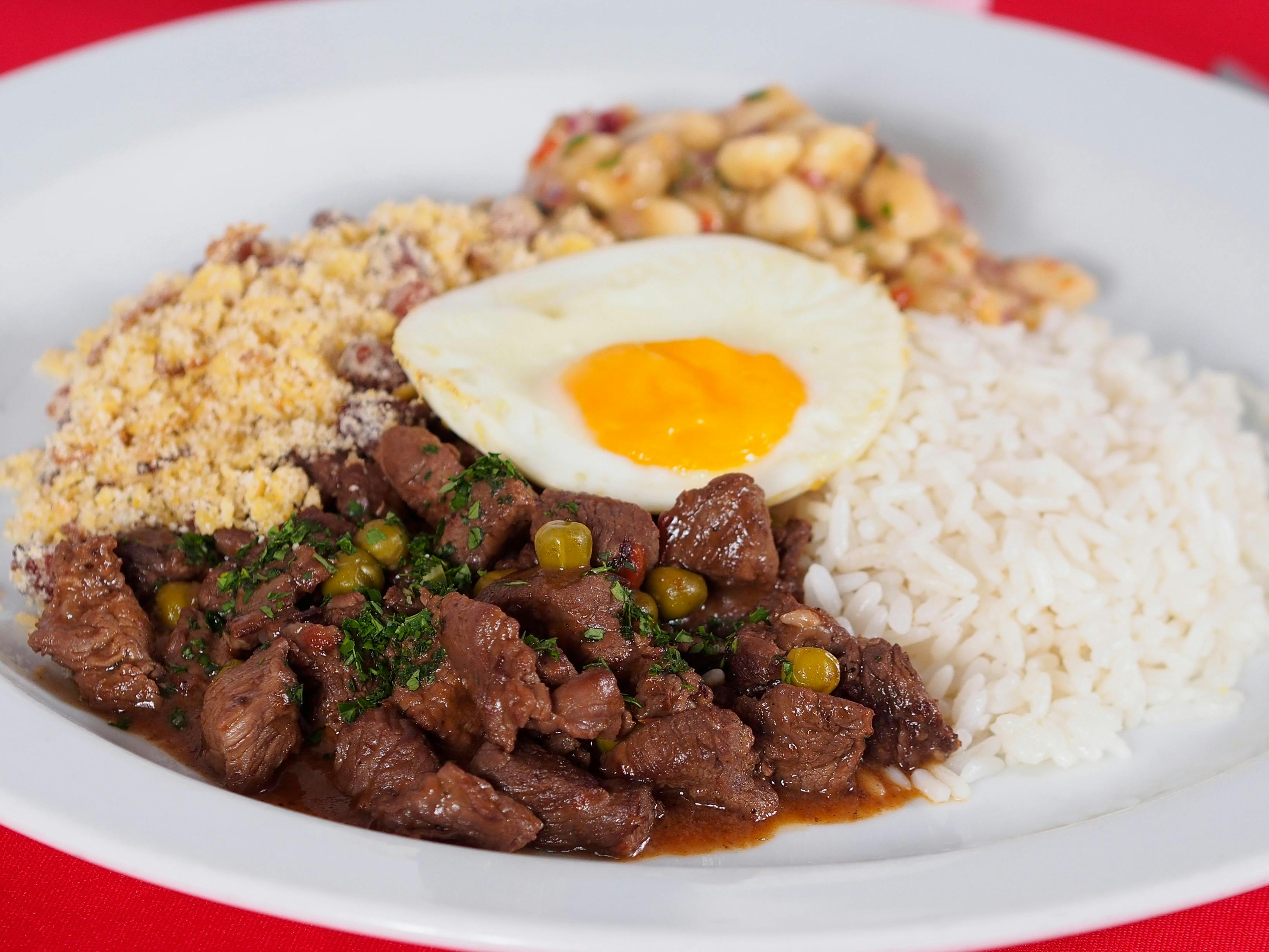
One defining feature of Prairie food culture is a strong protein base. Beef, bison, eggs, dairy, pickerel, pulses, and even wild game in some households create meals that are naturally filling. If you normally eat light breakfasts or carb-heavy lunches, this shift can feel dramatic.
A higher-protein pattern often reduces overall hunger. Research repeatedly shows that protein increases satiety more than refined carbohydrates do, partly by influencing appetite hormones and slowing stomach emptying. Over 30 days, that can make portion control easier without the feeling of dieting.
There is also a body-composition angle. If you are active or over 40, better protein distribution through the day supports muscle maintenance. A breakfast with eggs or skyr, lunch with lentils, and dinner with fish or lean beef can help preserve lean mass, especially when paired with walking or resistance exercise.
Heart Health Can Improve, but It Depends on the Version You Follow

Not every Prairie-style month is equally heart-friendly. If your meals center on canola oil, beans, oats, fish, vegetables, and modest portions of lean meat, several markers may move in a good direction. Oats and barley provide beta-glucan, a fiber linked with lower LDL cholesterol.
Canola oil matters here more than many people realize. Developed in Canada and widely used across the Prairies, it is lower in saturated fat than butter or lard and rich in unsaturated fats. Swapping creamy dressings and heavy frying fats for canola-based cooking can support better lipid profiles.
The downside appears when comfort foods take over. Frequent sausage, bacon, processed deli meat, poutine, creamy casseroles, and oversized steakhouse portions can drive sodium and saturated fat up fast. In that version, blood pressure may rise, water retention can increase, and heart benefits become much less likely.
You May Notice Better Blood Sugar Control and More Stable Appetite

Prairie meals often combine protein, fiber, and fat in a way that slows digestion. Lentil stew, chili, baked salmon with potatoes, or cottage cheese with berries are not trendy foods, but metabolically they are quite smart. They tend to release glucose into the bloodstream at a manageable pace.
For people with insulin resistance or prediabetes, this matters. Pulses have been studied extensively in Canadian nutrition research and often show benefits for post-meal glucose response. Replacing white pasta or sugary snack bars with chickpeas, split peas, or beans can noticeably improve how long you stay satisfied.
That said, not all starches behave the same way. Large servings of white bread, perogies, or mashed potatoes made with lots of butter can still push glycemic load higher. The best 30-day outcome usually comes from pairing starches with vegetables, intact grains, and a meaningful protein source.
The Biggest Result Is Often a More Grounded Way of Eating
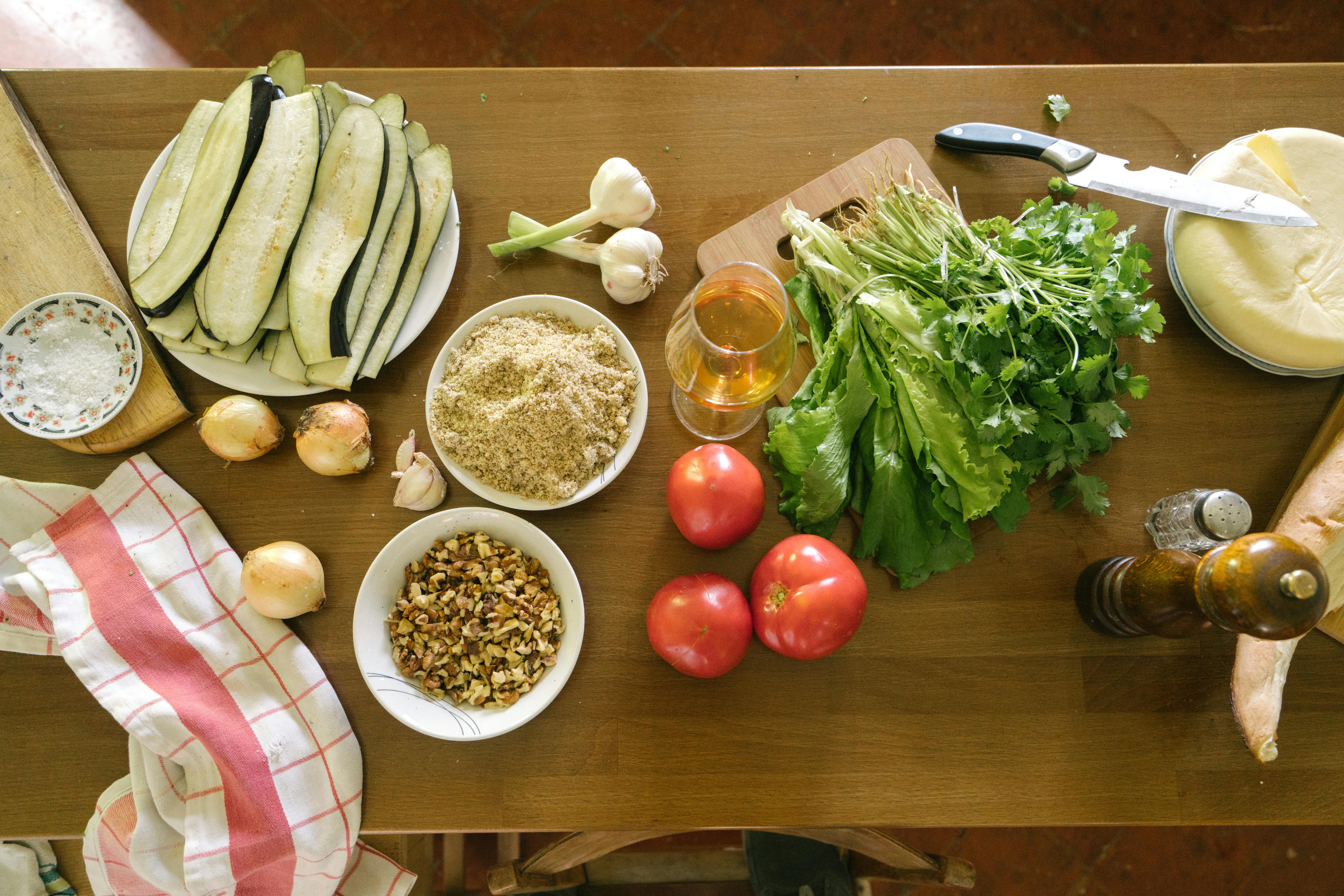
A Prairie Canadian pattern is not just about nutrients. It also encourages structure, home cooking, seasonal produce, and meals built from durable basics rather than novelty foods. Over a month, that can lower decision fatigue and make eating feel calmer, which often improves consistency more than any single superfood.
There is also a financial and practical upside. Dried lentils, oats, potatoes, frozen berries, cabbage, and eggs are nutrient-dense and relatively budget-friendly. When food becomes easier to plan, people are more likely to cook, pack lunches, and stick with habits long enough to see physical benefits.
The most realistic body changes after 30 days are steadier energy, improved fullness, better digestion, and sometimes modest improvements in cholesterol or blood sugar. But the outcome depends on balance. Eat like the best of the Prairies, not just the richest parts of its comfort-food tradition, and your body will likely thank you.




Leave a Reply