A restaurant meal can feel simple on the plate, but a lot happens before it reaches your table. Ingredients, labor, sourcing, safety rules, and kitchen shortcuts all shape what you eat, how it tastes, and what it costs. This gallery breaks down the biggest factors behind restaurant food so diners can better understand what they are really ordering.
Ingredients Start With Sourcing
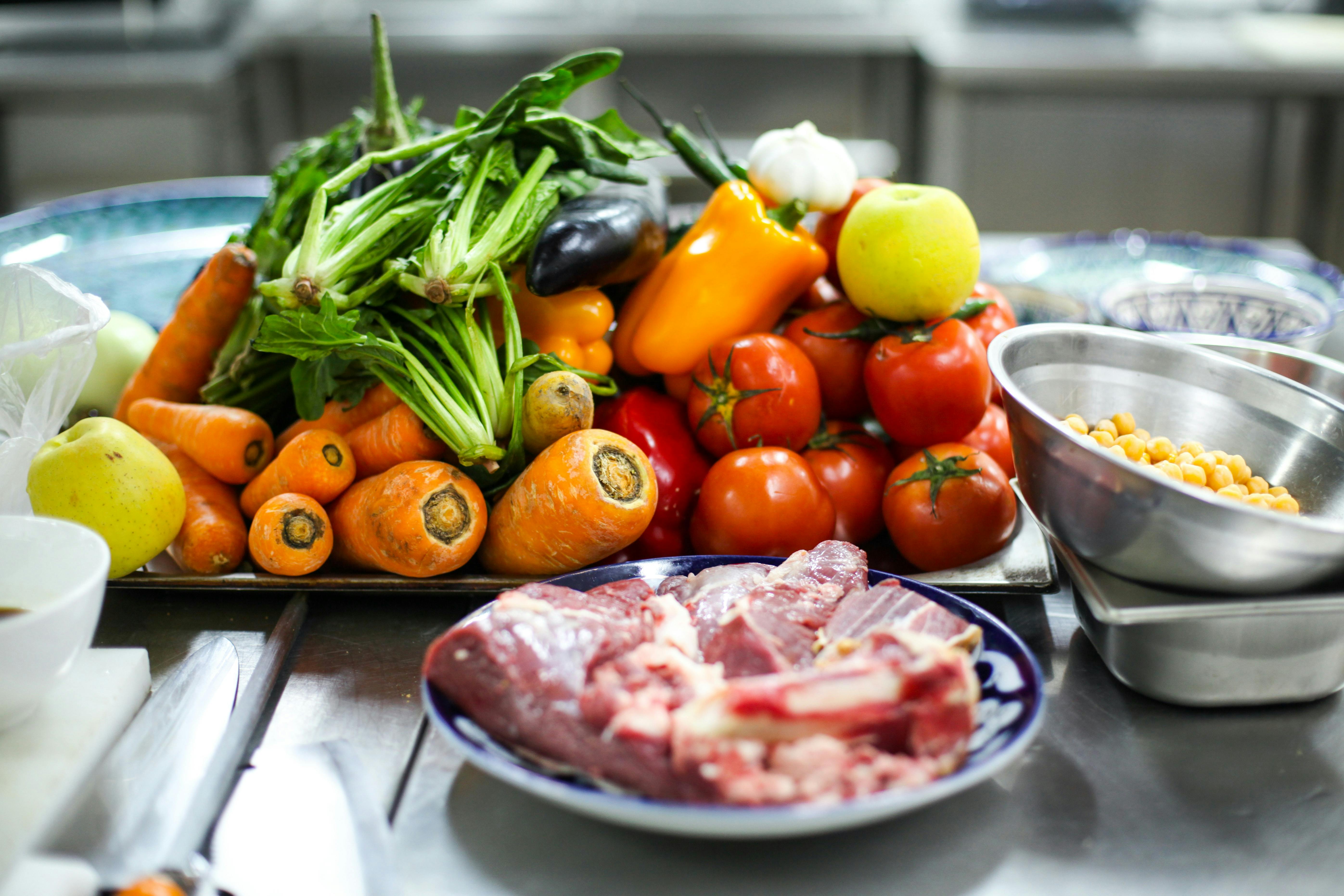
The first truth about restaurant food is that quality usually begins long before the stove turns on. Restaurants rely on farms, fisheries, distributors, and specialty suppliers, and each source affects flavor, freshness, and consistency. A tomato picked ripe for a local kitchen will not behave the same way as one shipped long distances for shelf life.
Sourcing also shapes price. Seasonal produce, humanely raised meat, wild seafood, and imported items often cost more, which can raise menu prices or shrink portions. On the other hand, large chains can use volume buying to keep costs down and make dishes taste nearly identical from one location to the next.
For diners, sourcing matters because it can influence nutrition, sustainability, and transparency. When a restaurant talks openly about where its ingredients come from, it often signals a stronger focus on quality control and kitchen standards.
Preparation Adds More Than Flavor
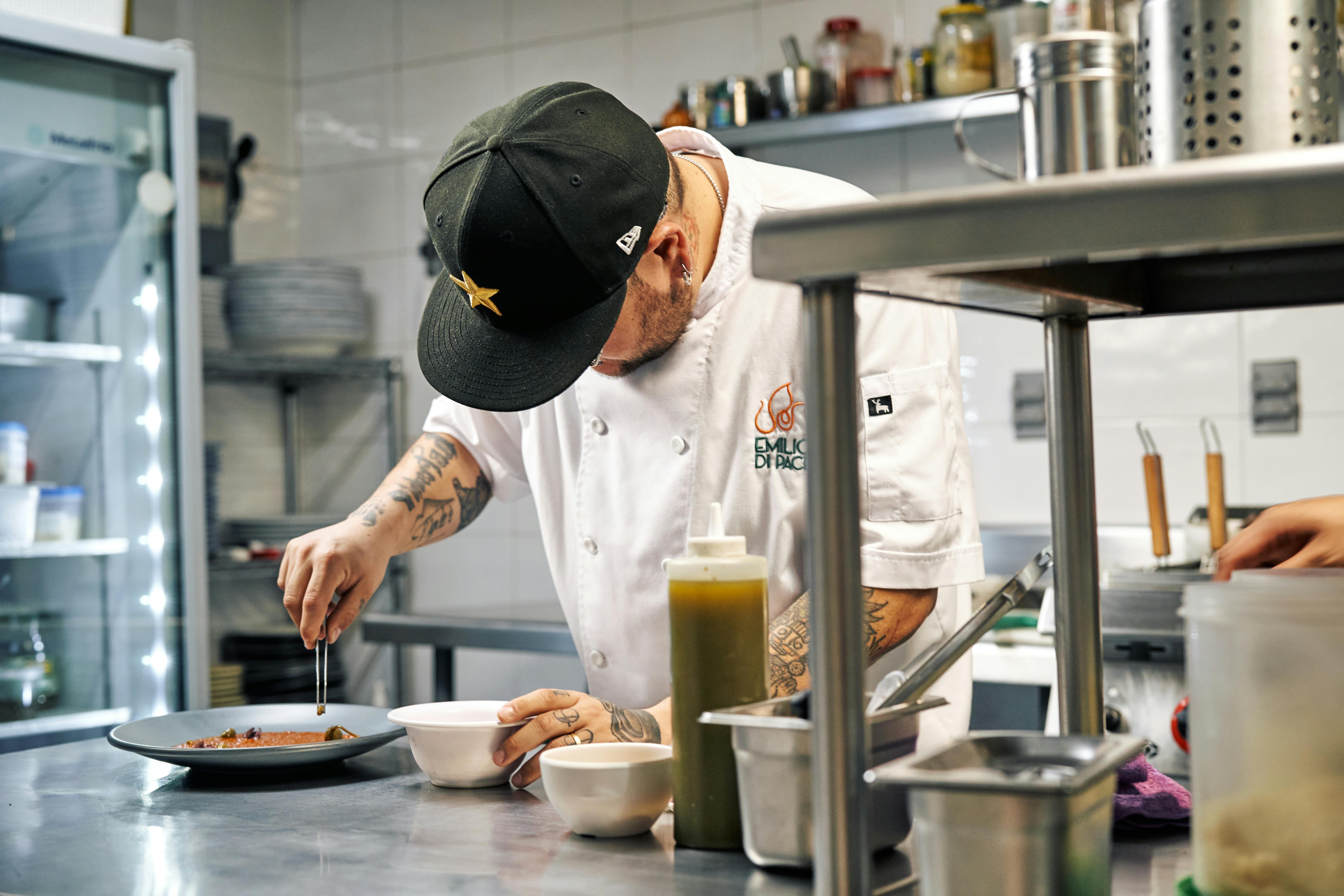
A lot of what makes restaurant food memorable happens in prep, not just in the final minutes of cooking. Stocks are simmered, onions are caramelized, proteins are marinated, and sauces are reduced for depth. These steps build texture and flavor in ways that are hard to recreate with rushed home cooking.
Prep also explains why some dishes taste richer than expected. Restaurants often season in layers and use more salt, butter, oil, sugar, or acid than many home cooks realize. That balance can make food feel exciting and polished, but it can also push sodium and calorie counts higher.
This matters because technique can be both an art and a health factor. The same chicken breast can be light and clean or heavily enriched depending on how it is brined, seared, sauced, and finished.
Labor Is Built Into Every Plate
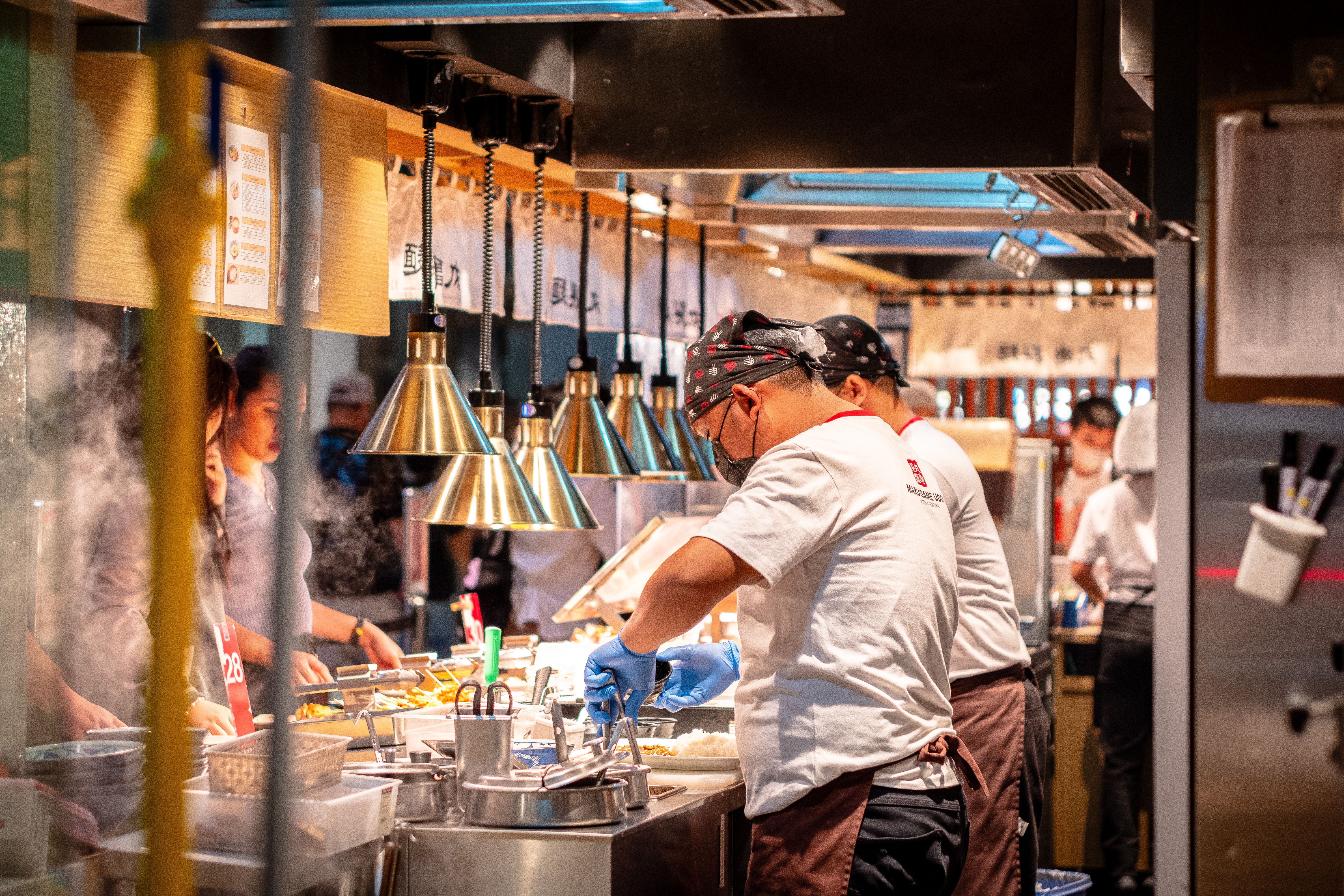
One easy thing to miss when looking at a menu is how much human work is folded into each dish. Someone washed the greens, broke down the fish, mixed the dough, prepped the garnish, fired the order, plated it, and served it. Even a simple lunch can reflect hours of labor before the first guest arrives.
That labor affects menu design. Restaurants may choose ingredients and dishes that can be prepped efficiently, especially when staffing is tight or wages rise. This is one reason some places trim menus, rely on batch cooking, or use partially prepared products from trusted vendors.
For guests, labor matters because it helps explain both price and inconsistency. On a busy night, timing, experience, and staffing levels can change how carefully food is cooked and presented.
Food Safety Shapes the Whole Kitchen
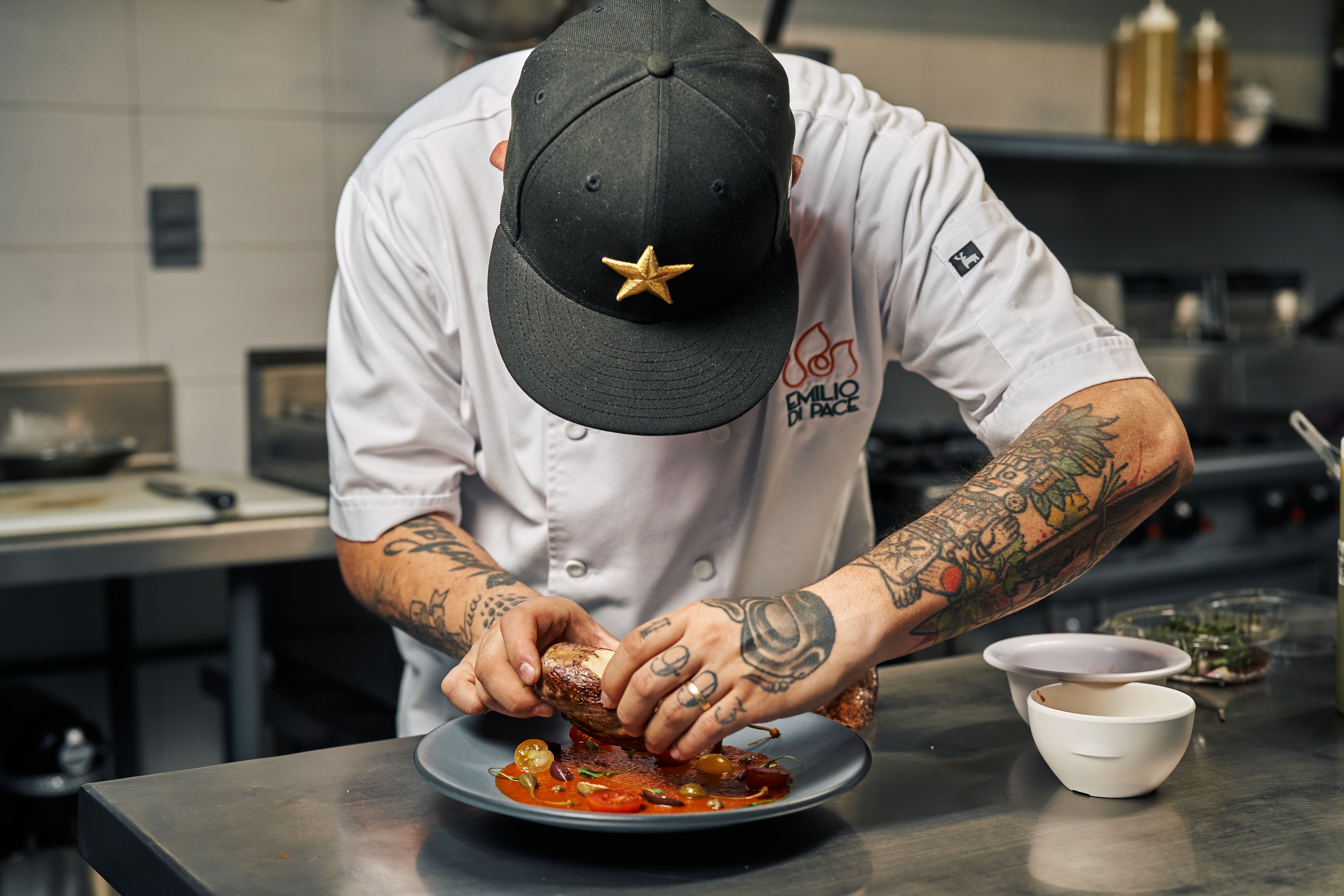
Behind every good plate is a less glamorous but essential system: food safety. Restaurants have to manage refrigeration, cross-contamination risks, handwashing, cooking temperatures, allergen controls, and cleaning schedules. If these basics fail, even high-end ingredients can become a serious health problem.
Safety rules also affect how food is handled and served. Ground meats, seafood, eggs, and buffets require especially close attention because they can spoil quickly or carry harmful bacteria if mishandled. Staff training matters here as much as the ingredients themselves.
For diners, food safety is not just about avoiding food poisoning. It also affects trust. A clean dining room may look reassuring, but the real story is usually found in the habits, systems, and discipline inside the kitchen.
Nutrition Can Change Once Food Hits the Restaurant
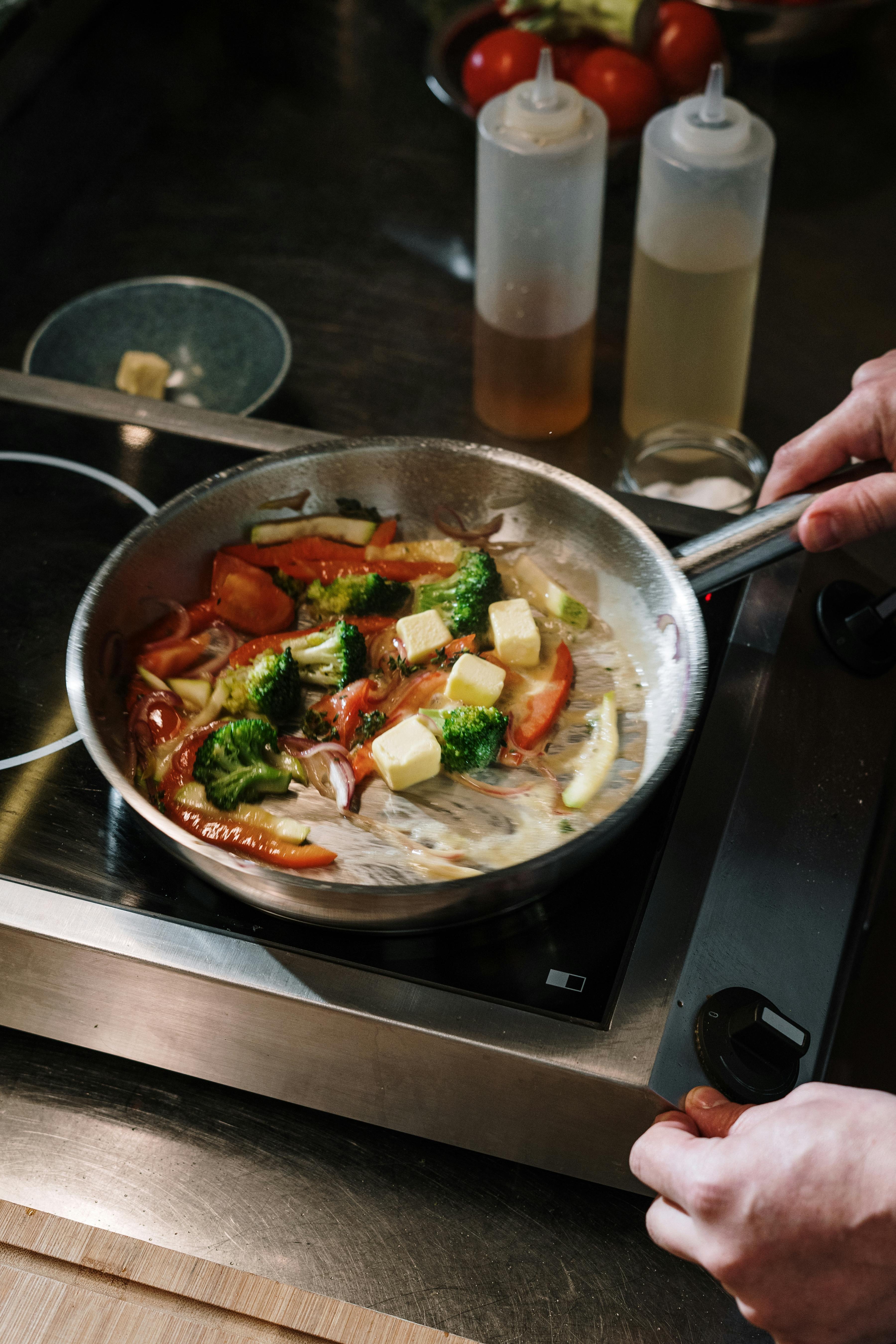
Restaurant food often starts with familiar ingredients but ends up nutritionally different from the version people make at home. Extra butter adds shine, oil improves browning, cream softens acidity, and sugar rounds out sauces and dressings. These choices can make food taste better quickly, which is part of the business logic of restaurants.
Portion size plays a major role too. A pasta dish, salad, burger, or breakfast plate may contain far more calories, sodium, and saturated fat than diners expect, especially when sides, toppings, and refills are included. Even meals marketed as healthy can hide a lot in dressings and sauces.
This matters because restaurant eating is now routine for many people. Knowing that flavor is often built through added fat, salt, and sugar helps diners order more intentionally without losing the pleasure of eating out.
Pricing Reflects More Than the Food Itself

A menu price is never just the cost of ingredients stacked on a plate. Restaurants also pay for rent, utilities, equipment, insurance, staff wages, packaging, linen service, marketing, and credit card fees. In many places, ingredient cost is only one part of a much larger financial equation.
That is why two restaurants can serve similar dishes at very different prices. One may be using premium ingredients, while another is covering a higher lease, a more specialized staff, or a location built around atmosphere and service. Fine dining, in particular, often charges for time, skill, and experience as much as food.
For diners, understanding this helps separate value from sticker shock. A higher price can reflect quality, but it can also reflect overhead, branding, and the economics of staying open.
Transparency Helps Diners Make Better Choices

The most useful thing a restaurant can offer, beyond good food, is clarity. Clear menu descriptions, allergen information, honest sourcing claims, and straightforward service help diners understand what they are buying. That transparency matters more than ever as people pay closer attention to health, ethics, and value.
It also builds loyalty. Guests are often more forgiving about higher prices or limited options when a restaurant communicates openly about seasonal changes, supply issues, or house-made practices. Vague language, by contrast, can create disappointment when the reality does not match the promise.
In the end, what goes into restaurant food is not just ingredients. It is a combination of sourcing, labor, safety, nutrition, and business decisions. The more visible those choices are, the easier it is for diners to eat with confidence.