
Canadians know these foods are hard to avoid. The bigger surprise is how many forces keep them on the plate.
Ultra-processed foods are built for convenience

The easiest food often wins. In Canada, long commutes, shift work, and packed family schedules make ready-to-eat meals, packaged snacks, and sweetened drinks feel less like indulgences and more like practical solutions.
Ultra-processed foods save time at every step. They are pre-cooked, shelf-stable, portable, and heavily standardized, which means people can rely on them when the day gets chaotic. That reliability matters to parents packing lunches, students between classes, and workers grabbing dinner after late shifts.
Researchers and public health experts have long noted that convenience is one of the strongest drivers of food choice. A person may fully understand nutrition guidance and still reach for frozen pizza, instant noodles, or protein bars because those foods remove the work of planning, chopping, and cooking.
Price pressures keep shoppers locked in
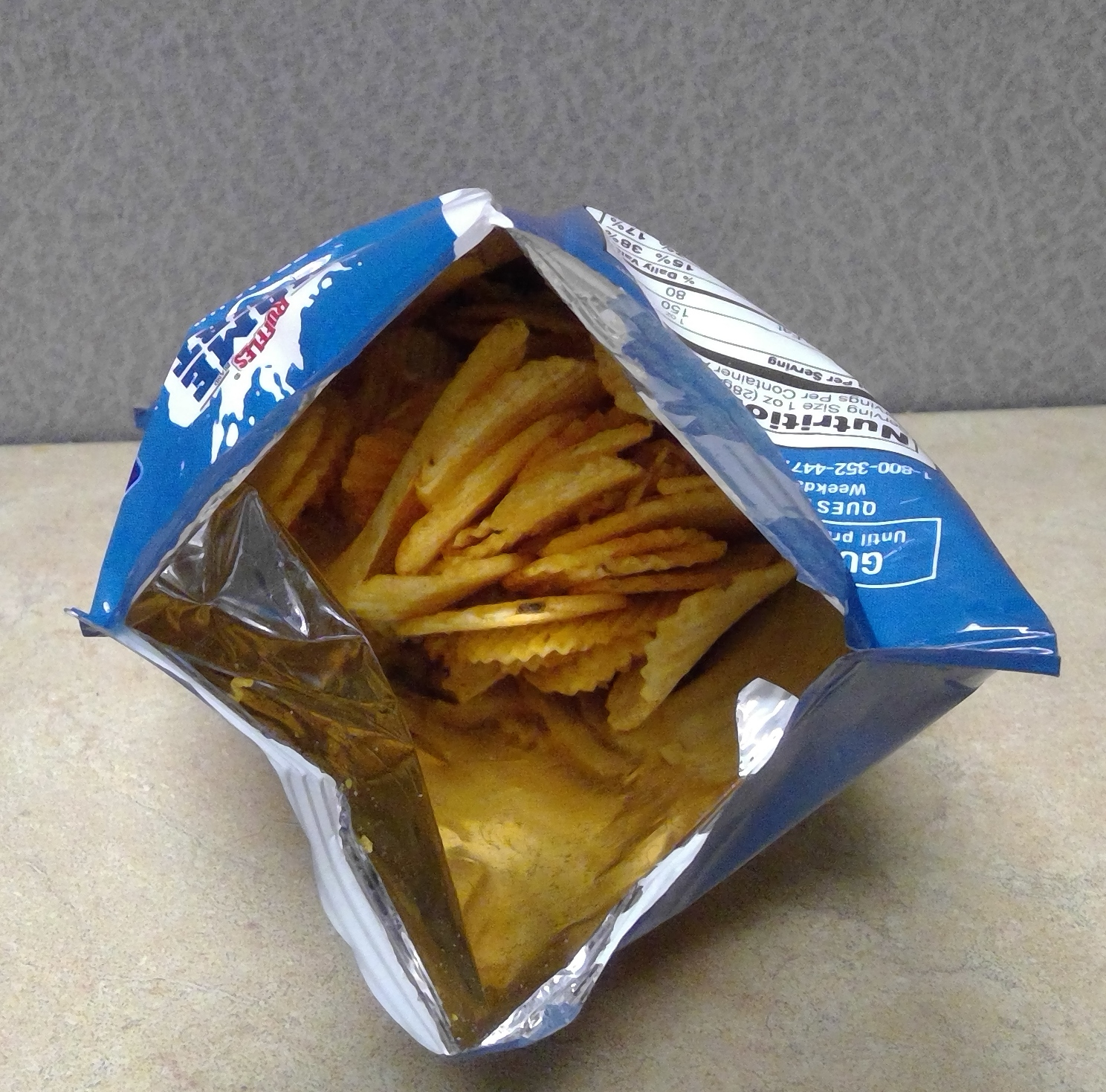
Food inflation has changed how many Canadians shop. When household budgets tighten, people often compare price per calorie, not price per nutrient, and ultra-processed products usually perform well by that measure.
A large bag of chips, boxed macaroni, sweetened cereal, or frozen entrées can seem cheaper than fresh berries, fish, or salad ingredients, especially in remote regions and northern communities where transport costs push up prices. That gap makes healthier choices feel financially risky.
There is also the issue of waste. Fresh produce, dairy, and fresh meat spoil quickly, while packaged foods can sit in cupboards or freezers for weeks. For families trying to stretch each grocery trip, longer shelf life reduces the chance of throwing money in the garbage.
Canada's food environment makes them hard to escape
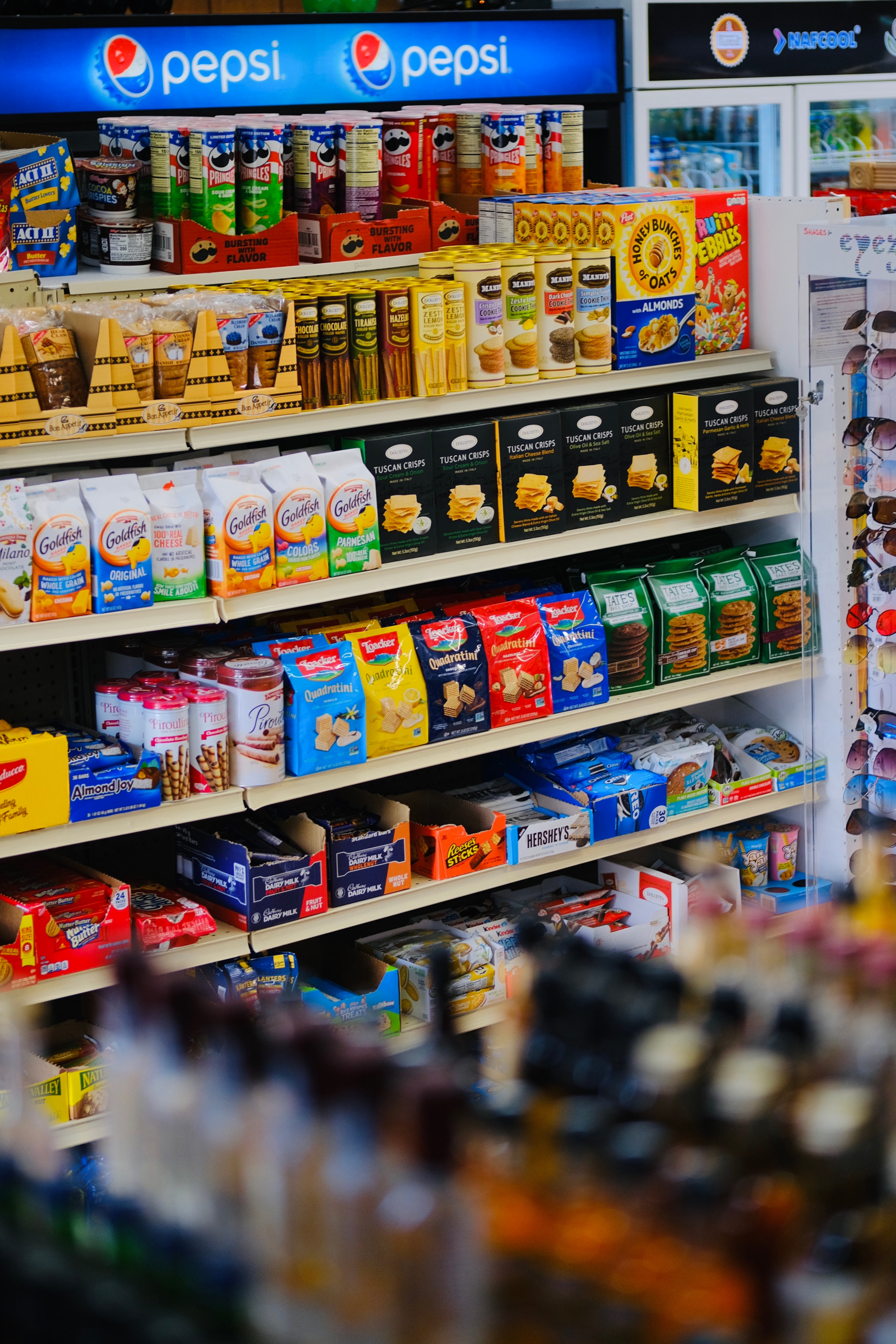
Walk into almost any gas station, school-adjacent shop, arena, or office vending area and the pattern is obvious. Ultra-processed foods are everywhere, placed at eye level, near checkouts, and in meal deals that reward larger purchases.
This constant exposure shapes habits. People do not make food choices in a vacuum, and repeated visual cues increase impulse buying. Behavioural economists have shown that placement, portion sizing, and promotions can influence consumption even when people believe they are choosing freely.
In many communities, especially lower-income urban areas and some rural regions, healthier prepared options are less available than packaged snacks and fast food. That imbalance creates a food environment where resisting ultra-processed products requires more effort than buying them.
Marketing has normalized everyday overconsumption
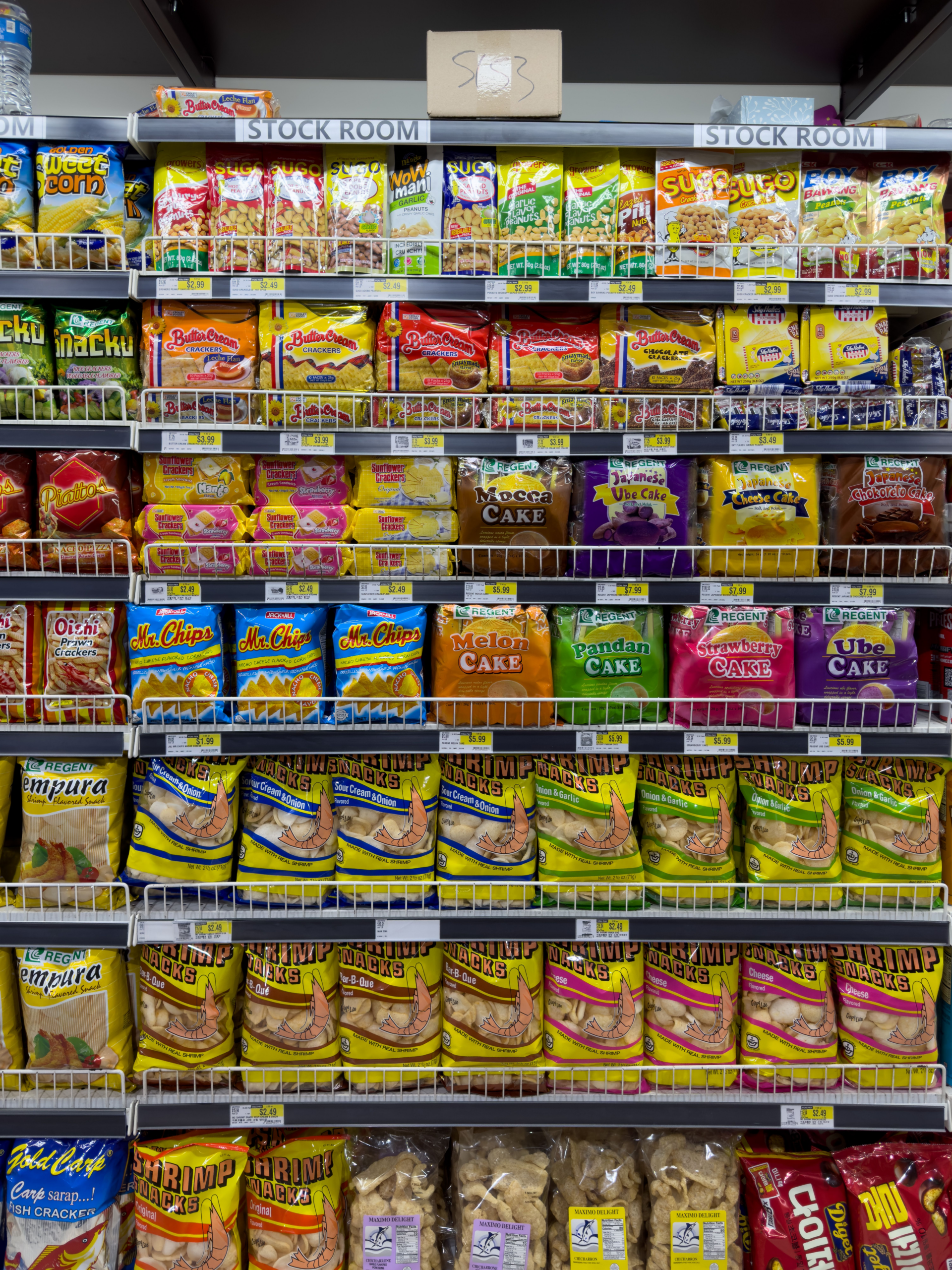
Many ultra-processed foods are sold with health halos. Labels may emphasize added fibre, protein, whole grains, or vitamins, allowing sugary cereals, snack bars, and flavored yogurts to appear healthier than they really are.
Children are especially vulnerable. Bright packaging, cartoon branding, influencer-style advertising, and sports sponsorships can turn processed foods into familiar comfort items before kids are old enough to assess nutritional quality. Those early preferences often persist into adulthood.
Adults are targeted too. High-protein desserts, energy drinks, and convenience meals are marketed as tools for productivity, fitness, or self-care. The message is subtle but powerful: processed food is not just acceptable, it is part of a successful modern lifestyle.
Taste, texture, and habit are difficult to override
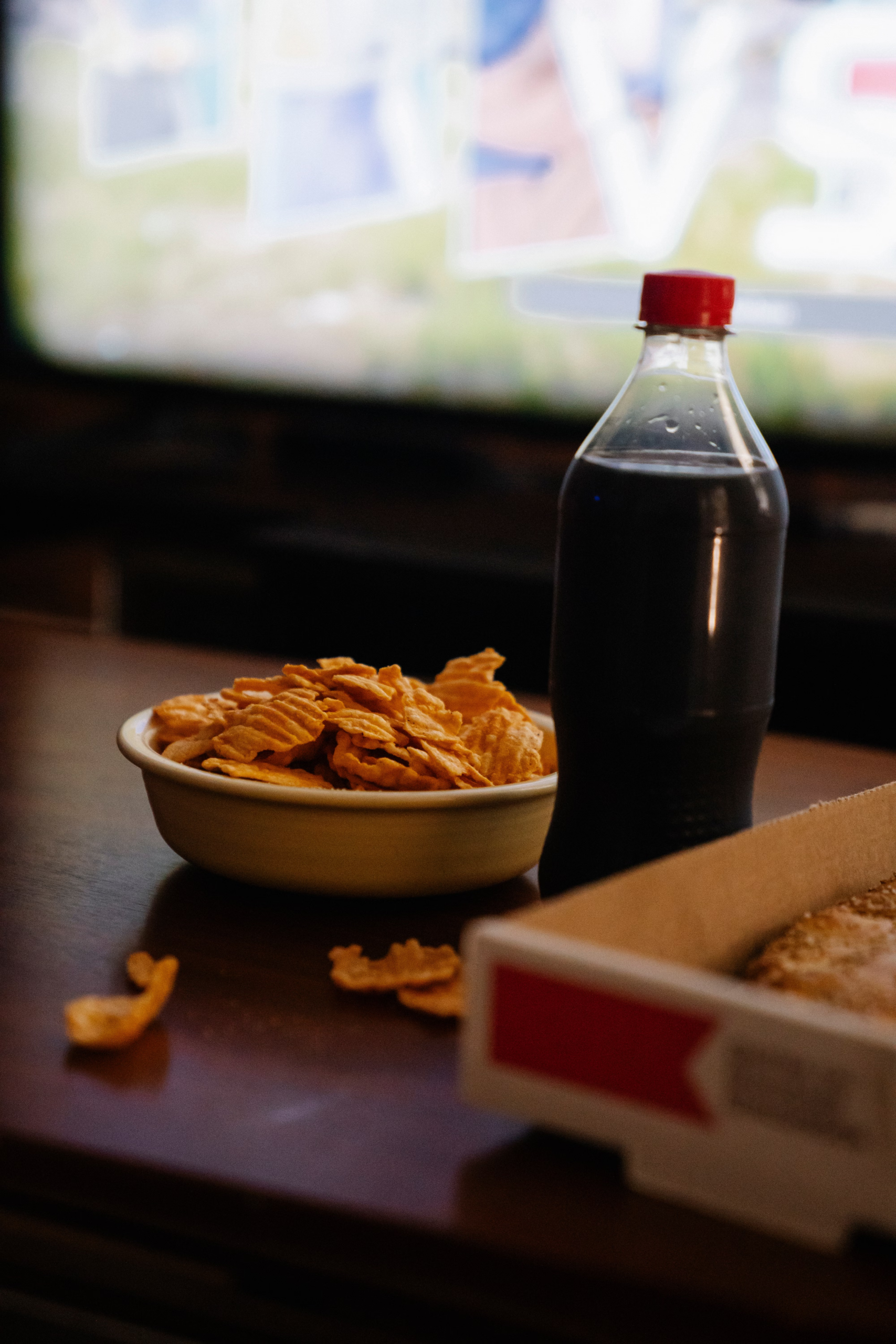
These foods are engineered to be intensely rewarding. Combinations of salt, sugar, refined starch, and fat activate pleasure pathways in ways that make stopping at one portion genuinely difficult for many people.
Texture matters as much as flavor. Crunchy chips, creamy desserts, chewy bars, and fizzy drinks are designed for repeat appeal, and food scientists know consistency increases loyalty. Consumers return to products that deliver the same sensory hit every time.
Then habit takes over. A muffin with coffee, crackers after work, or frozen chicken fingers for children can become routine, and routines feel safe. Changing them requires more than willpower. It takes planning, cooking skills, time, and repeated exposure to alternatives.
Cutting back is possible, but the system must help
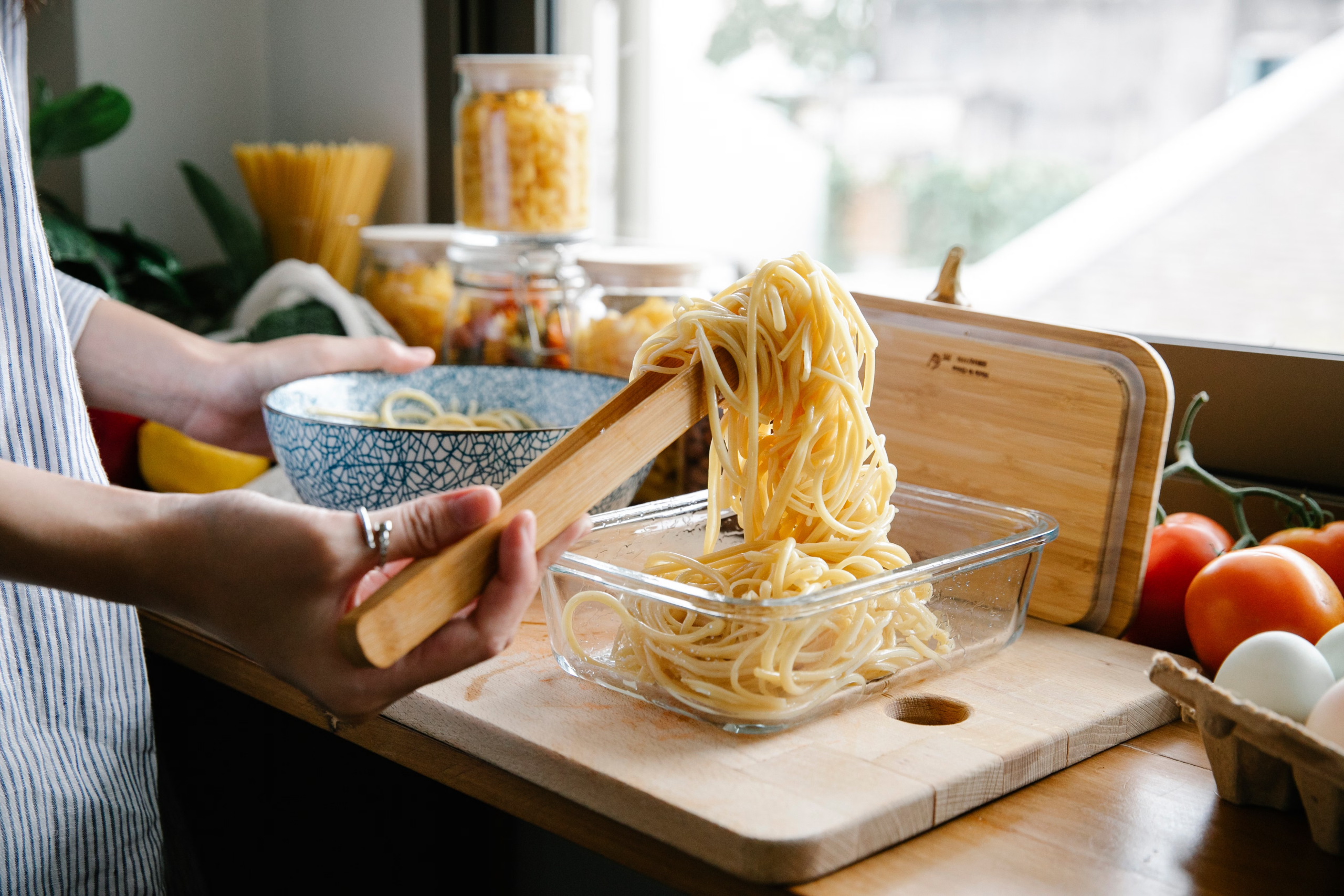
Health Canada's food guidance encourages more whole and minimally processed foods, but advice alone cannot overcome structural barriers. If healthier options remain pricier, less available, and more time-intensive, many Canadians will continue relying on packaged products.
Experts often recommend gradual substitution rather than perfection. Swapping sugary cereal for oats, flavored yogurt for plain yogurt with fruit, or frozen fried items for simpler frozen vegetables can lower ultra-processing without making meals unrealistic.
The broader lesson is clear. Canadians are not simply failing at self-control. They are navigating a food system that makes ultra-processed eating cheap, visible, convenient, and normal. Until that system changes, eating less of these foods will remain harder than it sounds.




Leave a Reply