
Gold seekers chased fortune, but daily life revolved around something far more immediate: food. In the Klondike, what people ate often decided whether they could keep working, stay healthy, or even survive the winter.
The basic diet was built for calories, not comfort

The Klondike diet began with necessity. Men and women heading into the Yukon needed foods that could travel long distances, survive freezing temperatures, and deliver heavy calories for brutal physical labor. That is why staples like flour, bacon, beans, rice, sugar, rolled oats, tea, and dried fruit appeared again and again in period accounts.
Canadian authorities required stampeders entering the North-West Mounted Police checkpoint to carry roughly a year's worth of provisions. That supply usually totaled close to a ton, a stunning figure that reveals how isolated the goldfields were. Flour was often the single most important item because it could become bread, pancakes, biscuits, gravies, and thickeners for stews.
Bacon and salt pork were prized because fat meant energy. Beans and oats offered filling, dependable fuel, while tea was nearly universal, serving as both comfort and routine in a cold, demanding place. Fresh produce was rare for much of the year, so many diets leaned hard on dry goods.
This was not a cuisine designed for pleasure. It was a working diet shaped by hauling sleds, chopping wood, digging frozen ground, and enduring long winters where dependable calories mattered more than variety or taste.
Preserved provisions kept camps alive through distance and winter

If fresh food was difficult to find, preserved food was the backbone of survival. The trip to Dawson and the surrounding creeks was long and punishing, and once winter closed in, supply lines became even more limited. Salted meat, dried fish, canned milk, evaporated milk, canned tomatoes, jam, and hardtack all had a place in camp stores.
Canning technology mattered enormously during the late 1890s. Tins of peaches, salmon, corned beef, and condensed milk offered precious variety, though they were expensive and sometimes poor in quality by the time they reached the Yukon. Even so, canned goods gave miners a break from the monotony of flour-and-bacon cooking.
Dried foods were especially practical. Dried apples, raisins, and prunes stored well and added sweetness and some nutritional value to otherwise repetitive meals. Powdered or condensed products reduced weight compared with fully fresh foods, an important advantage when every pound had to be packed over mountain passes or hauled by sled.
The downside was clear. Preserved food could keep people fed, but it did not always keep them well nourished. A camp might be full of calories and still lack freshness, leaving miners vulnerable to digestive issues, fatigue, and deficiency-related illness during long stretches without vegetables or fruit.
Sourdough bread became the emblem of Yukon camp life

No food says Klondike more clearly than sourdough. In the North, the word eventually came to describe experienced old-timers themselves, but it began with bread. Because commercial yeast was unreliable, expensive, and hard to replace, miners relied on fermented starters made from flour and water to raise dough.
A sourdough starter was living equipment. It had to be protected from freezing, sometimes carried close to the body at night or kept near the stove during the day. Losing a starter could mean losing a camp's most dependable way to make bread, biscuits, flapjacks, and even simple dumplings for stew.
Bread mattered because flour was abundant compared with fresh foods, and baked goods were filling, flexible, and familiar. A miner might begin the day with flapjacks and tea, eat bread with bacon or beans at midday, and finish with biscuits beside a pot of meat stew. The sour tang was not just tolerated. It became part of the taste of the North.
Sourdough also reflected adaptation. In a place where ingredients were limited and conditions extreme, people used fermentation to turn a simple staple into a reliable everyday food. It was practical, economical, and deeply tied to the identity of Yukon life.
Hunting, fishing, and Indigenous knowledge added vital variety
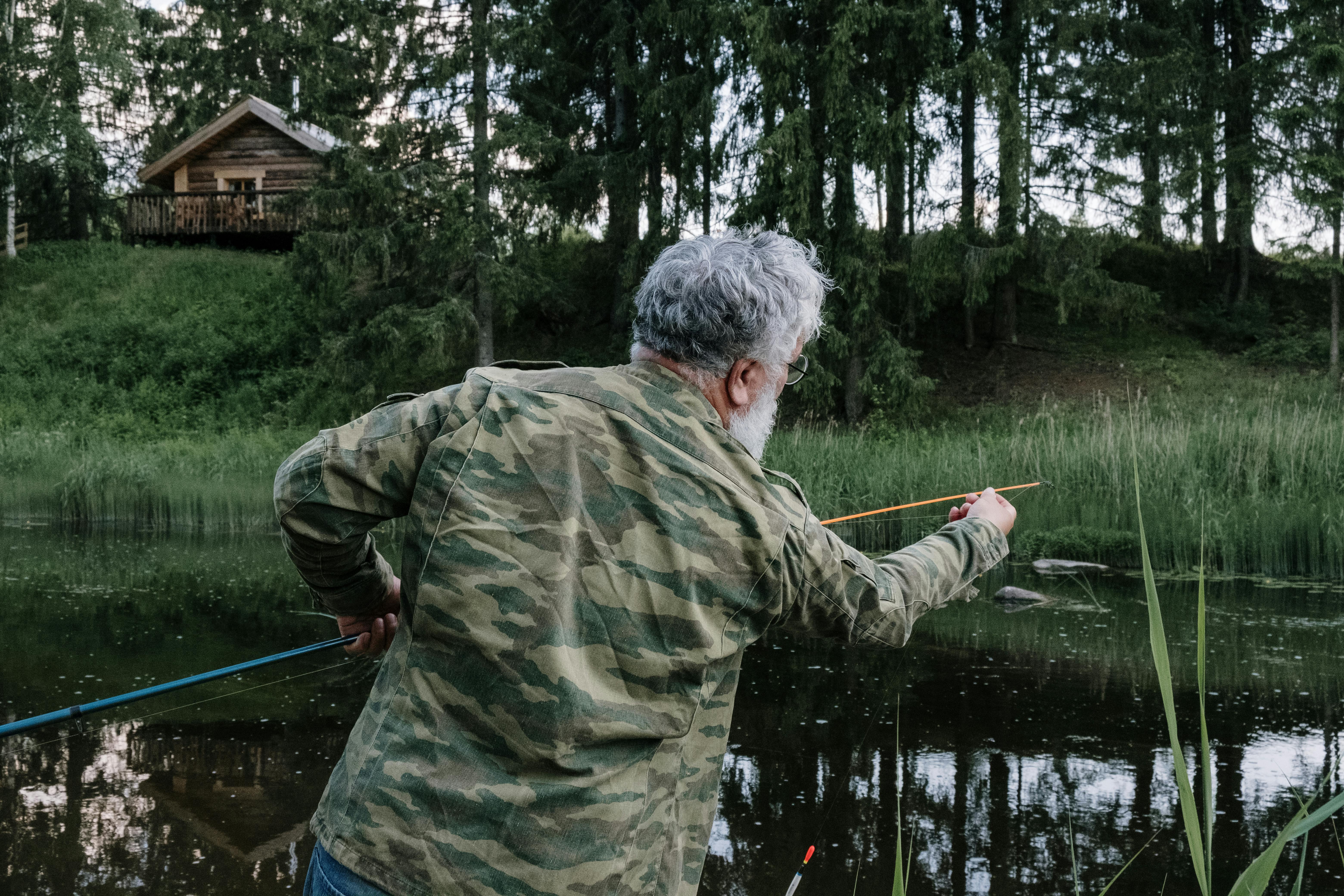
Pack foods alone could not solve every dietary problem. Hunters and fishers supplemented camp rations with moose, caribou, ptarmigan, hare, and waterfowl when they could get them. Fish, especially salmon, grayling, trout, and whitefish, were among the most valuable local foods because they could be eaten fresh, dried, or frozen for later use.
This is where Indigenous knowledge was essential. Long before the gold rush, First Nations communities in the Yukon and neighboring regions had developed sophisticated ways to harvest, preserve, and travel with local foods. Their expertise included seasonal fishing practices, drying methods, the use of berries, and an understanding of where game could be found.
Many newcomers benefited directly or indirectly from this knowledge, though the contributions were not always properly acknowledged at the time. Indigenous trade networks, guiding, and practical instruction helped some stampeders avoid starvation and better understand the land's rhythms. In a harsh northern environment, local food knowledge was not a cultural footnote. It was survival knowledge.
These local foods also improved nutrition. Fresh or dried fish and wild meat supplied protein, fats, and micronutrients missing from many imported staples. Berries, when available, added vitamin-rich variety that store-bought rations often lacked.
Camp cooking was simple, repetitive, and shaped by hard labor
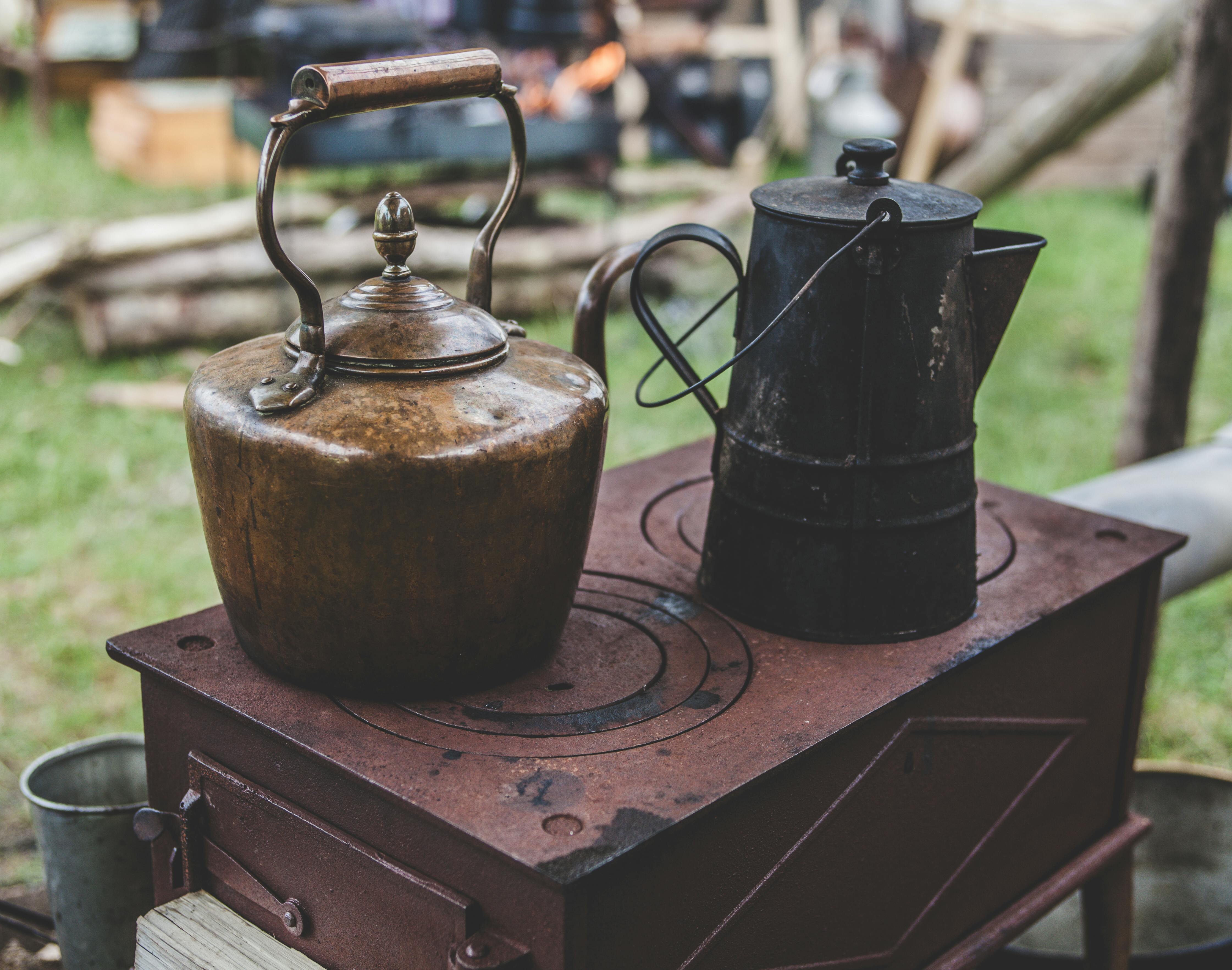
A Klondike kitchen was usually a stove, a pot, a frying pan, and whatever ingredients had not run out. Meals were plain because they had to be. The people cooking were often exhausted, fuel had to be conserved, and ingredients were too valuable to waste on elaborate preparation.
Breakfast commonly meant porridge, flapjacks, bread, bacon, and tea. Dinner and supper often revolved around beans, stews, fried salt pork, or simple soups thickened with flour. If someone had canned goods, dried fruit, or fish from a recent catch, the meal improved. But many camps settled into a narrow menu repeated day after day.
Food costs made that monotony worse. In Dawson during the height of the rush, prices could be astonishingly high because every item had traveled enormous distances by ship, trail, riverboat, or sled. Eggs, butter, and fresh milk could become luxuries. Potatoes and onions, when available, were prized not just for flavor but for their rarity.
Nutrition suffered under these constraints. The heavy reliance on refined flour, cured pork, sugar, and tea provided energy but not balance. Yet this diet also shaped the culture of the Yukon, rewarding thrift, improvisation, and endurance. People learned to stretch ingredients, value freshness when it appeared, and judge a camp partly by the quality of its bread and stew.
Food supply challenges shaped health, work, and everyday Yukon life
The Klondike was a place where logistics ruled the table. A missed shipment, an early freeze, poor trail conditions, or river delays could change what a person ate for weeks. In that sense, food was inseparable from geography. Distance from southern markets made every meal part of a larger transportation story.
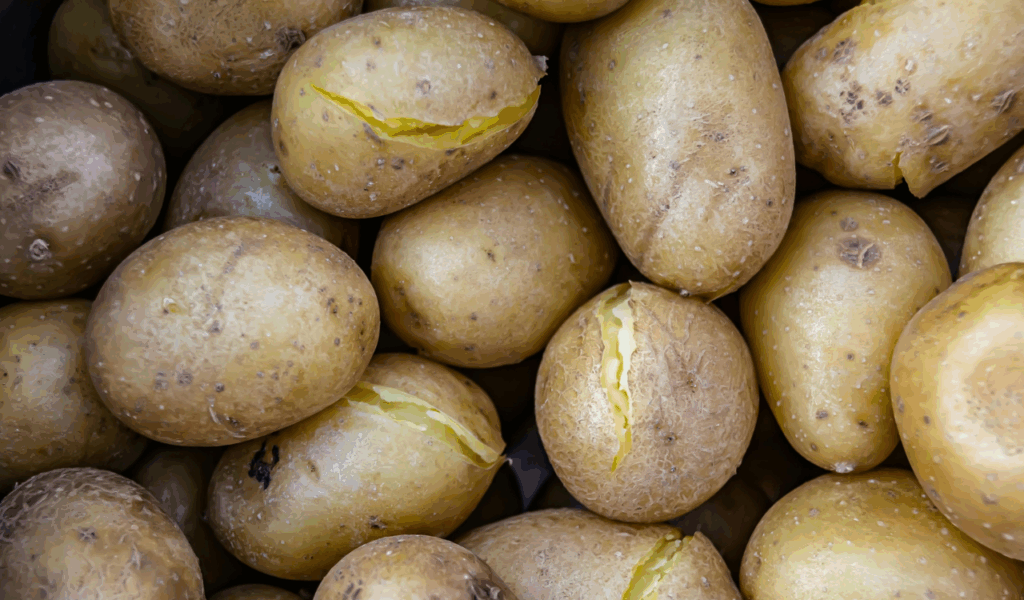
Health was directly tied to what supplies reached camp. Workers digging paydirt in frozen ground needed immense daily energy, and a poor diet could quickly reduce strength and morale. Scurvy was a known danger in northern regions when fresh foods disappeared, which is one reason potatoes, onions, berries, and fresh meat were so valued whenever they could be obtained.
The food system also reinforced inequality. Well-financed operators, merchants, and successful claim owners could buy more variety, while many ordinary stampeders lived on the cheapest filling staples they could manage. A person's table often reflected their prospects, their planning, and their place in the camp economy.
In the end, the Klondike diet tells a larger story about life in the Yukon. It was a cuisine of distance, preservation, labor, and adaptation. Canadians in the gold rush ate what the trail allowed, what the cold preserved, and what experience taught them to value, and those choices shaped the rhythm of northern life as much as the search for gold itself.




Leave a Reply