Brunch is still beloved in Canada, but sticker shock has changed what ends up on the table. As restaurant tabs climb with higher food, labour, and rent costs, many Canadians are choosing cheaper, filling alternatives that still feel like a treat. From homemade egg breakfasts to bakery runs and freezer shortcuts, these are the brunch swaps showing up across the country.
Eggs and Toast Made at Home
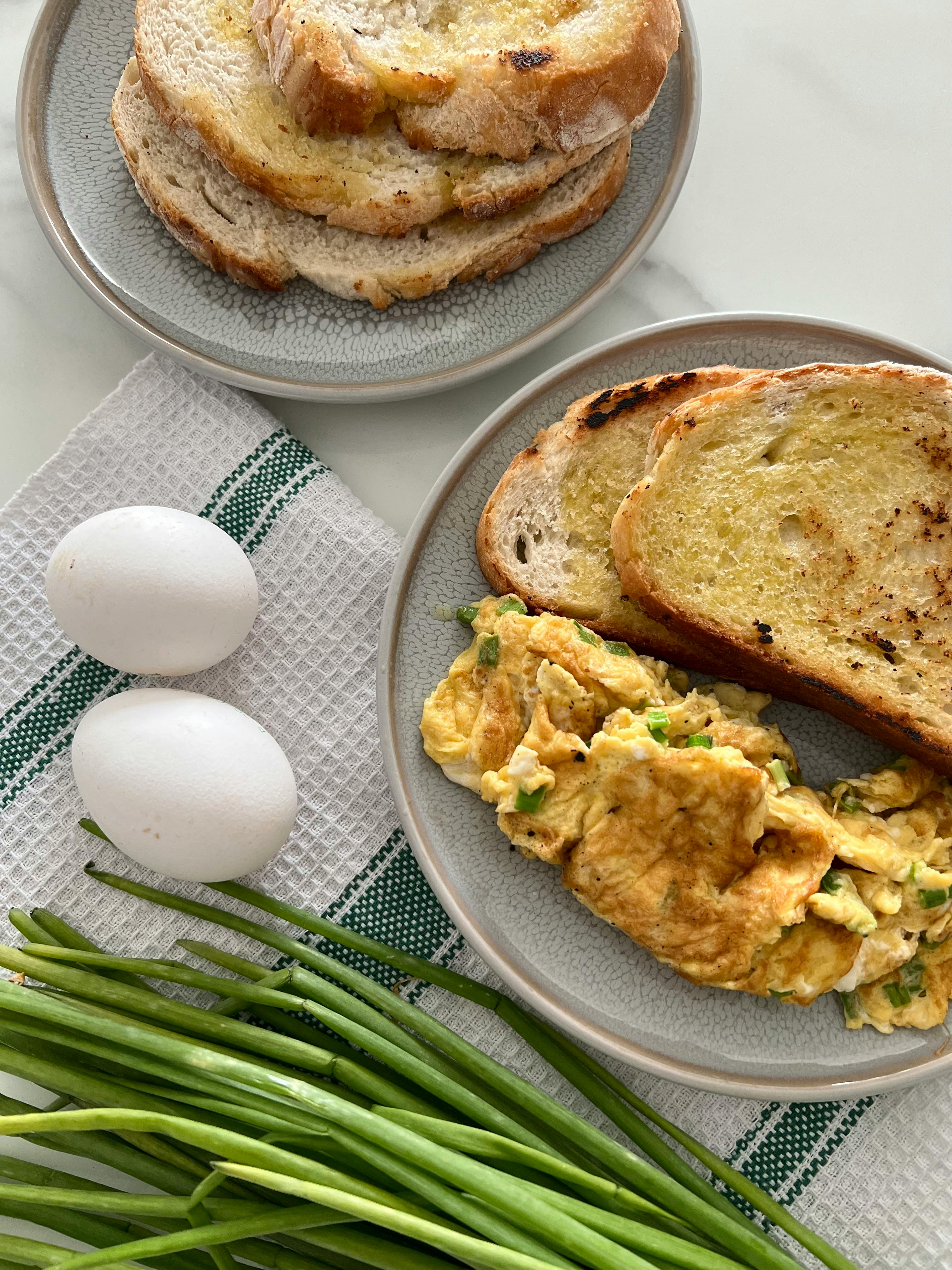
The most obvious brunch replacement is also the most reliable one. Canadians are leaning on simple egg breakfasts at home because they deliver the same comfort as a diner plate without the markup for table service, drinks, and tips. A few eggs, good bread, and coffee can feed several people for less than the cost of one restaurant entrée in many cities.
This option also works because it is flexible. Fried eggs with sourdough, scrambled eggs with cheese, or a quick omelet with leftover vegetables all feel familiar and satisfying. When grocery prices are under pressure, eggs and toast remain one of the easier ways to build a warm weekend meal that still feels like brunch.
Breakfast Sandwiches from Local Cafés
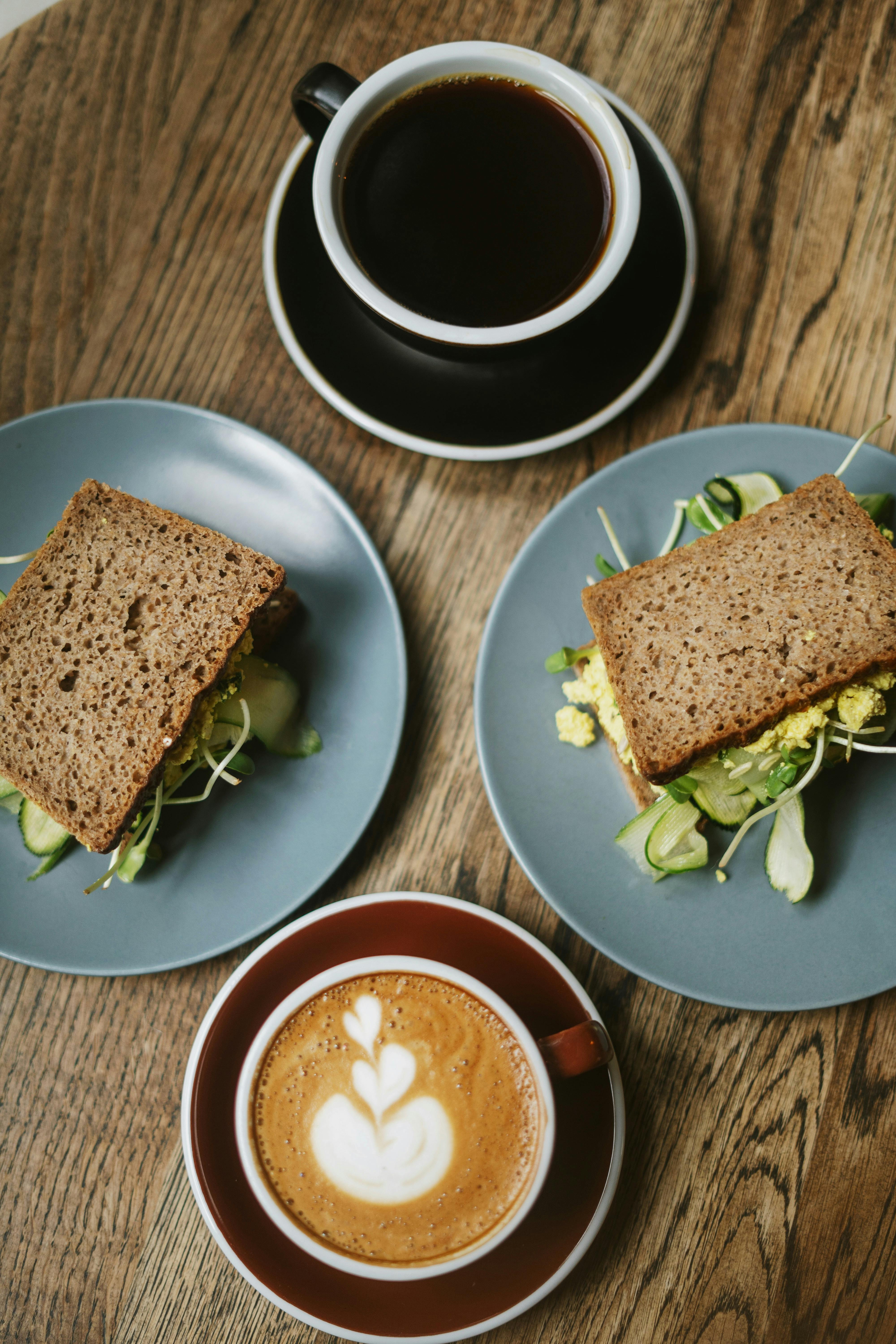
For many people, the replacement for full-service brunch is not skipping breakfast out altogether. It is downsizing to a breakfast sandwich from a café or coffee shop instead of ordering a plated meal with potatoes, juice, and another round of coffee. The result is a faster, cheaper outing that still feels like a weekend ritual.
These sandwiches hit the same notes people want from brunch: eggs, bacon or sausage, melted cheese, and something warm in hand. In cities where brunch lineups are long and menu prices keep rising, a handheld breakfast has become the practical middle ground. It offers convenience, flavour, and a smaller bill, which matters more as household budgets tighten.
Frozen Waffles and Pancakes with Toppings

Some of the strongest brunch substitutes start in the freezer aisle. Frozen waffles and pancakes have become an easy answer for households that want a weekend breakfast experience without measuring batter, waiting for a table, or paying restaurant prices for flour-based basics. They are quick, predictable, and easy to dress up.
What makes them feel brunch-worthy is the topping strategy. Canadians are adding yogurt, berries, maple syrup, nut butter, or whipped cream to turn a simple toaster breakfast into something that looks more special. With fruit prices and restaurant markups both in play, this kind of semi-homemade meal offers control over cost while still giving families the sweet, indulgent feel they associate with brunch.
Bagels with Cream Cheese and Smoked Salmon

When Canadians want brunch to feel a little elevated, many are building it around bagels. A bagel with cream cheese, tomatoes, cucumbers, or smoked salmon gives off the same polished café energy as a restaurant plate, but it is usually much cheaper when assembled at home. It feels like a treat without requiring a large tab.
This choice is especially appealing because it balances convenience and variety. One pack of bagels can stretch across several meals, and toppings can be adjusted depending on budget. If smoked salmon feels expensive, people swap in sliced egg, herb cream cheese, or even canned fish. The format still feels fresh, filling, and weekend-appropriate, which is a big part of brunch's appeal.
Rotisserie Hash with Leftovers

One smart brunch move starts with last night's dinner instead of a brunch menu. Canadians are turning leftovers into breakfast hash by crisping potatoes in a pan and adding bits of rotisserie chicken, roast vegetables, or leftover ham. Top it with an egg and it suddenly feels like the kind of hearty skillet dish a restaurant would charge much more for.
This swap makes financial sense because it cuts waste while stretching ingredients already in the fridge. It also suits the way many households cook now, using one prepared item such as rotisserie chicken across several meals. Hash is forgiving, filling, and easy to customize, which makes it a natural answer when people want a satisfying brunch without buying a lot of new ingredients.
Bakery Pastries and Coffee at Home

Sometimes the replacement for restaurant brunch is not cooking more. It is buying one or two good pastries from a neighbourhood bakery and pairing them with coffee at home. That small shift gives people the pleasure of a special morning without the added cost of restaurant service, drinks, and a full menu order.
Croissants, danishes, muffins, and savoury buns work because they feel indulgent but remain manageable as a one-time purchase. In many communities, supporting a local bakery can still cost less than sitting down for brunch, especially for couples or families. The experience is simpler, but that is part of the appeal. Canadians are finding that a well-made pastry and a quiet kitchen table can deliver the same weekend mood.
Yogurt Bowls with Fruit and Granola

Not every brunch replacement is heavy. Yogurt bowls have become a common option for Canadians who want something fresh, cheaper than eating out, and easy to assemble with whatever fruit is available. A bowl of yogurt topped with granola, bananas, berries, seeds, or a drizzle of honey can feel polished without requiring much time or money.
This choice also reflects the way many people are balancing cost with health goals. Restaurant brunch can quickly turn into a high-priced plate built around fried sides and oversized portions. At home, yogurt bowls offer more control and less waste. They also scale well, whether it is one person making a quick meal or a family setting out toppings so everyone can build their own version.
Dim Sum, Dosas, and Other Midday Alternatives

A growing number of Canadians are replacing standard brunch fare altogether and choosing other midday meals that offer better value. Dim sum, dosas, congee, breakfast wraps, and other culturally familiar dishes can provide the same social, leisurely weekend feeling as brunch, often with more variety and a lower price per person.
This shift says a lot about how the meal is evolving. For many diners, brunch is less about eggs Benedict than it is about gathering late in the morning and sharing food. When classic brunch becomes too expensive, people do not necessarily give up the outing. They simply redirect it toward places and dishes that feel generous, satisfying, and more realistic for the budget.