
Lunch says a lot about a workday. In Canada, the meals people pack often reflect weather, schedules, storage options, and the simple need to eat well without wasting time or money.
Truckers pack for distance, timing, and fuel
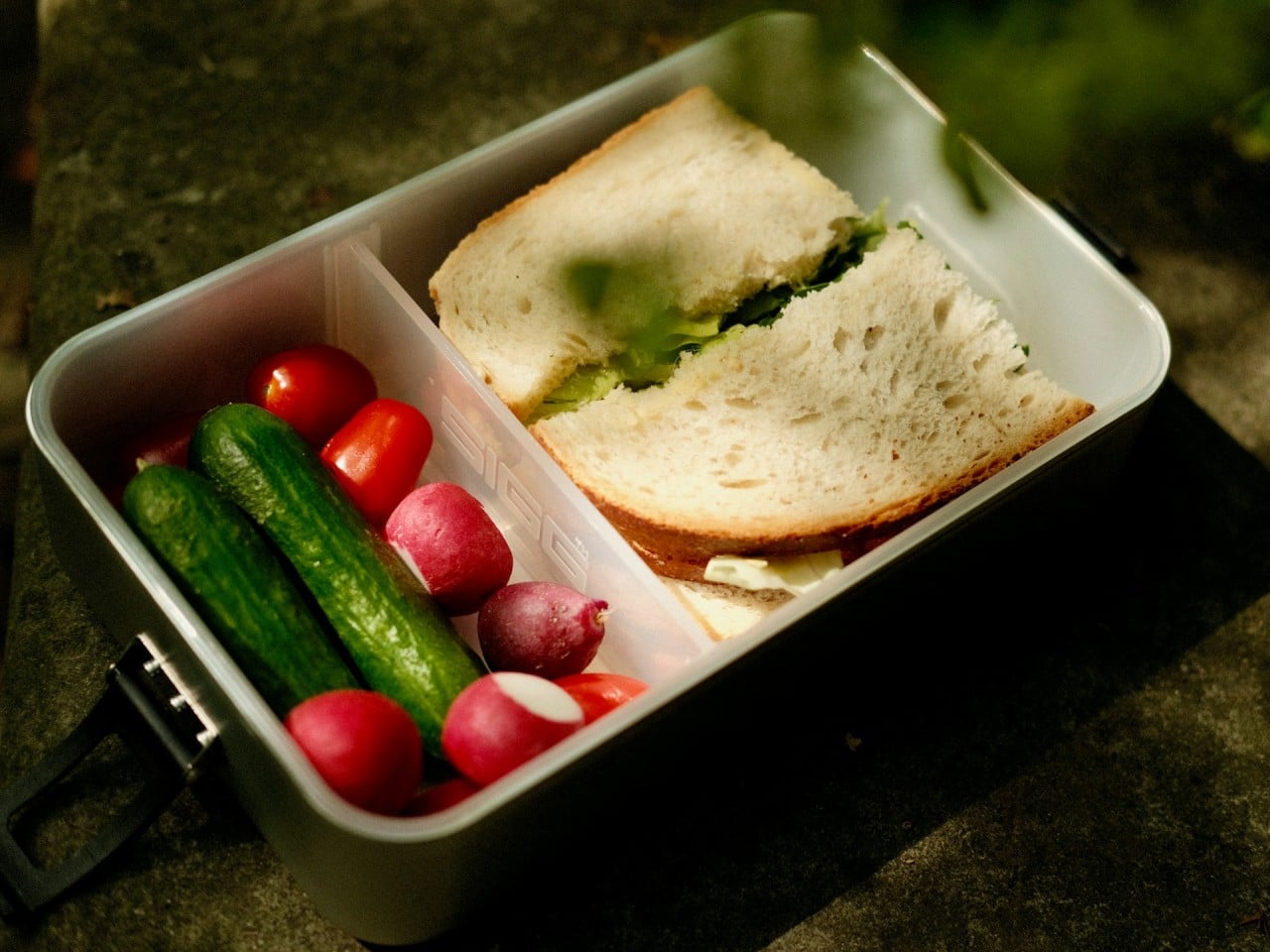
For many Canadian truckers, lunch is less about a formal break and more about dependable fuel between long stretches of driving. What goes into the cooler has to survive hours on the road, changing temperatures, and irregular stop times.
That is why sandwiches remain a staple. Turkey, ham, egg salad, tuna, and peanut butter alternatives are common because they are compact, affordable, and easy to eat at rest stops. Wraps are also popular since they hold together better and create less mess in the cab.
Truckers also tend to bring sturdy snacks that stretch across the day. Think hard-boiled eggs, cheese, beef jerky, mixed nuts, apples, bananas, and protein bars. According to industry reporting on life on the road, many drivers try to avoid relying entirely on gas-station food because costs add up quickly and choices can be heavy on sodium and sugar.
A typical trucker lunch in Canada often includes a thermos of coffee, a packed sandwich or wrap, cut vegetables, and something filling like pasta salad or leftover roast chicken. Many also use 12V lunch boxes or compact coolers, which has made reheated homemade meals more realistic than they were a decade ago.
Nurses choose speed, portability, and comfort
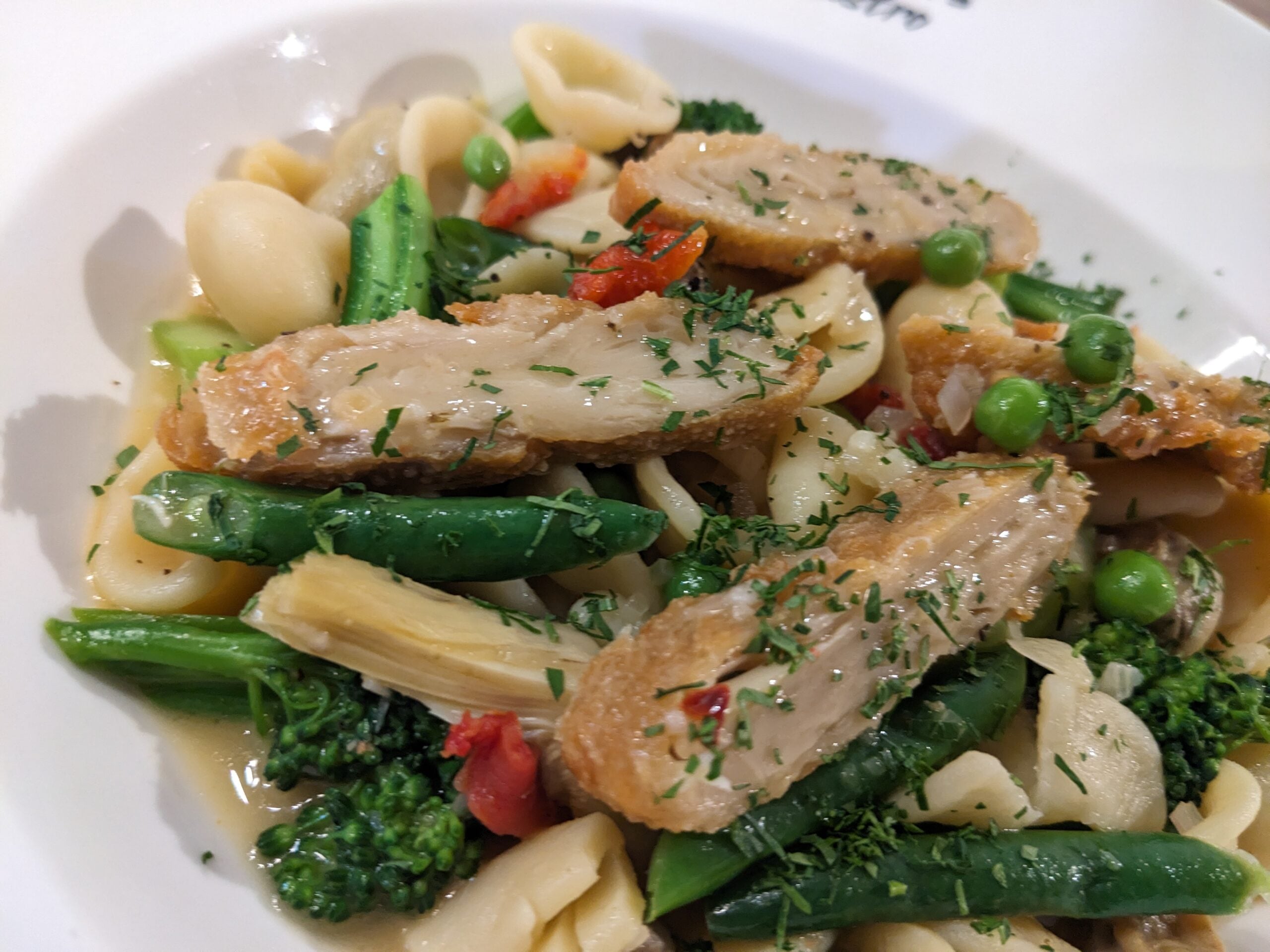
A nurse's lunch is built around uncertainty. Breaks can shift, get shortened, or happen later than planned, so packed food usually needs to be quick to eat, easy to store, and satisfying enough to carry someone through a demanding shift.
This is one reason meal-prepped bowls are so common. Rice with chicken, quinoa with roasted vegetables, pasta with lean protein, or lentil-based dishes work well because they can be eaten fast and reheated in minutes. Soups are another favorite, especially in colder provinces, though they depend on microwave access and spill-proof containers.
Nurses also pack foods they can eat in pieces if a full break disappears. Yogurt, berries, crackers, hummus, string cheese, overnight oats, and chopped vegetables fit this pattern. A 2024 study on healthcare shift work and eating habits found that workers often favor meals that balance protein and carbohydrates because those combinations help with satiety during long clinical hours.
Comfort matters too. Many nurses bring leftovers from dinner, especially chili, curry, stew, or baked pasta. These meals are economical, familiar, and filling, which is exactly what many hospital workers want after hours spent on their feet.
Teachers often rely on leftovers and easy assembly
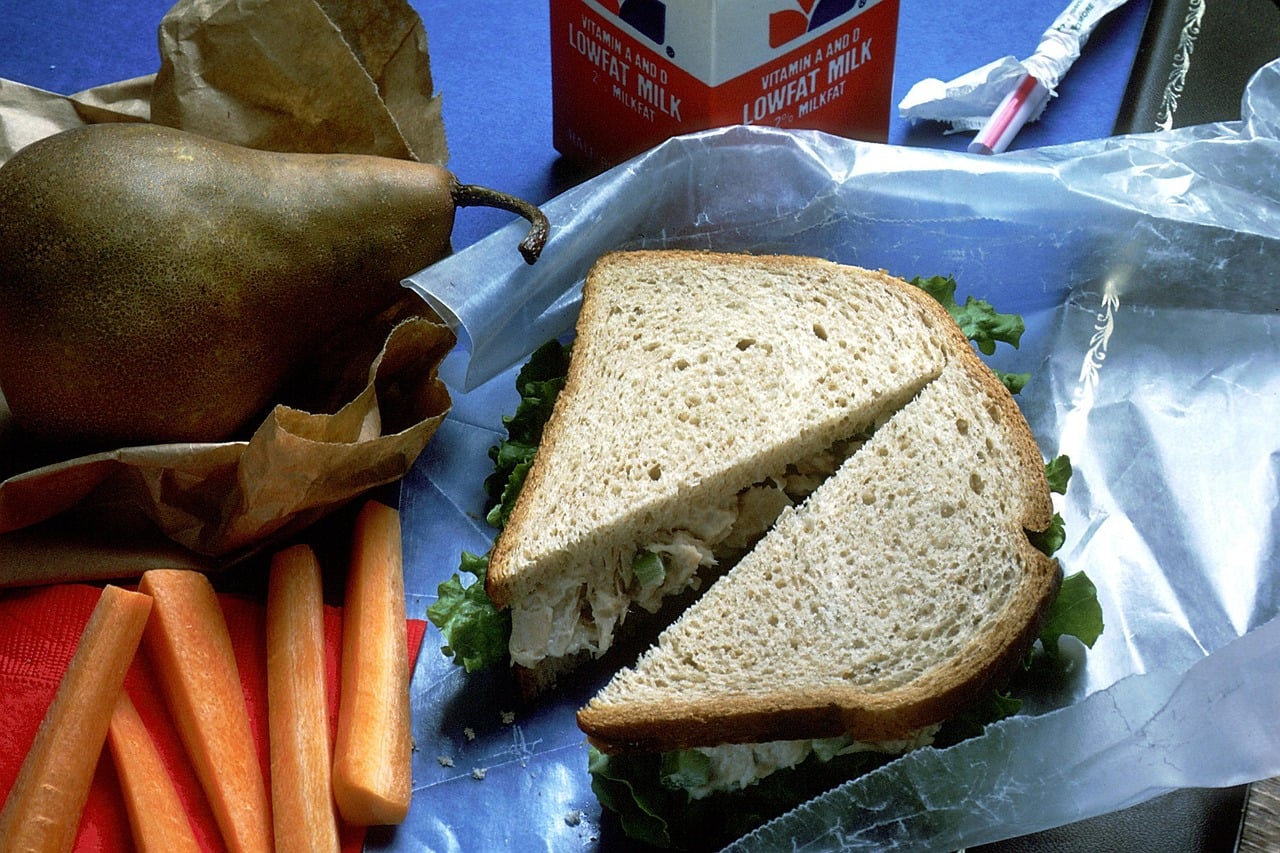
Teachers pack with a different kind of pressure. Their day is scheduled tightly, but lunch periods are often short and interrupted by supervision, meetings, or prep tasks, so meals have to be simple without feeling repetitive.
Leftovers are arguably the teacher classic. Stir-fries, pasta, casseroles, grain bowls, and homemade soups show up often because they save money and reduce weekday decision-making. Many teachers are regular meal planners by necessity, and lunch is usually part of the previous night's dinner strategy.
Cold lunches are also very common in schools, especially where staff-room microwaves are limited or lineups are long. That is where salads with chicken, chickpeas, tuna, or boiled eggs come in. Add a bun, fruit, and a small treat, and it becomes a practical midday meal that feels complete.
Teachers also tend to pack quietly portable items. Muffins, trail mix, sliced peppers, yogurt cups, and tea travel well and fit into busy school routines. Compared with truckers and nurses, teachers are often balancing convenience with budget just as much as hunger.
The job shapes the lunch more than personal taste
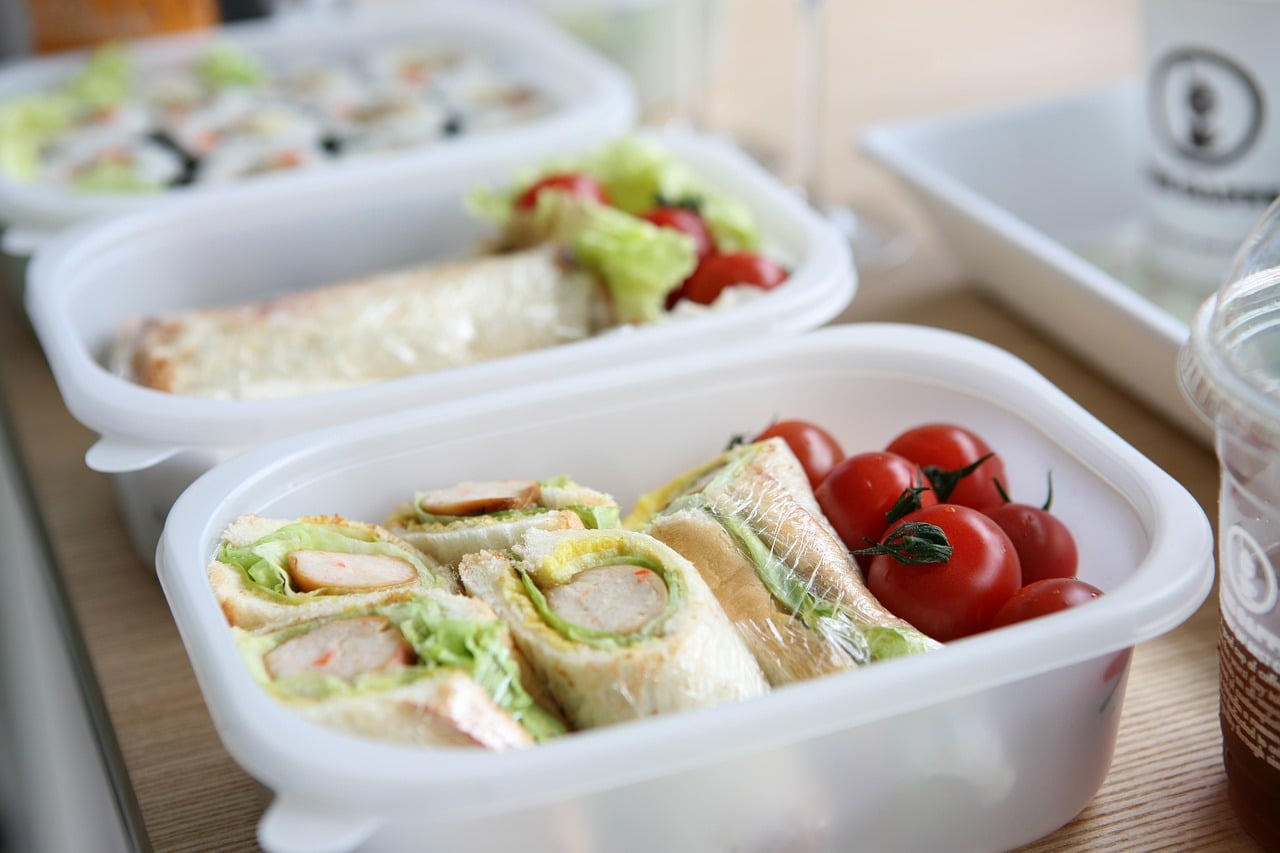
What these three professions have in common is not a single menu but a shared need for reliability. Lunch is rarely packed around culinary ambition. It is packed around what will still taste good at 1 p.m., survive transport, and provide steady energy.
Truckers need food that can last in a cab and be eaten on the move when necessary. Nurses need meals that can be paused, reheated quickly, or finished in stages. Teachers need lunches that fit into short breaks and school environments where time and equipment may be limited.
Canadian climate also plays a role. In winter, warm foods like soup, chili, shepherd's pie leftovers, and pasta become more attractive across all three groups. In warmer months, wraps, pasta salads, cut fruit, and chilled grain bowls appear more often because they travel well and feel lighter.
The pattern is clear: the more unpredictable the workday, the more practical the lunch becomes. Taste still matters, but function usually comes first.
Cost, nutrition, and routine drive common choices
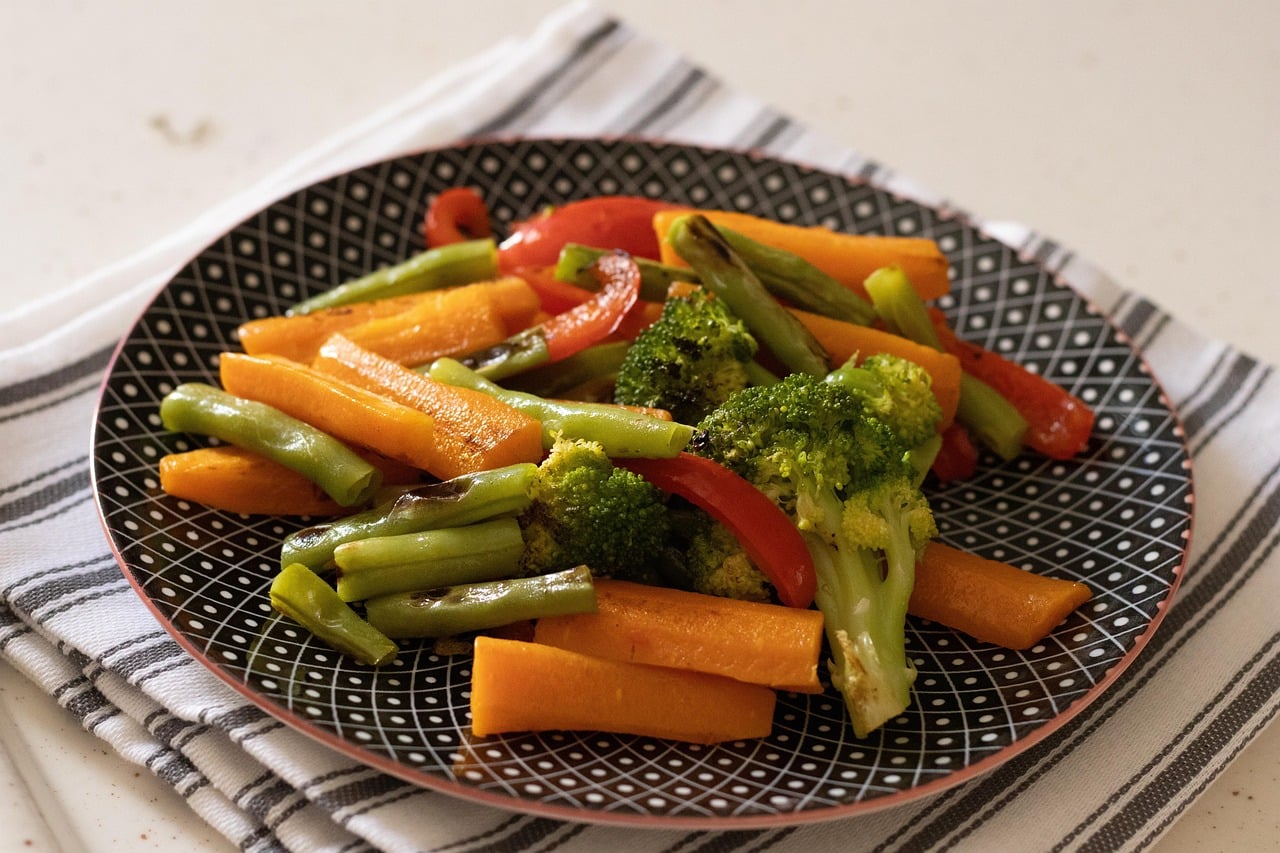
Food inflation has pushed more Canadian workers toward meal prep, leftovers, and bulk staples. Items like rice, oats, eggs, canned tuna, beans, pasta, frozen vegetables, and rotisserie chicken continue to anchor packed lunches because they deliver value without much planning complexity.
Nutrition is another strong influence. Dietitians often recommend combining protein, fiber, and complex carbohydrates in work lunches to help support fullness and stable energy. In practice, that looks like chicken and rice, bean chili, egg sandwiches, Greek yogurt with fruit, or hummus with vegetables and pita.
Routine matters just as much as price or health. People in physically or emotionally demanding jobs often repeat what works. If a certain wrap, soup, or grain bowl holds up well, tastes good cold or reheated, and keeps hunger away, it tends to become a regular part of the weekly rotation.
That is why packed lunches can seem modest. They are not designed to impress. They are designed to perform.
Which one is yours?
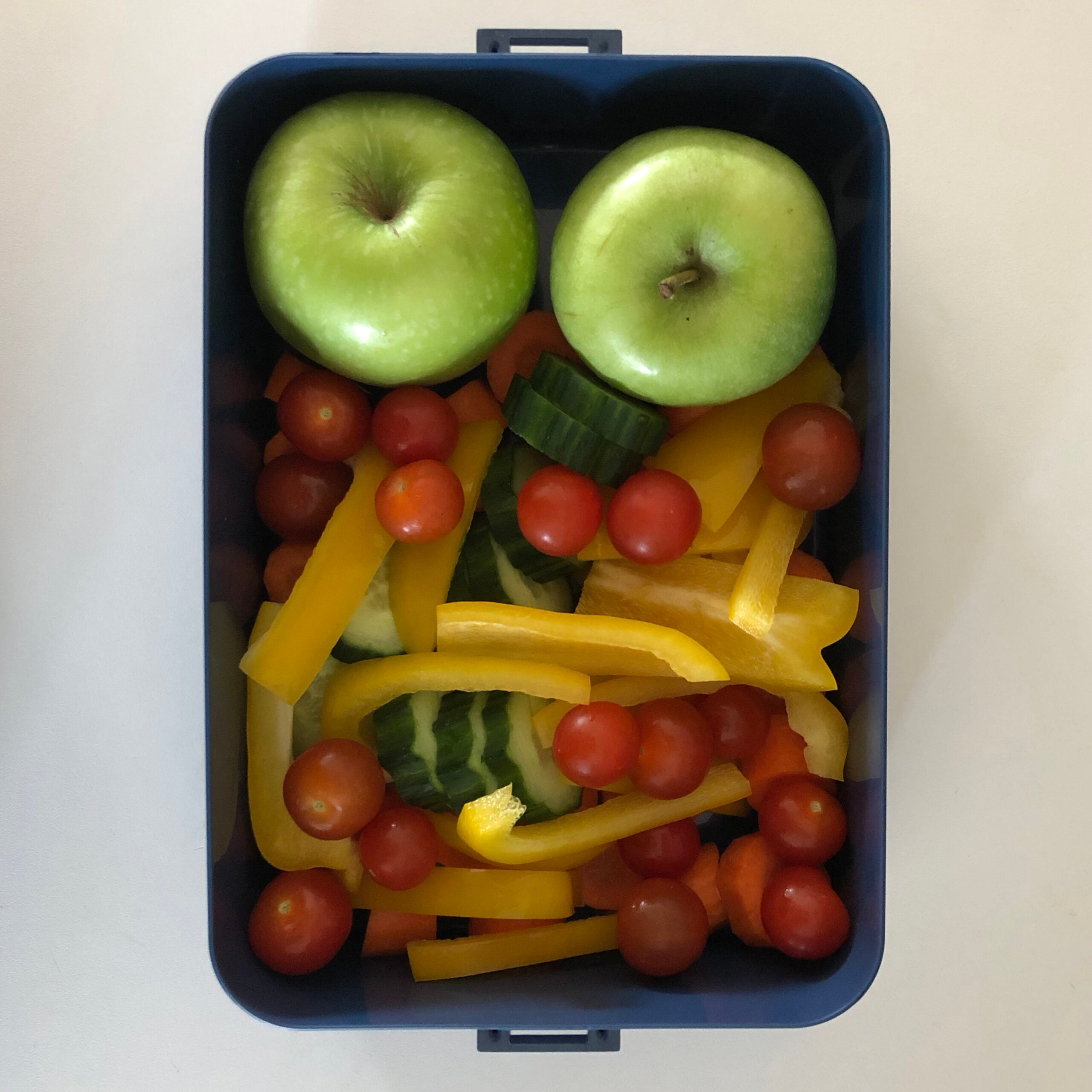
If your ideal lunch is a sturdy sandwich, road-ready snacks, and coffee in a thermos, you may lean trucker in your eating style. You probably value durability, convenience, and food that works anywhere.
If you prefer a reheatable bowl, a protein-rich snack, and something comforting like soup or leftovers, the nurse approach may sound familiar. It suits people who need flexibility and dependable energy more than a long leisurely meal.
If leftovers, salads, muffins, and easy-to-pack sides feel most realistic, you may be closest to the teacher pattern. That style works well for anyone managing a busy schedule, a budget, and a short lunch break.
In truth, many Canadians borrow from all three. The best packed lunch is usually the one that matches your day, keeps you full, and makes tomorrow easier than today.



Leave a Reply