
One look at a foil-wrapped table or a stack of paper plates is enough to send many Canadians straight back to childhood. In the 1980s, birthday party food was practical, affordable, brightly packaged, and unforgettable.
The cake was usually the main event
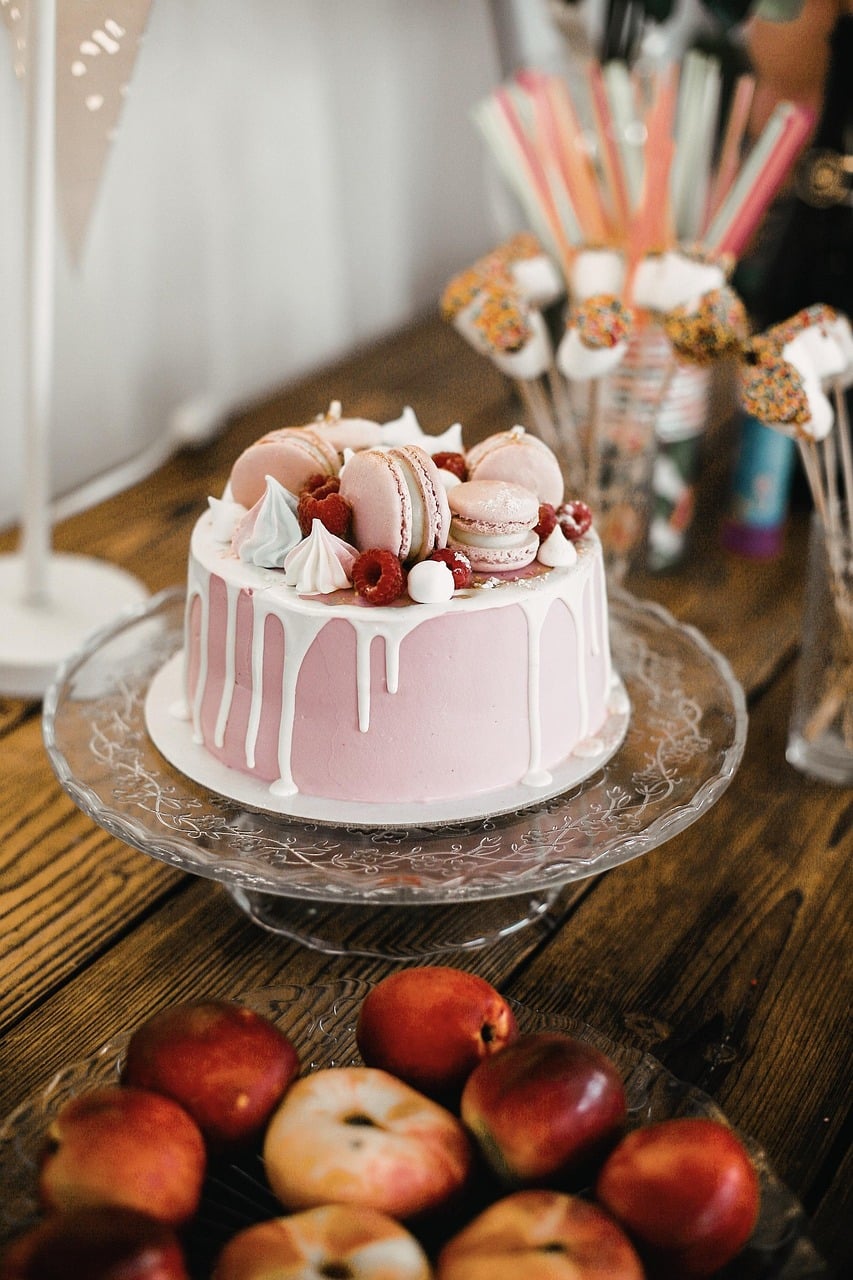
In many Canadian homes, the birthday cake was not a boutique centerpiece. It was a dependable supermarket classic, often a McCain Deep 'n Delicious cake or a slab cake ordered from the grocery bakery with thick icing roses and a name piped across the top in bright gel. These cakes mattered because they fed a room full of kids, survived rough transport, and delivered the rich sweetness children expected from a real party.
Parents in the 1980s were shopping for convenience as much as celebration. Frozen desserts and ready-made bakery cakes fit the era perfectly, especially in households balancing work, school schedules, and tight budgets shaped by recessionary pressures earlier in the decade. Across Canada, grocery chains expanded their prepared-food offerings, and birthday tables reflected that shift. A practical cake that could be bought quickly and served easily became part of the ritual.
There was also the matter of presentation. Candles sank into soft icing, cartoon decorations made instant sense, and every child knew the excitement of waiting while the birthday kid made a wish. Whether it was chocolate, marble, or vanilla with too-sweet frosting, the cake was less about sophistication and more about shared memory. For countless Canadian kids, that first sugary bite still defines what an '80s birthday tasted like.
Chips, Cheezies, and bowls no one could stop grabbing from
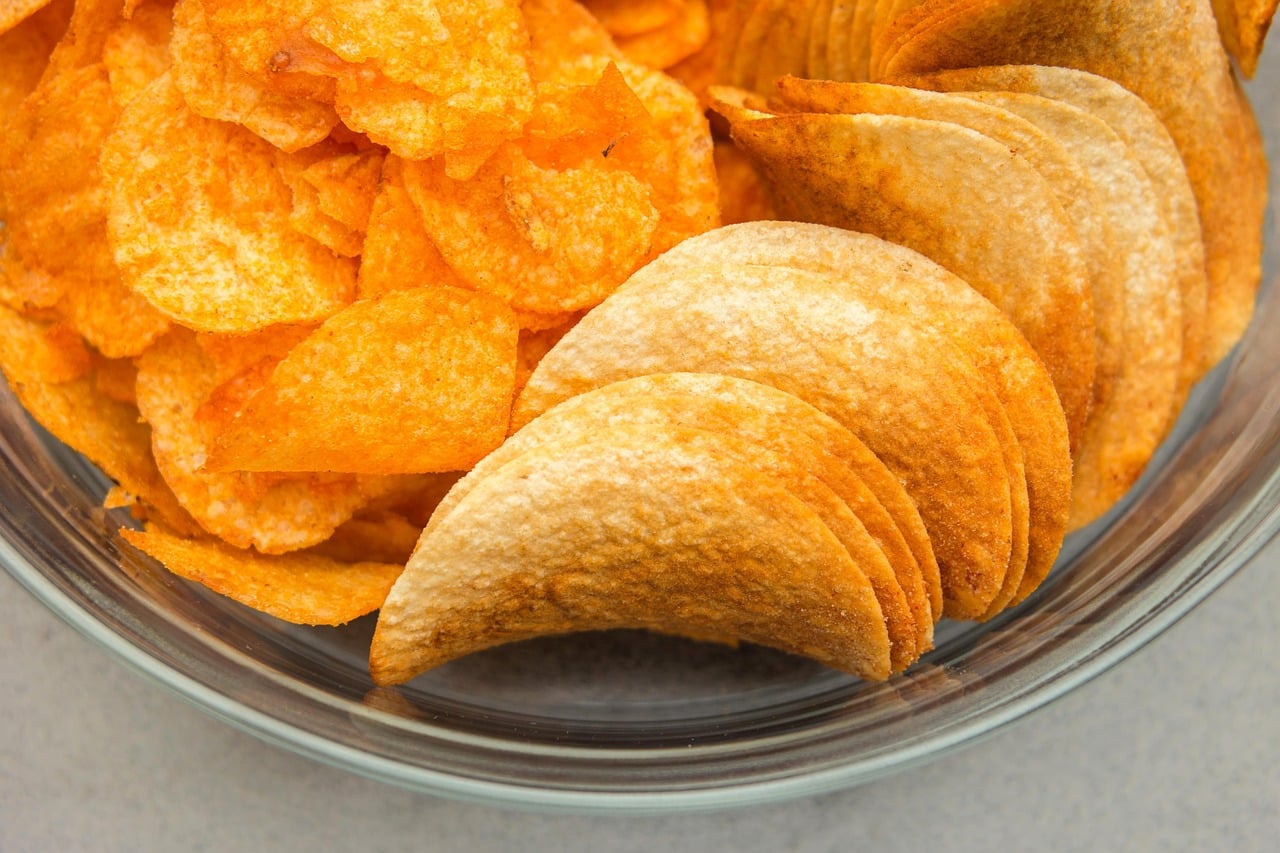
If cake was the finale, salty snacks kept the whole party moving. Canadian birthday tables in the '80s almost always featured bowls of chips, often in classic flavours like regular, barbecue, sour cream and onion, or ketchup. Ketchup chips, in particular, stood out as a deeply Canadian staple, their sharp seasoning leaving red dust on fingers and napkins alike. They were loud, messy, and exactly right for a room full of excited children.
Cheezies were another unmistakable presence. Unlike many lighter cheese snacks, Hawkins Cheezies had a denser crunch and a vivid orange coating that seemed designed to stain fingertips for the rest of the afternoon. Their status in Canada was especially strong because they were a homegrown product with broad national distribution and a flavour profile kids instantly recognized. They were less delicate than imported puffed snacks and somehow more satisfying at a party table.
These snacks also made sense for the adults hosting the event. They were inexpensive, shelf-stable, and easy to pour into large bowls without any preparation. In an era before highly curated party spreads became common, abundance mattered more than styling. A table filled with chips and Cheezies told kids they were free to roam, snack, laugh, and come back for more between games of musical chairs or blind man's bluff.
Hot dogs and pizza gave the party its real meal
At a certain point, many '80s birthday parties shifted from snacking to something more substantial. Hot dogs were a favourite because they were cheap, fast, and almost universally accepted by children. Served on soft white buns with ketchup, mustard, and maybe relish, they offered the kind of straightforward meal that worked for a noisy crowd. For home parties, they could be boiled or heated quickly without much fuss, which made them ideal for busy parents.
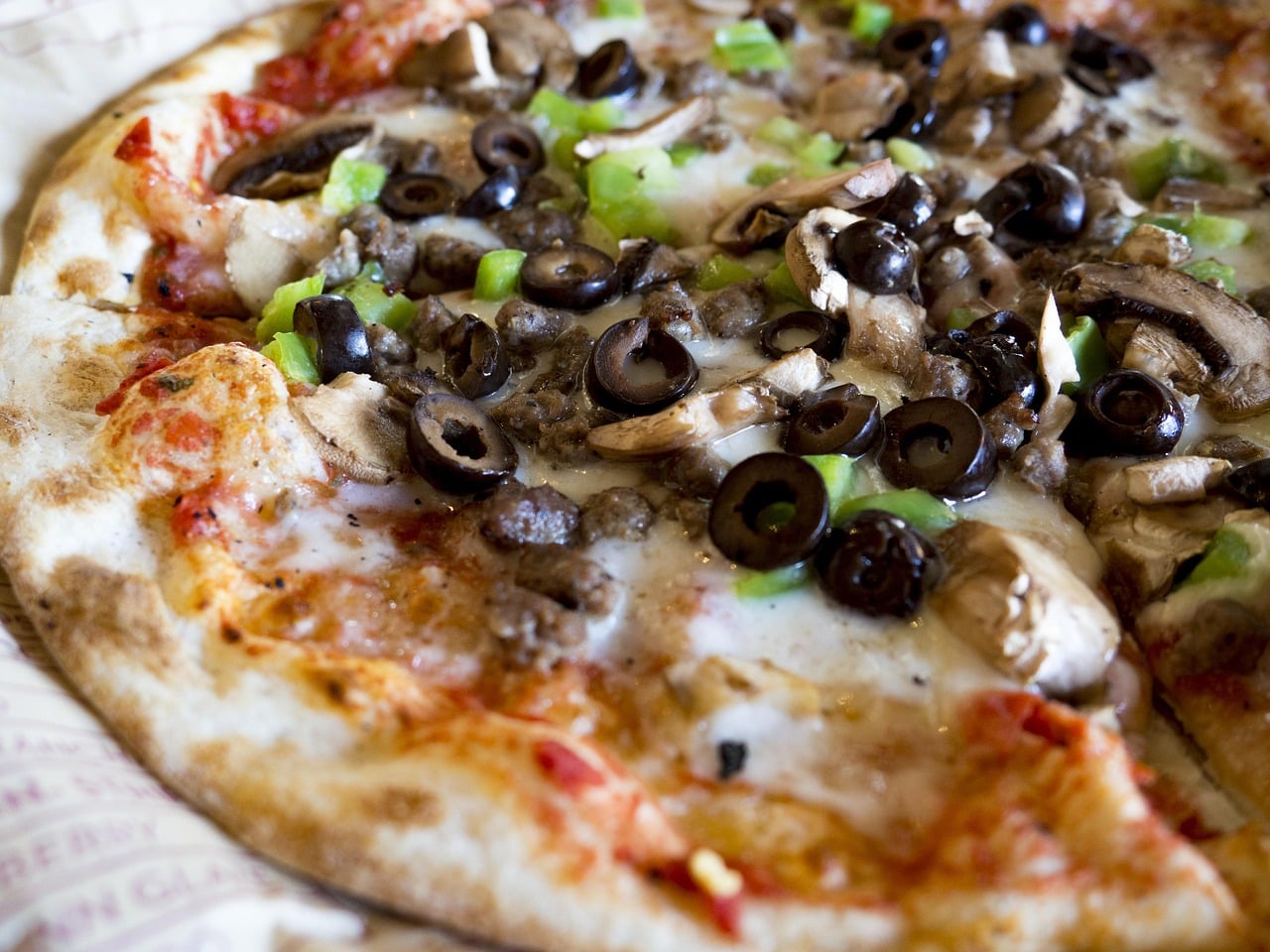
Pizza held equal power, especially as delivery culture grew in Canadian cities and suburbs during the decade. Chains and local parlours alike became party staples, and the standard order was usually plain cheese or pepperoni. The point was not culinary adventure. It was speed, familiarity, and enough slices to keep everyone full before cake, presents, and the inevitable sugar rush reached full force.
These foods also reflected how birthday expectations were changing. Earlier decades often leaned more heavily on homemade spreads, but by the 1980s convenience foods had become central to family entertaining. That did not make the meal less meaningful. In fact, for many children, a paper plate holding a hot dog or a floppy slice of pizza was the signal that the party had truly begun.
Pop, punch, and paper cups completed the table
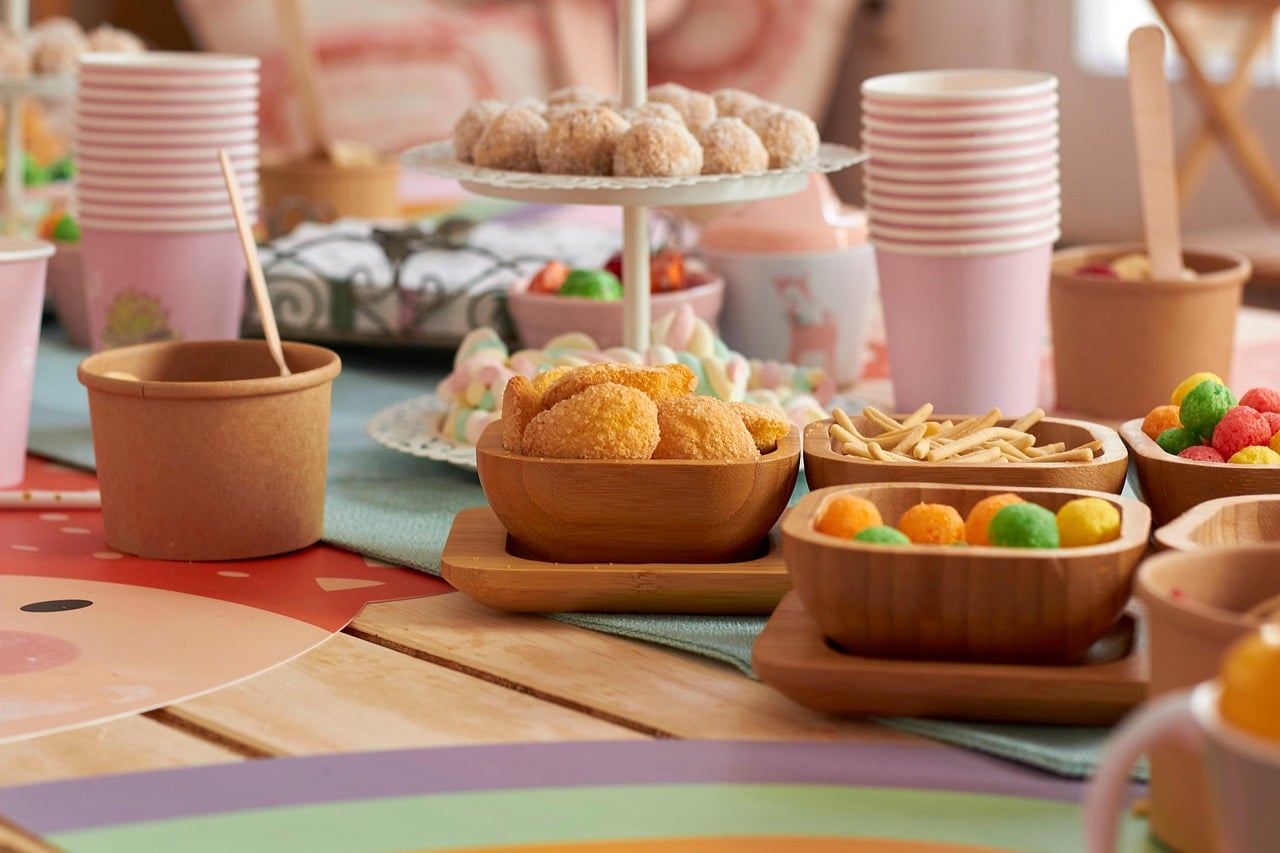
No Canadian kid's birthday party in the 1980s felt complete without a sugary drink. Bright orange pop, cola, lemon-lime soda, and sometimes grape were commonly poured into small paper cups that were easy to spill and impossible to forget. The flavours were intense, the carbonation was exciting, and the drinks were usually treated as a special occasion indulgence rather than an everyday item. That rarity helped make them memorable.
Fruit punch also had a firm place on many tables. Sometimes it came from powdered drink mixes, and sometimes from concentrated frozen cans mixed with water in a large plastic pitcher. Either way, it was sweet, colourful, and made in big batches for a crowd. For hosts, punch stretched the budget while still feeling festive, which mattered during a decade when family celebrations often had to stay simple and practical.
The visual effect mattered too. Rows of paper cups, sweating bottles, and a table covered in disposable party cloths created the unmistakable look of an indoor Canadian birthday, especially during long winters. These drinks were not chosen for nutrition or nuance. They were chosen because they felt celebratory, matched the food, and gave children one more reason to buzz with energy from the first game to the last goodbye.
Ice cream, Jell-O, and sweet extras pushed things over the top
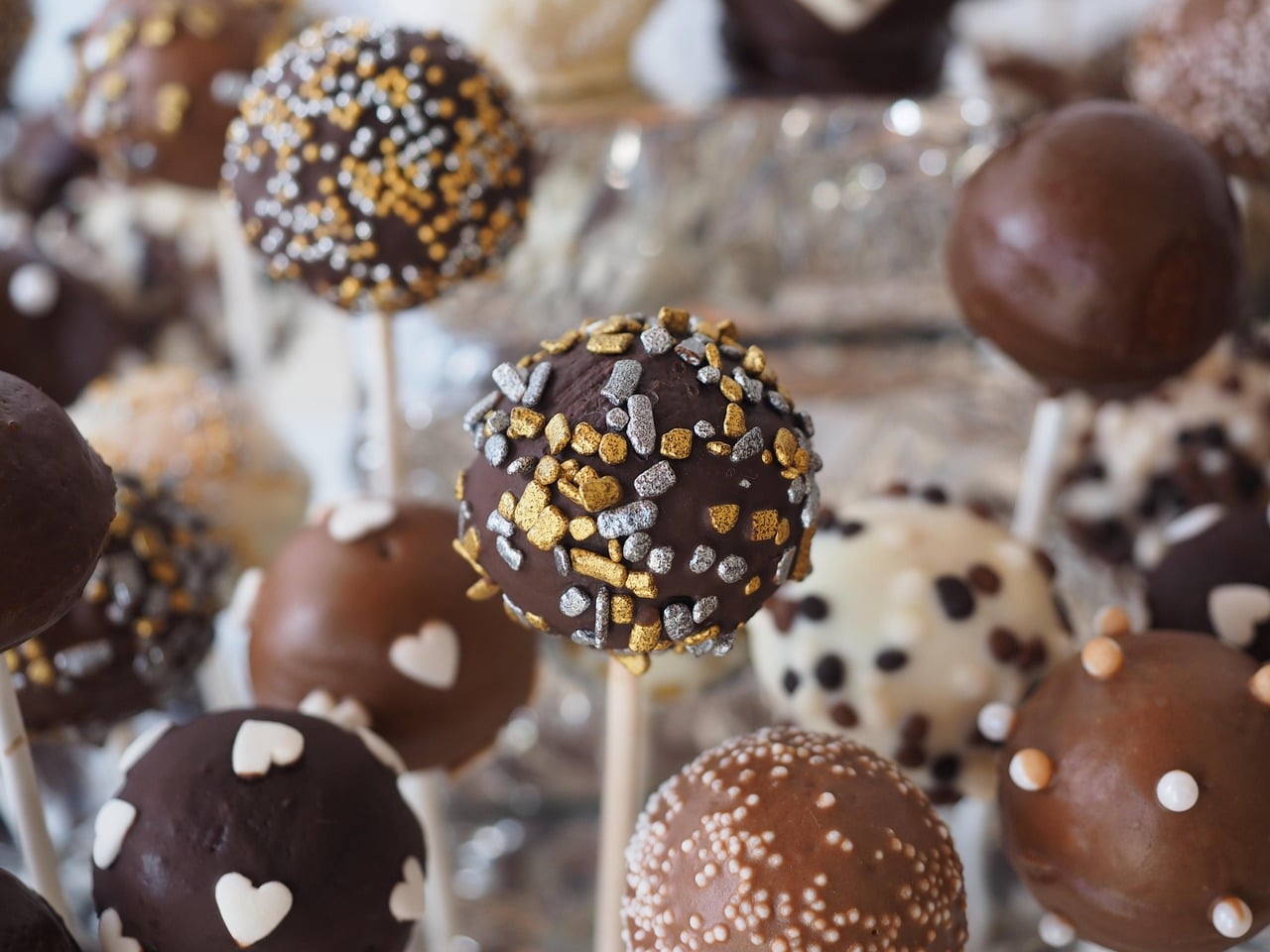
Some parties did not stop at cake. They added ice cream, often vanilla or neapolitan, scooped quickly before it melted across paper plates. That combination of cold ice cream and soft birthday cake was a standard treat in many homes because it felt generous without being complicated. It also allowed hosts to stretch dessert across a larger group, which was useful when cousins, classmates, and siblings all seemed to appear at once.
Jell-O and pudding cups also fit naturally into the dessert spread of the era. They were colourful, inexpensive, and strongly associated with family entertaining throughout North America in the late 20th century. In Canada, these sweets showed up at potlucks, holiday tables, and children's parties alike, making them familiar and dependable choices. Their appeal came from texture as much as flavour, especially for younger kids who loved wobbling, spoonable desserts.
Candy sometimes rounded everything out, whether scattered on the table, tucked into loot bags, or handed out after games. Rockets, lollipops, and small chocolate bars often played supporting roles rather than starring ones. Even so, they deepened the sense of excess that made birthday parties feel different from ordinary days. The menu was not refined, but it understood its audience perfectly.
What these foods say about Canadian childhood in the 1980s

These party foods were not random. They reflected a Canadian childhood shaped by suburban rec rooms, school friendships, televised advertising, and the growing influence of packaged convenience foods. They were affordable enough for ordinary families, familiar across provinces, and easy to serve in winter or summer. In that way, the birthday menu became a small cultural snapshot of the decade, showing what parents valued and what children loved.
There was also a distinctly Canadian texture to the spread. Ketchup chips, Hawkins Cheezies, grocery-store cakes, and practical buffet-style service set these parties apart from idealized magazine versions of entertaining. They were less polished, but often more real. The food was built around weather, budgets, and the need to feed active children quickly, all of which gave Canadian birthday traditions their own recognizable character.
Ask enough people who grew up in Canada during the 1980s and the same foods return again and again, almost like a shared national menu. That is why these items still trigger such instant nostalgia. They were not just things kids ate at parties. They were the tastes that framed friendships, family photos, basement games, and the happy chaos of being eight years old in Canada.


Leave a Reply