
That bottle of cooking oil sitting beside your stove may look perfectly fine, but its quality can change over time. Exposure to air, light and heat gradually breaks down the fats in oil, affecting its flavour and smell. Before using an older bottle in your next meal, a quick check can help you decide whether it's still worth keeping.
The Smell Test Is Your First Clue
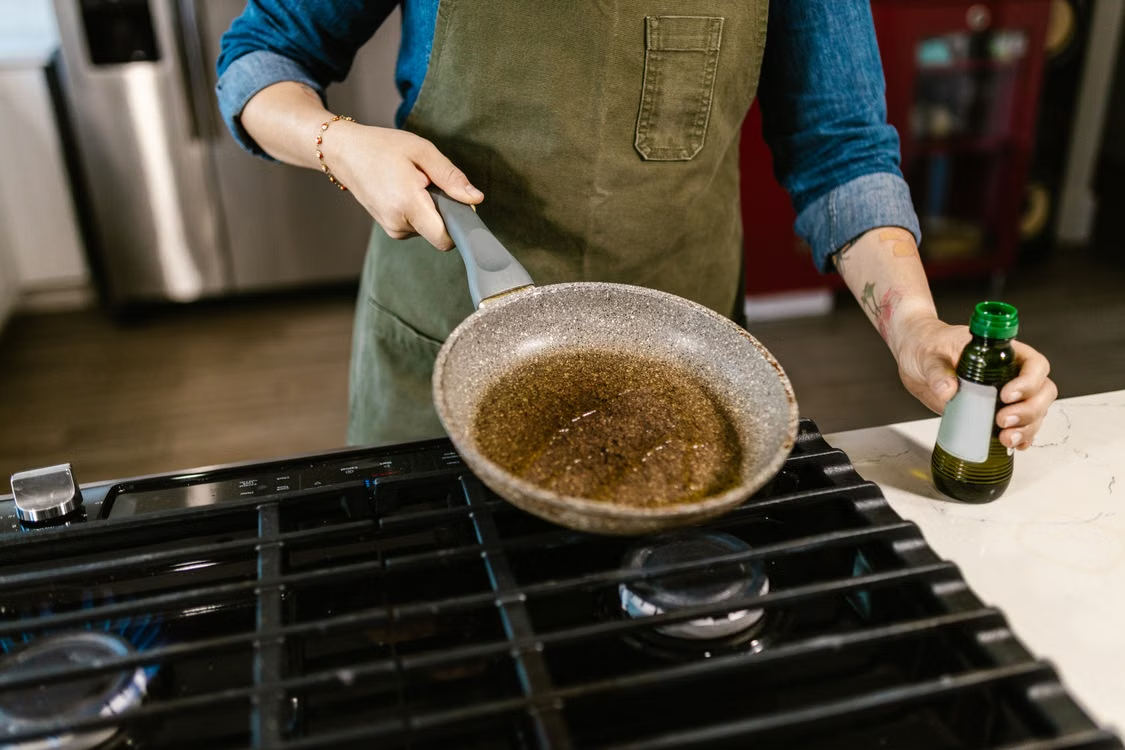
Pour a small amount of oil into a clean spoon or cup and give it a gentle sniff. Fresh cooking oil usually has a mild, neutral or characteristic aroma, depending on the type. If it smells like old paint, crayons, stale nuts, cardboard or has a sharp, unpleasant odour, it may have turned rancid. This is often the clearest sign that the oil's quality has deteriorated.
Check the Taste and Appearance Carefully
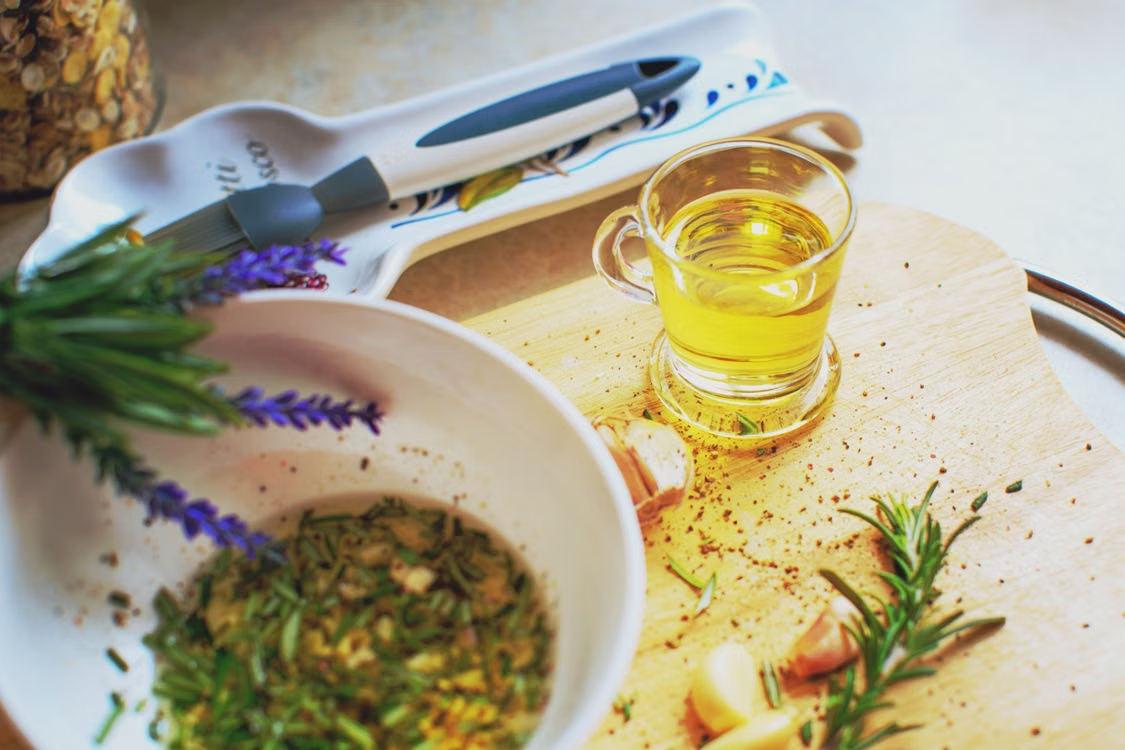
If the oil looks normal and has no suspicious smell, you can taste a tiny amount without swallowing it. Rancid oil may taste bitter, stale, metallic or unpleasantly sharp. However, colour alone is not a reliable indicator: some oils naturally darken or vary in shade, and rancid oil may not look obviously different. If the smell or taste seems off, don't use it.
How to Keep Your Cooking Oil Fresh Longer
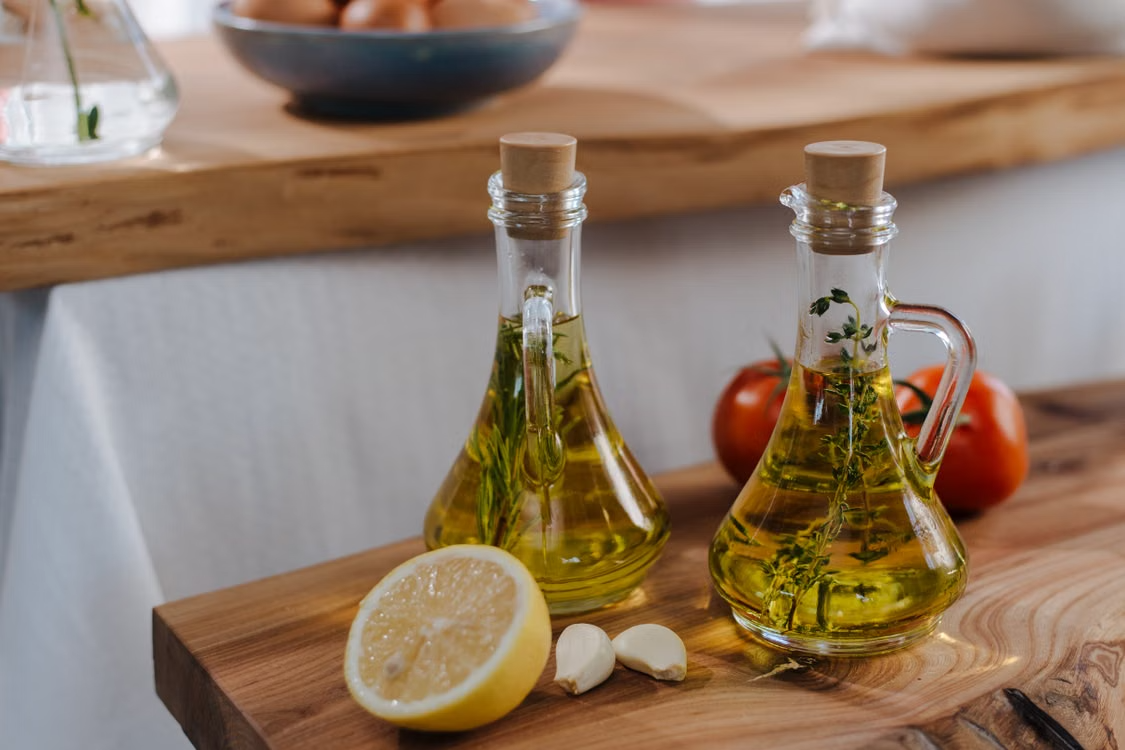
Store oil tightly sealed in a cool, dark cupboard, away from the stove, oven or sunny windows. Heat and light can speed up oxidation, while leaving the bottle open allows more air to come into contact with the oil. Check the label for storage instructions and use the oil within the recommended period after opening. If you're unsure how long it has been sitting around or it shows signs of rancidity, replacing it is the safer choice.

Leave a Reply