
You walk into a grocery store for milk and bread, but somehow leave with a basket full of things you never planned to buy. It may feel like a lack of willpower, but the way a store is arranged can influence what catches your eye, which aisles you explore and what eventually makes it into your cart.
Why the Essentials Aren't Always Near the Entrance
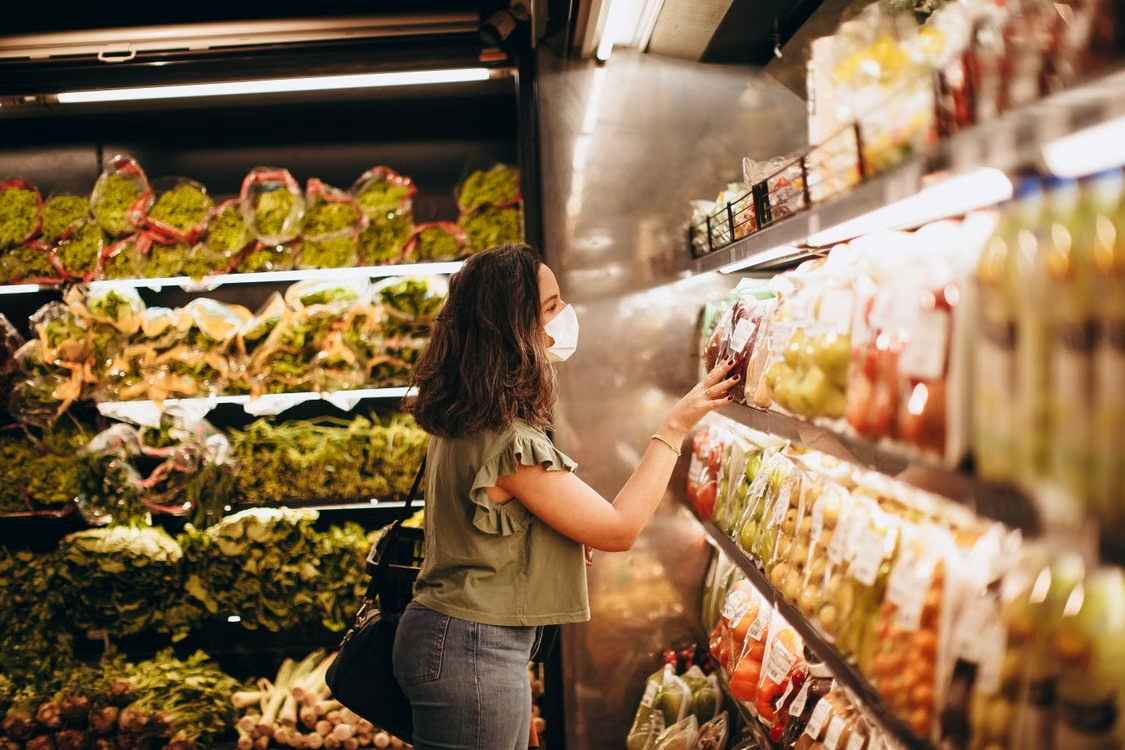
Many grocery stores place everyday staples in different parts of the store, meaning shoppers may need to pass several other sections to collect everything on their list. This can expose you to more products, seasonal displays and tempting offers along the way. The layout isn't necessarily designed to make every trip longer, but retailers do consider customer movement and product visibility when arranging departments.
The End-of-Aisle Display That Catches Your Eye
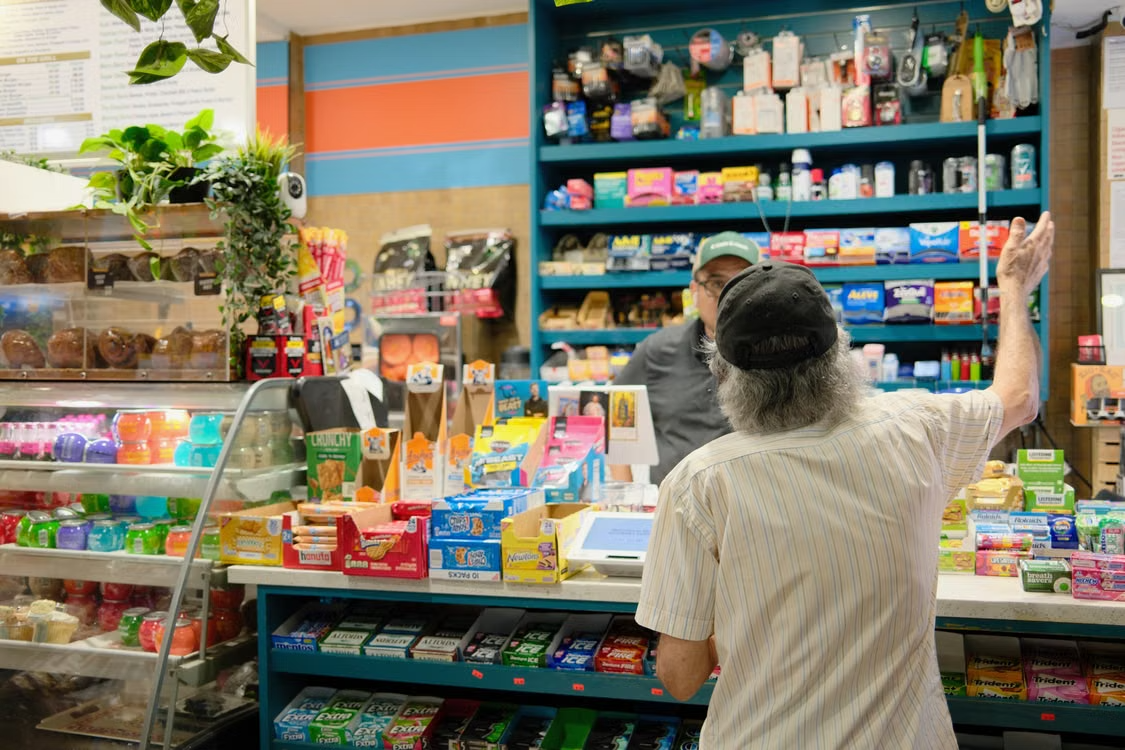
Those colourful displays at the end of grocery aisles are more than just convenient places to stack products. Endcaps often feature promotions, new items or products retailers want shoppers to notice. Research published in the Journal of Retailing and Consumer Services found that end-of-aisle displays can influence product sales, with their location affecting how shoppers encounter them. Even when you're focused on your list, a prominent display can make an unplanned purchase feel like a good deal.
The Checkout Is One Last Chance to Add Something
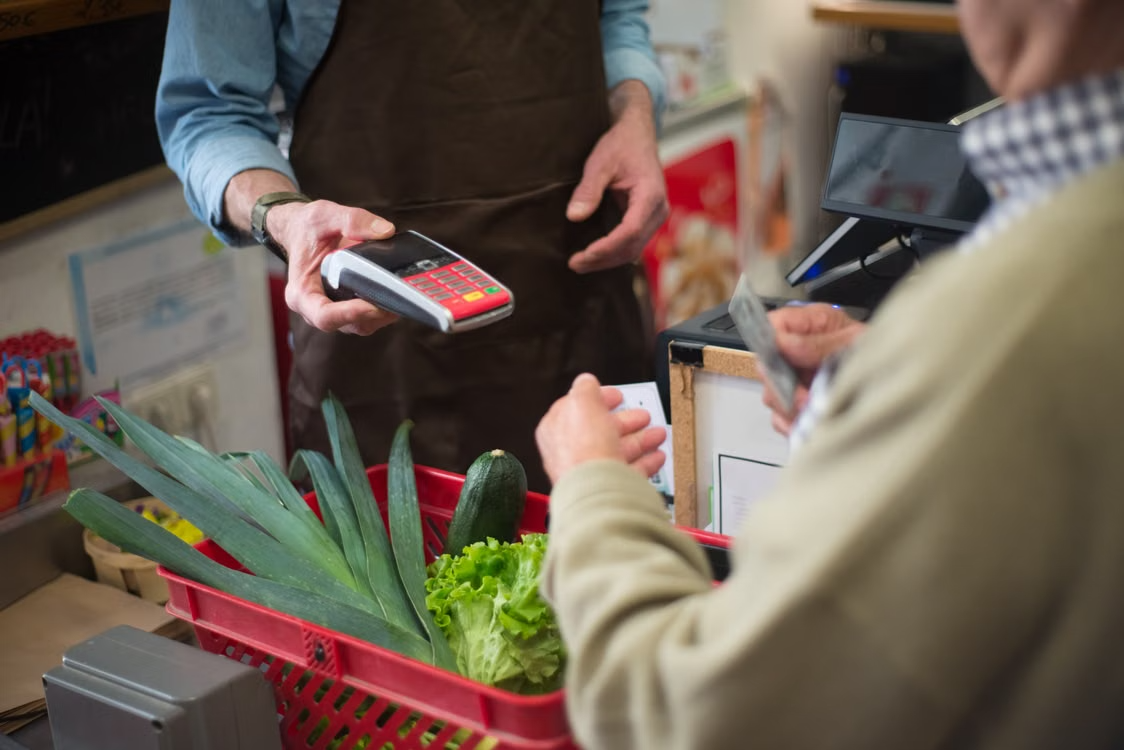
By the time you reach the checkout, you've already made most of your shopping decisions, but small snacks, gum, drinks and other inexpensive items are often placed within easy reach. These products are convenient to grab while waiting, and their low prices can make them seem harmless additions. The result is a few extra items that weren't on your original list, adding to the final bill one small purchase at a time.
Leave a Reply