
December is a time when many Canadians clear out their pantries, pick up a few extra groceries and contribute to holiday food drives. But while the intention is generous, not every item in a donation bag is equally useful. Some foods are in particularly high demand, while others can create extra work for food bank volunteers or may not be suitable for distribution.
The Foods Canadian Food Banks Need Most

Protein-rich foods are among the most useful donations, including canned tuna, salmon, chicken, beans, lentils and peanut butter. Canned fruits and vegetables, whole-grain pasta, rice, oatmeal and cereal are also practical pantry staples. Food Banks Canada recommends prioritizing nutritious foods, including proteins, fruits and vegetables, whole grains and healthy fats. Special dietary options, such as gluten-free, dairy-free, vegetarian and culturally appropriate foods, can also help meet the needs of different households.
These Donations May Not Help as Much as You Think
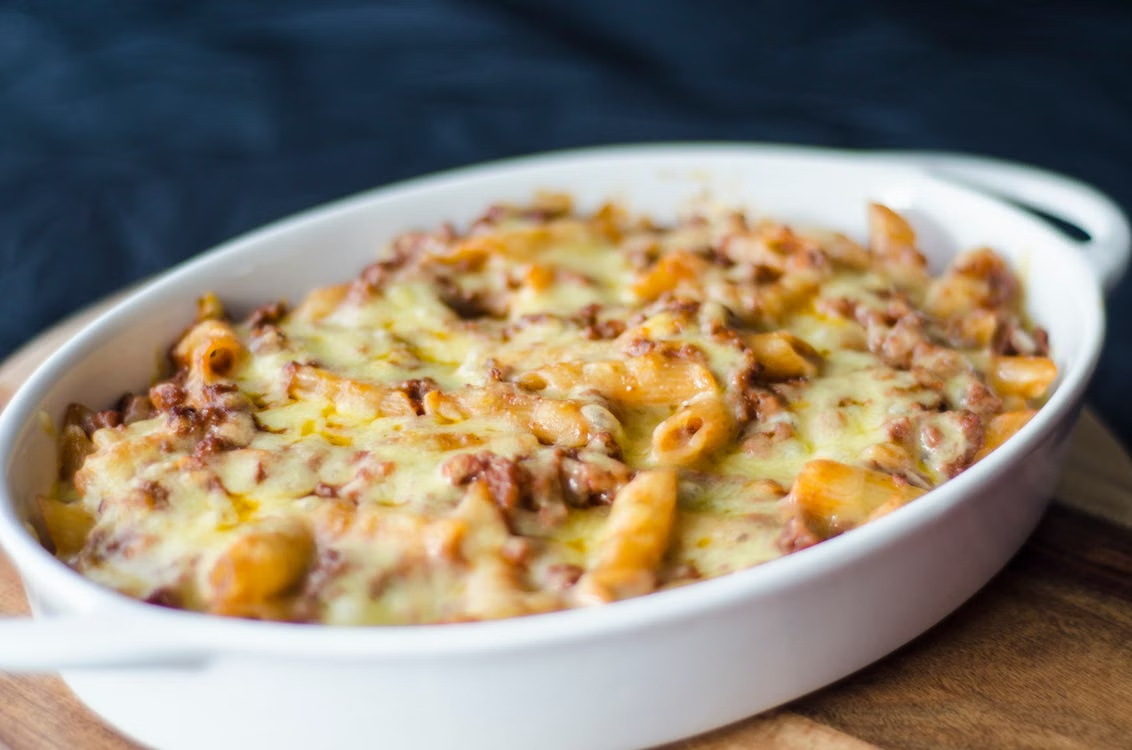
Opened packages, homemade meals, leftovers, mouldy food and products with damaged or broken seals are generally unsuitable for donation. Perishable foods that need refrigeration or freezing should only be donated when the food bank has confirmed it can safely store them. Food Banks Canada also recommends reducing the distribution of highly processed foods that are high in sugar, sodium or saturated fat. This doesn't mean every food bank rejects every snack or treat, but nutrient-dense groceries are generally a more useful priority.
A Little Thought Before Donating Goes a Long Way

Before filling a donation box, check the packaging, dates and condition of every item. Remember that best-before dates and expiration dates are not interchangeable, and individual food banks may have different rules about accepting products past their best-before dates. It's also worth checking the organization's current wish list rather than assuming every location needs the same things. If you're unsure what to buy, a monetary donation can be especially helpful because food banks can use their purchasing networks to acquire the items they need most.




Leave a Reply