
Some frozen treats disappear quietly. Others leave behind the kind of loyal following most brands would love to have.
Nestlé Drumstick Mint Cone
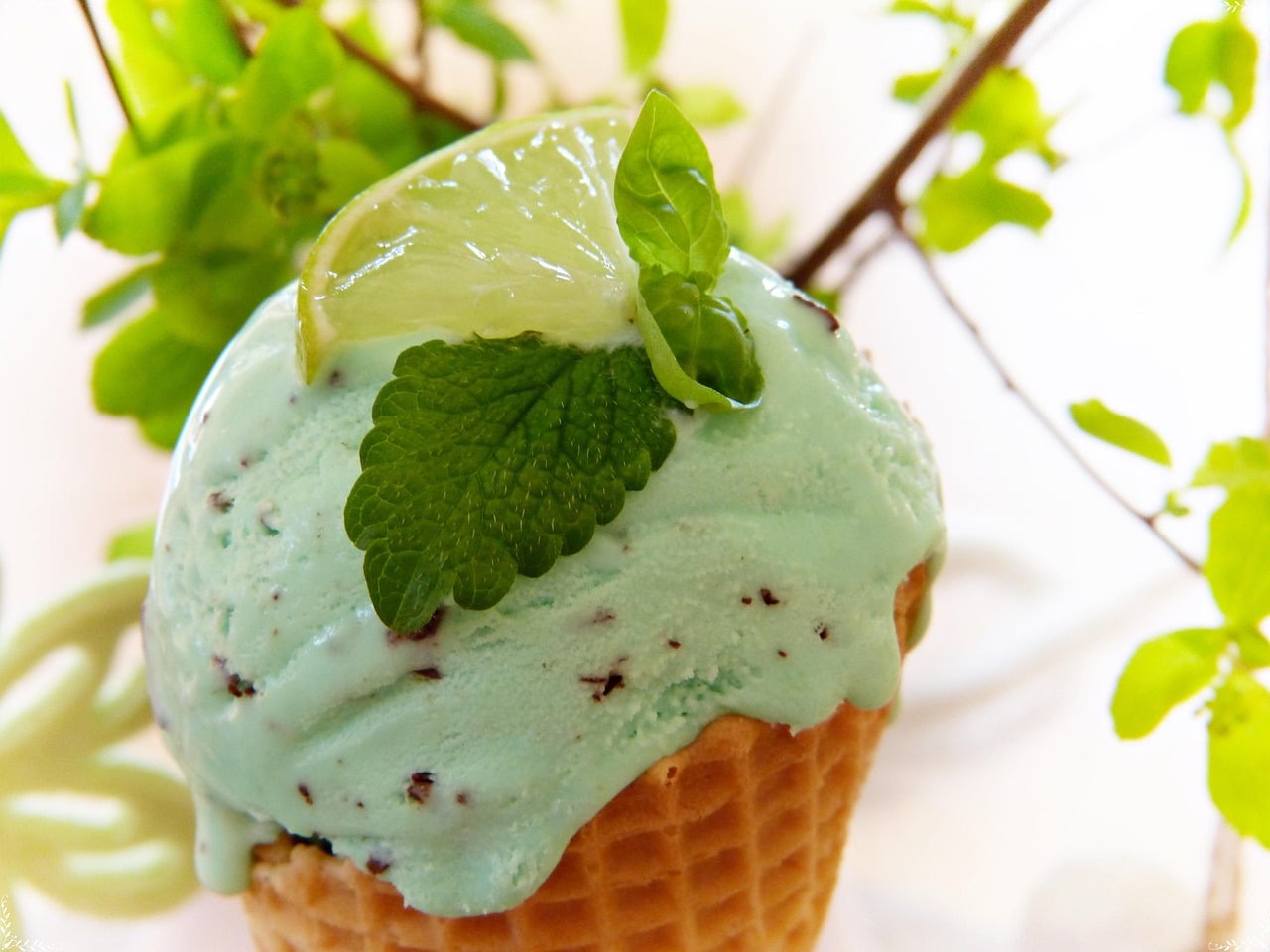
Few freezer items captured the Canadian taste for mint and chocolate quite like the mint Drumstick cone. It took the familiar Drumstick formula and gave it a cooler, sharper profile that stood out from standard vanilla-and-chocolate options. For many shoppers, it was the "special" box brought home in summer rather than the everyday pick.
What made it memorable was balance. The mint centre was not toothpaste-strong, the chocolate coating added snap, and the cone still delivered that sweet finish people expect from the brand. In a category where novelty often fades fast, this version felt like a genuine variation with staying power.
Its disappearance frustrated fans because mint remains one of the most dependable dessert flavours in Canada. Grocery freezer discussions, nostalgia threads, and resale-style packaging posts still bring it up regularly. That kind of organic recall suggests the product solved a real consumer want, not just a temporary craving.
Good Humor Toasted Almond Bar
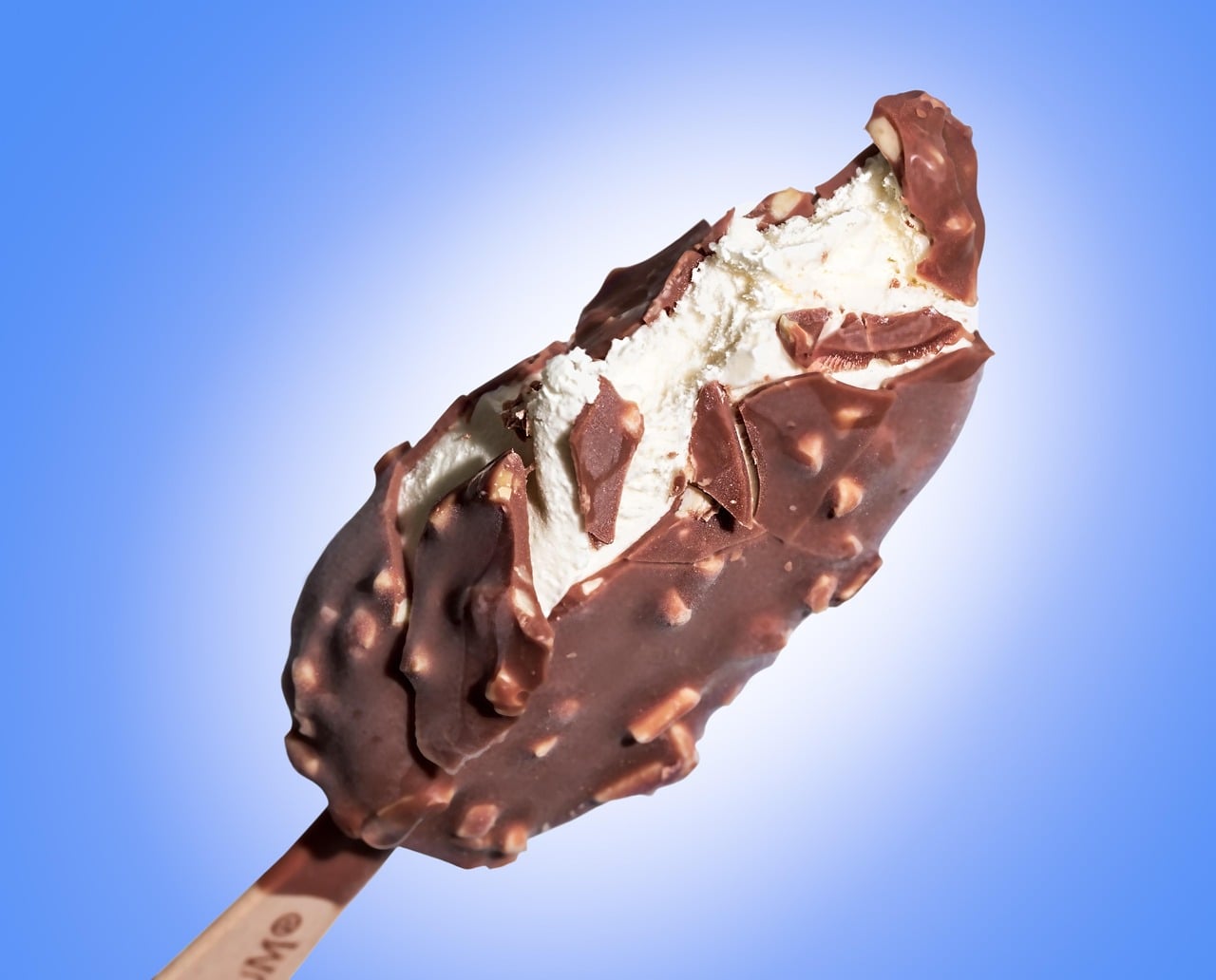
The Toasted Almond Bar built its reputation on texture before anything else. Canadians who grew up with cross-border brands often remember the contrast between the vanilla core, the coated shell, and the crisp almond bits as the whole point of the experience. It felt richer and more grown-up than brightly coloured novelty bars aimed at children.
Its appeal also came from familiarity. Almond, vanilla, and a lightly toasted flavour profile fit neatly into classic North American dessert habits, much like almond-topped cakes or old-school ice cream sundaes. That made the bar broad in appeal, especially for families buying mixed boxes for different age groups.
When products like this vanish, the loss is bigger than a single flavour. It removes a style of ice cream bar that prioritized nutty crunch over candy-inspired sweetness. Fans still mention it because few current products replicate that exact combination with the same restraint and texture.
Laura Secord French Mint Bar
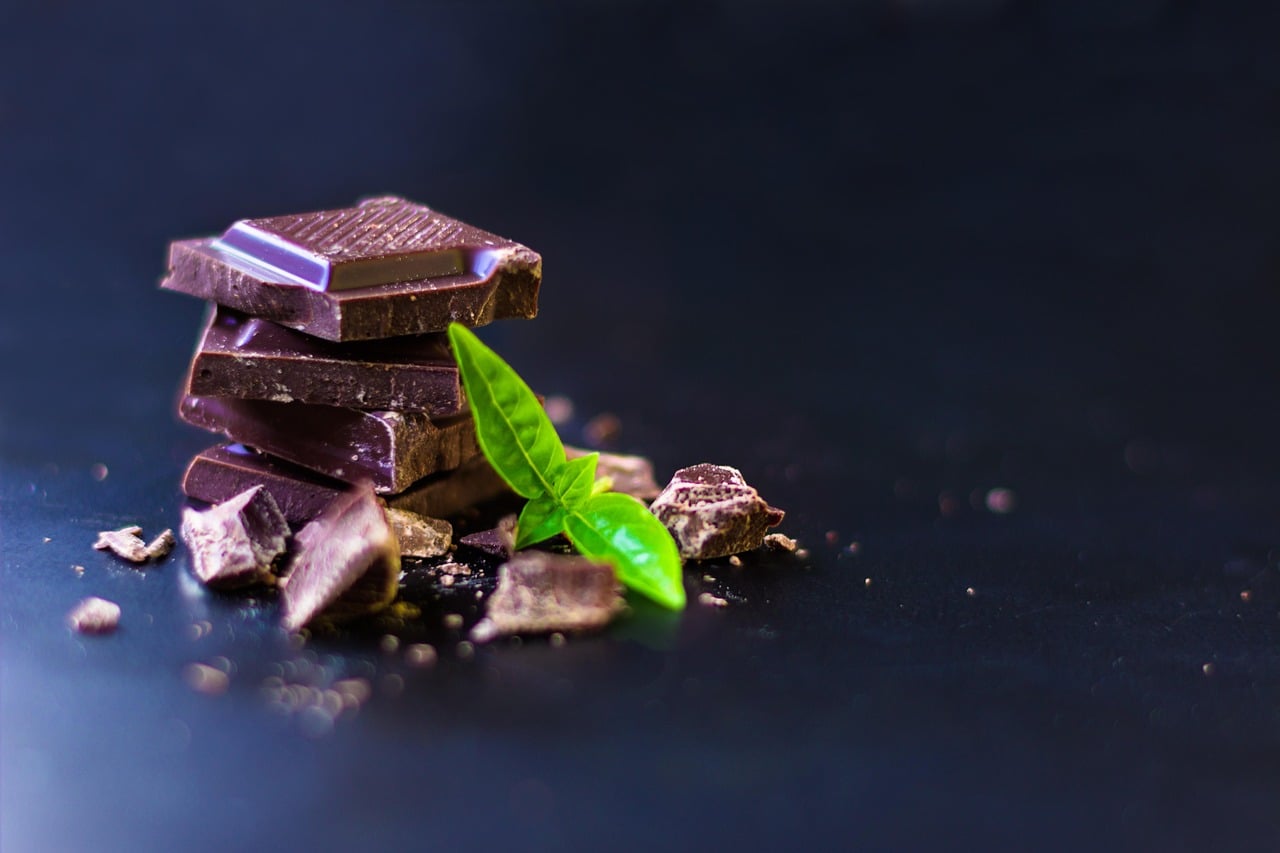
Laura Secord has long held a special place in Canadian sweets, so its discontinued frozen products carry extra emotional weight. The French Mint Bar stood out by leaning into the company's chocolate-shop image instead of presenting itself as a gimmicky novelty. It felt polished, familiar, and distinctly Canadian.
The flavour profile mattered. French mint usually signals a smoother, darker, more confectionery style than bright peppermint, and that nuance gave the bar a premium edge. Combined with a rich coating and creamy centre, it offered something closer to a dessert-counter treat than a convenience-store impulse buy.
That positioning is exactly why fans still remember it. Canada's frozen aisle has never been overflowing with mint bars that feel refined rather than loud. The French Mint Bar filled that gap, and its absence is still felt by shoppers who want a nostalgic treat with a slightly more classic flavour profile.
Nestlé Real Fruit Strawberry Shortcake Bar
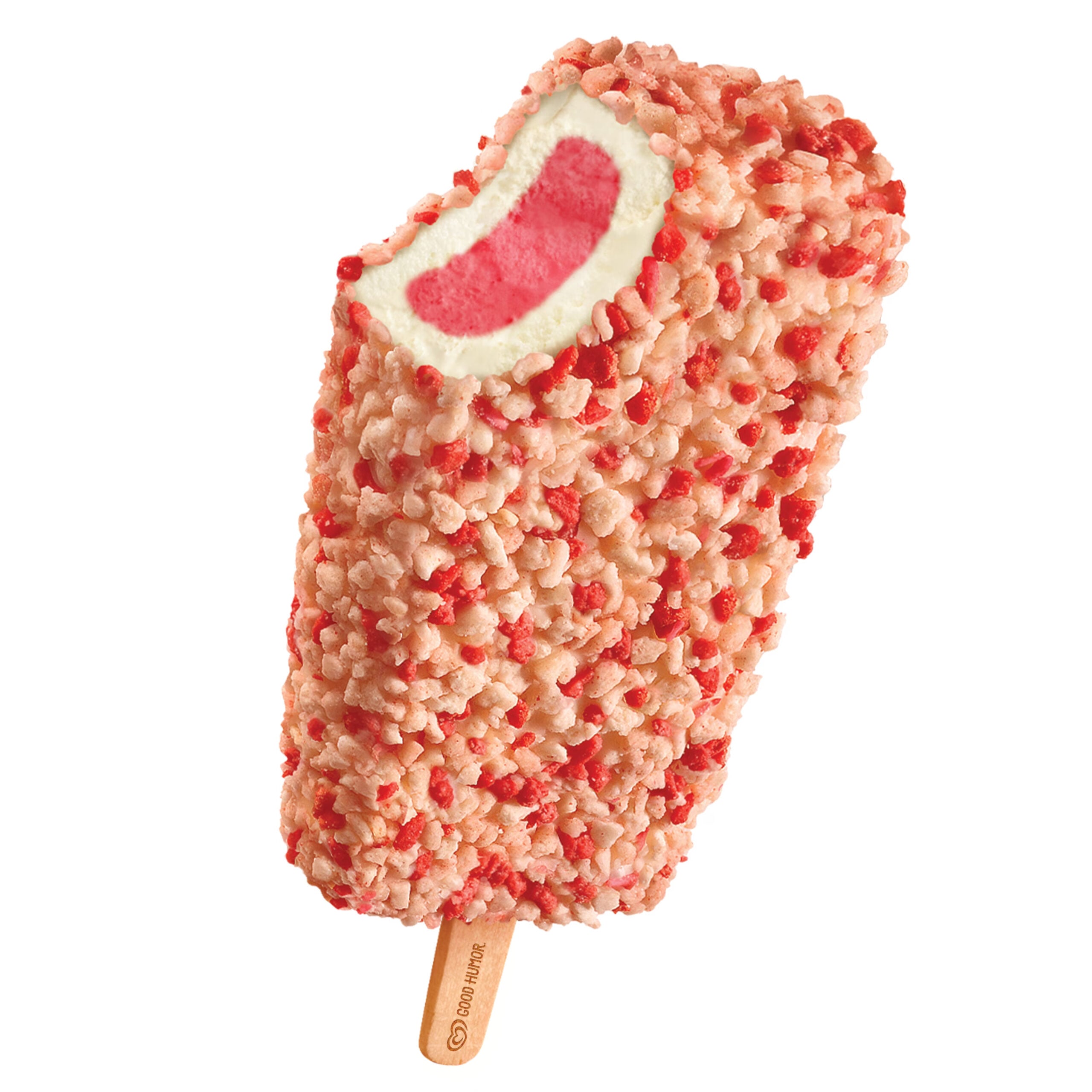
Some discontinued bars are remembered because they nailed a bakery-inspired taste, and this was one of them. The Real Fruit Strawberry Shortcake Bar translated a familiar dessert into handheld frozen form without losing its core identity. Strawberry, cream, and cake notes came together in a way that felt immediately understandable.
Its texture helped seal the memory. A good strawberry shortcake product needs contrast, and this bar delivered that through its coating and creamy interior. It was sweet, but not one-note, which made it stand apart from simpler fruit bars or basic strawberry ice cream novelties.
Canadian shoppers still miss it because strawberry shortcake remains a top-tier comfort dessert. In modern freezer aisles, there are many fruit options and many cake-inspired options, but fewer that combine both convincingly. This one did, which is why people continue to compare newer releases against a product that no longer exists.
Fudgsicle Caramel Bar
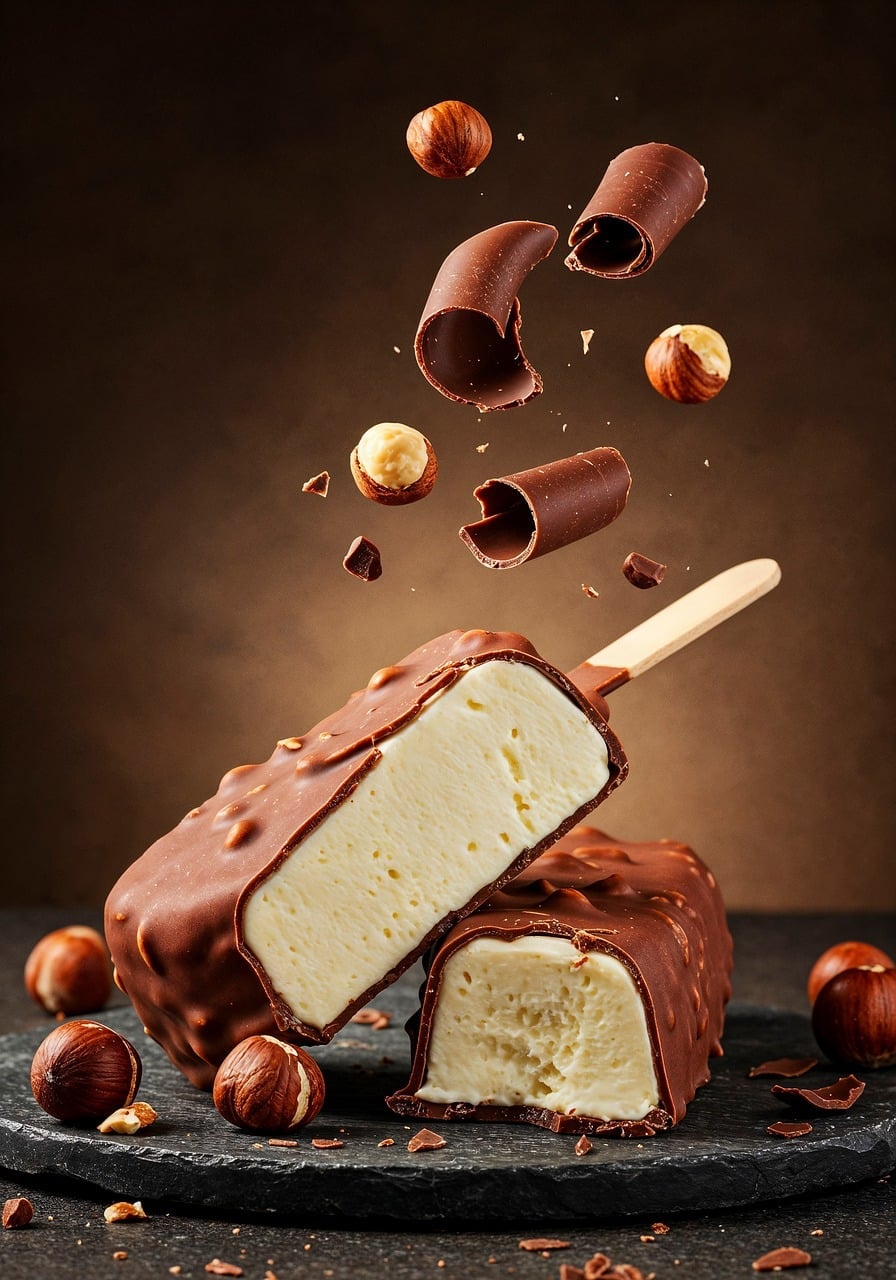
Chocolate-and-caramel combinations rarely struggle for an audience, and the Fudgsicle Caramel Bar proved that point. It took the familiar fudgy identity of the Fudgsicle name and softened it with a caramel element that added warmth and depth. The result was more indulgent than a standard frozen chocolate bar without becoming overly heavy.
Its strength was accessibility. Caramel is one of those flavours that broadens appeal because it bridges generations, pleasing children who want sweetness and adults who want something fuller. In practical retail terms, that usually makes for a dependable family purchase, especially during peak summer grocery runs.
That is why its disappearance still feels puzzling to fans. The flavour combination remains commercially strong across candy, coffee, and bakery categories. When a frozen product with that kind of built-in appeal disappears, nostalgia grows quickly, especially when current replacements lean either too plain or too sugary.
Popsicle Cyclone
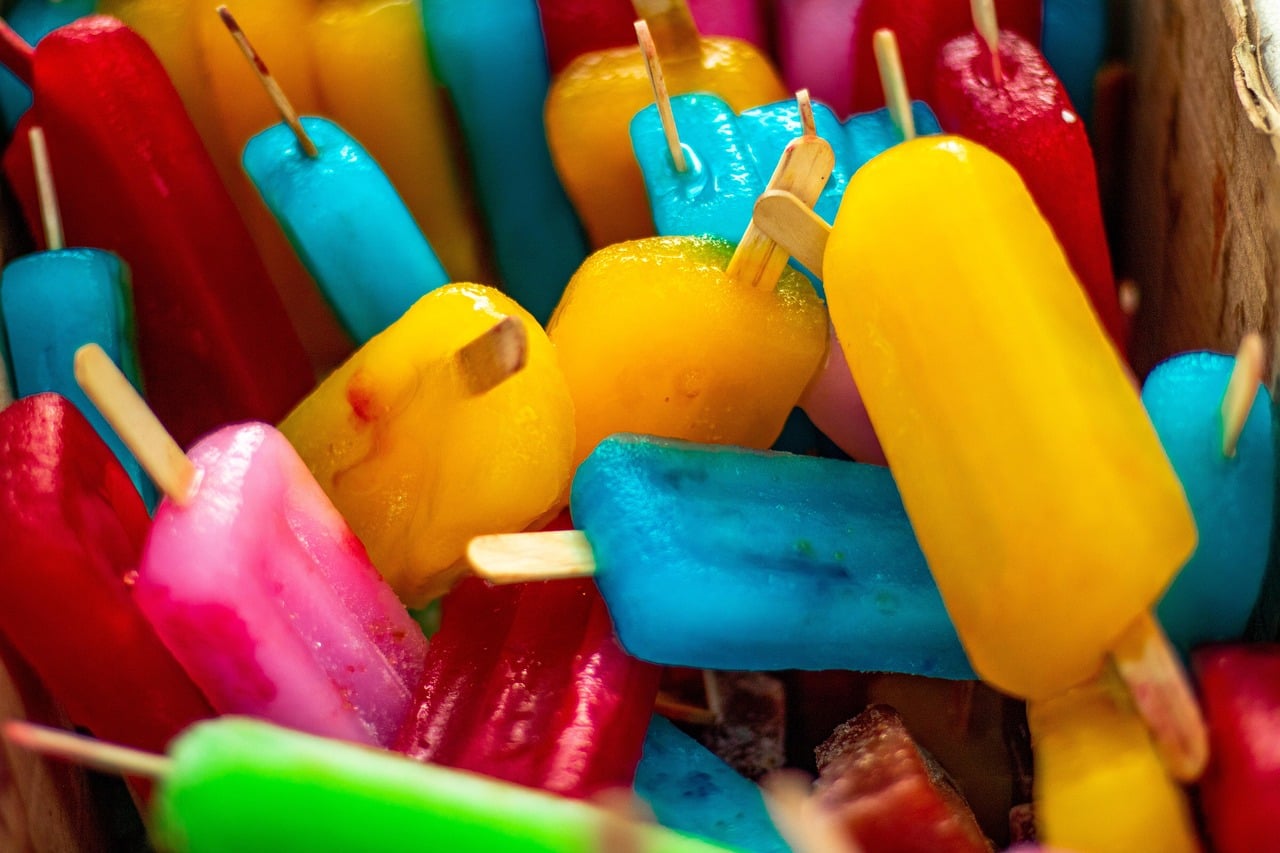
The Cyclone was impossible to ignore. Its spiralled look gave it instant visual identity, but it was the flavour layering that made it a favourite for many Canadian kids and teens. It felt active and fun, the kind of treat associated with arena canteens, school breaks, and convenience-store freezers on hot afternoons.
Products like Cyclone succeed because they create sensory variety in a small format. Instead of one flat flavour from first bite to last, the swirl changed the experience as it melted. That made it memorable in a crowded novelty market where shape and colour often matter almost as much as taste.
Fans still want it back because it represented a style of playful frozen snack that has become less common. Many modern offerings either aim for premium indulgence or simplified health messaging. Cyclone belonged to a more carefree era of freezer design, and that nostalgia remains powerful.
Nestlé Parlour Ice Cream Bar Varieties
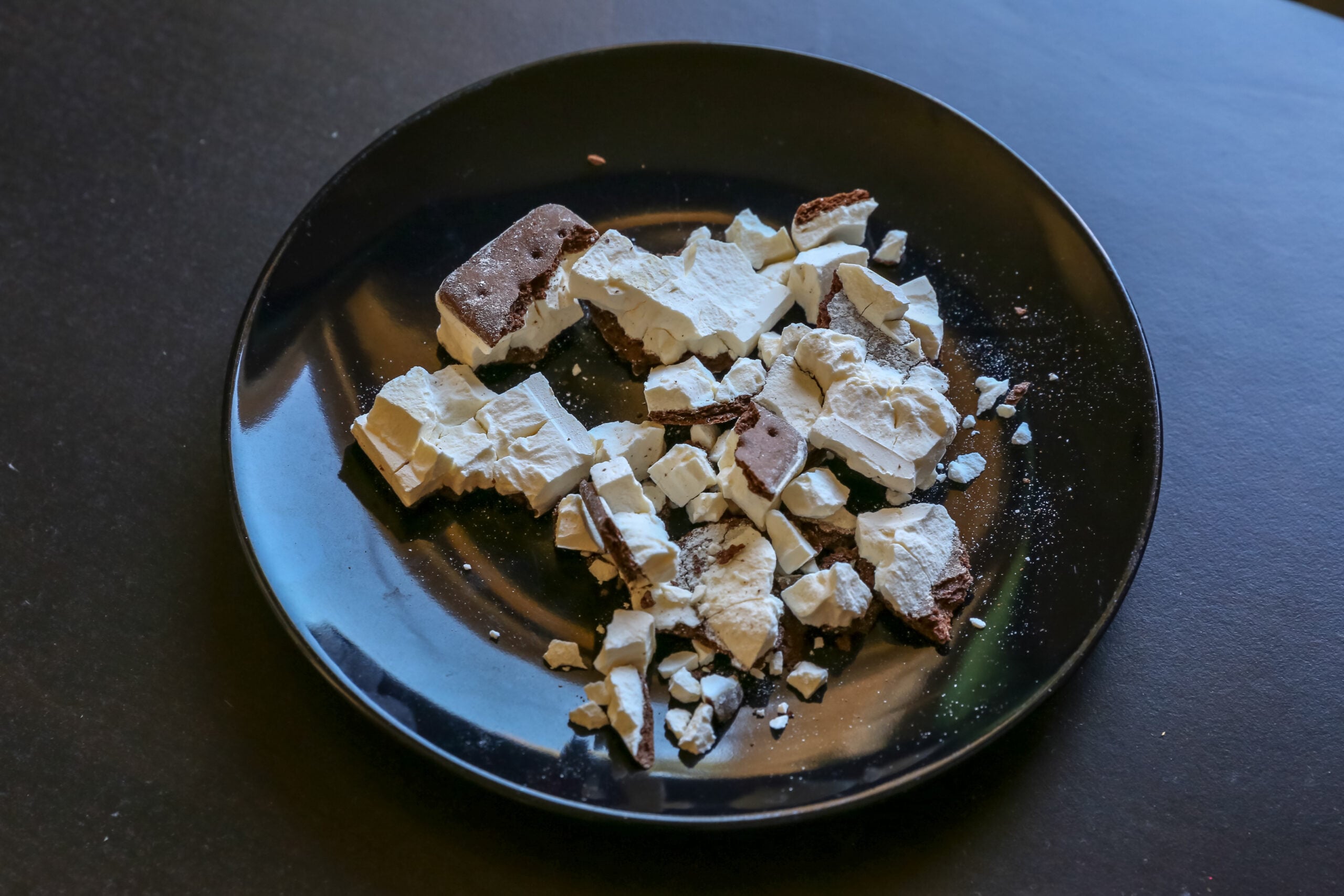
Sometimes what people miss is not one single bar, but an entire disappearing range. Certain Nestlé Parlour ice cream bar varieties once gave Canadian shoppers a broad middle ground between budget novelties and premium boutique treats. They were household staples, especially in suburban grocery stores where brand recognition drove family buying habits.
These bars mattered because they offered choice without overcomplicating the aisle. Chocolate-coated vanilla, layered crunch, and flavour variations such as mocha or caramel often lived under one trusted banner. For busy shoppers, that kind of clarity makes a difference. Familiar branding reduces risk, particularly when buying for several people at once.
As those varieties were retired or folded into smaller lineups, the sense of abundance faded too. Fans often remember specific wrappers or flavours only after they are gone, which is common in packaged food nostalgia. The continuing demand shows how strongly Canadians connect memory with supermarket freezer brands.
Chapman's Sundae Bar Limited Releases
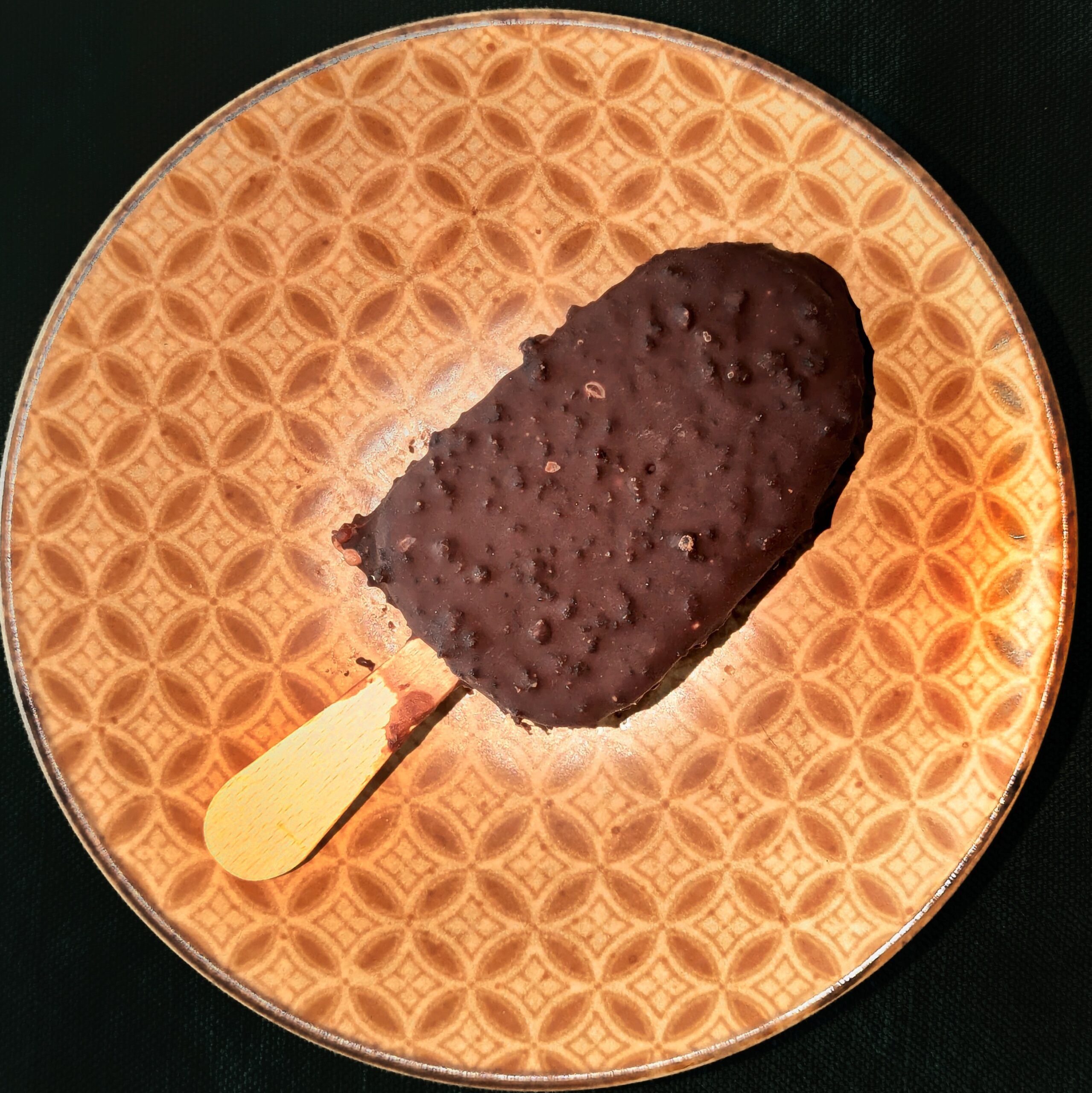
Chapman's has deep credibility in Canada, and that gives its discontinued limited releases unusual staying power in public memory. Among the most missed are sundae-style bars that layered toppings, sauce elements, and a creamy centre in a way that echoed a full ice cream shop order. They felt generous without requiring a bowl or spoon.
Limited releases often create stronger attachment because shoppers know they may not last. That urgency can turn a seasonal favourite into a sought-after memory, especially when the product performs well in cottages, family gatherings, and long-weekend dessert runs. Chapman's benefited from that pattern more than most domestic brands.
Fans still ask for these bars because they offered something practical and celebratory at the same time. Canada's mainstream freezer aisle does not always preserve successful short-run products, even when they build clear followings. In this case, the nostalgia is tied not just to flavour, but to trusted Canadian brand loyalty.
Oreo Ice Cream Bar Original Canadian Format
Branded dessert tie-ins often come and go, but the original Oreo ice cream bar format had unusual staying power. It translated one of the most recognizable cookie flavours into frozen form with a texture profile people already understood. Creamy interior, dark cookie notes, and a chocolate finish made it easy to love.
Its success reflected a broader truth about frozen novelties. Familiar snack brands can reduce consumer hesitation because the taste expectation is already built in. With Oreo, that meant immediate appeal to children, teens, and adults who associated the cookie with lunchboxes, movie nights, and everyday dessert habits.
The reason fans still talk about the original format is simple: later versions often changed the balance. Coating thickness, filling style, and cookie distribution all affect the final experience. When companies alter or retire a beloved configuration, consumers notice, and nostalgia tends to favour the first version they trusted.
Carvel Ice Cream Bars Once Sold in Canada
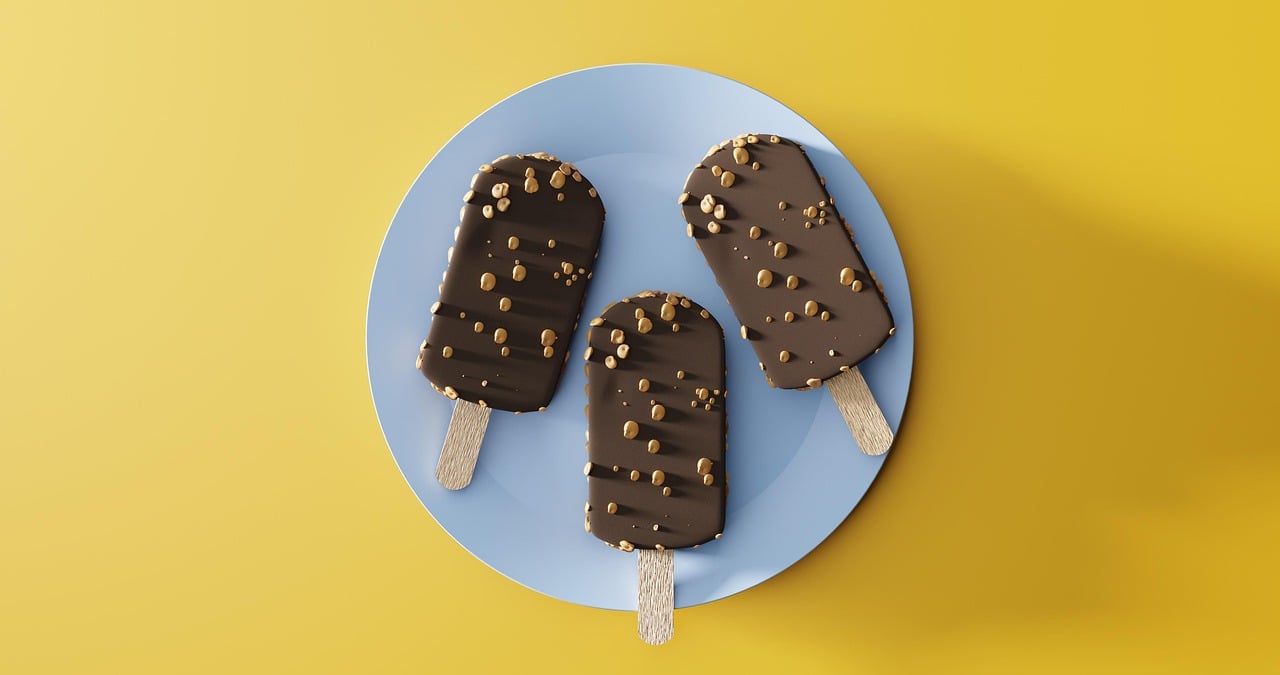
Carvel products once had stronger recognition in parts of Canada than many younger consumers realize. Their ice cream bars carried the brand's old-school dessert-shop reputation into grocery and impulse-buy settings. For Canadians familiar with Carvel cakes and frozen treats, the bars offered a compact version of that same indulgent identity.
What made them stand out was their connection to a larger dessert culture. Carvel was not just selling a bar, but a sense of occasion tied to soft-serve, crunchies, and classic ice cream parlour flavours. Even in packaged form, that heritage shaped expectations and helped the bars feel more distinctive than generic competitors.
Their disappearance left a gap for shoppers who preferred nostalgic American-style ice cream parlour products with established brand character. In Canada, those identity-rich frozen items often build loyal followings because they carry memories beyond taste alone. That is exactly why Carvel bars are still remembered and still requested.

Leave a Reply