
Canadian shoppers are not just noticing higher grocery bills. They are changing what goes into the cart.
October's 2% rise in grocery prices added pressure to household budgets, and one clear response has been a steady shift toward store brands in core food categories.
Dairy is becoming a value test at the fridge
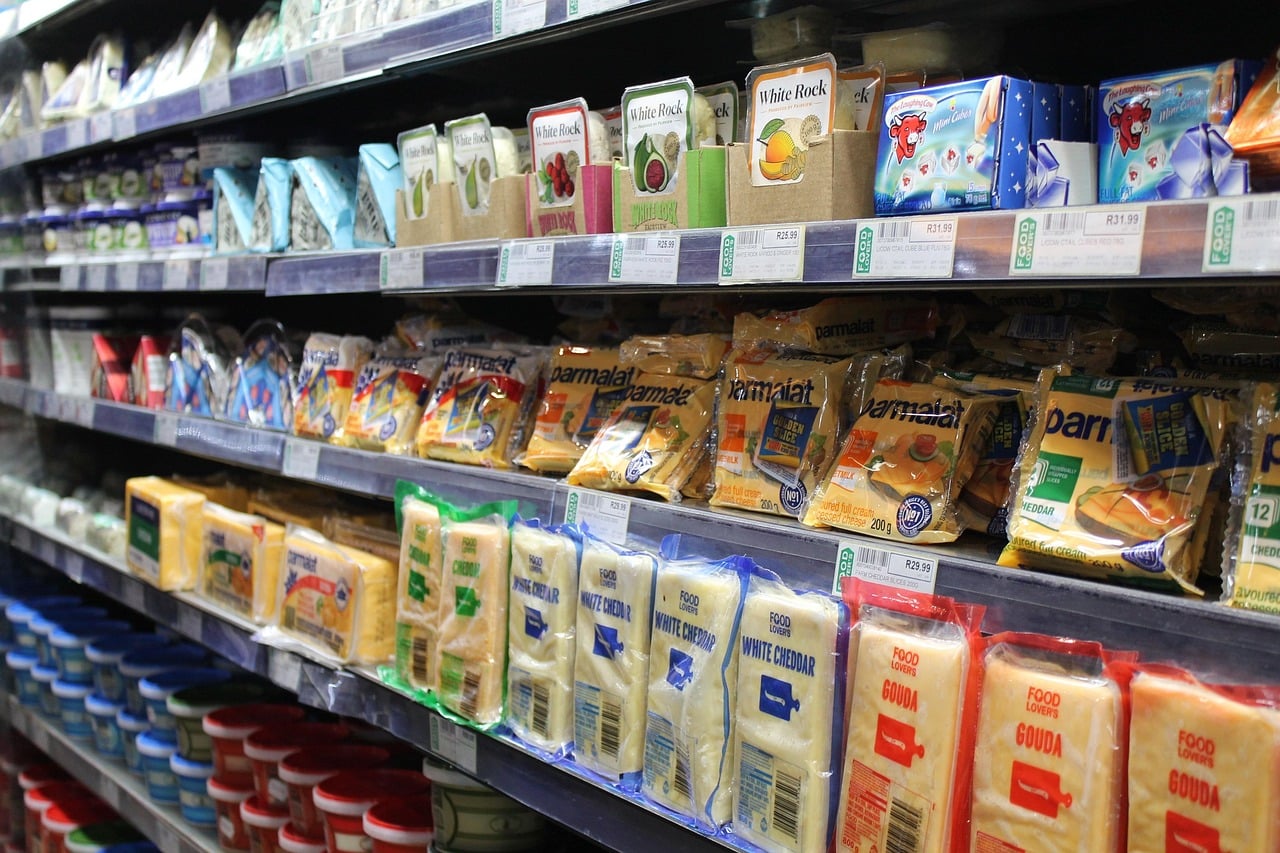
Milk, butter, cheese, and yogurt are some of the easiest products for shoppers to compare. When prices rise, consumers can quickly see whether a store brand offers nearly the same quantity and quality for less. That makes dairy one of the first places families look for savings.
Retail analysts have long noted that private-label dairy performs well in inflationary periods because shoppers view many of these items as functional essentials. A block of cheddar for sandwiches or shredded cheese for dinner often does not need a premium logo to earn a spot in the cart. In many stores, the packaging may differ, but the use case at home stays exactly the same.
Butter has been especially sensitive to price jumps in recent years. When baking staples climb, shoppers often trade down without much hesitation. In Canada, major grocers have invested heavily in store-brand dairy lines, helping build consumer confidence that lower prices do not automatically mean lower standards.
Bread and bakery basics are easy places to trade down
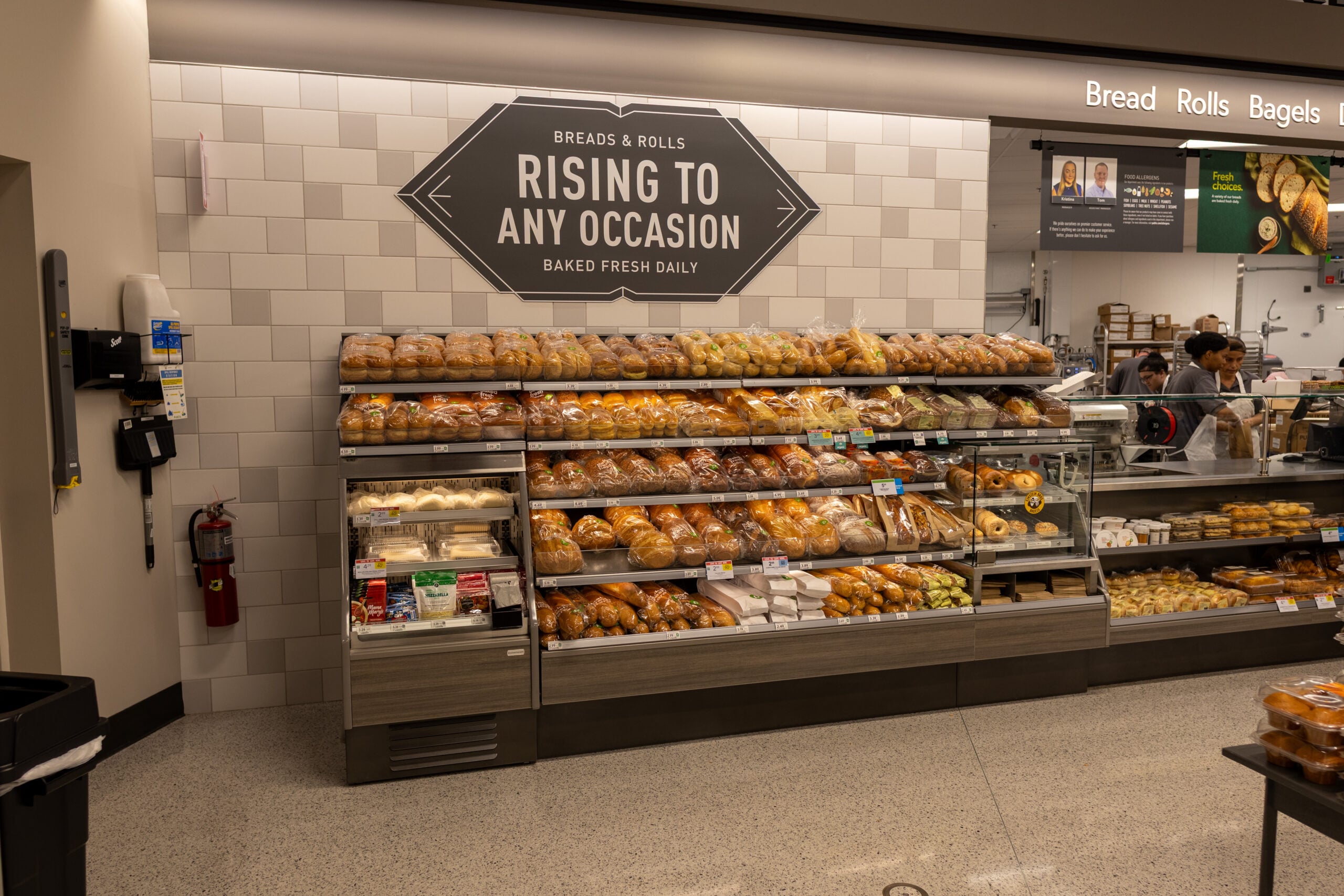
The bread aisle tells a simple story about inflation. Shoppers buy these items often, they remember the usual price, and they notice increases immediately. That makes sliced bread, buns, tortillas, and bagels prime candidates for switching to a cheaper in-house label.
Unlike specialty artisan products, everyday bakery staples are purchased for routine use. A loaf for school lunches or toast is less about branding and more about freshness, softness, and shelf life. If a store brand delivers on those three points, many households see little reason to pay extra for a national name.
This is also a category where repeated savings add up fast. Saving even a small amount on a loaf each week can translate into meaningful annual budget relief. For larger families that buy multiple bakery items at once, the decision to switch can feel practical rather than sacrificial.
Pantry staples reward shoppers who compare line by line
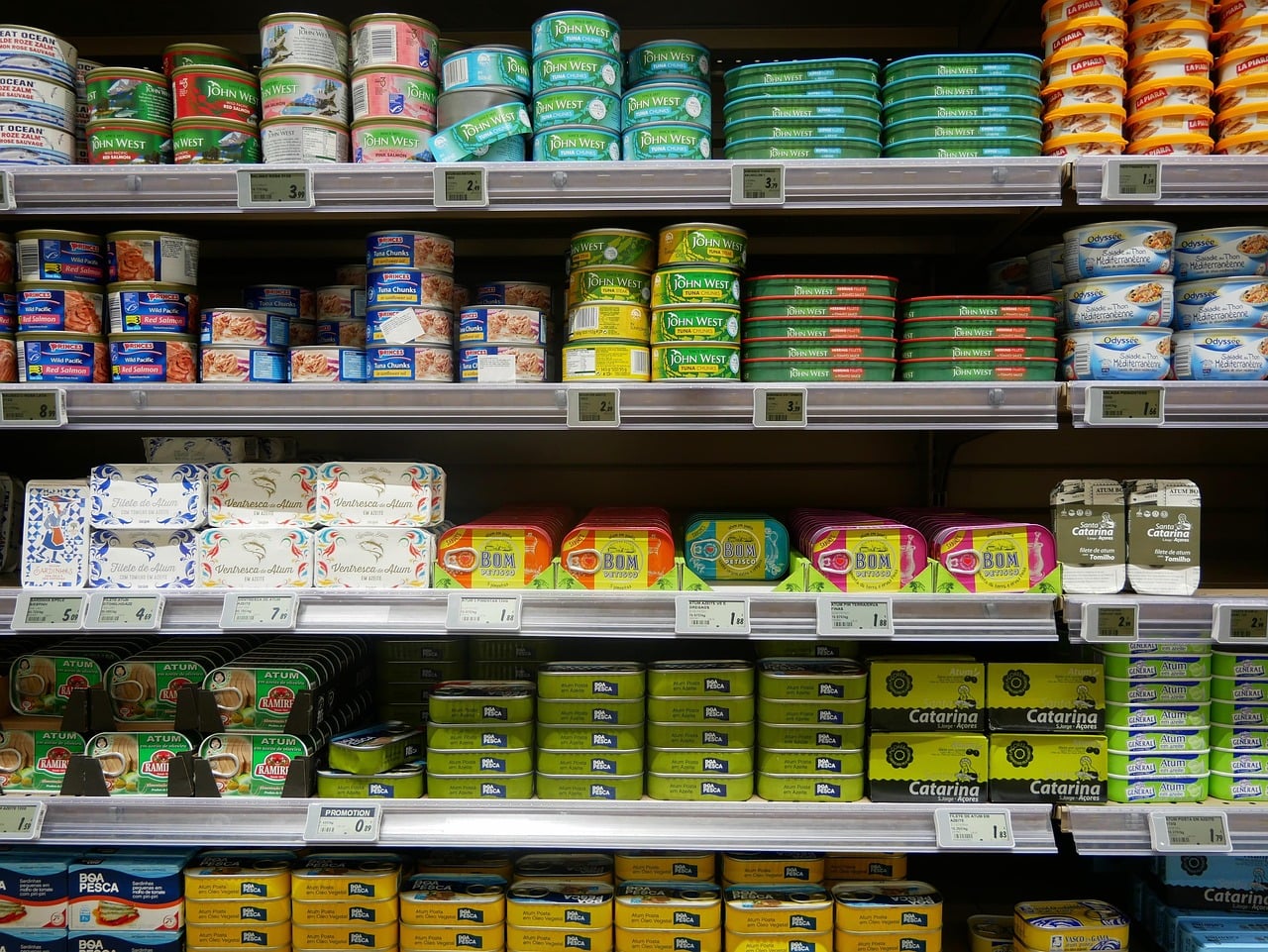
Rice, pasta, canned tomatoes, beans, flour, sugar, and oats may not grab attention like higher-priced items, but they shape a huge share of the weekly bill. Because these foods are shelf-stable and frequently used in home cooking, they are ideal categories for careful price comparison.
Store brands have become much more competitive here, not only on price but also on consistency. Many consumers report few meaningful differences between a private-label bag of pasta and a branded one once it is served in a sauce or added to a casserole. In dry goods, familiarity with a logo tends to matter less than cost per unit.
This trend is reinforced by broader economic habits. As households cook at home more often to offset restaurant spending, pantry staples move from background purchases to budget priorities. That shift naturally favors lower-cost options that can stretch meals further.
Frozen vegetables and basics are gaining trust
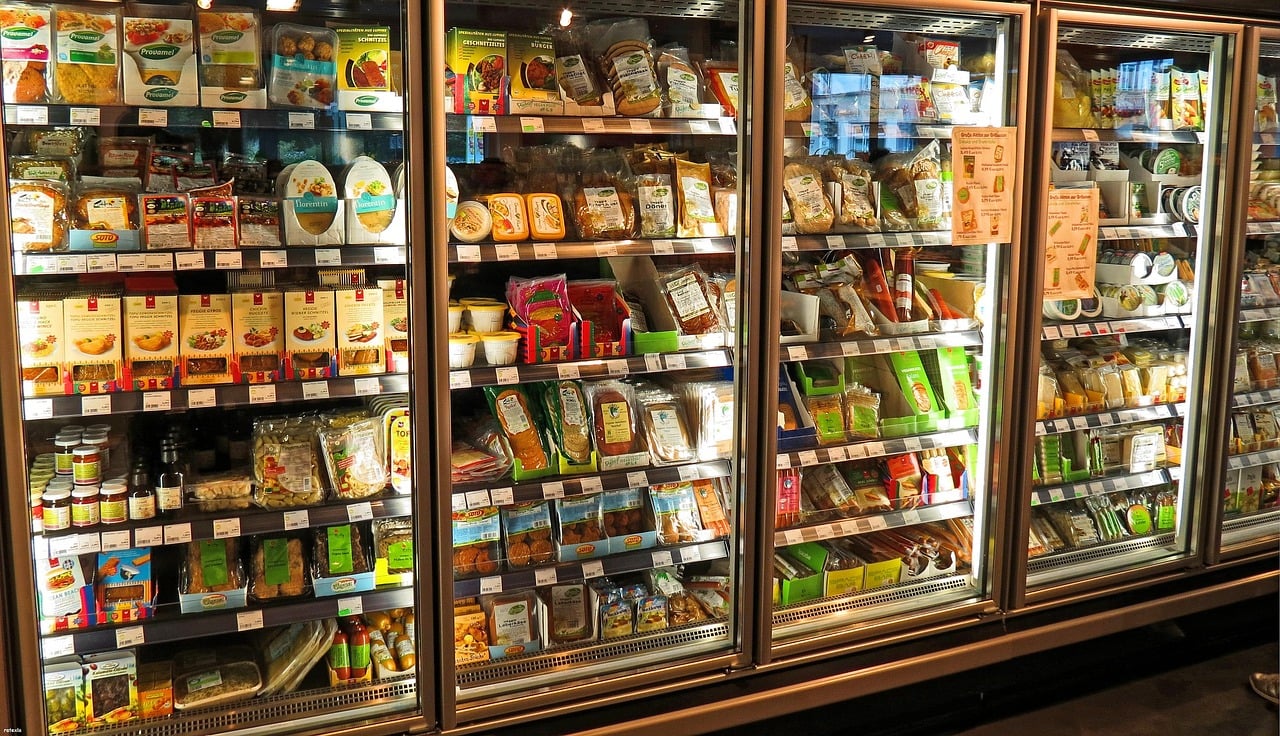
Frozen food once carried a stronger quality stigma, but that gap has narrowed sharply. For vegetables, fruit, fries, and simple prepared basics, many Canadians now see store brands as reliable, convenient, and smart for reducing waste.
That matters in an inflationary environment because frozen items offer both price value and practical value. A bag of store-brand peas or mixed vegetables can sit in the freezer until needed, lowering the risk that fresh produce will spoil before it gets used. For budget-conscious households, that waste reduction is part of the savings calculation.
Private-label frozen products have also improved in packaging, selection, and consistency. Retailers understand that these categories build loyalty. If shoppers trust the quality of store-brand frozen staples, they are more likely to return and repeat those purchases week after week.
Condiments and household cooking essentials are seeing quiet substitution

Some of the most important shifts happen in products shoppers buy almost automatically. Ketchup, mayonnaise, peanut butter, cooking oil, and basic salad dressings may not seem like major decisions, but they become more price-sensitive when overall grocery costs keep climbing.
Consumers often test store brands in these categories one item at a time. They may start with vegetable oil or vinegar, where brand identity matters less, then move into spreads and sauces if the experience is positive. This gradual trial behavior is common when shoppers want savings but still care about taste and familiarity.
According to retail trend watchers, private label wins when trust meets repetition. Once a household finds a store-brand staple that works, the switch often sticks. With grocery prices still elevated, that pattern is likely to remain a defining feature of how Canadians shop.



Leave a Reply