
A burger, fries, and a drink should be simple. In Canada right now, that simplicity comes with a surprisingly wide price range.
The meal was simple, but the comparison was not
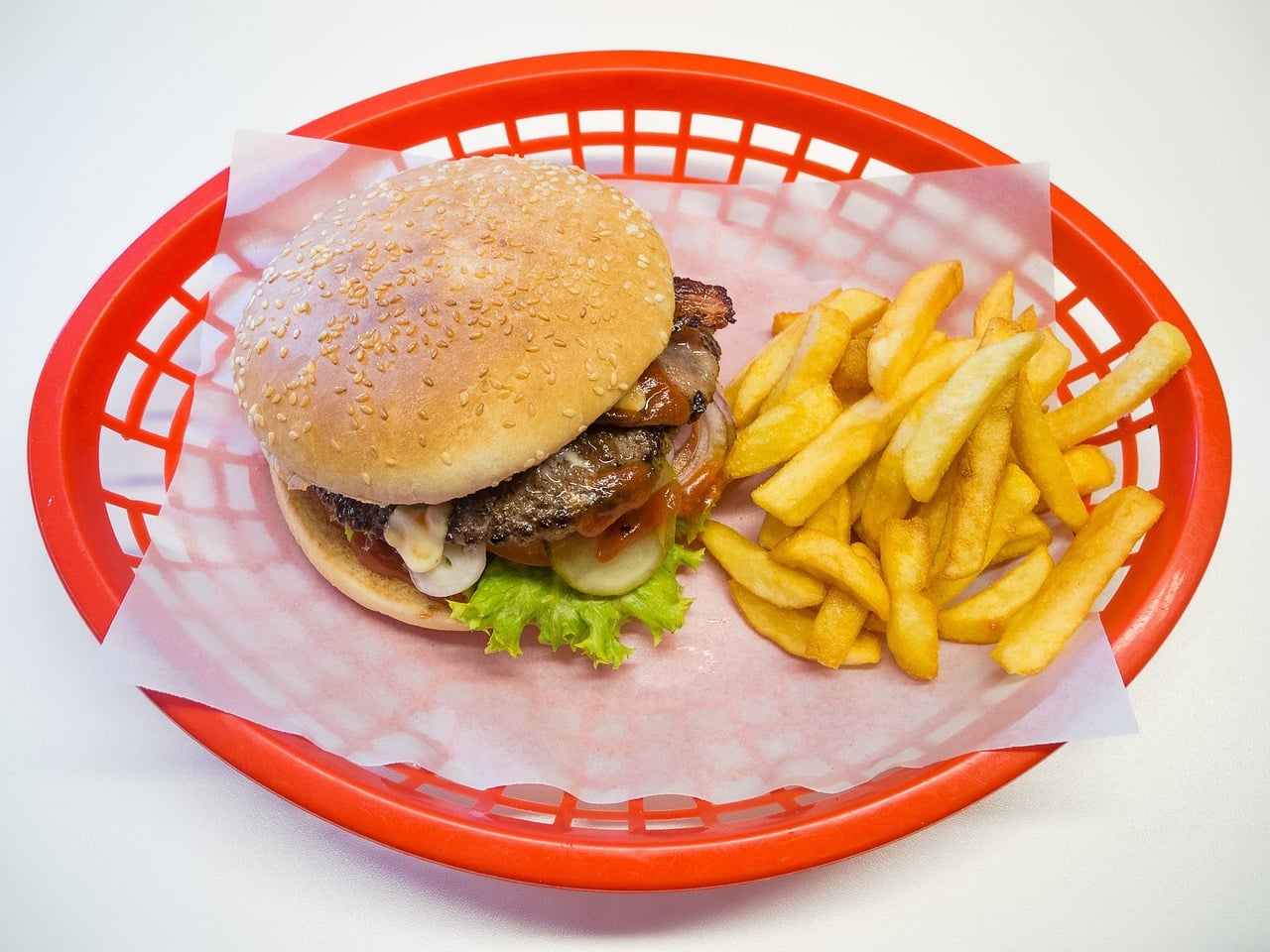
To keep the test fair, I priced the closest version of the same basic order at five national chains: a standard burger, medium fries, and a medium fountain drink. The chains were McDonald's, Burger King, Wendy's, A&W, and Harvey's, all of which have broad national reach and enough menu overlap to make a reasonable side-by-side comparison.
The challenge is that no two menus are perfectly aligned. Patty size, toppings, combo naming, and drink sizing differ slightly, so the goal was not laboratory precision but practical consumer reality. This is the kind of order an average customer makes without studying every calorie chart or promotional screen.
What stood out immediately was how chains use menu structure to shape perception. Some present the combo as a default value choice, while others make each item feel more customizable and, therefore, more expensive. That framing matters because consumers often notice the total before they notice what changed inside the bundle.
The biggest surprise was how far the totals spread
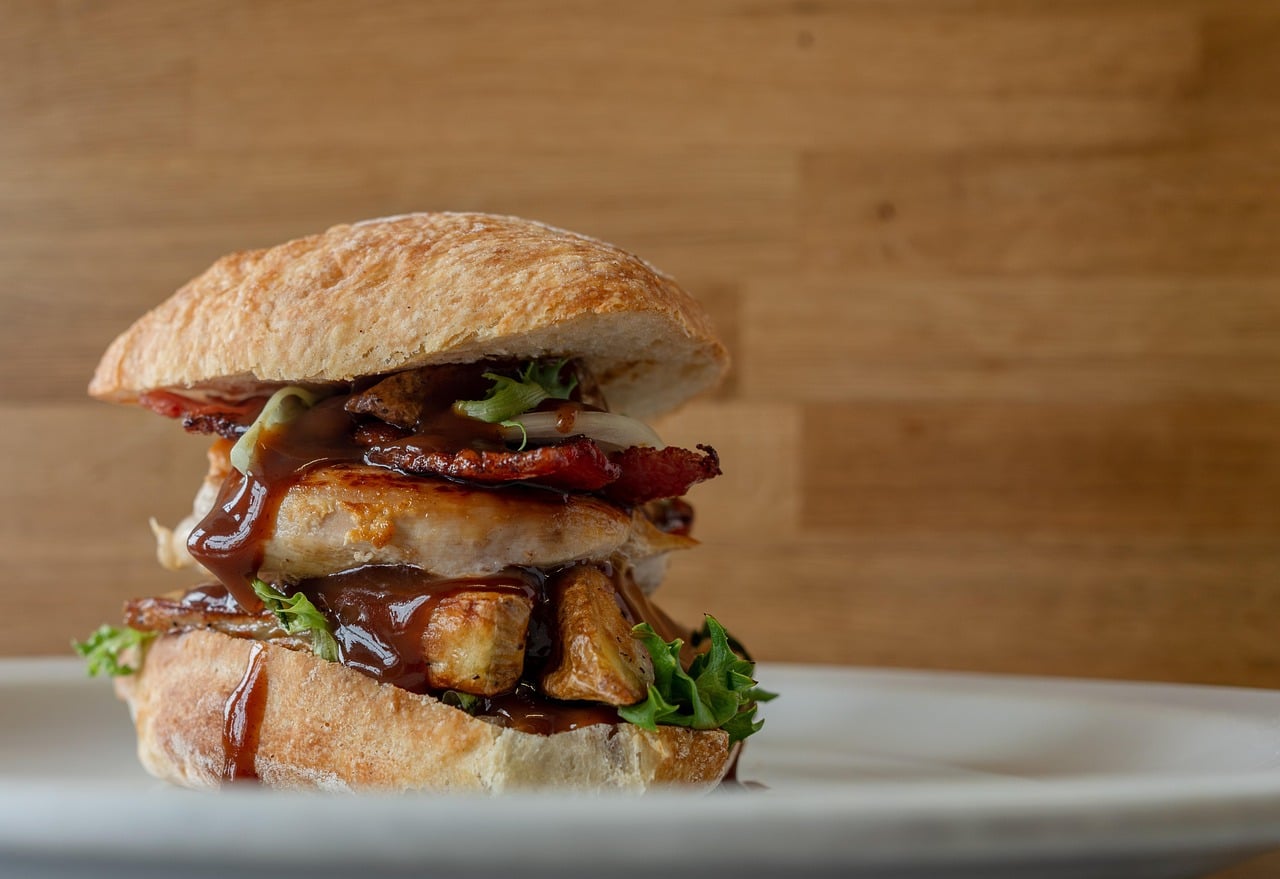
Across the five chains, the lowest-priced meal landed in the high single digits before tax, while the most expensive pushed well into the low-to-mid teens depending on location. A gap of several dollars for a nearly identical lunch may not sound dramatic in isolation, but over a week or a month, it adds up fast for students, commuters, and families.
The cheapest options usually came from chains leaning heavily on app offers, value menus, or aggressive combo pricing. McDonald's and Burger King frequently compete in that lane, where volume and speed help offset narrower margins. The sticker price may still look moderate, but digital deals often determine whether a meal feels affordable.
At the higher end, A&W and Harvey's often priced above rivals, reflecting both brand positioning and input choices. A&W in particular has long emphasized ingredient sourcing and product differentiation, including beef and root beer branding. Consumers are not only paying for calories, but also for the story attached to the meal.
Location, taxes, and add-ons changed the final bill
One of the least understood parts of fast food pricing is how local conditions alter national brands. Rent, labor costs, franchise decisions, and provincial sales taxes all affect what appears on the menu board. A combo in downtown Vancouver or Toronto can easily ring up differently than the same meal in a suburban strip plaza or smaller Prairie city.
Add-ons also distort comparison faster than most people realize. Cheese, bacon, premium toppings, or upsized fries can turn a budget meal into a premium one with just a few taps on a self-order kiosk. Even when I kept the meal basic, some chains built extras into the default version while others charged separately.
That matters because menu architecture is now part of pricing strategy. Kiosks and app menus are designed to encourage upgrades at the moment of purchase. What feels like a minor 99-cent addition often becomes the reason one chain's "cheap lunch" finishes several dollars above another's.
Not all value is visible on the receipt
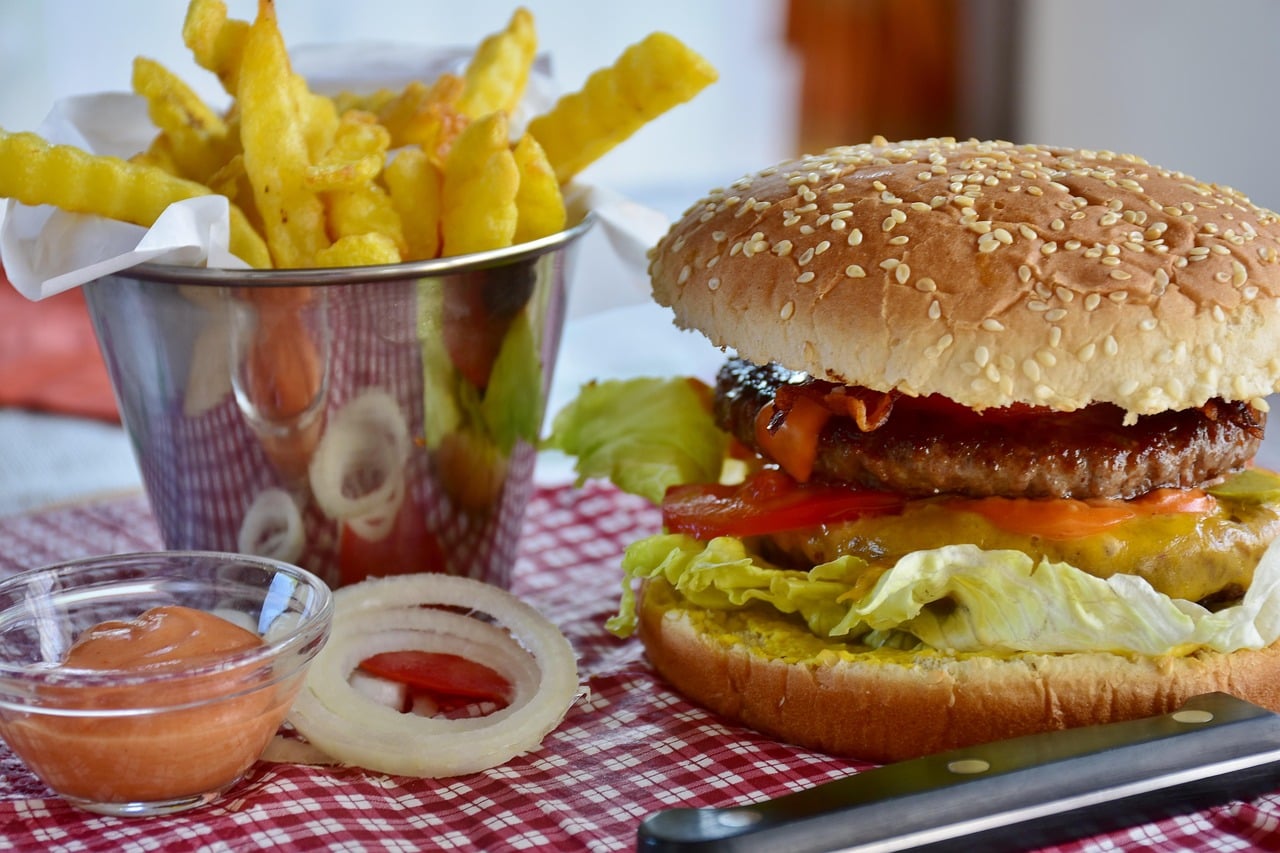
Price alone does not tell the whole story. Portion size, ingredient quality, customization, and freshness all influence whether a meal feels worth its cost. A slightly pricier combo can seem reasonable if the burger is thicker, the fries are hotter, or the drink size is more generous.
This is where Canadian fast food chains separate themselves by identity. A&W tends to sell a more premium experience, Wendy's leans into freshness and square-patty distinction, and Harvey's has long marketed made-to-order customization. Those differences are subtle on paper, but meaningful to customers who are comparing satisfaction, not just arithmetic.
Economists often describe this as perceived value rather than absolute value. Two meals can be close in ingredients and far apart in customer appeal. In that sense, the price gap reflects not just inflation, but each brand's confidence that its regular customers will accept a higher total.
Inflation is only part of the explanation
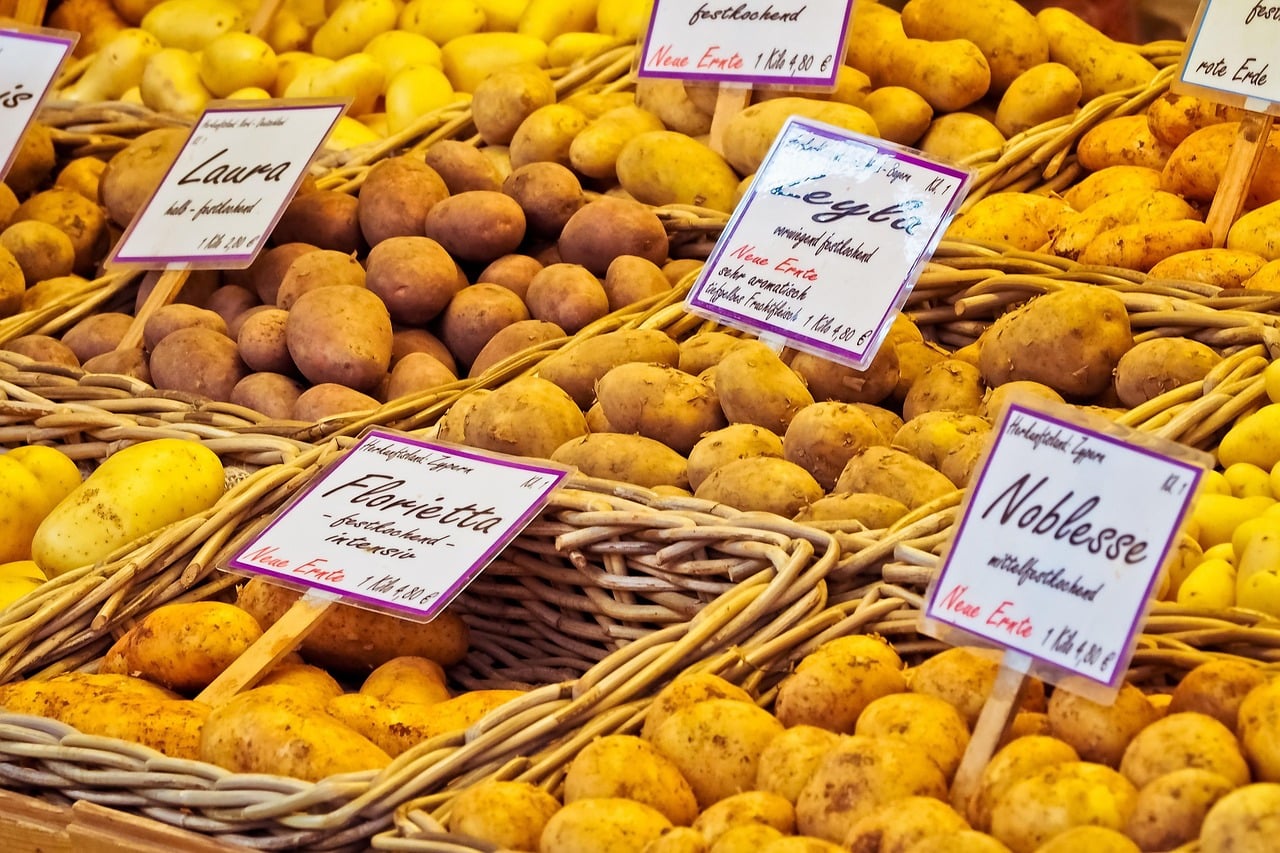
Food inflation has undeniably lifted menu prices across Canada over the past few years. Beef, potatoes, cooking oil, packaging, and wages have all become more expensive, and fast food operators have passed much of that cost through to customers. Industry reporting has consistently shown restaurants facing pressure from both supply chains and labor markets.
But inflation alone does not explain why one chain lands meaningfully above another. Some brands are chasing value-conscious traffic, while others are protecting a premium image and stronger per-order margins. In practical terms, that means two restaurants facing similar cost pressures can make very different pricing decisions.
Promotions further complicate the picture. A chain may post a higher regular combo price but rely on limited-time offers, app coupons, or loyalty rewards to lower the effective cost for repeat customers. For anyone who orders often, the "real" price is increasingly the digital one, not the menu board number.
What Canadian diners should take from the gap
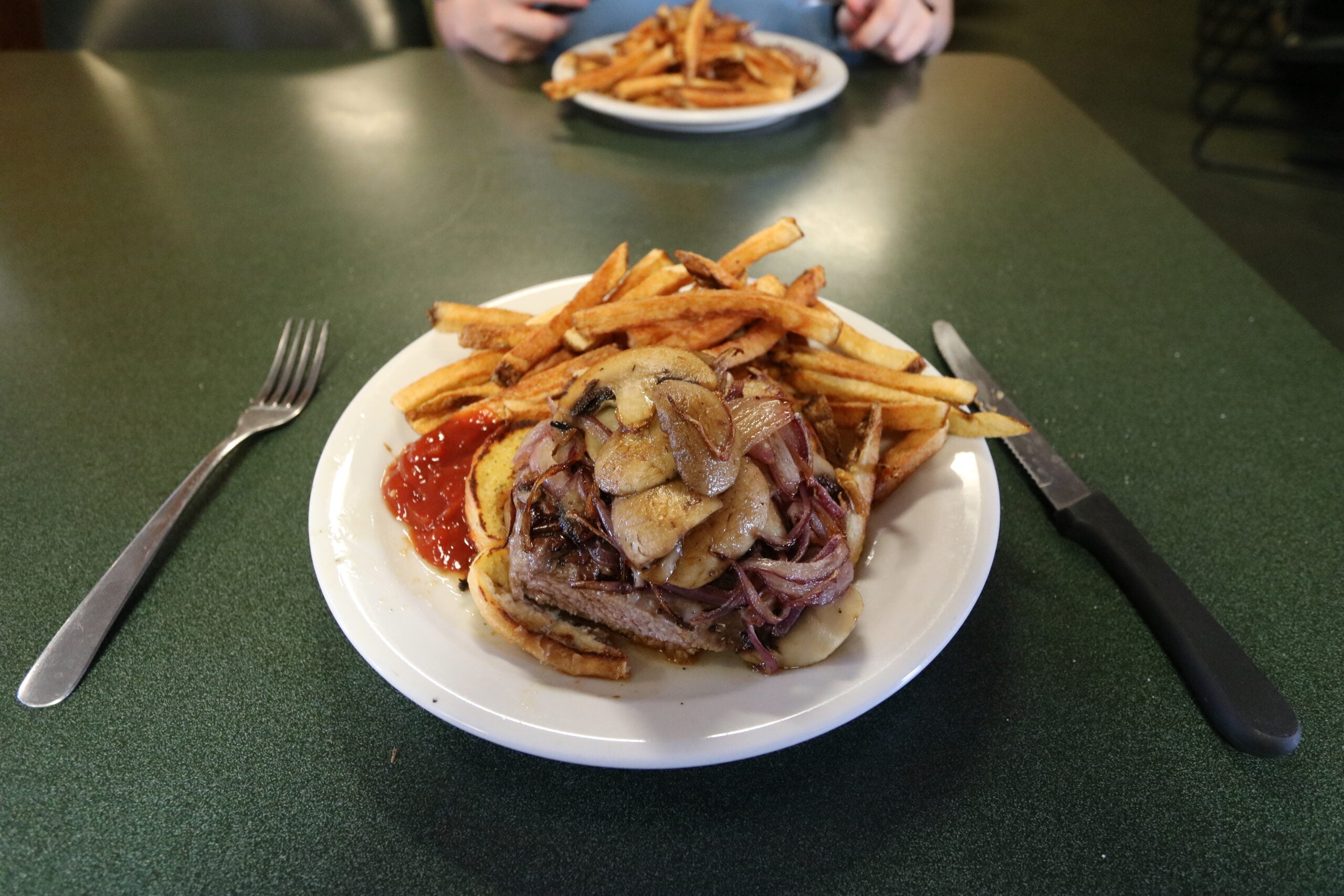
The clearest lesson is that fast food is no longer uniformly inexpensive. It can still be convenient, predictable, and quick, but the days of assuming every major chain offers roughly the same value are gone. A difference of $3 or $4 for a similar meal is now common enough that it deserves attention.
For budget-minded diners, the smartest move is to compare combo structures, check app-exclusive offers, and resist automatic upgrades. Small decisions at checkout have an outsized effect on the final total. If you are feeding a family, those price jumps multiply immediately.
For everyone else, the broader takeaway is simple. Fast food pricing in Canada now reflects a mix of branding, real estate, labor, digital strategy, and consumer psychology. The meal may look the same in your hands, but the bill tells a much bigger story.



Leave a Reply