
Canada has built a strong reputation for trustworthy food. But a good reputation is not the same thing as consistently better food.
The brand of Canadian food is powerful
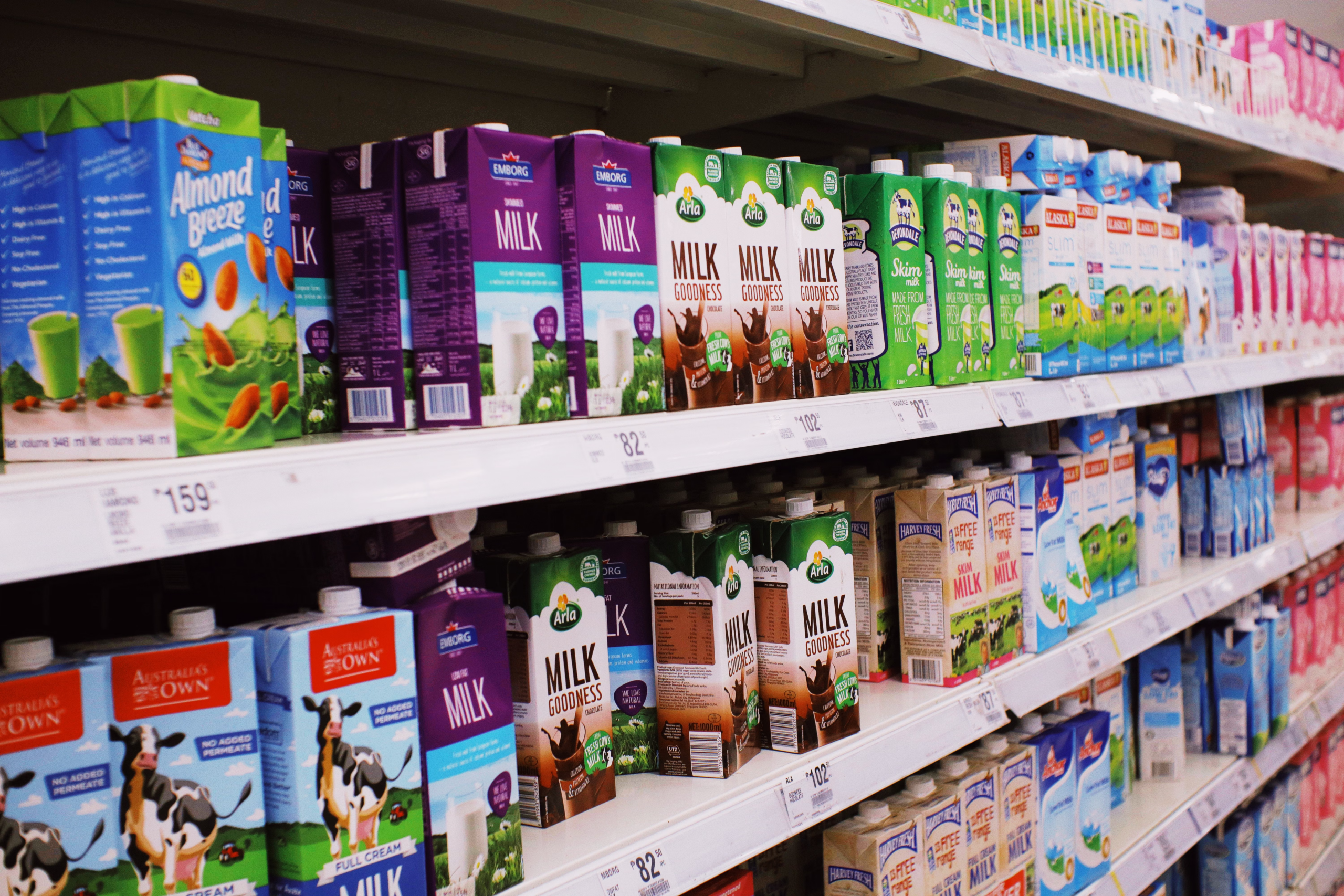
Canada is often associated with clean water, open farmland, strict regulation, and wholesome agricultural traditions. That image has real value because consumers tend to connect national identity with food quality. In stores, labels that suggest local origin, purity, or farm-fresh production can influence buying decisions before a product is even tasted.
The problem is that branding can blur the line between quality, safety, and price. A product can be safe without being exceptional. It can be Canadian without being especially fresh. It can also be marketed as premium while still coming from a highly industrial supply chain shaped more by efficiency than by nutrition, flavor, or transparency.
Safety standards are real, but they do not guarantee excellence
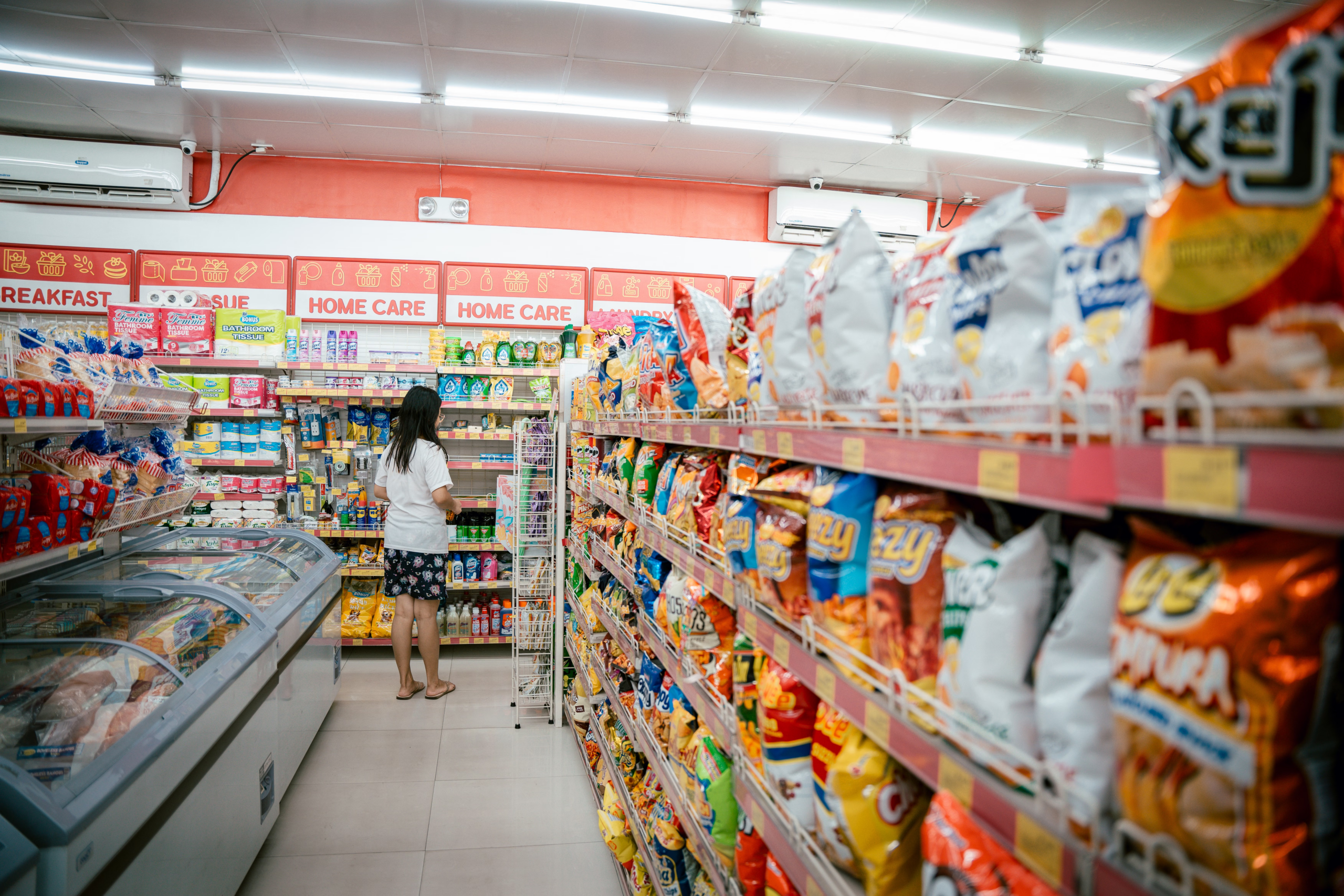
Canada does have a respected food safety system. Inspection frameworks, traceability rules, and federal oversight help reduce certain risks, and that matters. Compared with many countries, consumers can reasonably expect baseline protections against contamination, mislabeling, and some forms of unsafe processing.
Still, safe food is not automatically better food. Highly processed meals, sugary snacks, sodium-heavy packaged products, and lower-grade produce can all meet legal standards. Health advocates have long noted that a compliant system can still flood shelves with foods that are convenient and profitable but not especially nourishing or high quality in the way many shoppers imagine.
Grocery reality challenges the premium image
If Canadian food quality were consistently superior, many households might accept higher prices more easily. Instead, shoppers increasingly report sticker shock combined with uneven results. According to major food price tracking in recent years, household grocery budgets have risen sharply, yet many consumers feel they are paying more for smaller portions, shorter shelf life, and inconsistent freshness.
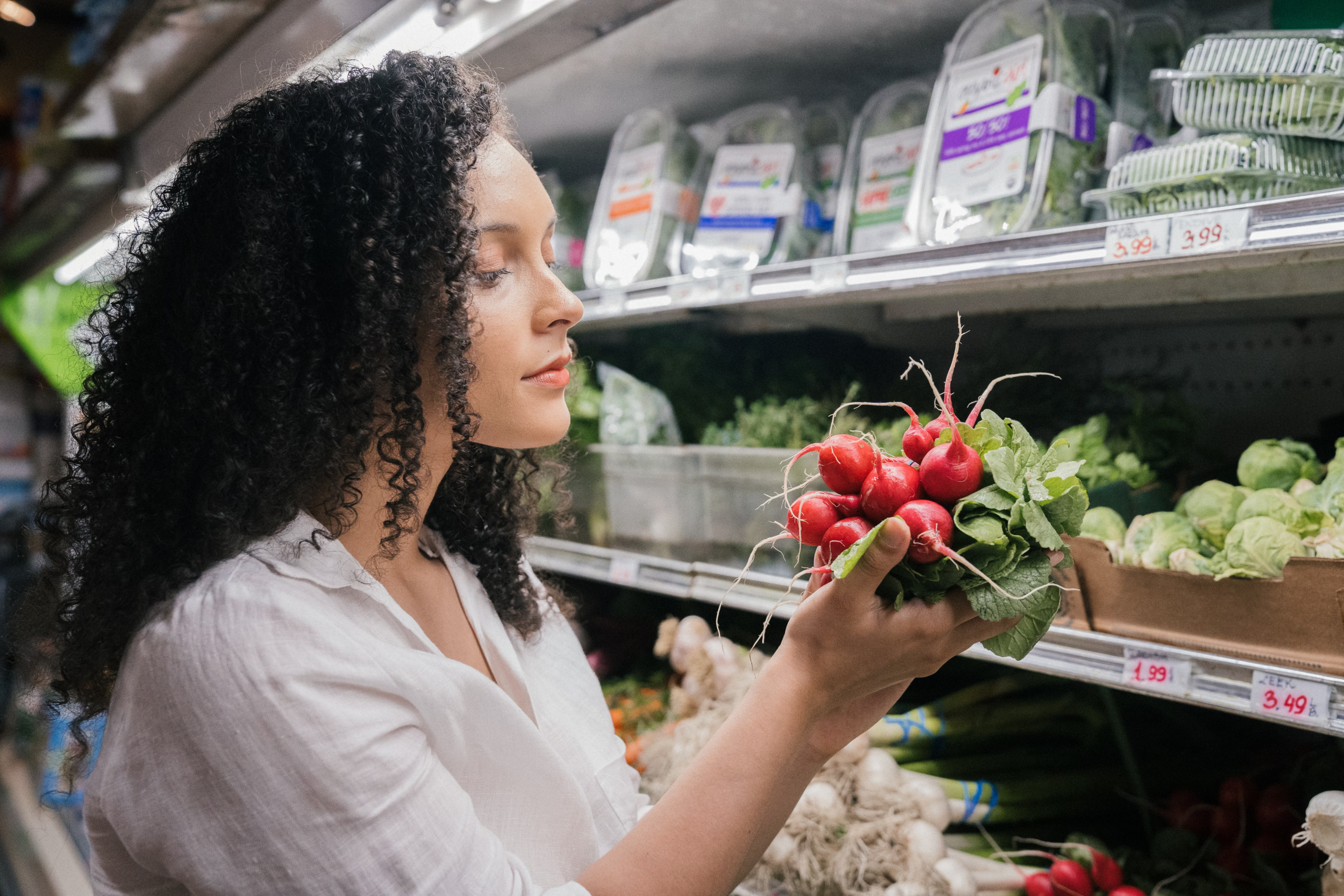
Produce is a common frustration. In winter especially, much of what is sold in Canada is imported and travels long distances before reaching stores. That does not make it bad by definition, but it weakens the idea that food sold in Canada is naturally fresher or better. High prices often reflect transportation, concentration in retail, and supply pressures rather than superior quality.
Local food is not the same as the entire food system
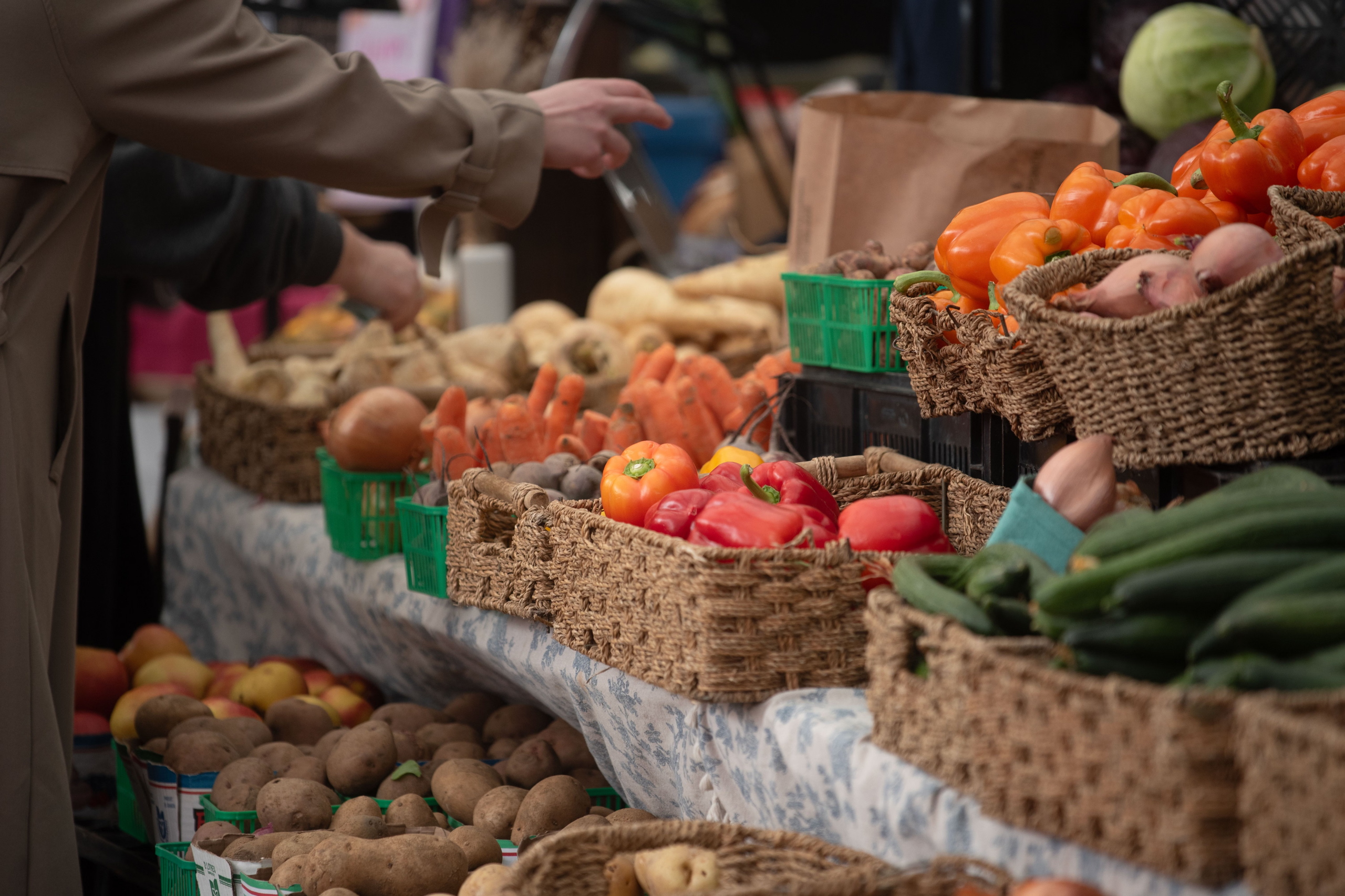
There are outstanding Canadian producers. Regional dairy, fisheries, grains, greenhouse vegetables, maple products, Indigenous food traditions, and small farm operations all contribute to genuine excellence. Farmers' markets and direct-to-consumer programs often deliver exactly the quality story people hope to find.
But those success stories do not represent everything in the average supermarket cart. Much of the national food system is dominated by large processors, major distributors, and a small number of powerful grocers. That concentration can prioritize margin, shelf stability, and uniformity over taste, freshness, or choice, leaving the national brand stronger than the day-to-day consumer experience.
Labels can mislead without technically lying

Food marketing rarely needs to say something false to create a false impression. Terms like natural, local, premium, farm raised, and made in Canada can carry emotional weight even when their practical meaning is limited. Packaging design, rustic imagery, and patriotic cues can make ordinary products appear more artisanal than they are.
Country-of-origin rules also confuse shoppers. A food item may be processed or packaged in Canada while key ingredients come from elsewhere. For consumers trying to buy local or judge freshness, that distinction matters. The result is a marketplace where national branding does a lot of persuasive work, even when the product itself offers little evidence of unusual quality.
The truth is more mixed than the myth

Calling Canadian food quality a total myth would go too far. Canada does produce many safe, reliable, and sometimes excellent foods. It also benefits from serious regulation, skilled producers, and agricultural strengths that deserve recognition. The issue is not that the country has no quality. It is that the reputation is often broader and shinier than the full reality.
For ordinary shoppers, the smarter question is not whether Canadian food is good or bad. It is when, where, and under what conditions that quality actually appears. Once marketing is separated from evidence, the picture becomes clearer: Canada's food image contains truth, but it also contains a sales pitch.




Leave a Reply