
Some snacks look expensive before you even open the bag. That does not mean they actually taste better.
The Setup Was Simple, and That Was the Whole Point
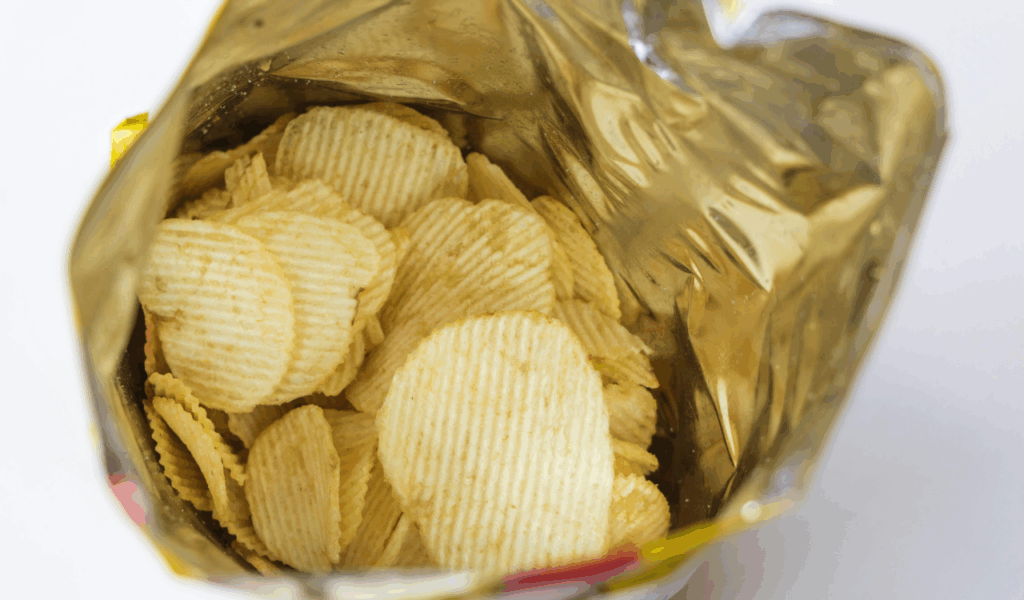
We wanted to test a claim that shows up everywhere now: if a food costs more, it must be made better. In the chip world, that idea has gotten especially loud, with boutique brands promising hand-cooked batches, rare potatoes, imported oils, and chef-driven flavor profiles. On paper, that sounds persuasive. On the tongue, it is a different story.
So we built a simple blind test. We bought several $10 options, including standard grocery-store multipacks and larger family bags that broke down to a low per-serving cost. Then we matched them against small-batch or luxury chips that came out to roughly $40 for a similar amount. Some were sold as premium kettle chips, some as artisanal vegetable chips, and some as limited-run flavored crisps.
To keep it fair, we served everything in identical bowls. Tasters had no packaging, no price tags, and no brand names to influence them. They scored each chip for crunch, salt balance, flavor depth, aftertaste, and whether they would actually want to keep eating it during a movie, at a party, or straight from the pantry.
That last metric mattered more than people think. A lot of expensive foods perform well in tiny, polite bites. Chips do not live in that world. Chips are judged by repeatability, craving, and whether your hand keeps going back into the bowl without needing a speech about provenance.
What the Expensive Bags Promised on Paper
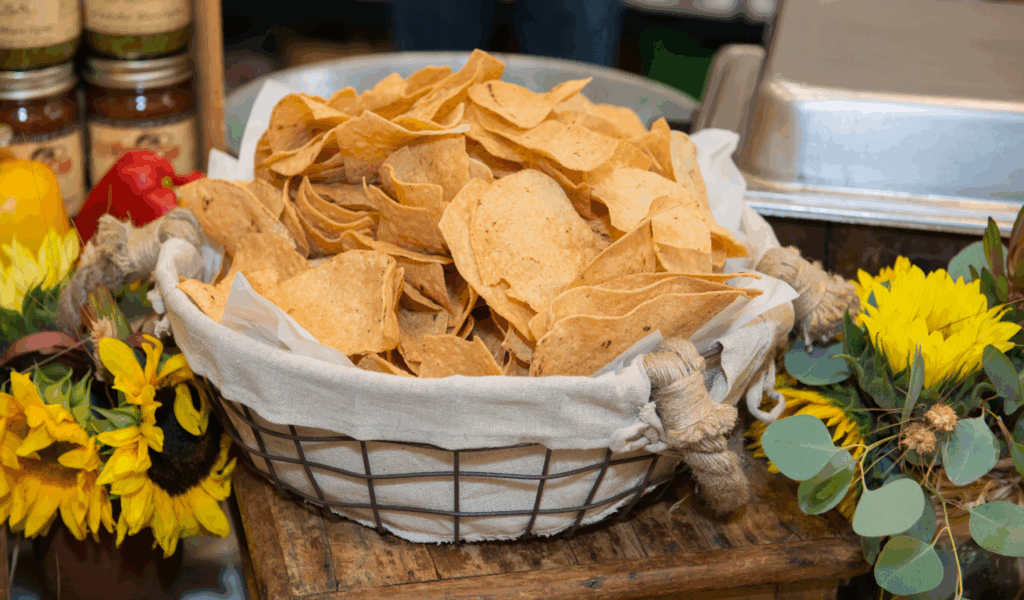
The premium chips came loaded with big claims. Packaging leaned hard on words like craft, heritage, barrel-aged seasoning, air-finished texture, and small-farm potatoes. One brand highlighted avocado oil and pink salt as if that alone guaranteed superior flavor. Another leaned into black truffle, which has become a kind of universal shorthand for luxury whether it improves a snack or not.
There is some real logic behind higher pricing. Smaller production runs often cost more per unit, and better oils can be more expensive than commodity blends. Premium seasonings, sturdier packaging, and niche retail distribution also raise shelf price. According to food industry analysts, packaging and positioning can dramatically increase perceived value even when ingredient differences are modest.
Still, chips are a brutally honest category. If oil quality is high but seasoning is timid, the eater notices. If the texture is beautifully rigid but the flavor disappears after two chews, that becomes the whole story. Several expensive entries seemed engineered to sound impressive in a product description rather than to dominate a blind tasting.
The most revealing thing was how often luxury cues shaped expectations before anyone even tasted a chip. Once the label vanished, so did a lot of the magic. Without the elegant matte bag and minimalist font, some of these chips landed as merely fine, which is not what people expect from a snack costing 3x or 4x more.
The Cheap Chips Did Not Care About Prestige, Only Flavor
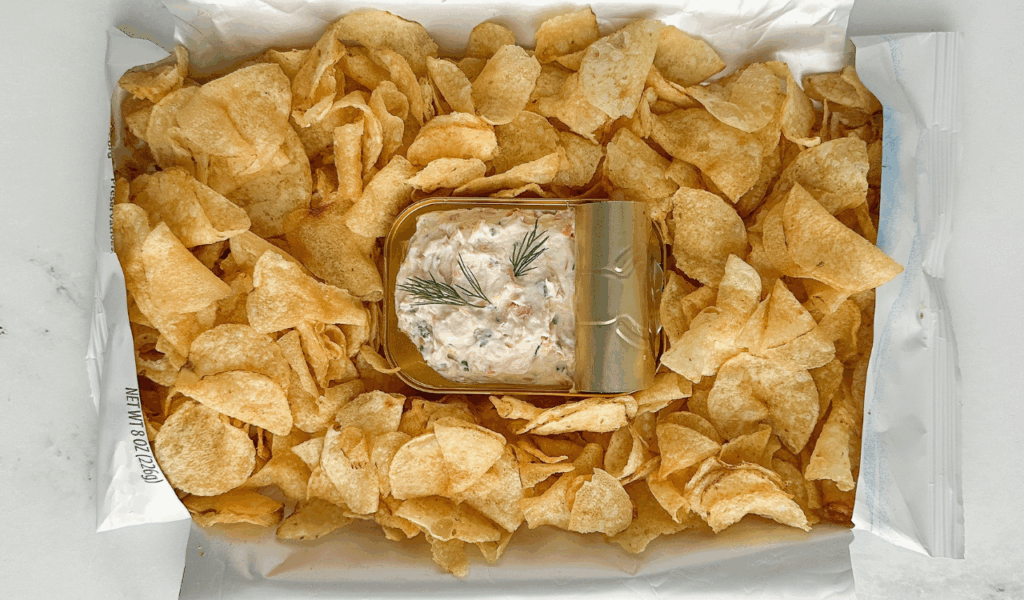
The lower-cost chips came in with no speeches and no identity crisis. They knew exactly what they were trying to do: deliver strong crunch, clear seasoning, and the kind of salt-fat balance that makes people reach for another handful. That confidence mattered. Budget chips were not chasing sophistication; they were chasing satisfaction, and in a snack test that is usually the smarter target.
Several tasters kept returning to classic salted and ridged options because they were so dialed in. The potato flavor was recognizable, the salt hit immediately, and the texture held up without scraping the roof of the mouth. In consumer testing across snack categories, familiarity often outperforms novelty, especially when people are eating in casual settings rather than evaluating products as a formal exercise.
That played out almost perfectly here. A premium rosemary-garlic chip got polite praise for aroma but low marks for repeat eating because the herb coating became tiring fast. A basic kettle chip from the cheaper side earned stronger overall scores simply because it tasted clean, crisp, and balanced from the first chip to the fifteenth.
Even the flavored budget entries did well when they stayed focused. Barbecue chips with a sweet-smoky profile beat a far pricier smoked sea salt variety that somehow tasted both muted and aggressive. That is the trap expensive snacks fall into all the time: complexity gets mistaken for pleasure, and the eater is left admiring the idea more than enjoying the food.
The Blind Ranking Was Rough for the Luxury Brands
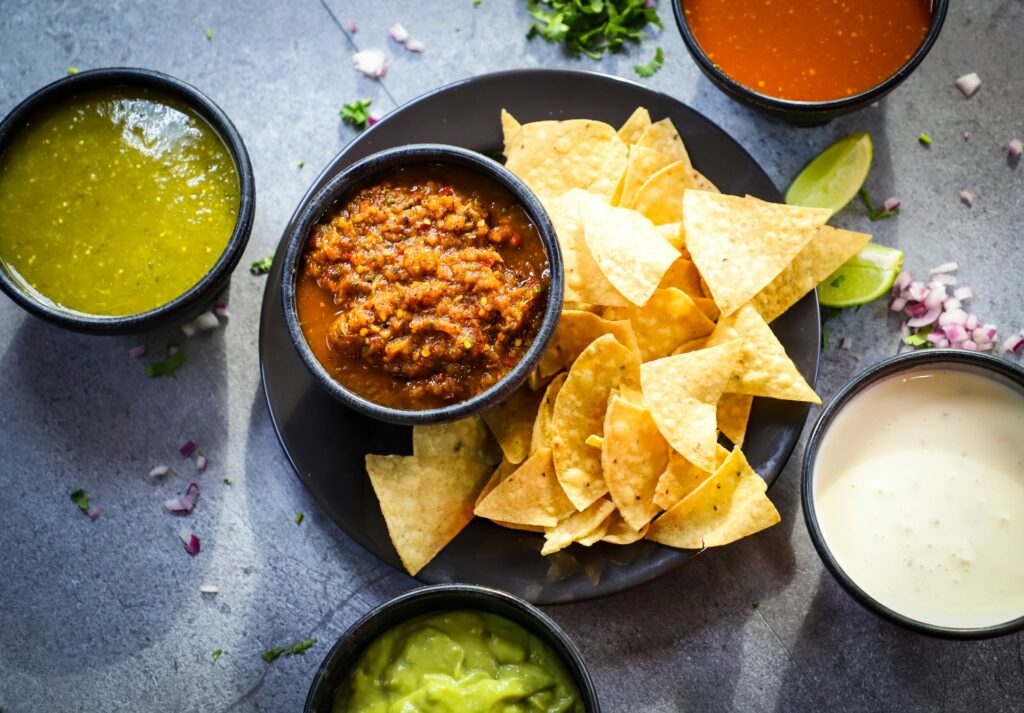
Once the scorecards were tallied, the result was not close. The top spots were dominated by lower-cost chips, especially those with straightforward seasoning and dependable crunch. Tasters consistently described them as "snackable," "dangerous," and "the one I'd actually buy," which in chip language is basically a standing ovation.
The premium chips were not total failures, but they underperformed relative to price in a way that felt impossible to ignore. One $40 equivalent truffle chip finished near the bottom because multiple tasters said it tasted synthetic and left an oddly dusty aftertaste. Another upscale sea salt and olive oil chip ranked in the middle, with comments praising texture but criticizing how bland it became after the first bite.
This is where blind tasting gets merciless. Prestige cannot rescue a chip that feels greasy, underseasoned, or weirdly sweet. Research in sensory science has long shown that branding can strongly affect perceived taste, and once that effect is removed, products have to stand on sensory performance alone.
The embarrassing part was not that expensive chips lost. It was that some lost to the most ordinary entries on the table, the kind of chips people buy for road trips, cookouts, and last-minute game nights. Stripped of branding, those humble bags turned out to be sharper, more disciplined products.
Why Price and Taste Break Apart So Easily
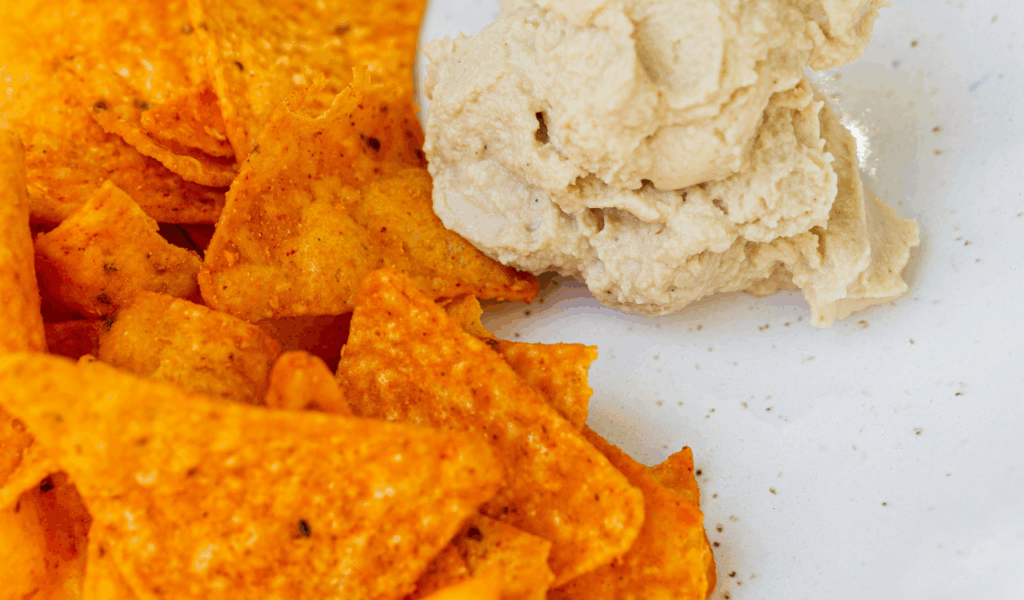
People often assume price reflects ingredient quality in a straight line, but snack foods rarely work that way. Sometimes you are paying for imported oils, niche seasonings, or smaller batches. Just as often, you are paying for story, scarcity, and packaging that signals status before the bag is even opened.
Chips also have a very specific job. They are not supposed to challenge you, and they do not benefit much from subtlety. A chip has seconds to make an impression, so bold seasoning, strong aroma, and satisfying texture usually outperform restrained elegance. In categories like wine or coffee, nuance can be the point. In chips, nuance can read as weakness.
There is also the question of context. People eat chips at parties, in cars, at lunch, and while half-watching television. In those moments, nobody wants to analyze notes of thyme blooming over heritage tubers. They want crunch, salt, and flavor that pops instantly and keeps working.
That is why mainstream brands are so hard to beat. They have decades of formulation, massive sensory testing, and ruthless consistency behind them. They are engineered not just to taste good once, but to taste good in exactly the same way every single time, which is less romantic than artisanal language and much more useful in real life.
So, Are Expensive Chips Ever Worth Buying?
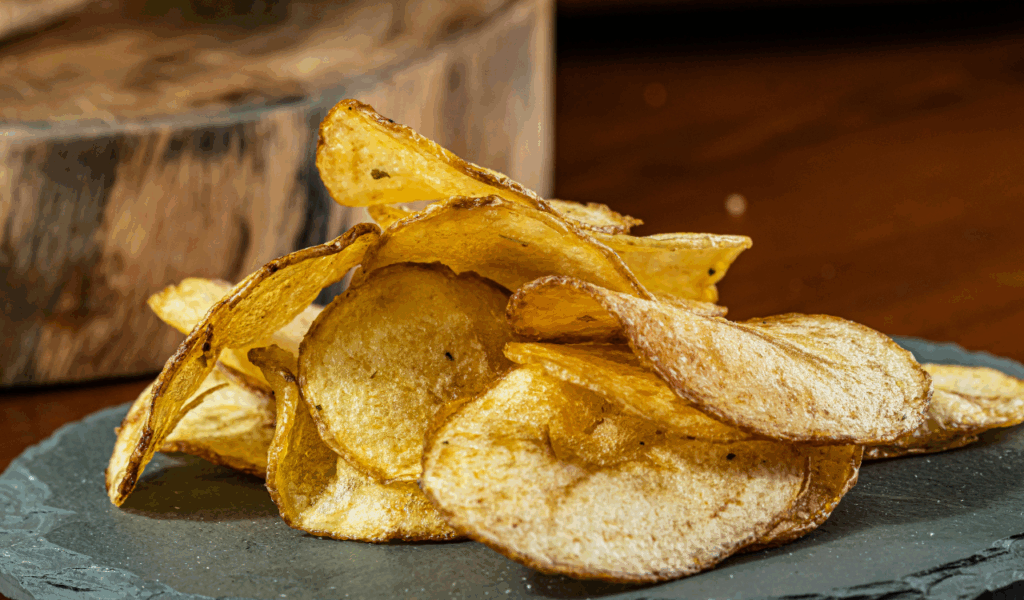
Yes, sometimes. If you enjoy unusual ingredients, limited-edition flavors, or the novelty of trying something outside the supermarket norm, premium chips can be fun. They can also work well for gifting or for building a snack board where presentation matters almost as much as flavor. There is nothing wrong with paying extra for curiosity or aesthetics if you know that is what you are buying.
But if your goal is pure eating pleasure, the test made the answer pretty plain. Most people should save the money and buy the cheaper chips they already trust. The best performers in our lineup delivered everything chips are supposed to deliver, and they did it without charging luxury prices for ordinary results.
The broader lesson goes beyond snacks. Expensive packaging can create a halo that our brains mistake for quality, especially in categories where branding is strong and sensory differences are smaller than advertised. Blind tasting cuts through that instantly, which is why it remains one of the best reality checks in food.
In the end, the $10 chips won because they understood the assignment. They were crunchy, salty, flavorful, and impossible to stop eating. The $40 chips wanted admiration. The cheaper ones just wanted another handful, and that turned out to be the smarter strategy by far.



Leave a Reply