
Some Walmart deals are obvious. The best ones often are not.
Regular shoppers have learned that saving money at Walmart is less about luck and more about knowing where the retailer quietly places markdowns, how prices change, and when hidden discounts appear.
The biggest Walmart savings usually do not sit in the weekly ad
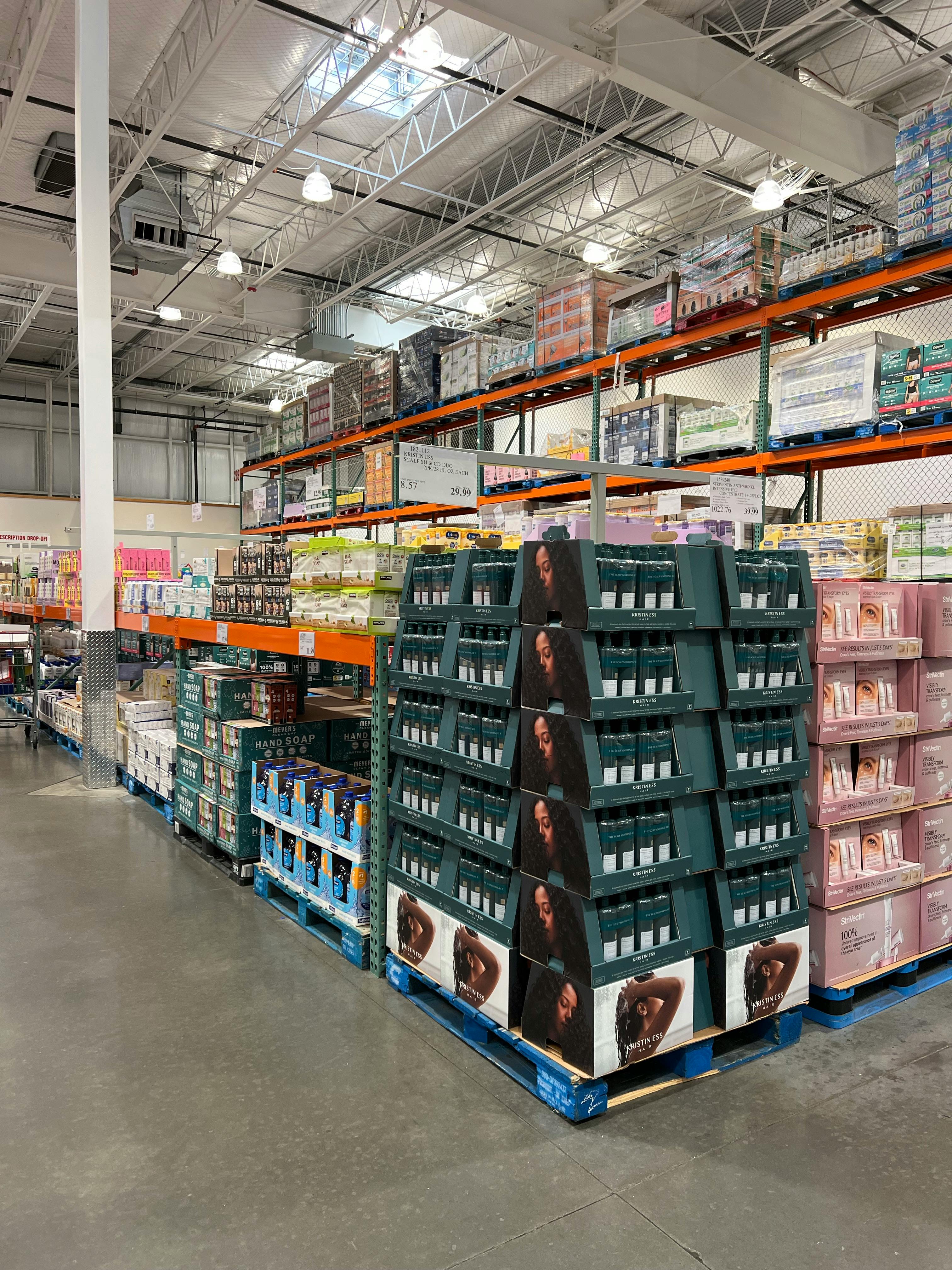
The first thing experienced Walmart shoppers understand is simple: the advertised sale is only one layer of the pricing system. Walmart moves enormous volumes of inventory, and that means prices are constantly adjusted at the store level as well as online. A product can be discounted because of season changes, packaging updates, low local demand, or an overstock situation that never appears in a major promotion.
This is why regulars often scan endcaps, sidekick displays, and clearance sections even when nothing exciting is listed in the app banner. Store managers have room to clear specific merchandise faster, especially in categories like home goods, apparel, toys, and small kitchen appliances. In practice, that creates pockets of savings that feel random to casual shoppers but predictable to people who check often.
Retail analysts have long noted that large chains use layered markdown strategies to protect margins while still moving inventory. Walmart is particularly effective at this because it combines national pricing power with highly localized inventory decisions. The result is a store where one shopper sees ordinary shelves, while another sees a cart full of products marked far below standard retail.
That gap in knowledge explains why regulars stock up quietly. They know that hidden deals are usually limited, unevenly distributed, and gone quickly once discovered. By the time a broad audience notices them, the strongest markdowns have often disappeared.
Clearance timing is one of the most overlooked parts of the Walmart strategy

A smart Walmart run is often about timing more than product choice. Many regulars know that markdowns tend to deepen in stages rather than all at once. An item may move from full price to a modest reduction, then drop again if inventory lingers. Shoppers who understand this cycle often revisit the same departments weekly, waiting for the right point between availability and the lowest likely price.
Seasonal transitions are especially important. Patio goods, gardening supplies, holiday decor, school items, and winter apparel often enter a markdown pipeline as new inventory arrives. Walmart has to make space quickly, and that pressure can create excellent deals on products that are still perfectly useful. A grill accessory in late summer or storage bins after back-to-school season can become far cheaper than most people expect.
The quiet advantage belongs to people who shop off-cycle. Buying gift wrap in January, beach towels in September, or space heaters in early spring sounds unglamorous, but it is one of the oldest and most reliable retail savings strategies. At Walmart, where inventory turns fast, these transitions can produce steep reductions before merchandise disappears entirely.
There is also a practical reason regulars buy in multiples when they find these drops. Staples such as socks, pantry items, paper products, and cleaning supplies do not become less useful just because they were marked down quietly. If the unit price is meaningfully lower and the shelf life is long, stocking up is often the most rational move.
The Walmart app and online listings reveal deals many aisle shoppers never see

One of Walmart's least understood advantages for informed shoppers is its digital layer. The app is not just a convenience tool for pickup orders. It is often the fastest way to compare in-store prices, spot rollbacks, check nearby stock, and identify online-only markdowns that may be available for shipping, pickup, or delivery. Many shoppers walking through the aisles never think to verify whether the same item is cheaper through Walmart's digital channels.
Price differences between online and in-store listings can happen for several reasons. Marketplace competition, regional demand, promotional testing, and inventory balancing all play a role. Sometimes a customer standing in front of a shelf can scan an item and find a lower app price. In some cases, they may also find larger value packs, bundle deals, or substitute brands with a significantly better cost per unit.
Regular shoppers also use the app to monitor products they buy repeatedly. Baby supplies, pet food, vitamins, coffee pods, razor cartridges, and laundry essentials are common watch-list items because small changes in unit cost add up quickly over time. A household that saves even a few dollars each week on recurring needs can reduce annual spending by a meaningful amount.
The digital side matters for another reason. Hidden deals are not always labeled dramatically. Some simply appear as quiet price cuts without flashing banners or promotional language. Shoppers who search deliberately often find the savings first, while everyone else waits for a sale sign that may never come.
Private labels and unglamorous categories often hide the strongest value

Some of Walmart's best deals are not markdowns at all. They are everyday low prices in categories shoppers tend to overlook because the products are ordinary. Great Value, Equate, Mainstays, Parent's Choice, and other Walmart-owned brands often undercut national labels in ways that become significant when measured across a month or year. For budget-focused shoppers, these are not compromise purchases by default. They are part of a deliberate strategy.
Store brands have improved sharply across the retail industry, especially in pantry staples, household supplies, over-the-counter medicines, and basic home goods. Industry reporting has shown sustained consumer migration toward private labels during inflationary periods, and Walmart has benefited from that shift. A shopper comparing ingredient panels, count sizes, and active ingredients will often find that lower-cost alternatives deliver comparable utility at a lower price.
The less glamorous the aisle, the bigger the opportunity often is. Trash bags, aluminum foil, dry pasta, disinfecting wipes, cotton rounds, sandwich bags, and ibuprofen rarely inspire excitement, but they are exactly where disciplined shoppers protect their budgets. These purchases recur often, and brand loyalty can quietly cost more than most households realize.
Regulars stock up in these areas because value compounds. Saving 50 cents on one item is trivial. Saving 50 cents across 20 routine products, week after week, changes the math of household spending in a very real way.
Local store differences can create surprising deal pockets for attentive shoppers
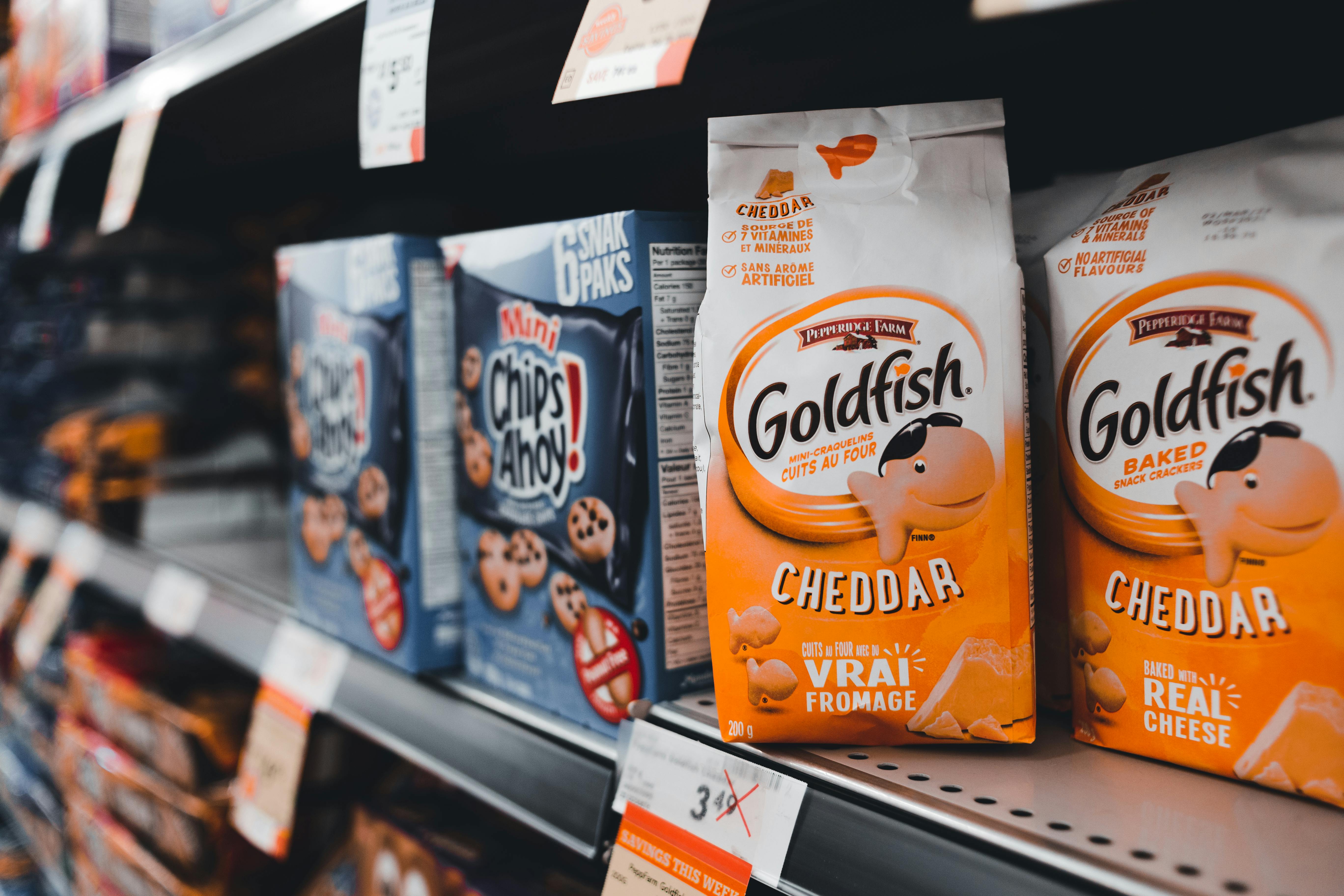
What many people call a Walmart deal is often really a local inventory story. One store may have excess blenders, another may be overloaded with toddler clothing, and a third may need to clear outdoor furniture fast because floor space is tightening. This means two shoppers living a few miles apart can see dramatically different bargains on the same day. Regulars who understand this sometimes rotate between locations rather than relying on a single store.
Neighborhood demand matters more than shoppers assume. Stores in commuter-heavy areas may clear different categories than stores near colleges or family-dense suburbs. Weather patterns, local events, and shopping habits also shape markdown urgency. A product that stalls in one market may sell at full price in another, which is why hidden deals can feel inconsistent unless you understand the local nature of retail operations.
This is also why smaller clearance sections should never be dismissed. Some of the strongest bargains are not stacked in one obvious corner. They are scattered back into regular aisles with yellow tags, moved to endcaps, or placed near checkout-adjacent impulse zones. Walmart prioritizes speed and space management, so discounted items do not always get theatrical presentation.
Attentive shoppers develop routines around this. They walk familiar routes, notice missing products, watch shelf tags, and recognize when a category is being reset. To an outsider, it looks like casual browsing. In reality, it is pattern recognition built from repeated visits and a sharp eye for pricing changes.
The smartest stock-up habits are disciplined, not impulsive

The phrase "stocking up" can sound reckless, but the most effective Walmart shoppers are not panic buyers. They are selective. They focus on goods with stable usefulness, long shelf life, and a proven place in the household budget. Paper towels, canned foods, detergent, toiletries, batteries, and freezer-friendly staples make sense when the discount is genuine and storage space exists. Decorative clutter at 70% off usually does not.
A useful rule is to calculate the real value before buying multiples. Check unit pricing, expiration dates, household consumption speed, and whether the product is truly a repeat purchase. A hidden deal is only a smart deal if it prevents future higher-cost spending. If the item sits unused or expires, the savings were imaginary.
There is also a psychological edge to how regulars shop. They do not chase every markdown. They wait for categories they know well, compare prices confidently, and move quickly when the economics make sense. That calm approach is what separates strategic stocking up from emotional bargain hunting.
In the end, Walmart is not exactly hiding deals behind a curtain. It is simply operating a pricing system that rewards attention, timing, and familiarity. The regulars who leave with the best bargains are usually the ones who understand that the real savings are often quiet, local, and gone before the crowd catches on.



Leave a Reply