
Toronto's dessert scene keeps getting more exciting. This latest Filipino collaboration is the kind of release that feels both deeply familiar and completely fresh.
A collaboration rooted in Filipino dessert tradition
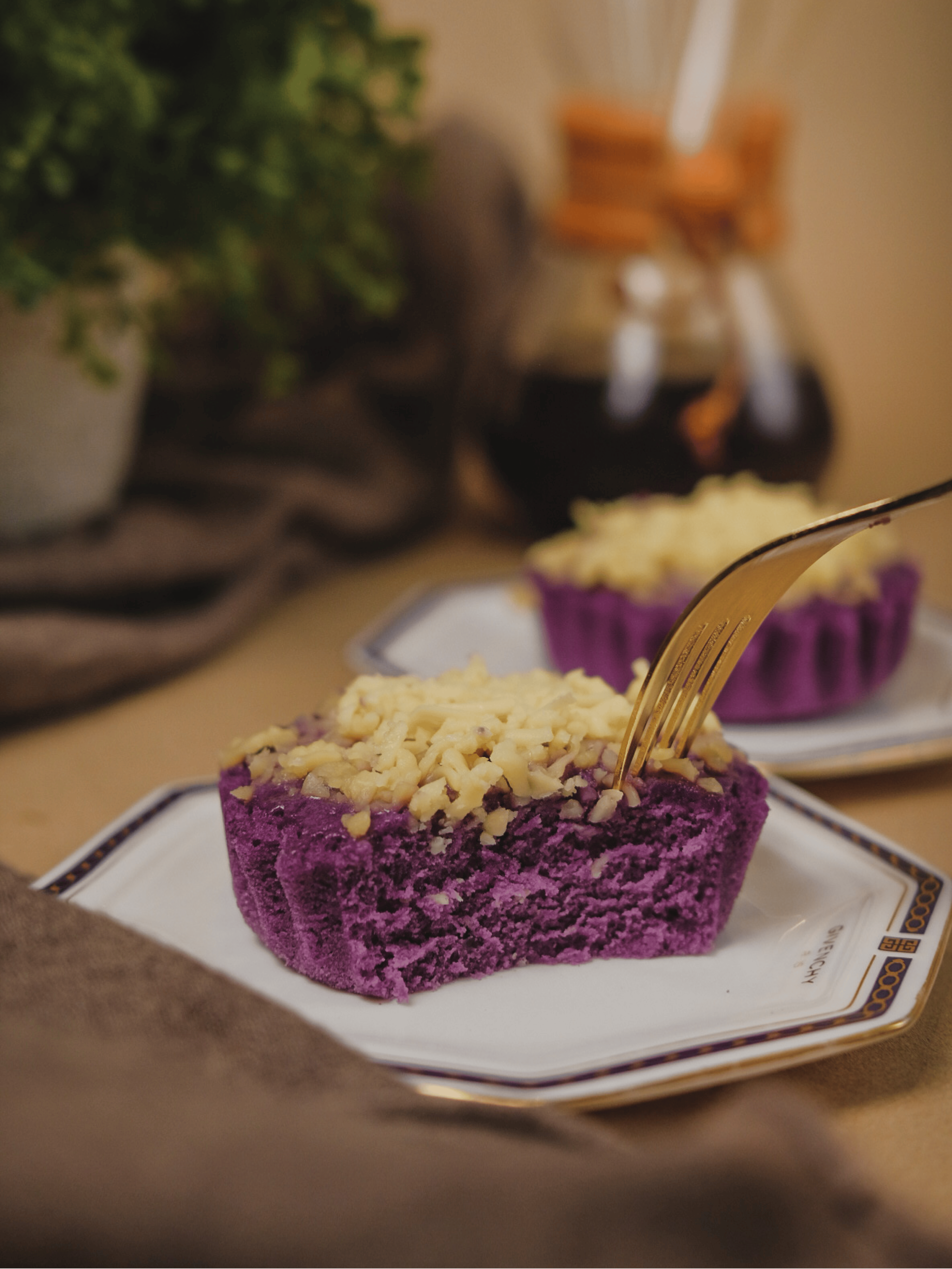
At the center of the buzz are two Toronto Filipino dessert brands, ButterBites and Kravings joining forces around two beloved flavors: ube and leche flan. On paper, it sounds simple. In practice, it taps into one of the richest dessert traditions in Filipino cuisine, where texture, color, and nostalgia often matter as much as sweetness.
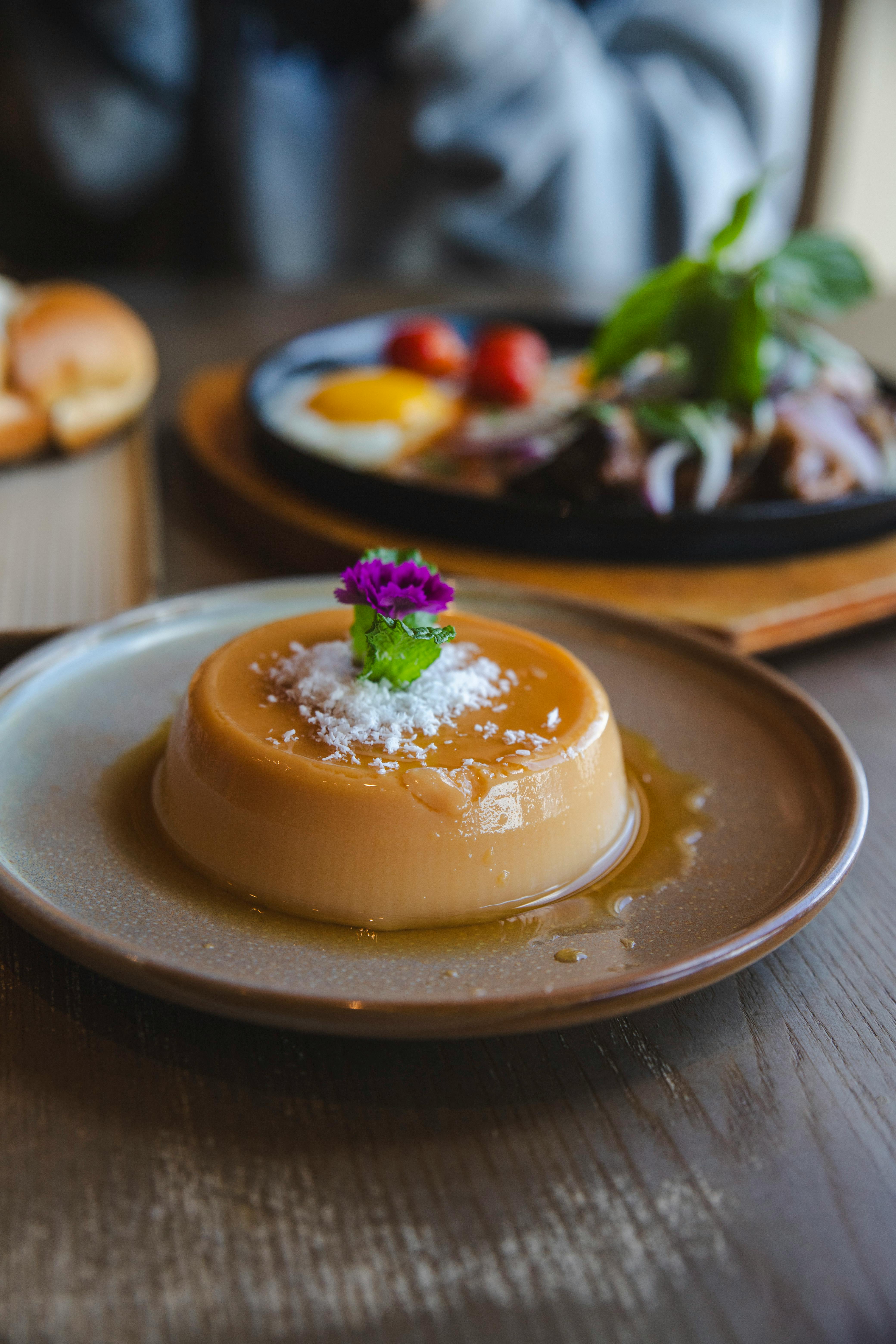
Ube, the vivid purple yam that has become a global visual signature for Filipino desserts, brings an earthy, mellow sweetness. Leche flan, by contrast, is all silk and richness, built on egg yolks, milk, and caramel. Together, they create a flavor pairing that many Filipinos already know well from family celebrations, holiday tables, and bakery counters.
What makes this release notable is not just the combination itself, but the decision to present it as a branded collaboration in Toronto's highly competitive sweets market. That signals confidence in a customer base that increasingly recognizes Filipino dessert culture as more than a niche. It is now a category with staying power, devoted fans, and crossover appeal.
This is part of a wider pattern in Canadian cities where diasporic food brands are shaping mainstream tastes rather than waiting for mainstream approval. Filipino businesses in particular have found momentum by offering products that feel authentic without being inaccessible to first-time customers.
Why ube and leche flan work so well together
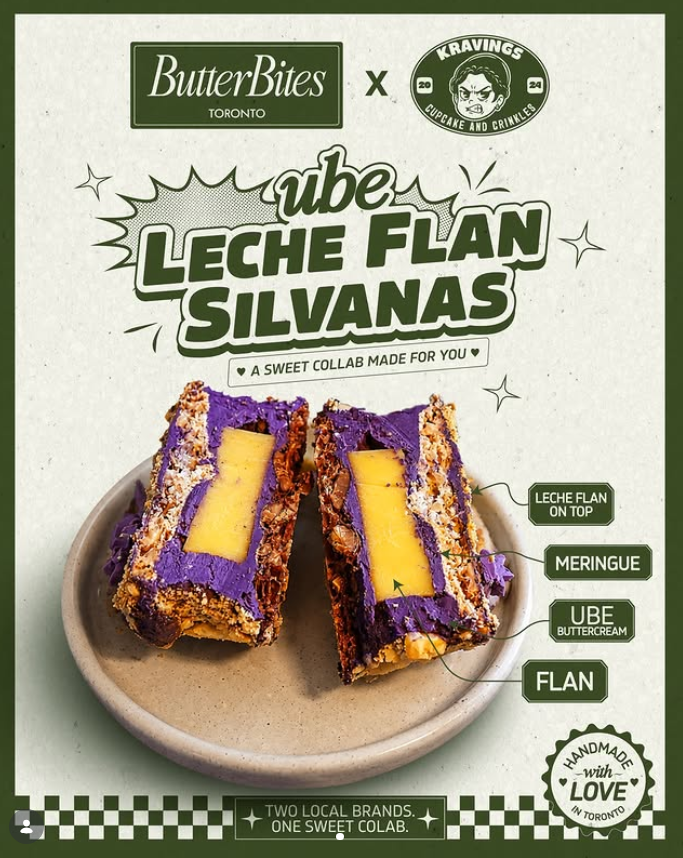
The strength of this treat starts with balance. Ube on its own can be gentle and understated, especially when compared with stronger dessert flavors like chocolate, coffee, or citrus. Leche flan brings weight, creamy density, and a caramelized finish that gives the pairing structure.
That contrast is important because successful desserts often rely on complementary textures as much as taste. Ube tends to appear in soft cakes, halaya, ice cream, or whipped fillings. Leche flan delivers a custard texture that is firmer, smoother, and more luxurious. When layered or combined well, the result feels more dimensional than either component alone.
There is also a cultural reason the pairing resonates. Filipino celebrations often feature desserts that are intentionally rich and visually festive, from halo-halo to brazo de mercedes to cassava cake. Ube and leche flan both fit naturally into that world. They are ingredients and formats associated with generosity, abundance, and special occasions.
For non-Filipino customers, the appeal is immediate. The bright purple tone of ube catches the eye, while leche flan offers a recognizable entry point because it shares qualities with crème caramel and other custard desserts. That makes the collaboration easy to understand, even for people encountering these flavors for the first time.
Toronto has become fertile ground for Filipino sweets
This launch would not have landed the same way a decade ago. Toronto's food audience is now far more engaged with regional Asian desserts, specialty bakeries, and culturally specific flavor profiles. Consumers have shown a willingness to line up for limited drops, seasonal pastries, and small-batch sweets that carry a strong identity.
Filipino food in Canada has also moved into a stronger public spotlight. Savory staples like adobo, sisig, and tocino have helped build awareness, but desserts have followed closely behind. Ube especially has become a breakout success because it is photogenic, versatile, and easy to adapt into cakes, cookies, soft serve, and beverages.
For Filipino entrepreneurs, this creates a rare sweet spot. They can serve the community with products rooted in memory while also attracting customers who are simply curious and hungry for something new. That dual audience matters because it supports both cultural preservation and business growth.
Toronto is particularly suited to this kind of crossover. Its neighborhoods, bakeries, and pop-up markets reward experimentation, and diners often seek out stories behind what they eat. A dessert collaboration between two Filipino brands fits naturally into that ecosystem because it offers both taste and narrative.
More than a trendy dessert release

The easiest way to read a launch like this is as a social-media-friendly novelty. The better way is to see it as an example of how immigrant-founded food businesses are defining the city's culinary future. Dessert, after all, is often where identity can be expressed with the least compromise.
Many heritage dishes are adjusted for broader markets, sometimes losing complexity in the process. Sweets tend to travel differently. They can preserve visual cues, ingredients, and emotional memory while still feeling playful and modern. That is one reason collaborations like this matter beyond the product itself.
They also show how brand partnerships can work within local food communities. Instead of competing for the same customer attention, businesses can combine strengths, expand reach, and create excitement that neither might generate alone. In practical terms, collaborations drive trial, social sharing, and repeat visits.
For Filipino Canadians, there is another layer. Seeing familiar flavors treated as premium, desirable, and city-defining products carries cultural weight. It validates the everyday desserts many grew up with and places them at the center of one of Toronto's most dynamic food conversations.
What customers are really buying

People are not just buying sugar and presentation. They are buying a dessert that carries memory for some and discovery for others. That distinction helps explain why Filipino sweets continue to gain traction across demographics, especially in large urban markets like Toronto.
For customers with Filipino roots, an ube leche flan treat can evoke birthday parties, fiestas, and bakery visits with family. The flavor profile may feel instantly legible, even comforting. In a city where food often becomes a marker of identity and belonging, that emotional connection is a serious advantage.
For newcomers, the appeal lies in a mix of novelty and familiarity. Ube offers a color and flavor that feels different from standard North American bakery fare, while leche flan is close enough to classic custard desserts to seem approachable. That lowers the barrier to trying something outside one's usual routine.
This is exactly how many culturally specific foods move into wider popularity. They do not abandon their roots. They find a format, setting, or collaboration that helps more people understand why the original flavors mattered in the first place.
A sign of where Toronto's dessert culture is heading
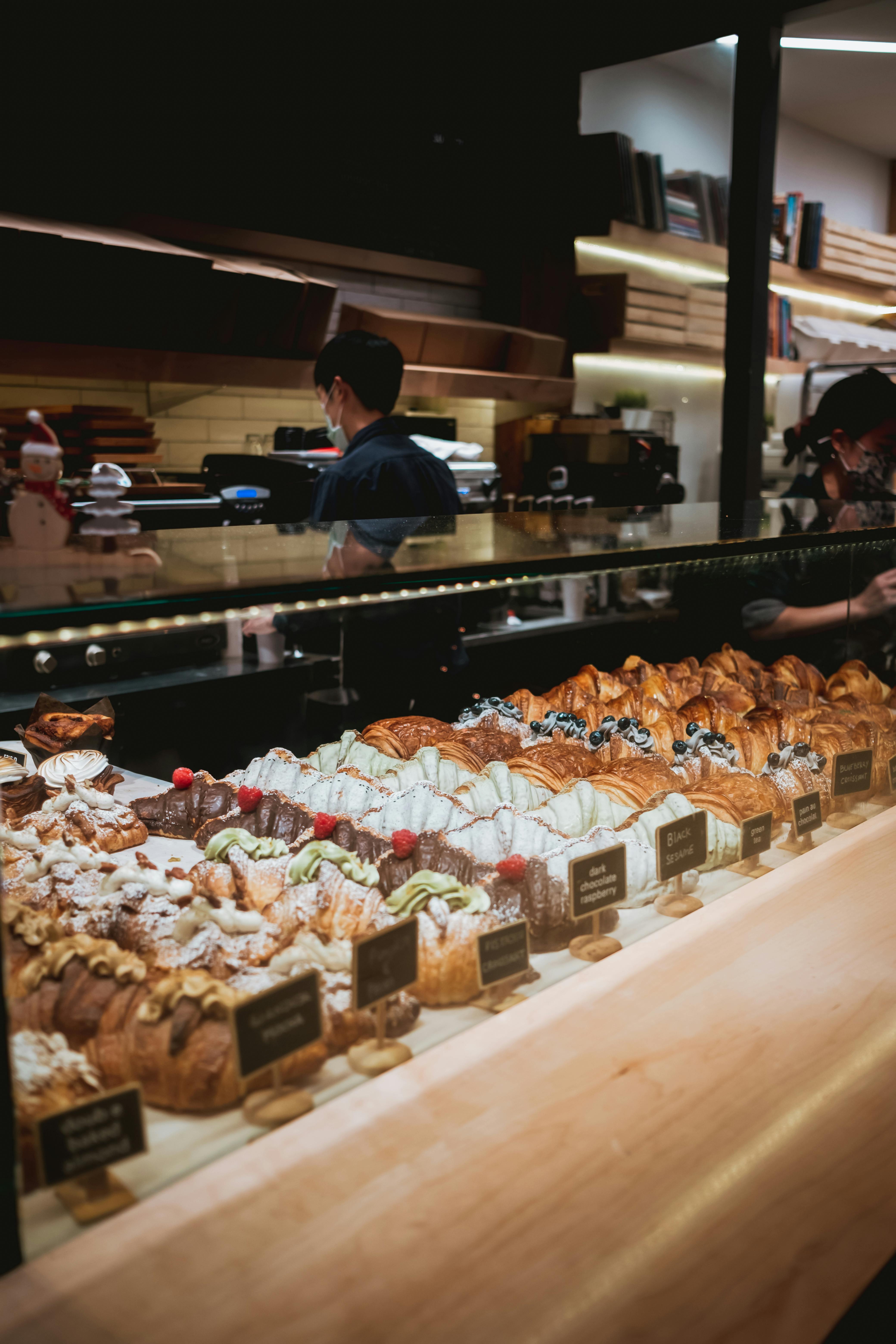
This collaboration points to a bigger shift in how food trends are being created in the city. Increasingly, they are not flowing only from legacy institutions or global chains. They are emerging from independent brands with strong cultural identities and a clear point of view.
That matters because dessert has become one of the most agile categories in modern food retail. It is visual, giftable, shareable, and ideal for limited-edition releases. Brands that understand both heritage and presentation are especially well positioned to stand out, and Filipino dessert makers have shown real skill in that space.
The ube leche flan release also suggests that Toronto diners are ready for more nuance. They are not just chasing the most eye-catching purple dessert. They are increasingly open to the stories, traditions, and craftsmanship behind it. That is good news for businesses building from cultural specificity rather than watering it down.
If this treat succeeds, it will not be because it is merely pretty or trendy. It will be because it captures something Toronto wants more of right now: desserts with a point of view, a strong sense of place, and flavors that mean something.




Leave a Reply