
Trade policy rarely feels personal until it shows up on a grocery bill. That is exactly why Trump's latest tariff reversal matters far beyond politics.
Why the U-turn matters now

What changed is not simply tone. When tariff threats ease or are delayed, importers, wholesalers, and food manufacturers can plan with less fear that key ingredients or packaging inputs will suddenly become more expensive.
That matters because food pricing is built on layers of cost. A box of cereal, a bag of frozen vegetables, or a bottle of cooking oil reflects transportation, processing, labor, exchange rates, and trade policy all at once.
According to economists who track North American supply chains, even temporary relief from tariff escalation can lower the risk premium businesses build into contracts. In plain terms, companies stop pricing in worst-case scenarios quite so aggressively.
For Canada, that creates a quiet advantage. A country that imports heavily from the U.S. but also balances sourcing through domestic production and other trade partners can benefit faster when uncertainty fades and cross-border costs stabilize.
How Canadian food prices could benefit
The first effect is often invisible to shoppers. It starts with importers paying less to hedge against sudden policy shocks, which can make ordering fresh produce, grains, meat inputs, and shelf-stable goods less risky.
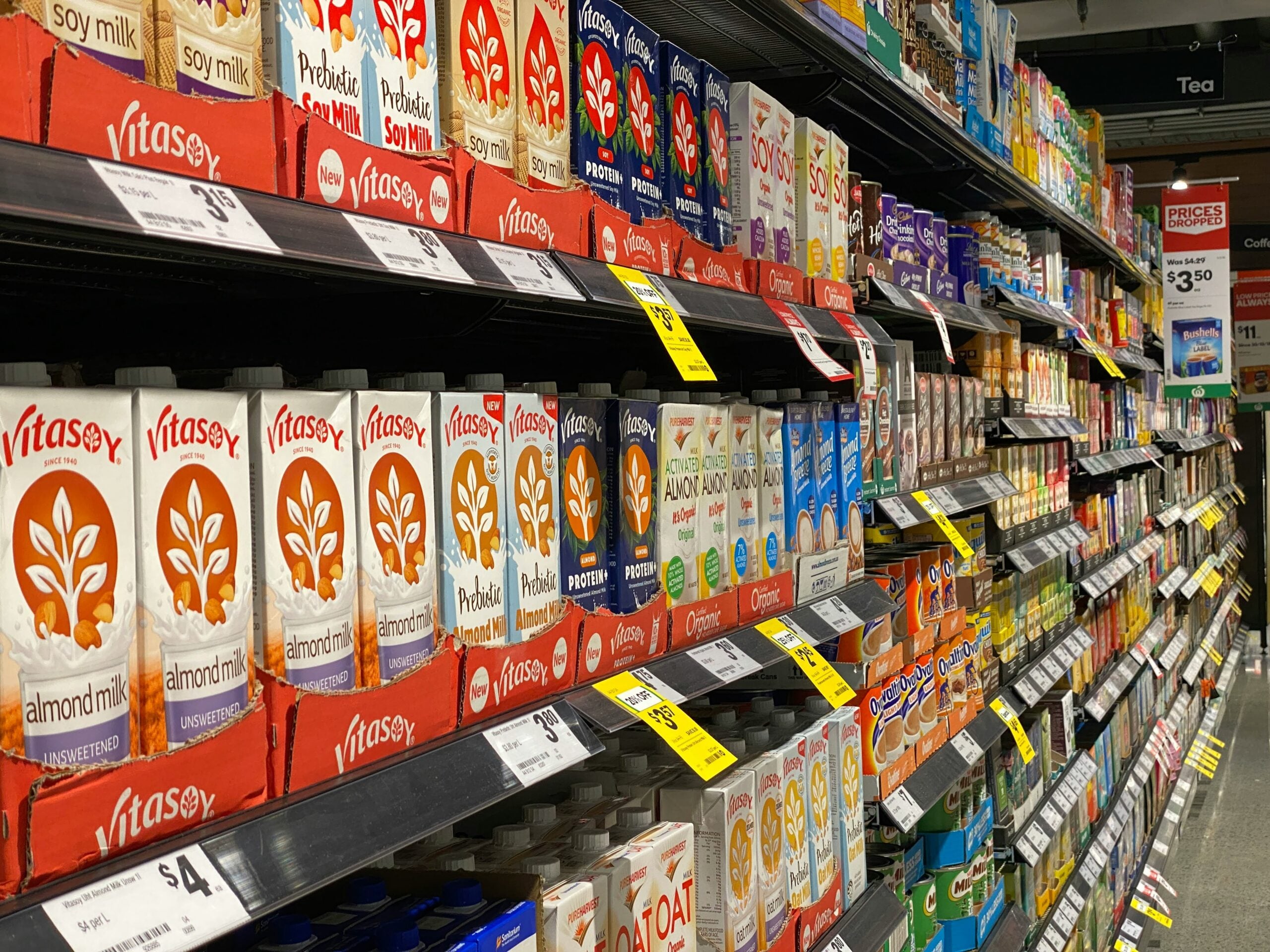
Canadian grocers have spent the past few years managing unusually volatile costs. Weather events, fuel swings, labor shortages, and global disruptions have all pushed retailers to protect margins carefully, sometimes passing those pressures to consumers.
If U.S. tariff pressure cools, categories tied closely to North American trade may see the fastest relief. Think processed foods, bakery ingredients, canned goods, snack products, and many items that cross the border more than once before landing on store shelves.
This does not mean grocery prices suddenly drop across the board. More realistically, it means fewer sharp increases, more promotional activity, and slightly better negotiating conditions between Canadian retailers and their U.S.-linked suppliers.
The sectors most likely to feel it
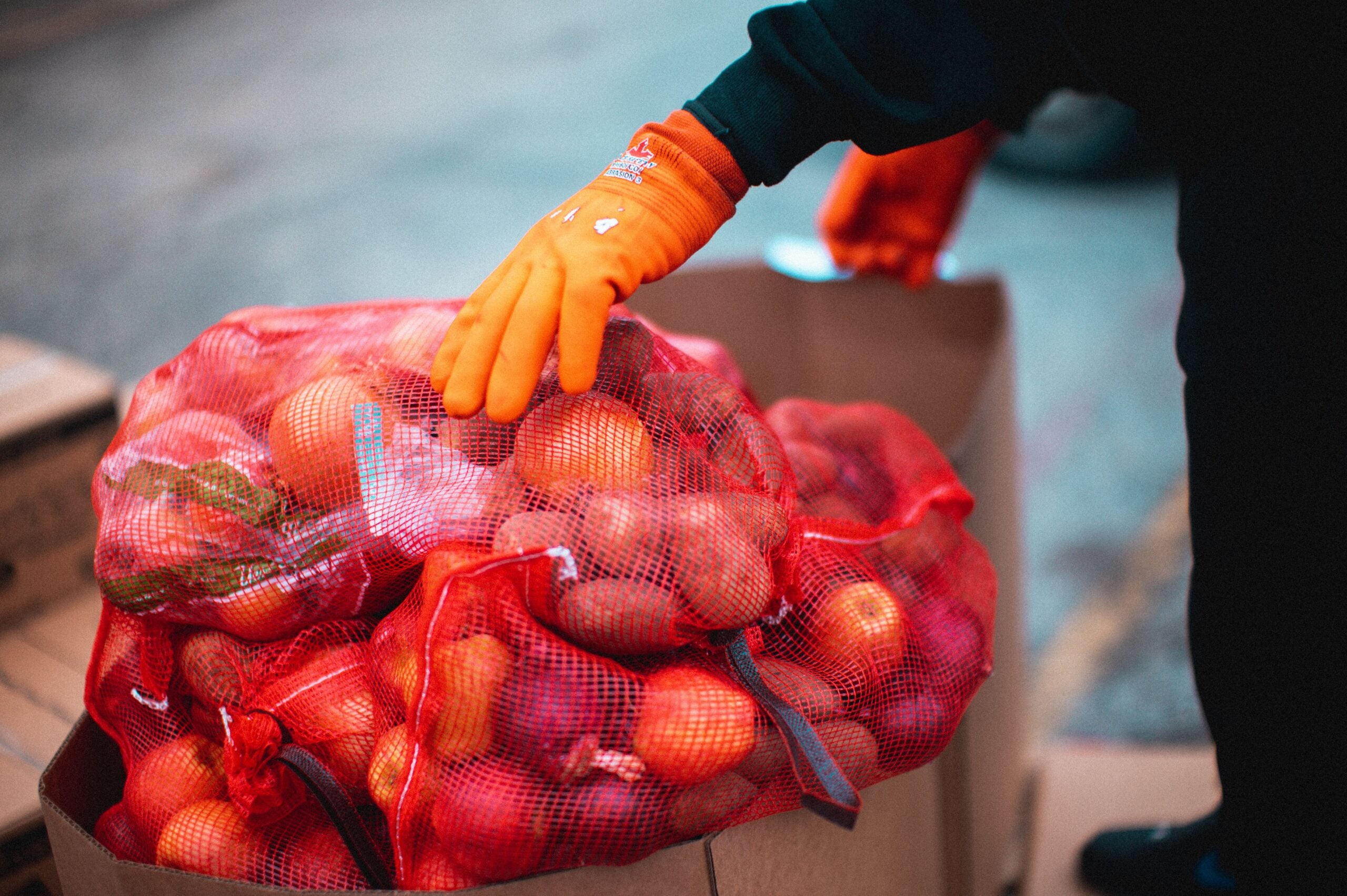
Start with produce. Canada depends on imported fruits and vegetables for much of the year, and many of those supply chains are deeply integrated with U.S. distribution hubs, trucking routes, and storage networks.
Then there is meat and prepared food. North American protein systems are famously interconnected, with animals, feed, packaging, and processed products often moving across borders at different production stages before final sale.
Packaging is another overlooked factor. Aluminum, steel, plastics, labels, and food-grade containers all affect the final shelf price, and tariff uncertainty in these categories can ripple quickly into soups, beverages, sauces, and frozen meals.
Restaurants could also gain some relief. Lower input pressure on oils, produce, disposable items, and packaged ingredients can help food service operators avoid menu increases, especially in price-sensitive segments like fast casual and family dining.
Why the U.S. may be helping Canada unintentionally
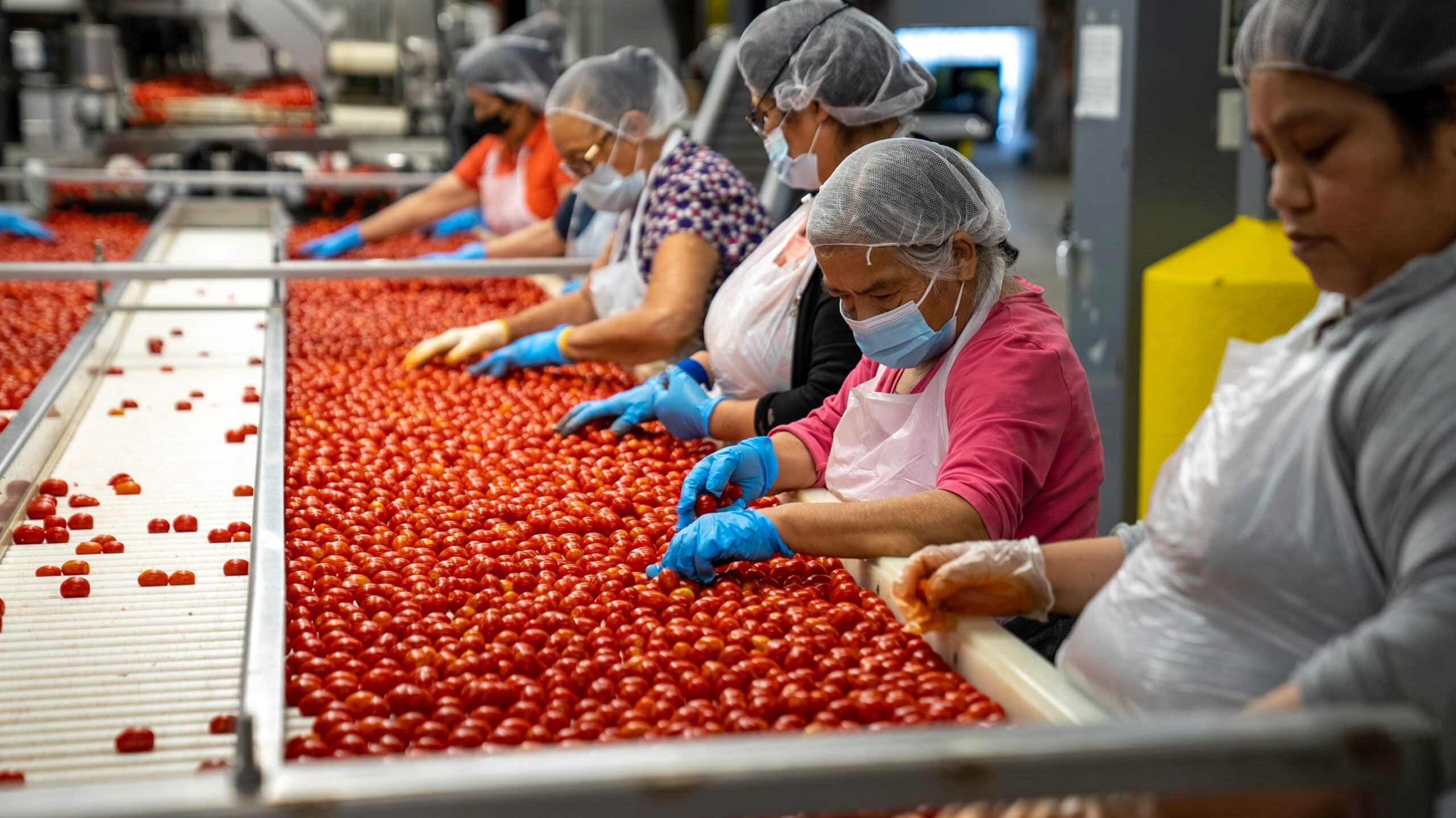
This is the irony at the center of the story. A U.S. tariff strategy meant to project strength can create hesitation among American buyers and sellers, while any retreat from that strategy rewards neighbors prepared to move quickly.
Canada's food market is smaller, but it is nimble in useful ways. Large grocers, distributors, and processors often respond fast to changes in landed costs, seasonal supply opportunities, and currency-adjusted import economics.
If Washington steps back from aggressive tariff actions, Canadian firms may secure steadier deals before new disruptions appear. That can improve inventory planning and reduce the need for emergency sourcing, which is almost always more expensive.
In that sense, the win is not dramatic. It is operational. Better forecasting, fewer surprise surcharges, and calmer supplier negotiations can produce real consumer benefits even if they never make a headline price tag overnight.
The limits of this advantage

No one should mistake this for a cure for food inflation. Canadian grocery prices are still shaped by domestic labor costs, housing-related overhead, transportation distances, climate constraints, and the weaker Canadian dollar at times.
There is also the issue of competition. If U.S. buyers ramp up orders once tariff fears ease, some commodities could become more expensive again simply because demand returns faster than supply can adjust.
Weather remains a wild card as well. Drought, flooding, crop disease, and heat can erase any trade-related savings quickly, especially in categories like produce, grains, coffee, and edible oils that are globally exposed.
So the likely outcome is moderation, not miracle relief. Canada may gain a pricing edge at the margin, but the grocery aisle will still reflect a complicated web of forces that no single policy shift can fully control.
What shoppers and businesses should watch next

The best clue will be wholesale behavior, not political rhetoric. Watch for signs that Canadian retailers are running deeper promotions, suppliers are reporting steadier input costs, and food manufacturers are guiding toward more stable margins.
Another signal is trade flow data. If cross-border shipments of food products, ingredients, and packaging materials remain smooth, that suggests tariff uncertainty is easing in ways that can support price stability over several months.
Executives will also be listening for policy consistency. Businesses can handle many cost levels, but they struggle with sudden reversals, and food systems especially depend on timing because perishables cannot wait for political clarity.
For households, the practical takeaway is simple. Trump's tariff U-turn is not likely to slash grocery bills overnight, but it may quietly help Canada avoid some of the extra food inflation that threatened to build into everyday purchases.




Leave a Reply