
This drink did not become popular by accident. From Toronto cafés to Calgary coffee bars, the matcha banana latte has landed at exactly the right moment.
A drink trend built for changing tastes
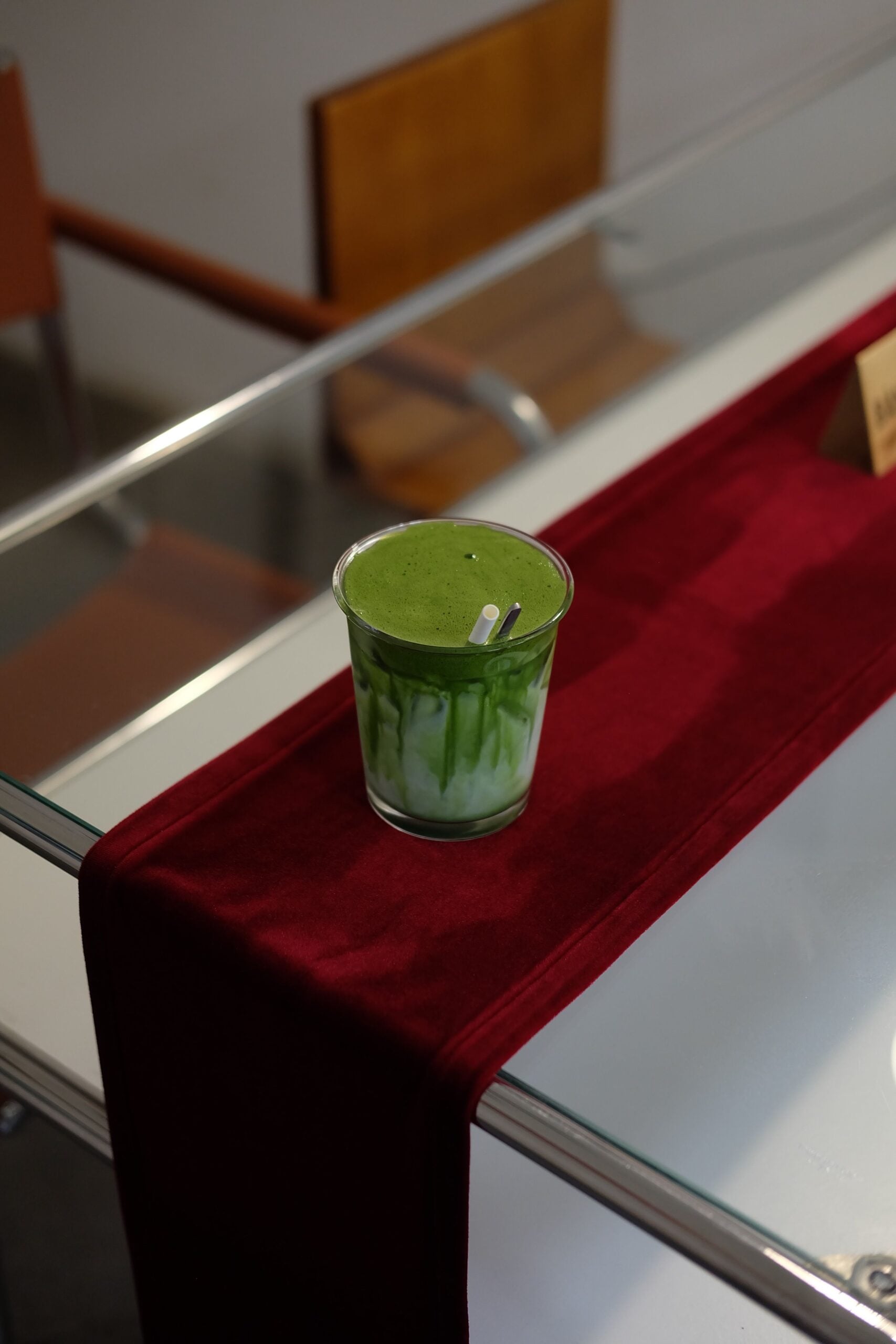
Canadian café culture has shifted sharply in the past few years. Many customers still want a coffeehouse treat, but they also want something that feels lighter, cleaner, and more nourishing than a syrup-heavy iced latte. Matcha answers that demand with earthy flavor, a recognizable health halo, and a visual identity people instantly notice in a crowded display case.
Banana adds the bridge that matcha sometimes lacks. For people who find straight matcha grassy or bitter, banana softens the edges and introduces natural sweetness without pushing the drink into dessert territory. That balance matters, especially in cities like Toronto and Calgary where independent cafés compete by making approachable versions of ingredients once seen as specialized.
The result is a beverage that feels current without seeming intimidating. It reads as wellness-forward, but it still tastes familiar enough for mainstream customers to order on impulse.
Why flavor is doing the heavy lifting
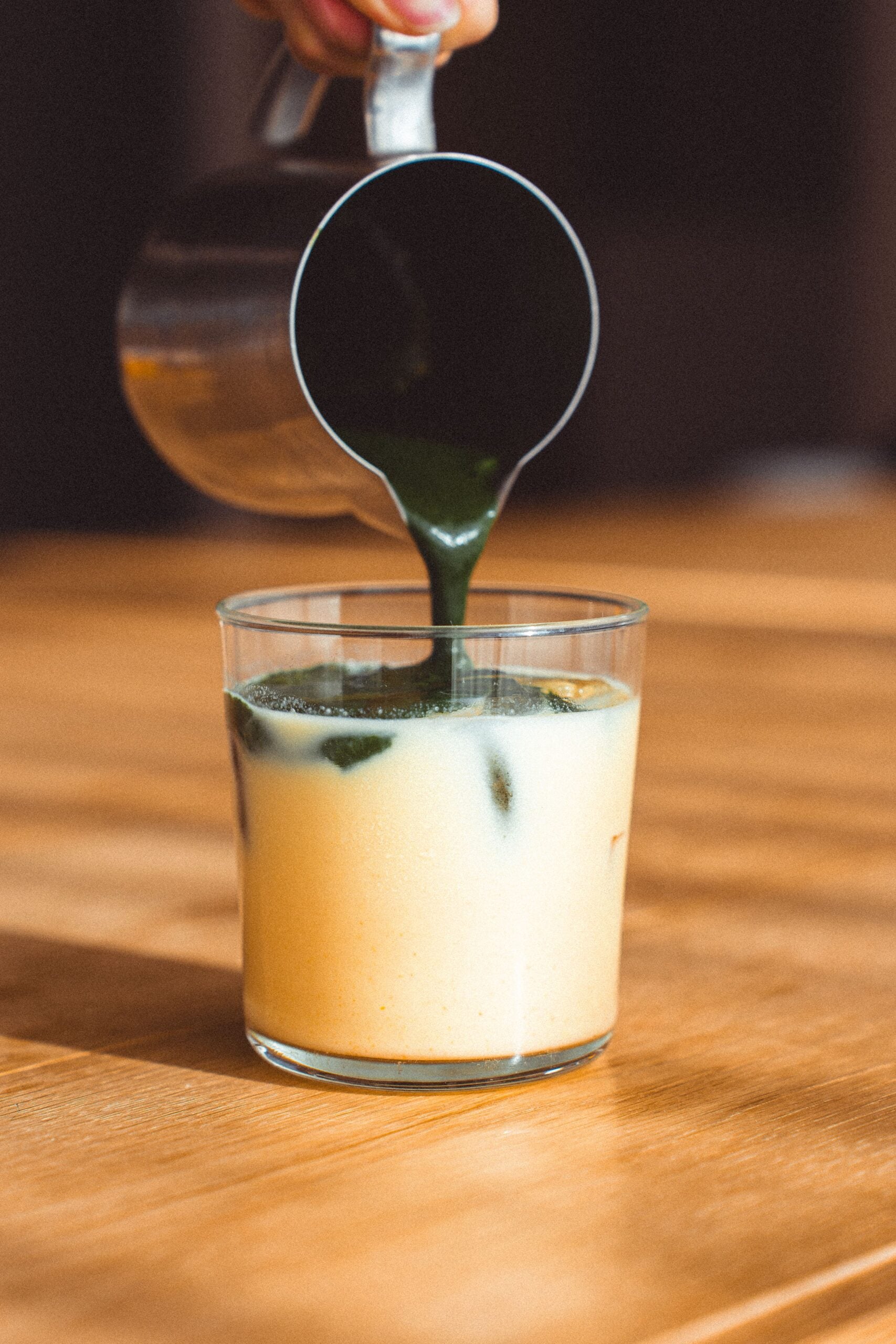
Taste is the real engine behind repeat orders. A good matcha banana latte combines the creamy body of blended milk, the mellow sweetness of ripe banana, and the slight savory depth of green tea powder. When prepared well, it has more dimension than a standard vanilla latte and more comfort than a plain matcha.
Texture also plays a major role in its spread. Banana thickens the drink naturally, creating a smoothie-like richness while still keeping it in latte territory. That makes it appealing across seasons, whether served iced during humid Ontario summers or warm in Alberta during colder months.
Cafés have noticed that versatility. Some use oat milk for a fuller mouthfeel, others add cinnamon, date syrup, or a touch of honey. These variations let shops stamp their identity on the drink without losing the combination customers came in for.
Wellness culture made it easier to sell
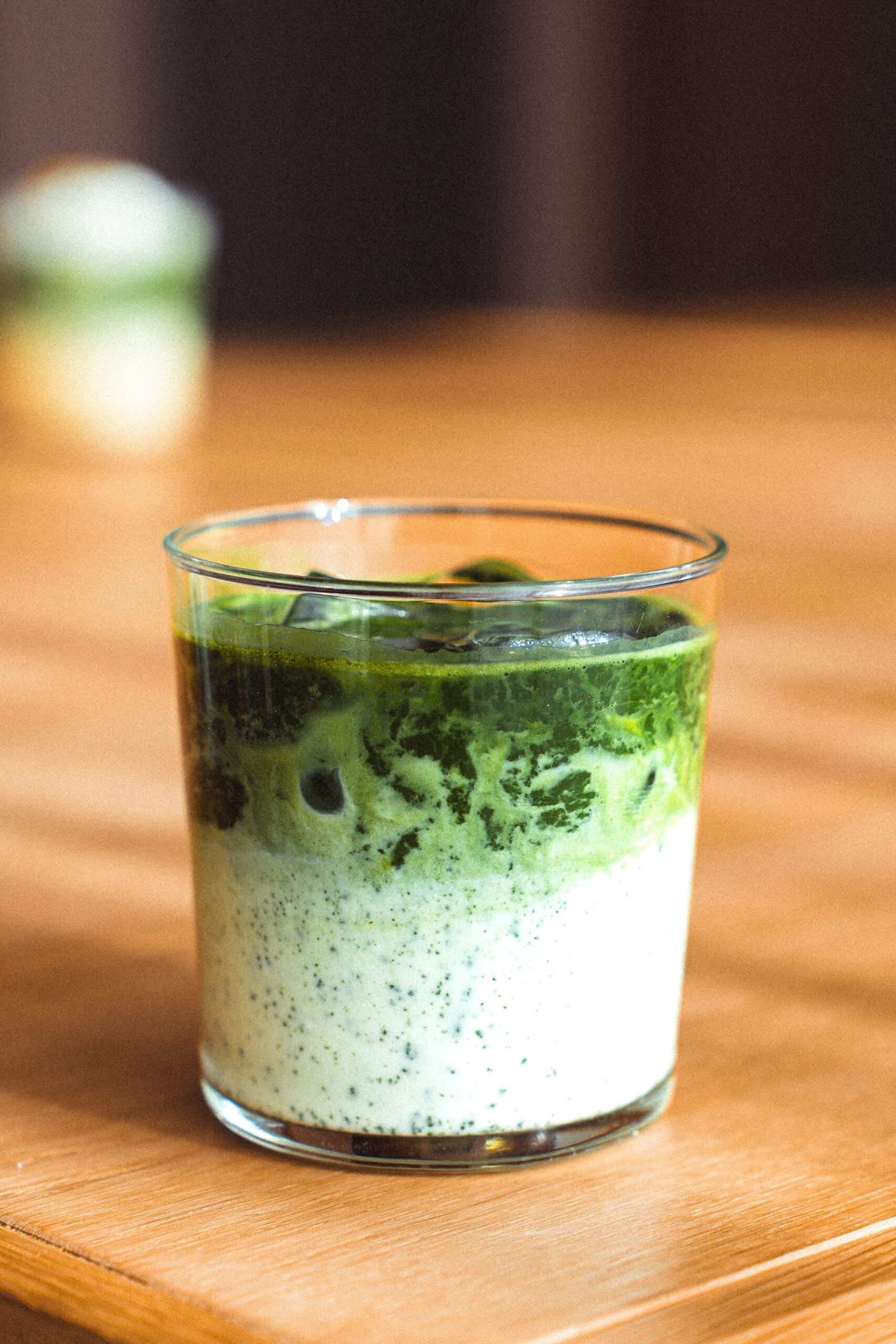
Health-conscious branding has helped the drink gain traction, even if cafés are careful not to oversell it. Matcha contains caffeine alongside L-theanine, a compound often associated with a calmer, steadier energy profile than coffee. That alone makes it attractive to people trying to reduce jitteriness or afternoon crashes.
Banana strengthens the functional image. It is familiar, naturally sweet, and associated with potassium, fiber, and pre-workout fuel. Put together, the two ingredients suggest a drink that can sit between breakfast, snack, and café indulgence, which broadens when and why people buy it.
That flexibility matters in urban routines. A downtown commuter may want one as a morning alternative to coffee, while a student may see it as a filling afternoon pick-me-up. The drink works because it fits several needs at once.
Social media turned it into a visual hit
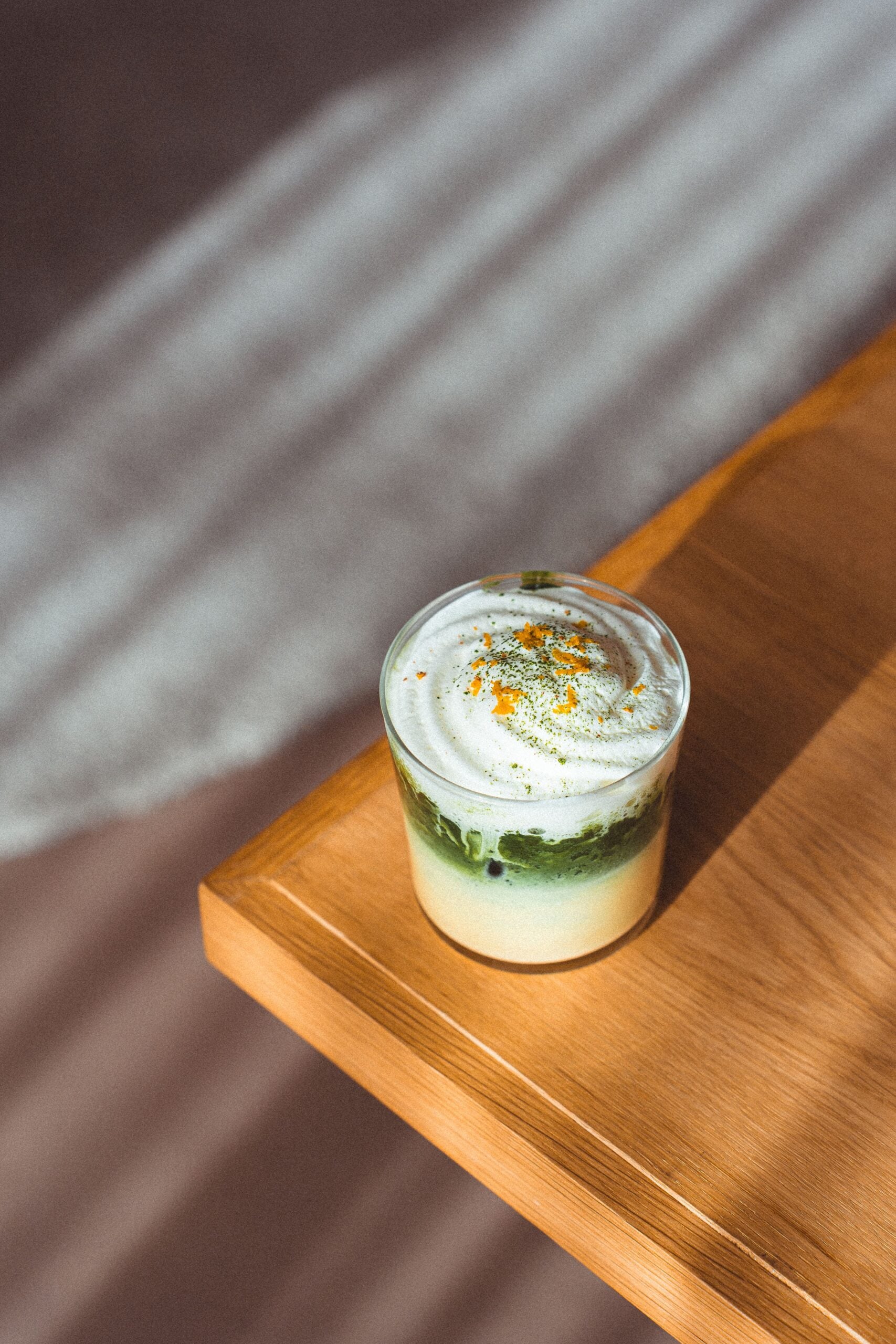
Some drinks spread because they photograph well, and this is clearly one of them. The soft green tone of matcha paired with the pale creaminess of banana creates a clean, modern look that performs well on TikTok and Instagram. Layered versions, in particular, invite the kind of quick video content that independent cafés rely on for discovery.
Presentation has amplified demand across Canadian cities. In Toronto, highly branded café interiors and trend-driven menus help drinks go viral fast. In Calgary, where specialty café culture has grown rapidly, eye-catching menu items often serve as a point of difference in a competitive local market.
The drink's name helps too. "Matcha banana latte" is instantly understandable, even to customers who have never tried one. That clarity reduces hesitation and makes social recommendations more effective.
Cafés love a drink that is easy to customize
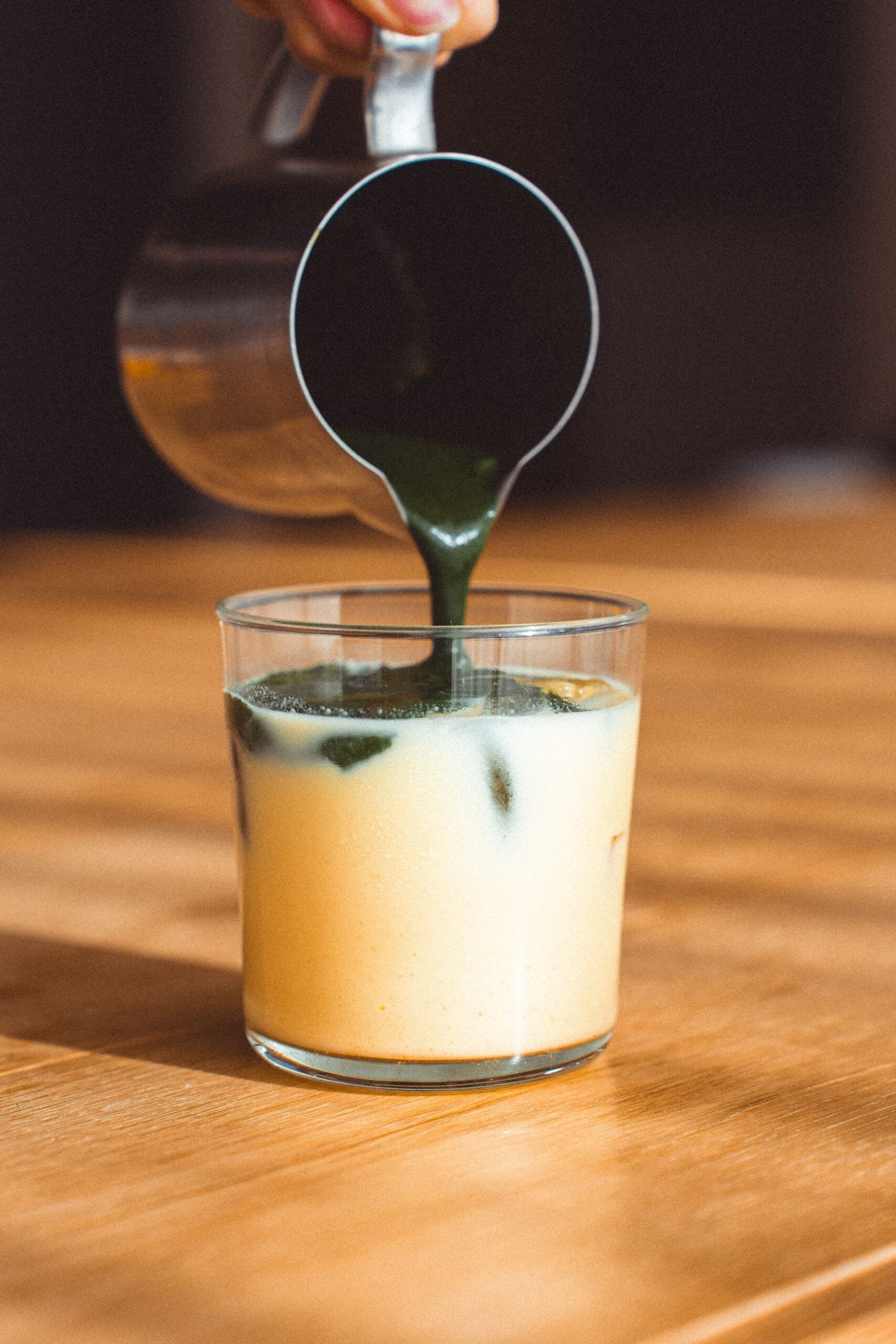
From an operator's perspective, the matcha banana latte makes business sense. It uses ingredients many cafés already stock or can add without major complexity: ceremonial or café-grade matcha, milk options, banana purée or fresh banana, and light sweeteners. It also supports hot and iced formats, which increases menu flexibility.
Customization expands its reach further. Customers can choose dairy or non-dairy milk, adjust sweetness, add espresso for a dirty version, or request protein-focused add-ins. That adaptability aligns with how people now order drinks, especially in larger urban centers where personalization is expected rather than exceptional.
Importantly, it also commands a premium feel. Because matcha is perceived as elevated and banana suggests freshness, cafés can position the beverage as a specialty item without making it seem overly niche.
Why the trend may last beyond the hype
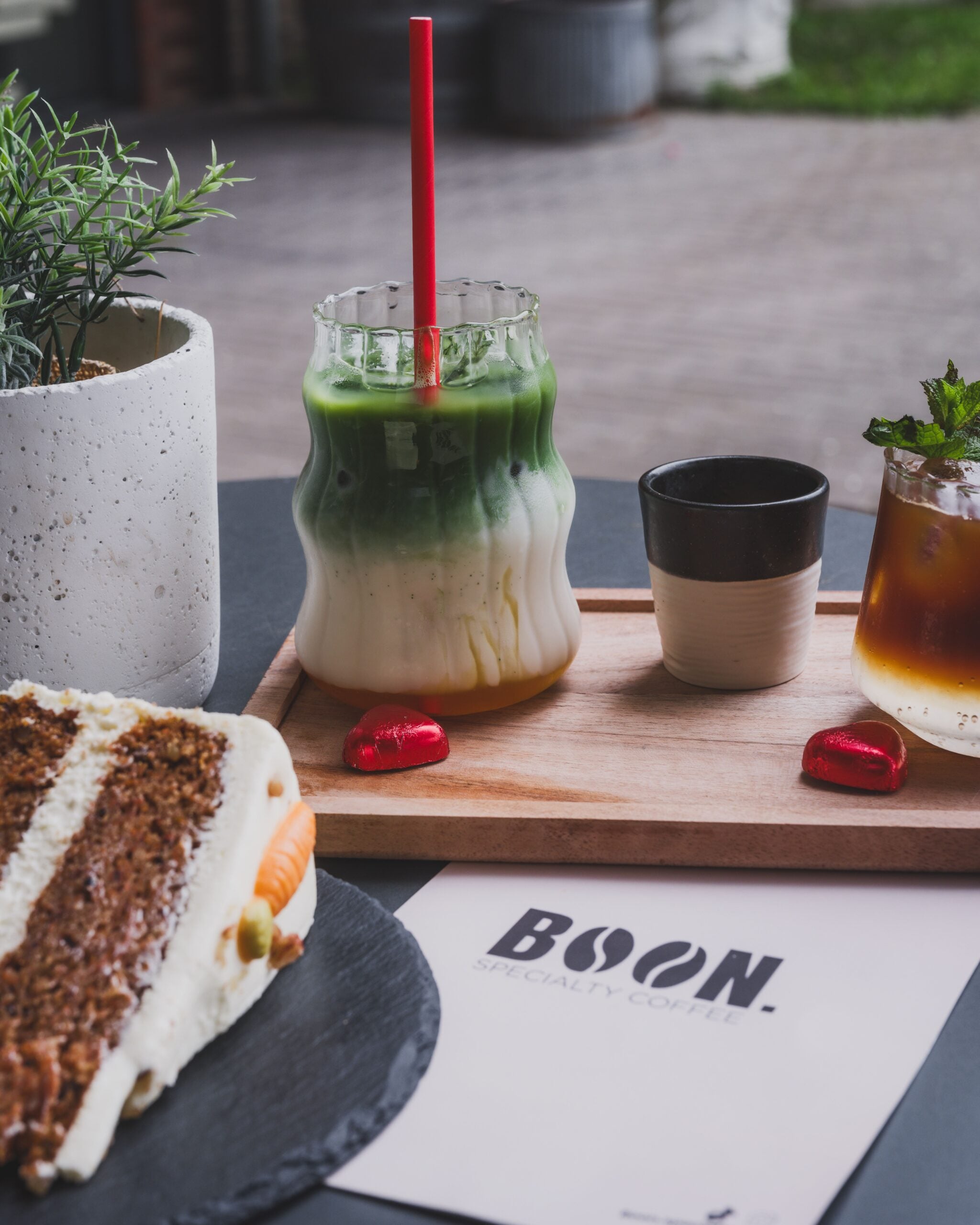
Not every viral café drink has staying power, but this one has stronger foundations than most. It is built on ingredients with broad recognition, delivers on taste, and fits several consumer priorities at once: energy, comfort, visual appeal, and customization. Those are the kinds of traits that usually outlast a short social burst.
There is also room for evolution. Shops can adapt the base with strawberry, hojicha, maple, cacao, or seasonal spices while keeping the core concept intact. That gives the category a path to grow instead of burning out after one cycle of online attention.
In other words, the matcha banana latte is not just fashionable. It reflects where café culture is heading: toward drinks that are flavorful, functional, photogenic, and easy to make part of everyday life.



Leave a Reply