
A single fruit managed to dominate menus, feeds, and dessert cases in 2026. Japanese strawberries were not just popular, they became a full-scale food obsession.
Why Japanese strawberries captured the internet
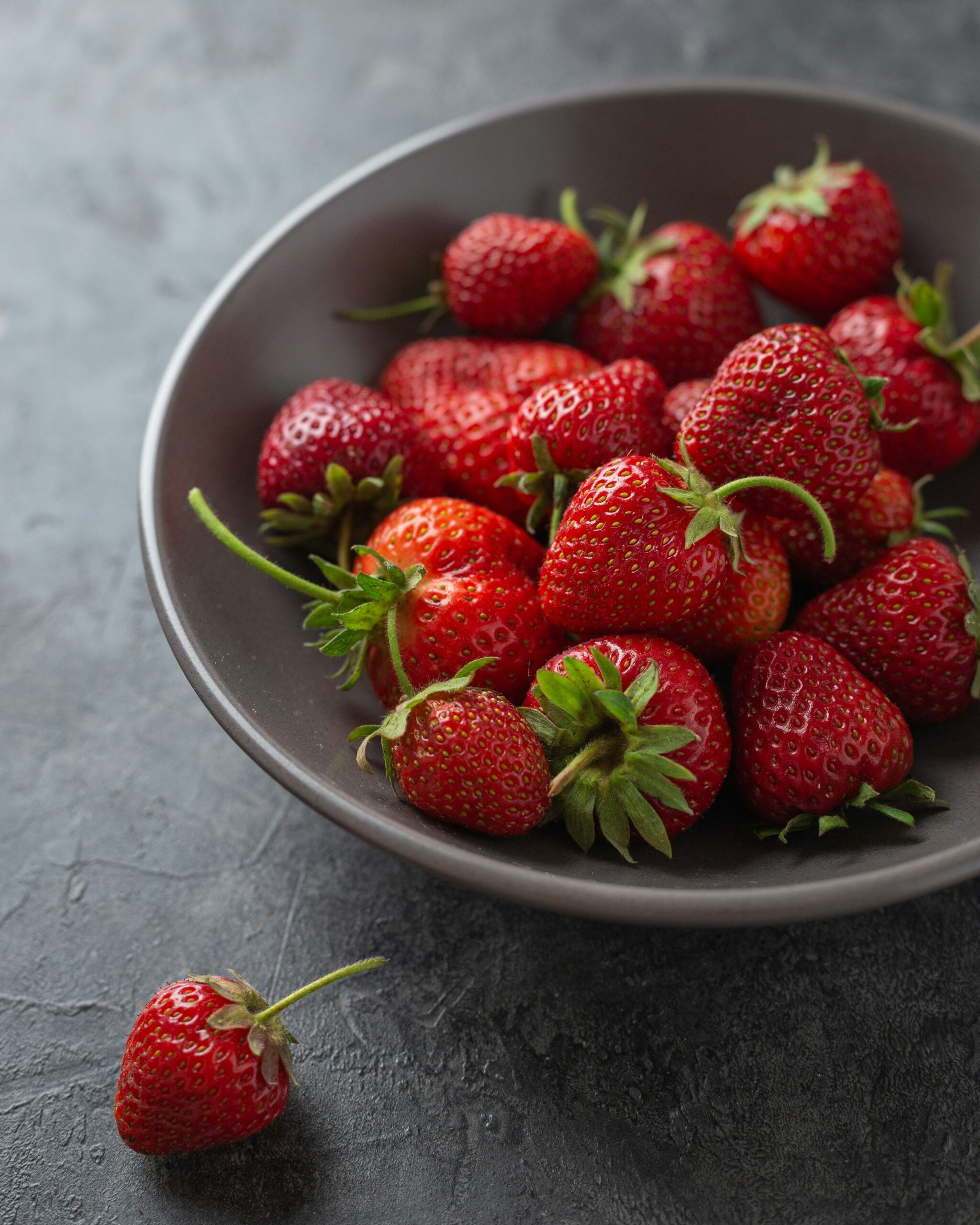
What made this trend different was its scale. By 2026, 87 million dishes featuring Japanese strawberries had been posted online, a figure that points to far more than a passing craze.
Their success came from a rare combination of visual beauty, premium reputation, and easy versatility. The fruit's glossy finish, neat shape, and vivid red color made it instantly camera-friendly, especially in short-form food videos.
Unlike many food fads that depend on novelty alone, Japanese strawberries already had a strong story behind them. For years, growers in prefectures such as Tochigi, Fukuoka, and Saga had built reputations for precision cultivation and unusually sweet, aromatic varieties.
That existing credibility gave the trend staying power. When users posted strawberry sandos, parfaits, cakes, and chocolate-dipped berries, audiences saw both indulgence and craftsmanship in the same image.
The farming standards behind the premium image
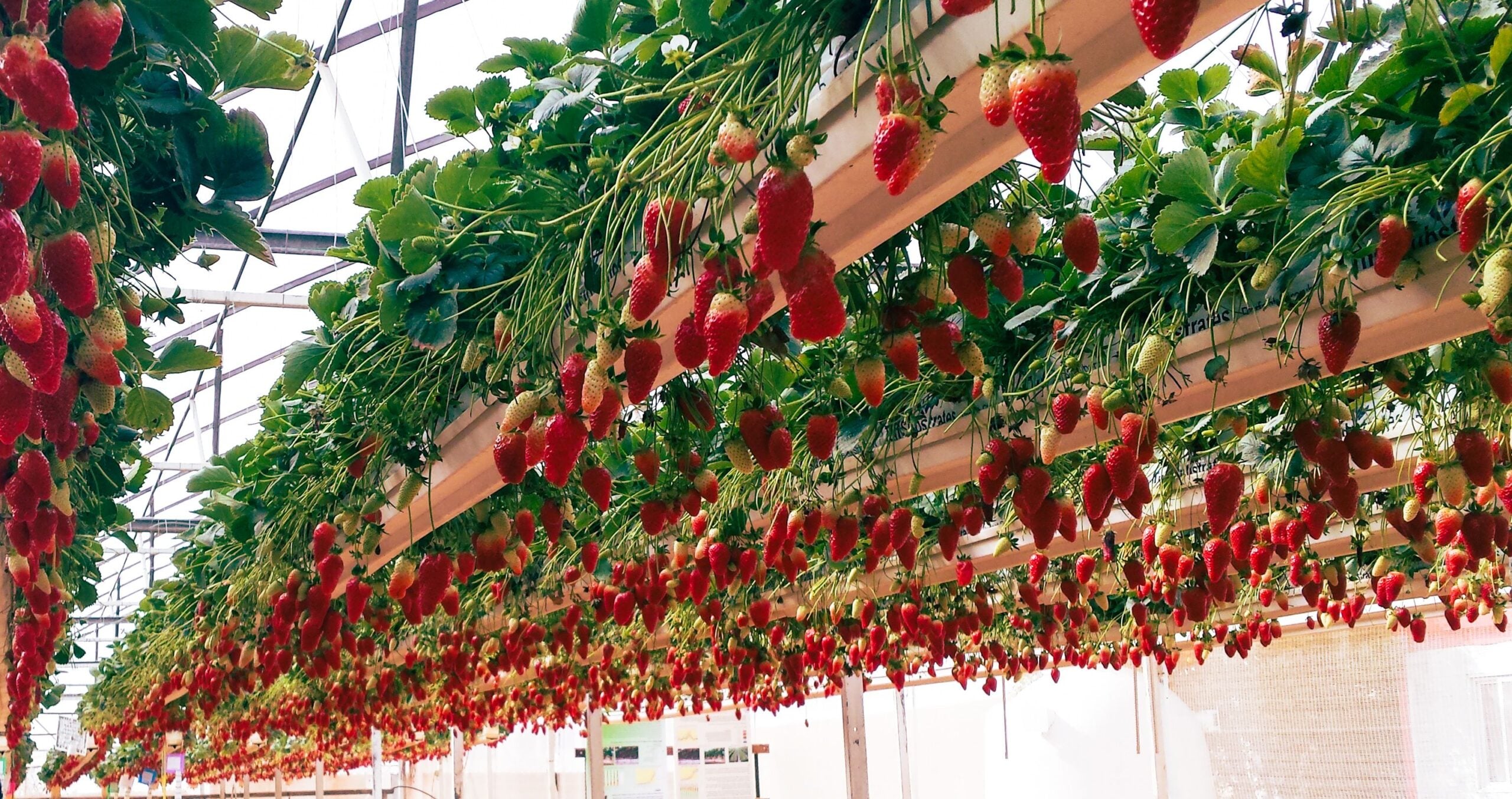
The real foundation of the boom started long before social media. Japanese strawberry farming is known for strict quality control, careful greenhouse management, and breeding programs focused on sweetness, texture, and shelf appeal.
Varieties such as Amaou, Tochiotome, Beni Hoppe, and Skyberry helped define the category. Each brought its own balance of sugar, acidity, size, and fragrance, giving chefs and retailers clear options for different uses.
In many farms, growers manage temperature, light, pollination, and water with exceptional precision. That attention produces fruit with a more consistent appearance, which matters greatly in a market where presentation often drives purchase decisions.
Premium fruit culture in Japan also played a major role. Consumers were already familiar with the idea that certain fruits could be luxury gifts, not just grocery staples, so strawberries were well positioned to move upscale globally.
How restaurants and brands turned berries into content
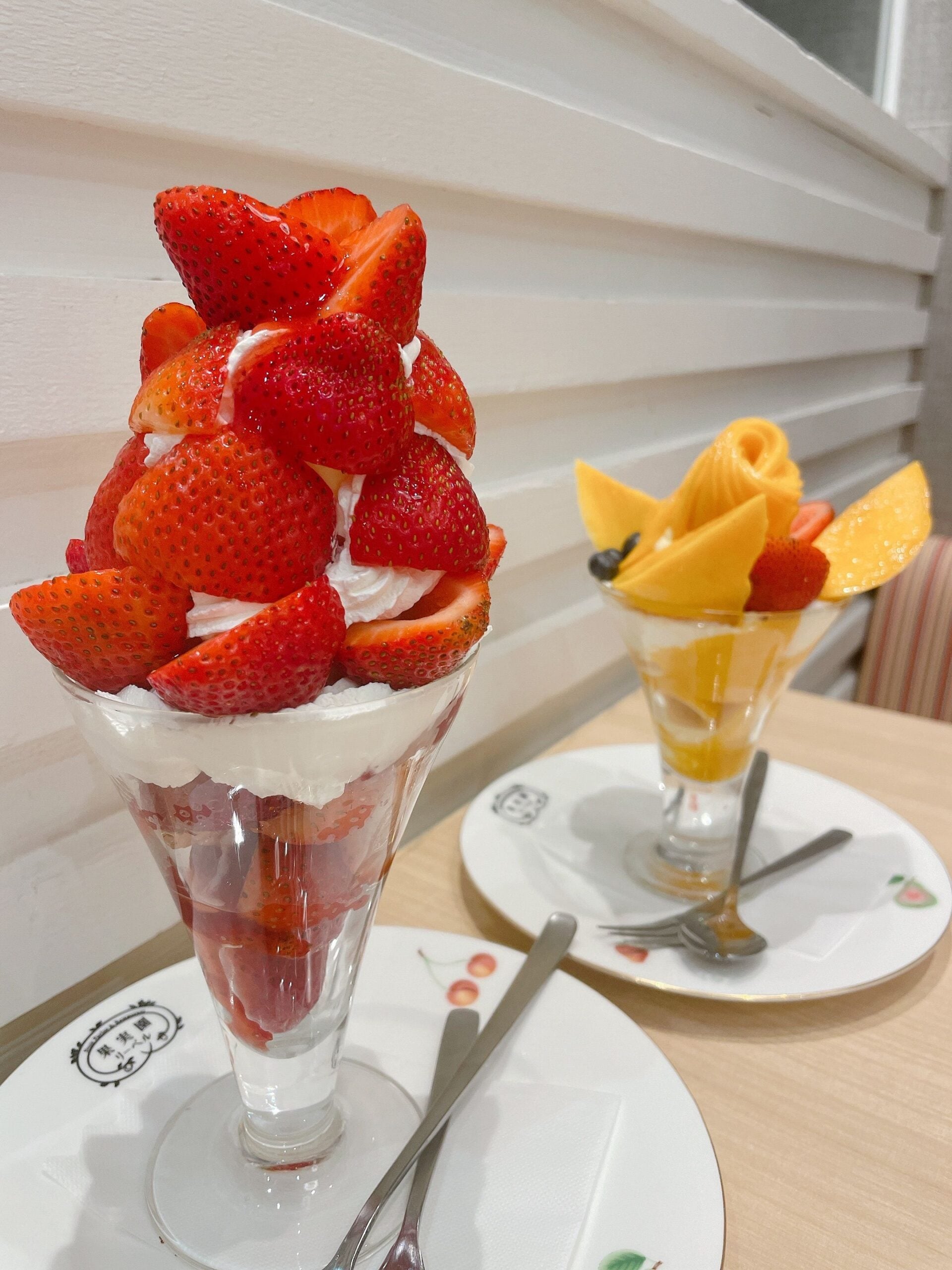
The food world recognized the opportunity quickly. Cafes, hotel dessert bars, bakeries, and convenience chains began building limited-time menus around Japanese strawberries, often treating them as headline ingredients rather than supporting flavors.
That shift mattered because it expanded the fruit's reach beyond high-end dining. A carefully packed strawberry shortcake from a train station shop or a seasonal strawberry cream sandwich from a convenience store could circulate online as widely as a plated restaurant dessert.
Brands also leaned into seasonality. Winter and early spring strawberry fairs, already common in Japan, became global inspiration for themed menus featuring mille-feuille, daifuku, pancakes, soft serve, and sparkling drinks.
The result was a constant stream of shareable dishes. Every format, from luxury afternoon tea towers to simple strawberry toast, gave creators fresh ways to participate in the trend without making it feel repetitive.
Social media made the obsession feel personal
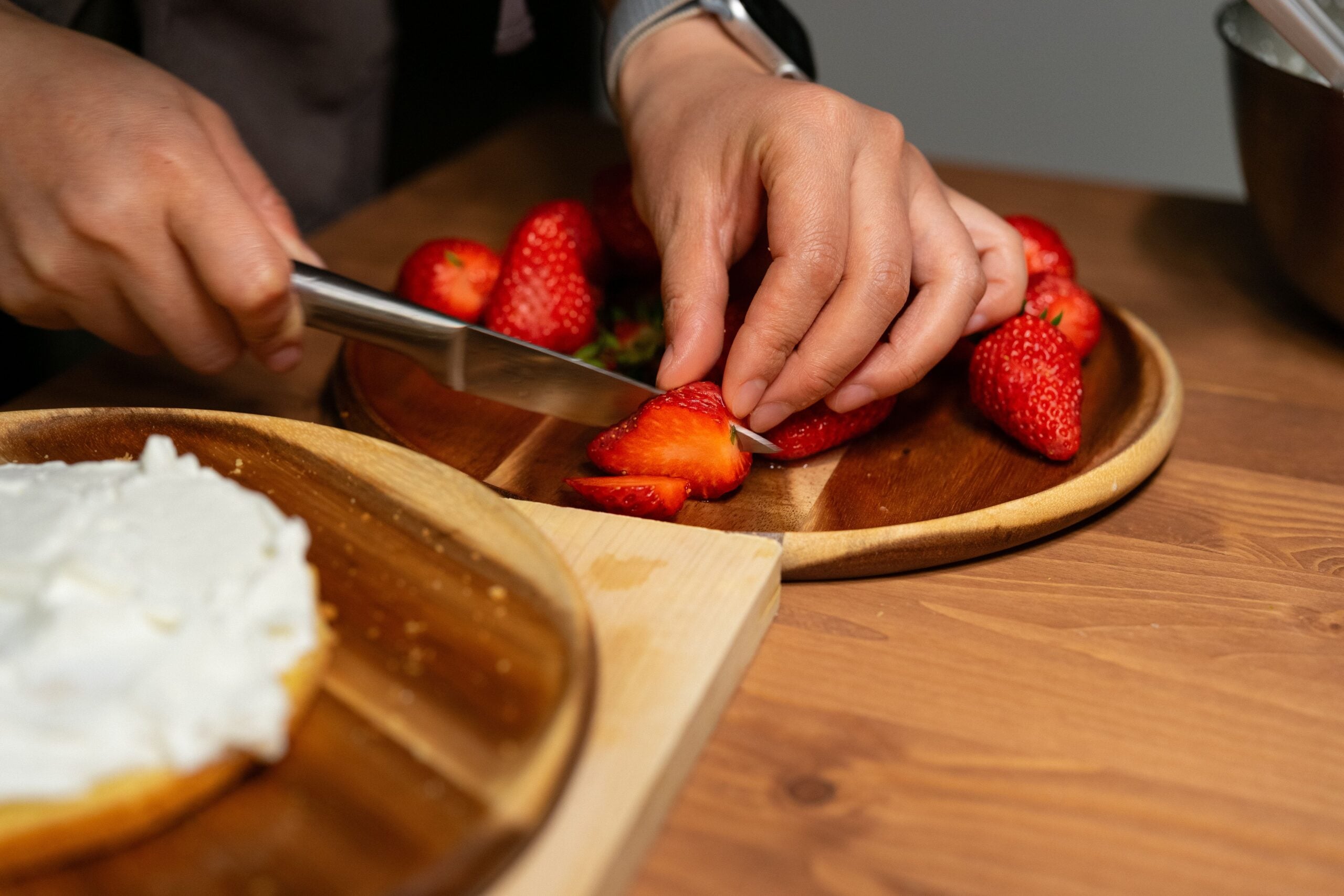
The strongest food trends invite imitation, and Japanese strawberries proved ideal for that cycle. They were premium enough to feel special, but familiar enough that home cooks, students, and casual diners could join in.
On visual platforms, creators focused on cross-sections, glossy glazes, and neat layering. Strawberry sandos became especially powerful content because they combined symmetry, color contrast, and a sense of precision that performed well in photos and short clips.
There was also an emotional element. Posting a dish made with Japanese strawberries suggested taste, timing, and access, while still feeling warm and approachable rather than exclusive or overly technical.
That balance helped the obsession spread across demographics. Luxury travelers posted hotel buffets, families shared homemade parfaits, and convenience store fans documented seasonal finds, all feeding the same larger visual movement.
The economics behind an expensive fruit craze
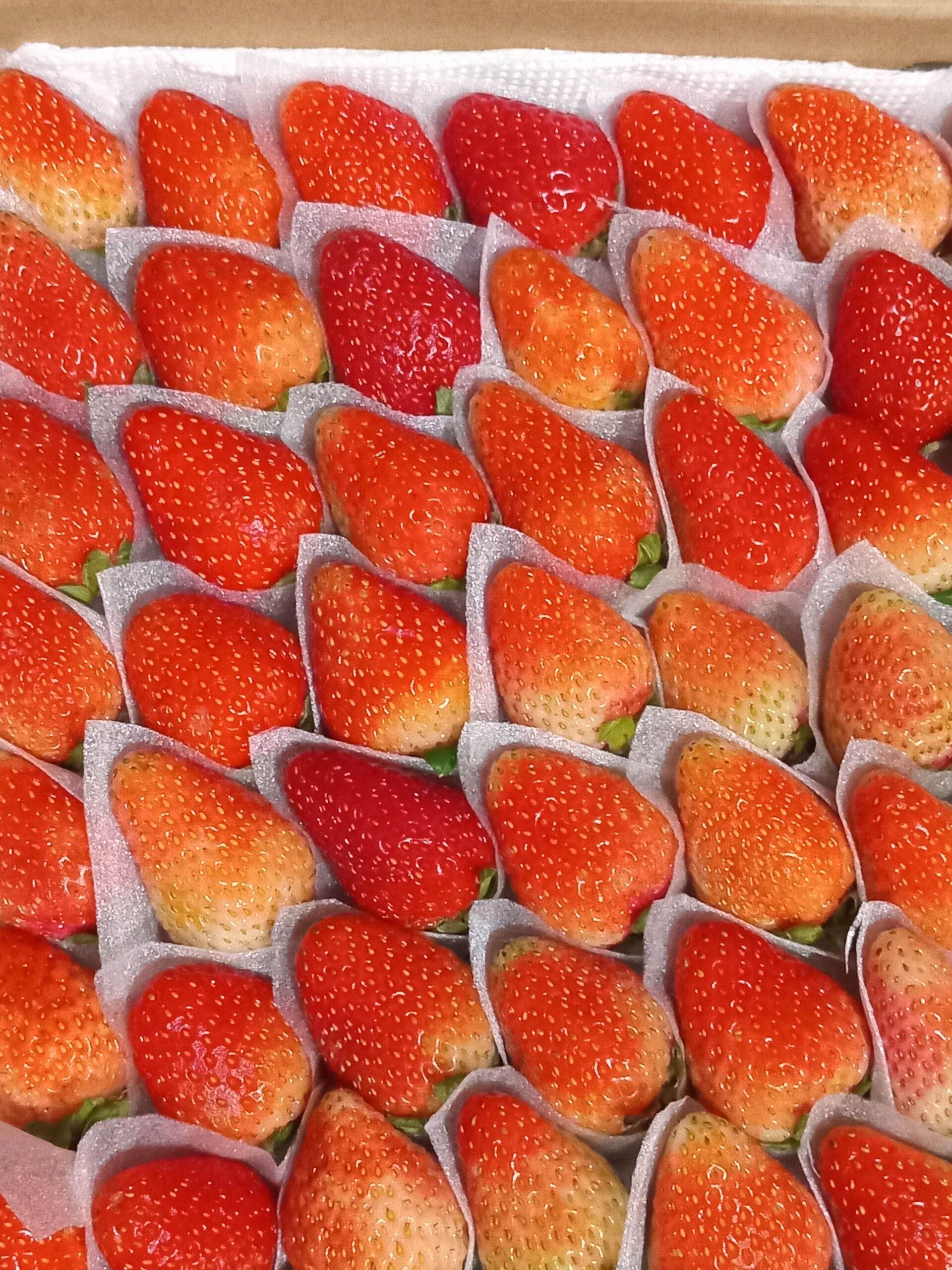
Behind the romance was a serious commercial story. Demand for premium strawberries helped support growers, exporters, retailers, and hospitality businesses that could command higher margins around seasonal fruit experiences.
Japanese strawberries often sold at prices well above standard imported berries, especially for gift-grade packs and branded varieties. Yet consumers kept buying because they were paying for flavor consistency, rarity, and the cultural cachet attached to the product.
Tourism added another layer. Visitors to Japan increasingly treated strawberry picking, department store food halls, and hotel dessert buffets as must-do experiences, turning fruit consumption into a travel memory worth sharing online.
Export markets benefited too. As more consumers learned variety names and regional reputations, the category gained sophistication, much like wine grapes or specialty melons, allowing sellers to market distinction rather than just freshness.
Why the trend may outlast the hype cycle
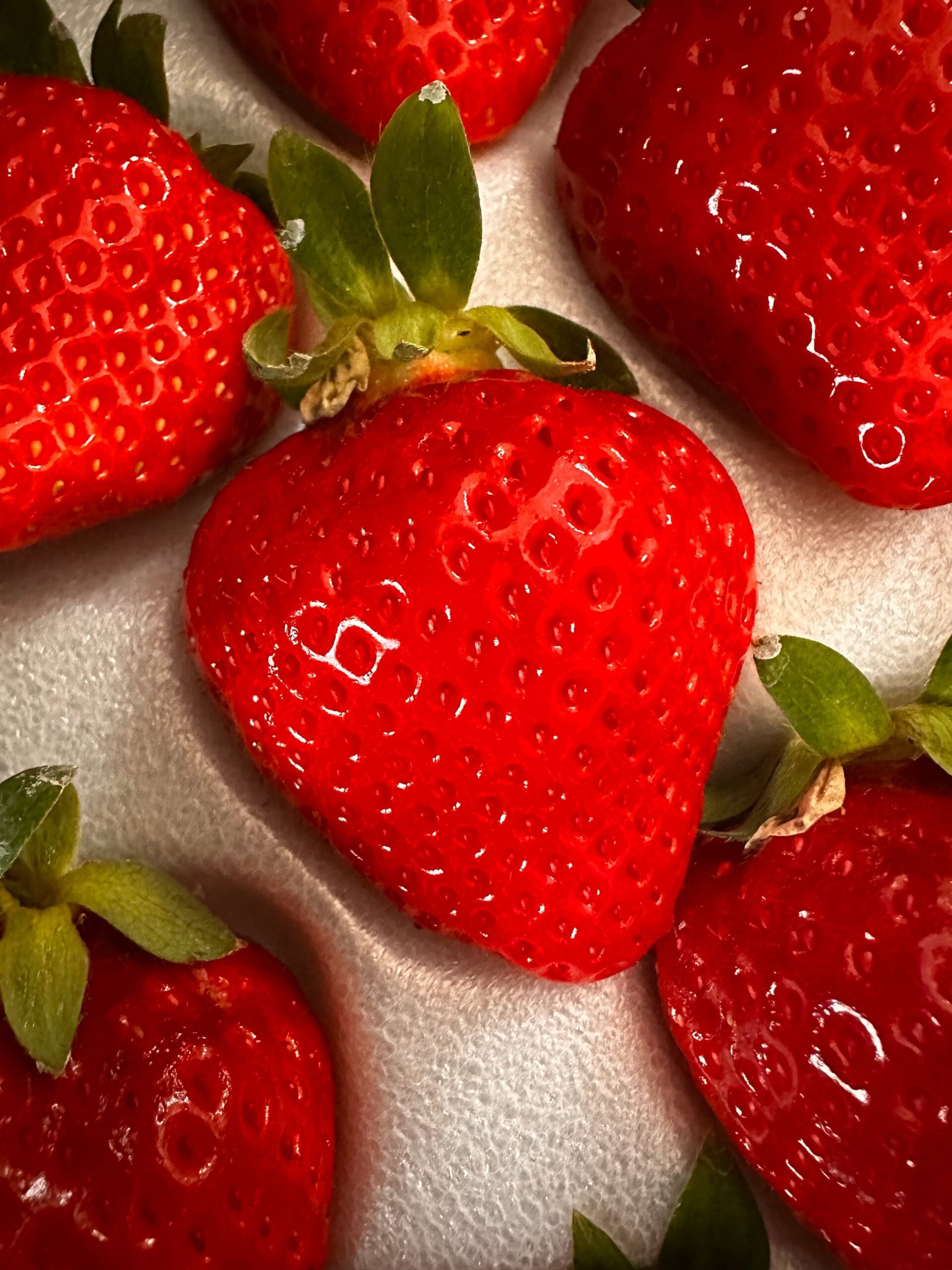
Many breakout food crazes burn brightly and disappear. Japanese strawberries look different because the trend rests on durable strengths: agricultural excellence, strong branding, seasonal excitement, and broad culinary adaptability.
They work in nearly every format, from wagashi and patisserie to drinks, breakfast items, and packaged snacks. That flexibility gives the category room to evolve without abandoning the qualities that made it famous.
There are still limits to consider, including price, perishability, and supply pressures tied to climate and energy costs. Even so, the premium fruit market has shown that scarcity can strengthen demand when quality remains dependable.
In that sense, 2026 was less a random strawberry moment than a turning point. Japanese strawberries became a global symbol of how farming, design, hospitality, and digital culture now shape what the world chooses to crave.




Leave a Reply