
Toronto is getting ready for the World Cup. Long before kickoff, though, the city's most exciting action is happening in its kitchens, bakeries, markets, and late-night dining rooms.
Toronto's Real Competitive Advantage Is Diversity on the Plate
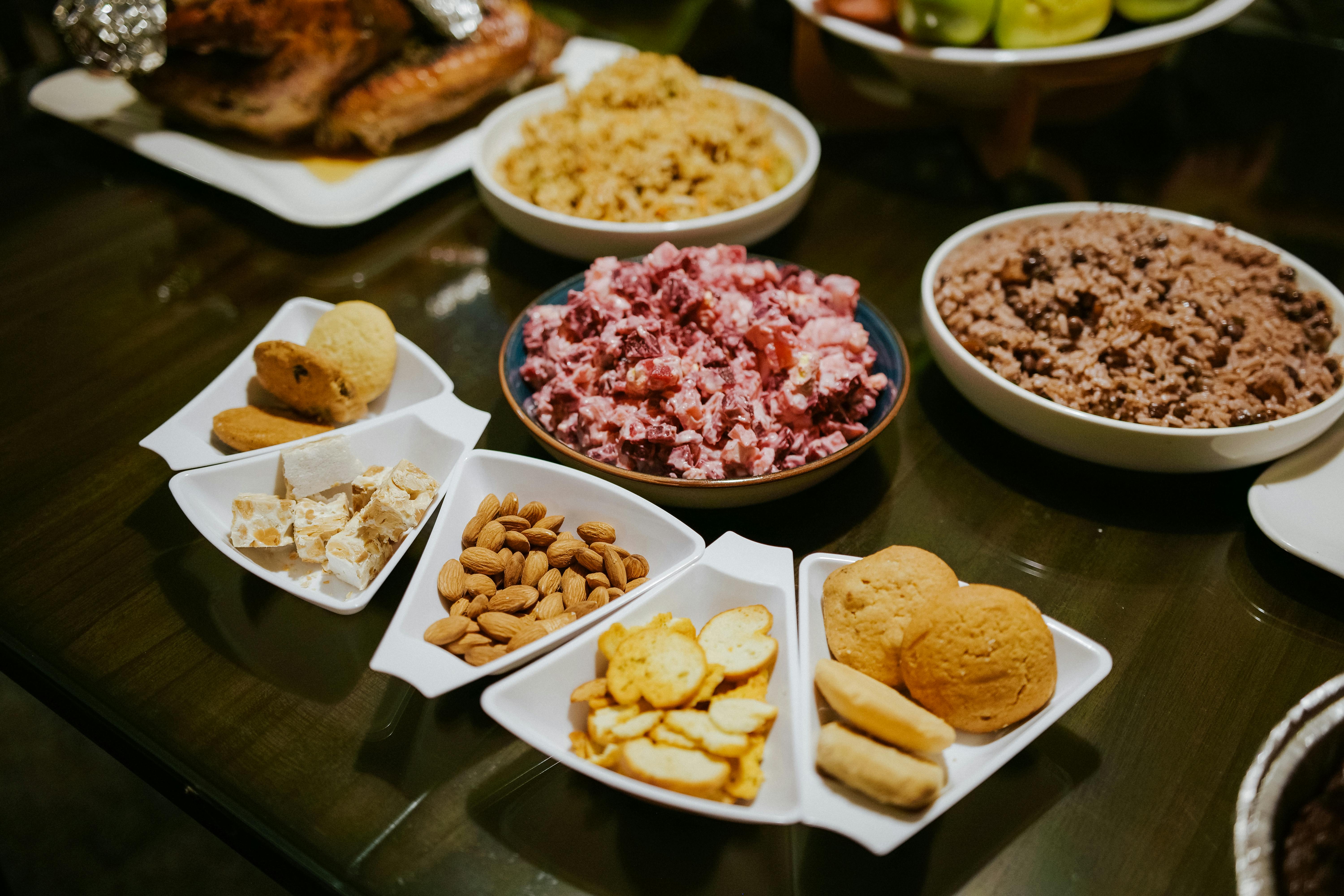
The first thing visitors need to understand about Toronto is that its food identity is not built around one signature dish. It is built around scale, immigration, and neighborhood-level authenticity. More than half of the city's residents were born outside Canada, and that reality shows up in everyday eating with unusual clarity.
In many major host cities, global cuisine is curated for tourists. In Toronto, it is lived. A strip mall in Scarborough can hold elite Hakka Chinese, Sri Lankan short eats, and Trinidadian doubles within a few doors of each other. In North York, Persian kebab houses, Korean barbecue rooms, and regional Chinese specialists operate not as novelties, but as community anchors.
That gives Toronto a rare advantage as the World Cup approaches. Fans do not need a polished culinary district designed around spectacle. They can move through real communities and taste food shaped by migration, memory, and competition at a very high level. The result is a city where eating feels like traveling across continents without ever leaving the subway map.
The Tournament Will Turn Neighborhood Dining Into a Global Attraction

Big sporting events usually concentrate attention around stadium zones, official fan areas, and downtown entertainment corridors. Toronto will certainly see that pattern around its World Cup activity, but the city's food energy is unlikely to stay confined there. The real story will spread outward into neighborhoods that already function as international dining destinations.
That matters because Toronto's strongest food experiences are often hyperlocal. Little Jamaica has become central to conversations about Caribbean food and cultural preservation, even as development pressures reshape Eglinton West. Chinatown remains essential, but so are the suburban Chinese food clusters in Markham and Richmond Hill, where Cantonese seafood, northern Chinese noodles, and Hong Kong-style cafes continue to evolve.
Visitors following the tournament will likely discover that a match ticket is only part of the itinerary. A day can start with dim sum, move to Somali tea and goat stew, continue with West African jollof, and end with natural wine and contemporary Canadian small plates downtown. Few host cities can offer that kind of range at such density, and even fewer can do it with this much credibility.
Toronto's Signature Dishes Are Really Entire Food Traditions
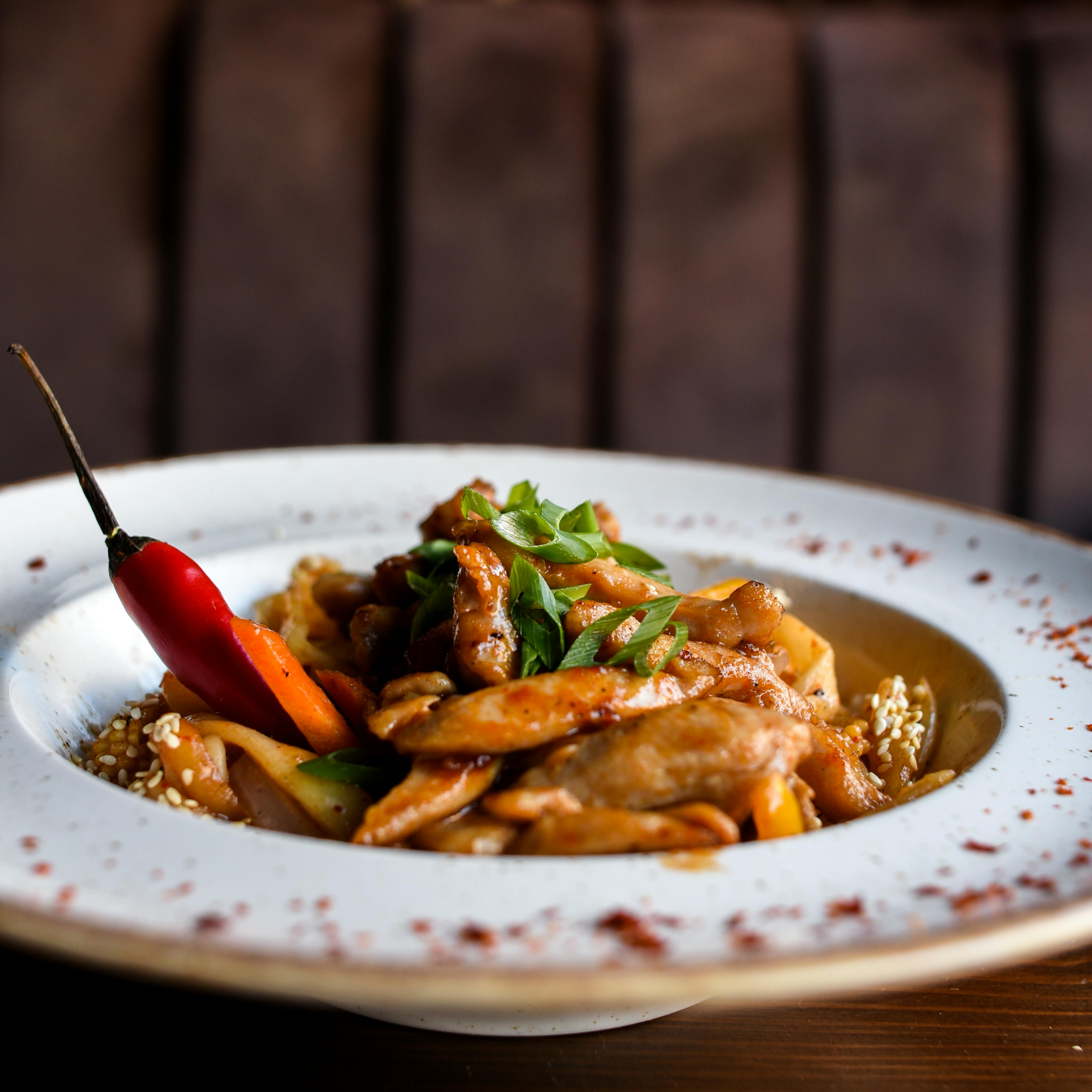
Ask what food defines Toronto and the answer is rarely simple, but it is never vague. Peameal bacon sandwiches still carry old-school local pride, and the city's Caribbean patty debate remains evergreen. Yet the more accurate answer is that Toronto is defined by dishes that arrived from somewhere else and became inseparable from local life.
Few examples capture that better than the city's Hakka scene. What developed in the Toronto area, especially through Indo-Chinese menus served by Chinese families with roots in India, became one of the region's true culinary signatures. Chili chicken, Manchurian dishes, and hakka noodles are now part of everyday Toronto eating, not niche specialties.
The same can be said for shawarma, roti, pho, momos, injera platters, and tacos that reflect waves of migration from the Middle East, the Caribbean, Vietnam, Tibet and Nepal, Ethiopia and Eritrea, and across Latin America. During the World Cup, these foods will not just feed visitors. They will explain the city more clearly than any branding campaign could.
Big Events Change Restaurants, and Toronto Is Ready for the Pressure
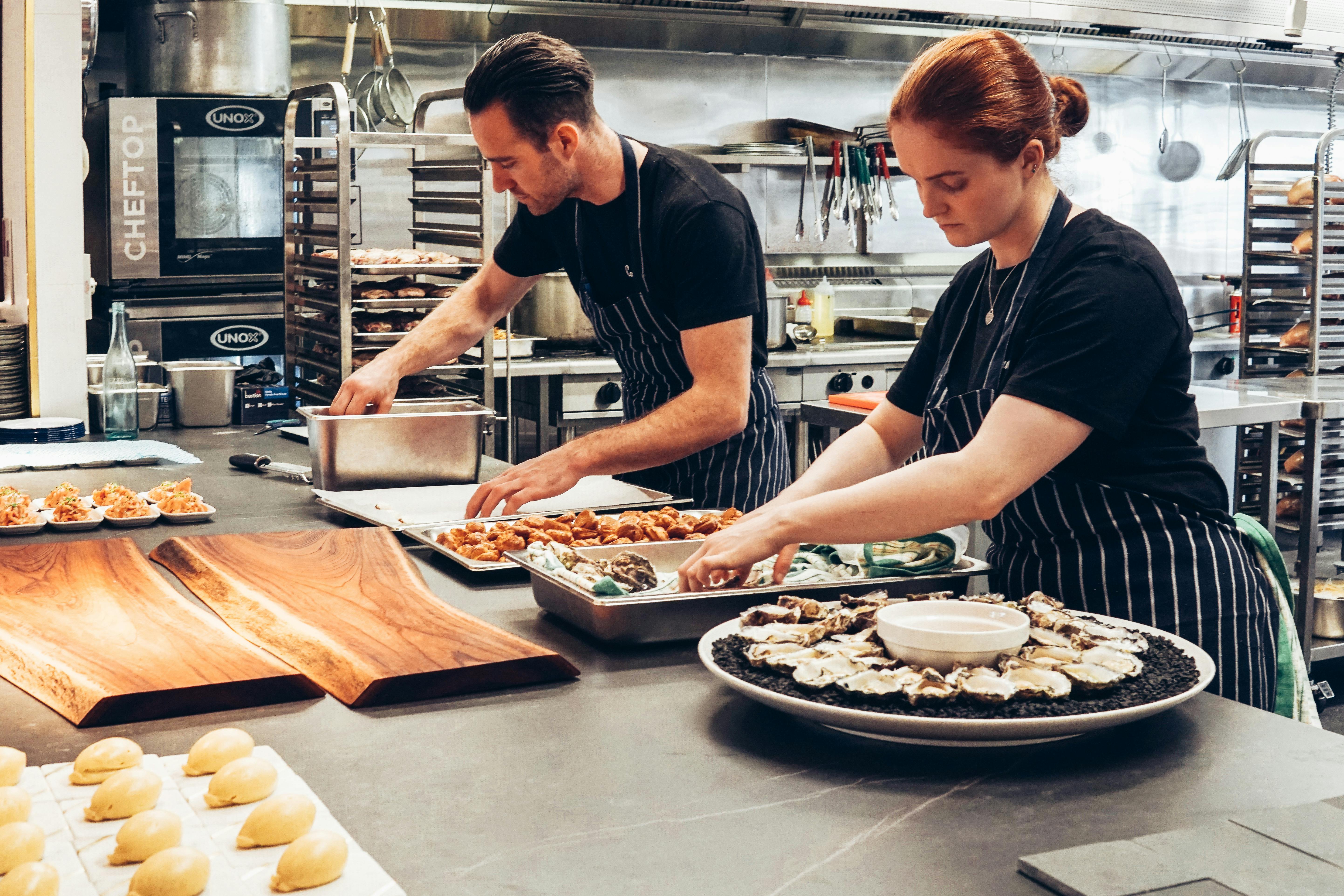
A World Cup host city faces immediate practical questions: capacity, staffing, transit flow, supply chains, pricing, and the challenge of serving both locals and sudden waves of international visitors. Toronto's restaurant industry knows these pressures well. It has already handled film festival surges, major concert weekends, and sustained tourism cycles while navigating inflation and labor shortages.
The difference with the World Cup is duration and emotional intensity. Fans eat on unusual schedules, stay out late, travel in groups, and seek communal spaces where they can watch, celebrate, and argue. That favors sports bars and large-format restaurants, but it also creates opportunity for bakeries, takeout counters, food halls, and family-run spots that can move quickly and serve distinct flavors.
Chefs and operators across the city are likely to respond in two ways. Some will lean into national teams and football-themed specials, creating menus tied to countries in the tournament. Others will do what Toronto does best and simply present their existing food with confidence. In a city this deep, authenticity itself is the event-ready product.
Why the Food Story May Outlast the Matches Themselves
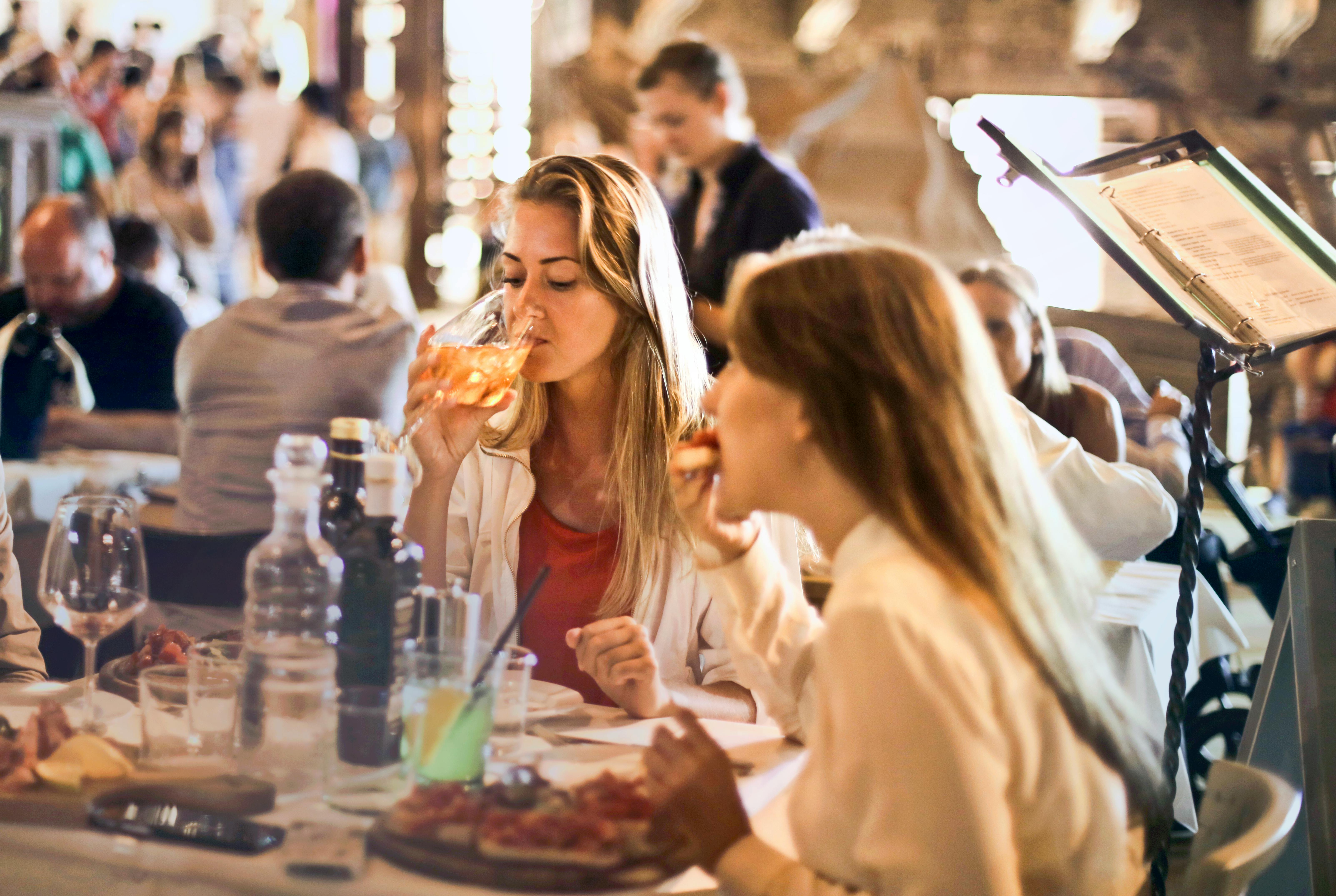
Sporting spectacles are intense, but temporary. Restaurants, by contrast, leave a durable map of memory. Many visitors will forget a mid-stage group match within a year, but they will remember a perfect bowl of noodles in a suburban plaza, or a charcoal-grilled skewer eaten after midnight among fans from five different countries.
That is not a romantic exaggeration. Tourism research has repeatedly shown that food plays an outsized role in destination recall, and cities with strong culinary identities often convert first-time event visitors into repeat leisure travelers. Toronto is especially well positioned here because its food scene is not a side attraction. It is one of the clearest reasons to return.
The city also benefits from timing. Over the past decade, international attention on Canadian dining has grown, with chefs, critics, and major ranking systems taking Toronto more seriously. Michelin's arrival accelerated that visibility, but the city's true strength still lies below the fine-dining tier, in the breadth of casual excellence that rewards curiosity more than status spending.
For Visitors, the Smartest World Cup Plan May Be to Follow Your Appetite
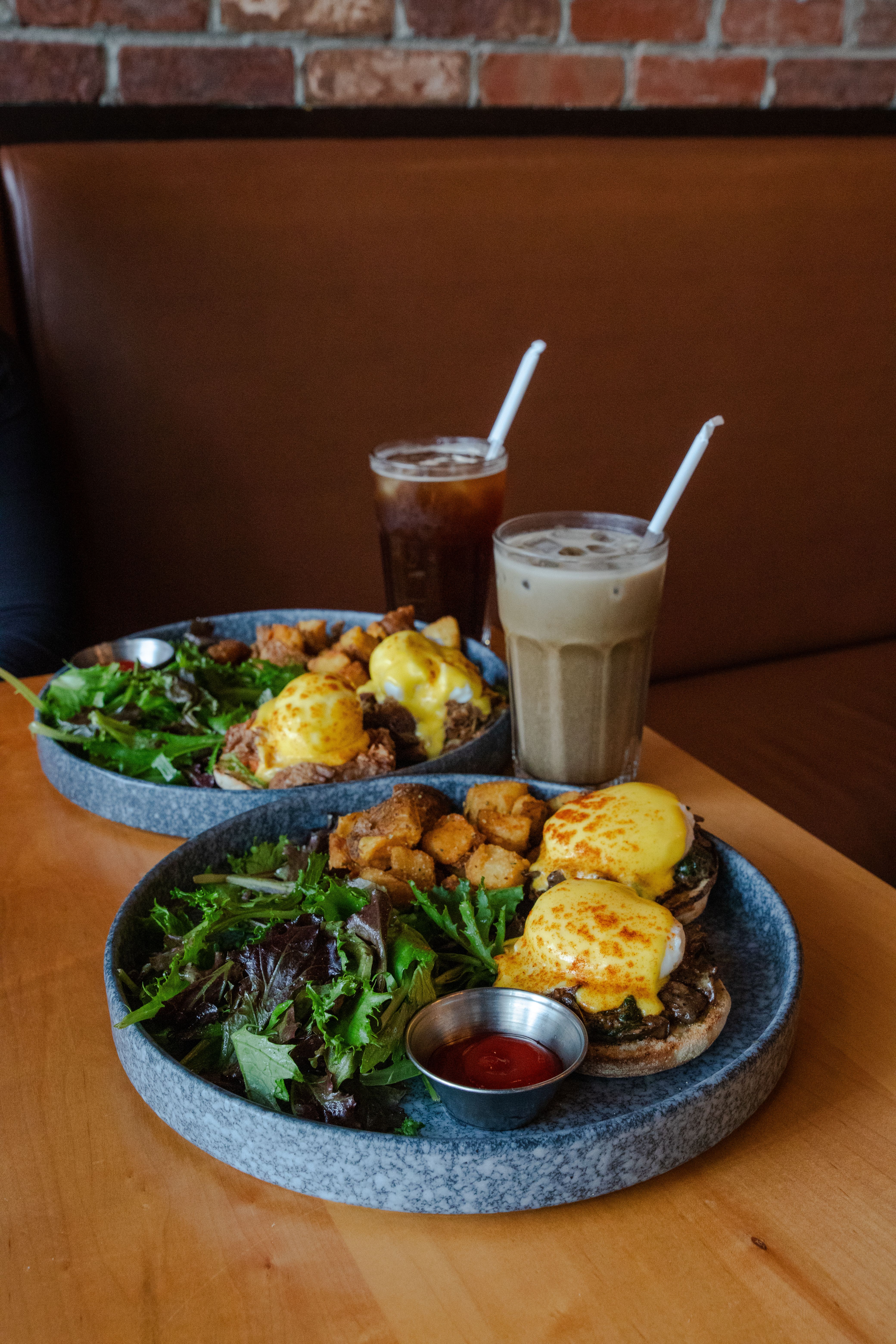
The obvious strategy during a global tournament is to chase the biggest screens and busiest official zones. In Toronto, that would be a mistake if it becomes the only plan. The better approach is to use the matches as anchors, then let meals shape the day. The city rewards people who are willing to travel a little farther and eat a little more adventurously.
A practical Toronto food itinerary can be built around transit lines and neighborhoods rather than reservation prestige. That might mean breakfast in Koreatown, lunch in Little India, an afternoon snack in Kensington Market, dinner in Greektown, and late-night birria, patties, or hand-pulled noodles elsewhere. The city's sprawl can be intimidating, but its culinary logic is surprisingly easy to learn.
When the World Cup arrives, Toronto will absolutely deliver the expected pageantry of a host city. But the stronger, more lasting performance is already underway. It is found in the places where locals actually eat, where recipes carry family histories, and where the world has been gathering for decades, one plate at a time.



Leave a Reply