
A visit to Tofino now comes with one less plastic bottle. On Earth Day 2026, the coastal town made Canadian history with a bold move aimed at protecting its beaches, oceans, and wildlife from plastic waste.
A Coastal Town Chose to Rethink Convenience
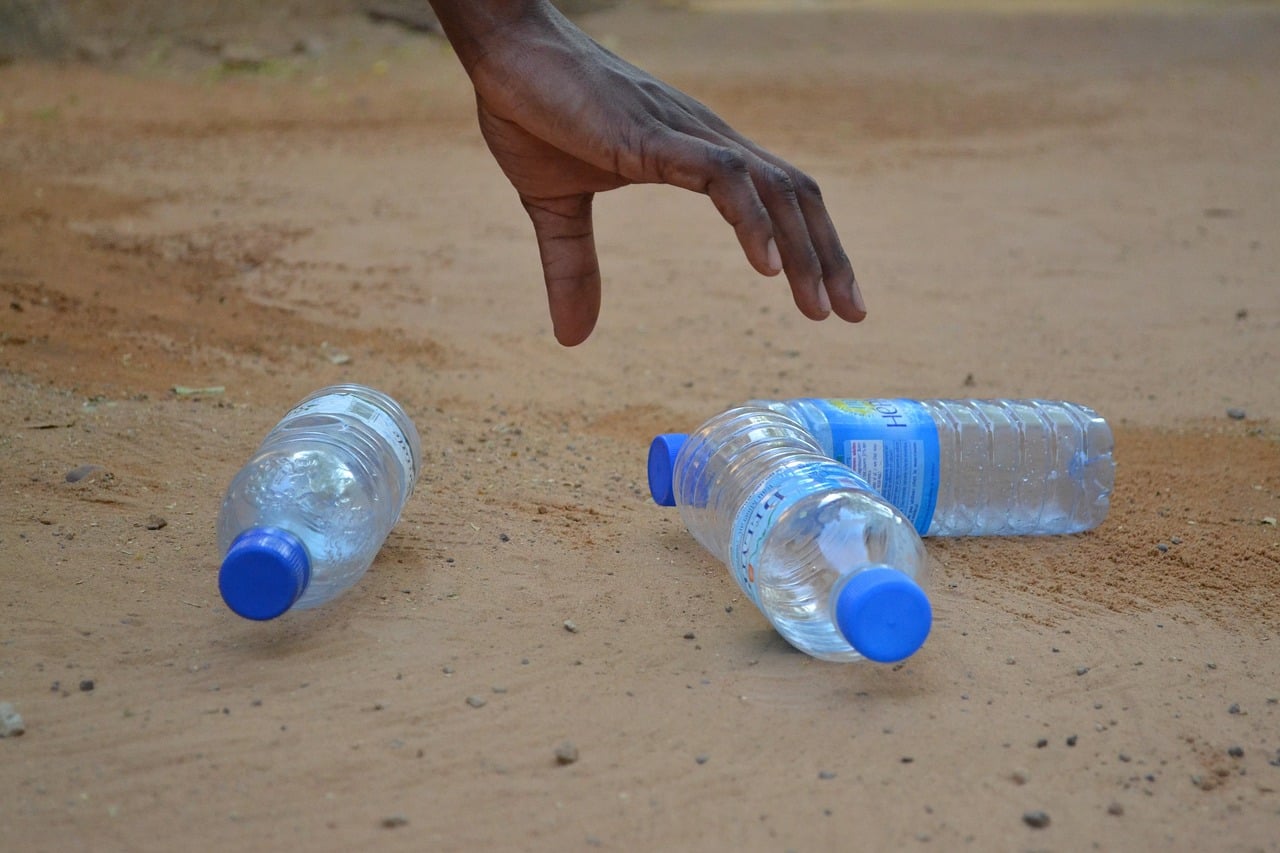
Tofino is known for its rugged coastline, surfing beaches, and strong commitment to protecting the natural environment. On April 22, 2026, Earth Day, the community added another milestone by becoming the first municipality in Canada to prohibit the retail sale of single-use plastic water bottles of one litre or less. The move followed months of preparation and an eight-month transition period for local businesses.
The bylaw was not introduced overnight. Tofino's council approved the amendment in August 2025, giving retailers time to sell existing inventory and find suitable alternatives before the regulation officially took effect. That gradual rollout helped reduce disruption while allowing businesses to prepare.
For a town whose economy depends heavily on tourism and healthy coastal ecosystems, reducing unnecessary plastic waste was viewed as a practical step toward protecting the beaches, forests, and marine habitats that attract visitors from around the world.
Why Plastic Water Bottles Were the Focus
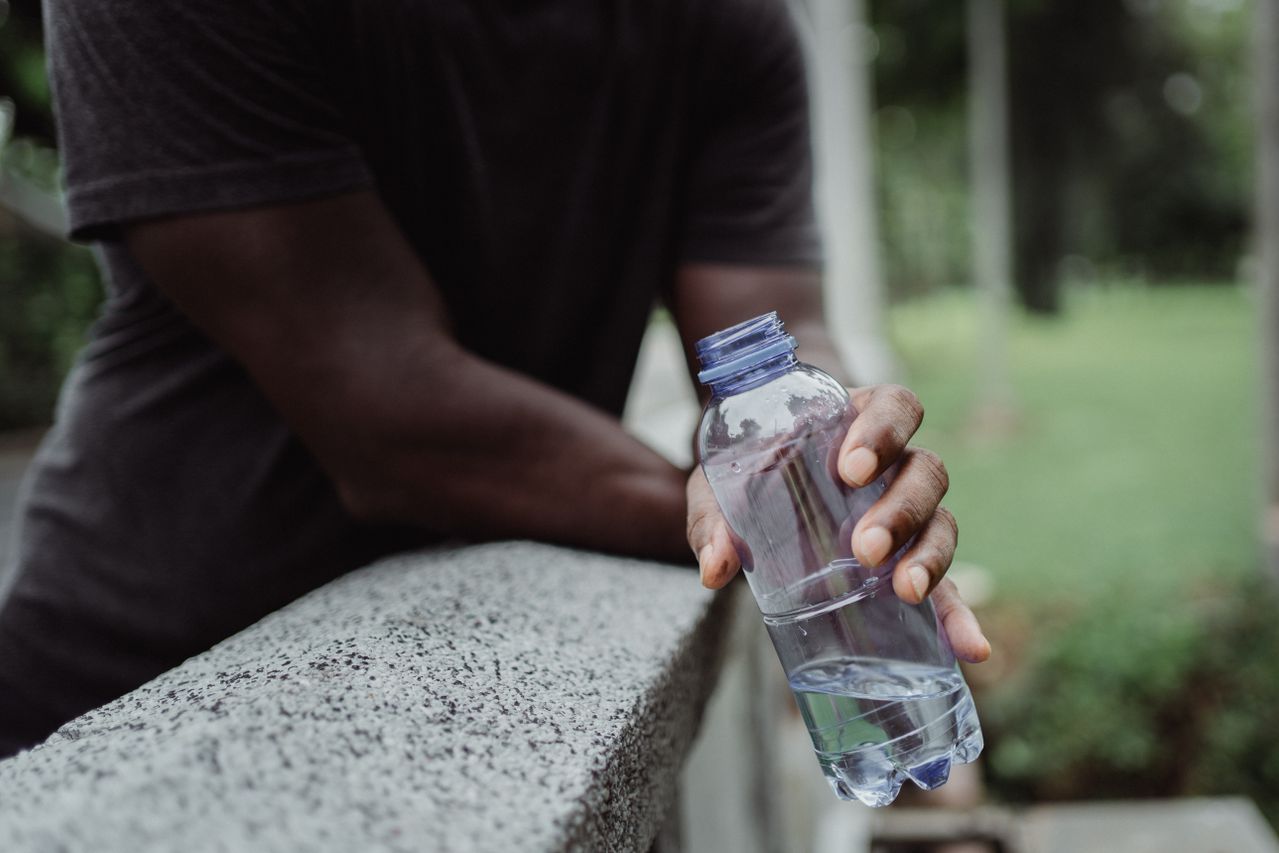
Small plastic water bottles are among the most commonly collected items during shoreline cleanups in Tofino and many other coastal communities. Even when disposed of properly, bottles can escape waste systems through wind, storms, or overflowing bins and eventually enter rivers and oceans.
Once plastic reaches the environment, it breaks into smaller fragments rather than disappearing completely. These tiny plastic particles can remain in ecosystems for decades, affecting wildlife that mistake them for food or become entangled in plastic waste.
Tofino chose to focus specifically on water bottles because the community already has widespread access to safe drinking water. Officials believed encouraging reusable bottles and refill stations offered a practical alternative to single-use plastics without limiting access to drinking water.
Visitors Can Still Easily Access Drinking Water
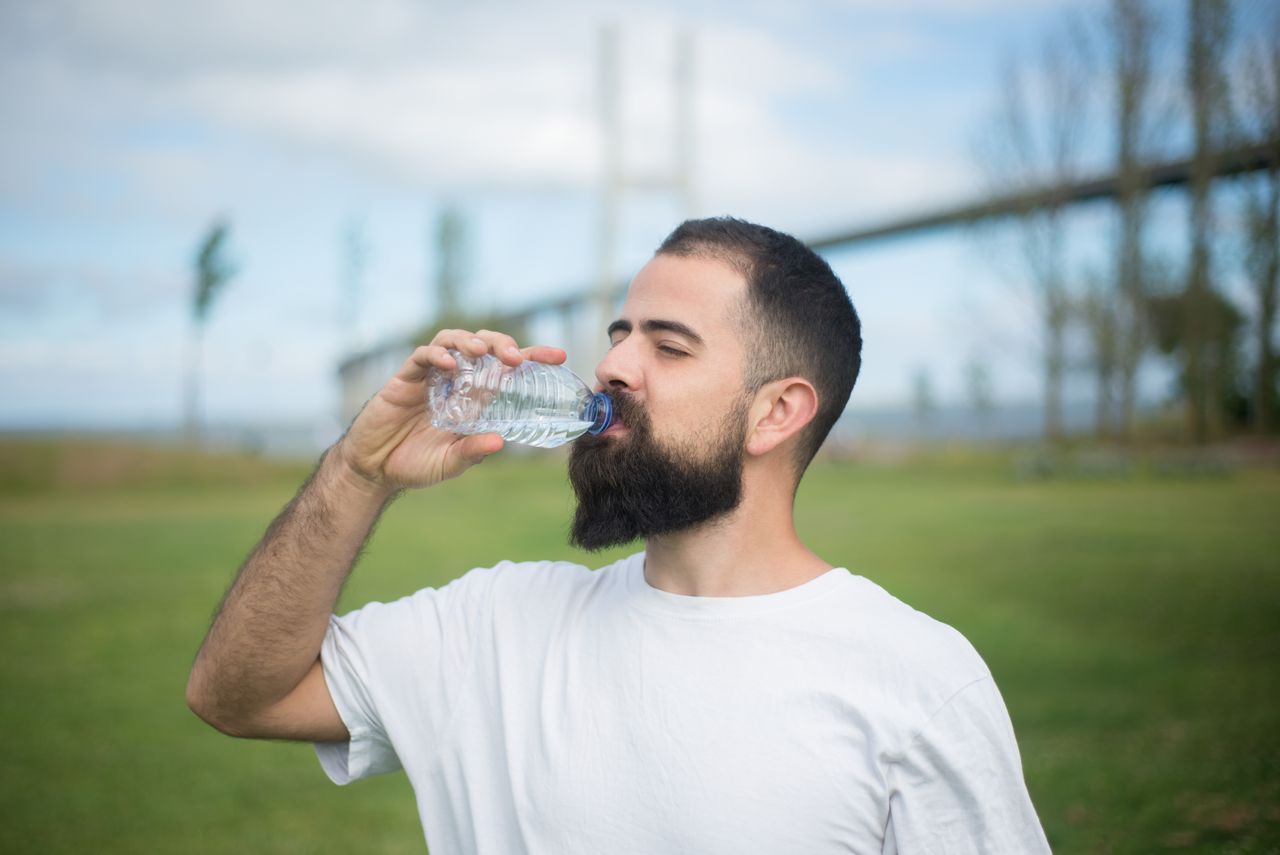
The new regulation does not leave residents or tourists without drinking water. Instead, it encourages people to refill reusable bottles using public drinking fountains, refill stations, and participating local businesses that offer free tap water.
Many businesses had already begun replacing plastic bottles with alternatives such as aluminum cans or glass bottles even before the bylaw became mandatory. This early adoption helped make the transition smoother for both retailers and visitors.
Tourism organizations also encouraged travellers to pack reusable water bottles before arriving in Tofino. Since the community's drinking water is considered safe and widely available, reusable containers can easily replace many single-use purchases during a visit.
The Ban Includes Important Exceptions
Although the regulation is broad, it is not absolute. The bylaw applies specifically to the retail sale of plastic water bottles one litre and smaller, while several carefully designed exemptions remain in place.
For example, bottled water sold in packaged multipacks for home use is still permitted. Exemptions also apply during declared emergencies, Emergency Operations Centre activations, and Stage 3 water conservation events when bottled water may become necessary.
The bylaw also recognizes accessibility needs. Businesses may provide plastic water bottles upon request to customers with accessibility requirements, helping ensure the environmental policy remains practical and inclusive.
Building on Years of Waste Reduction
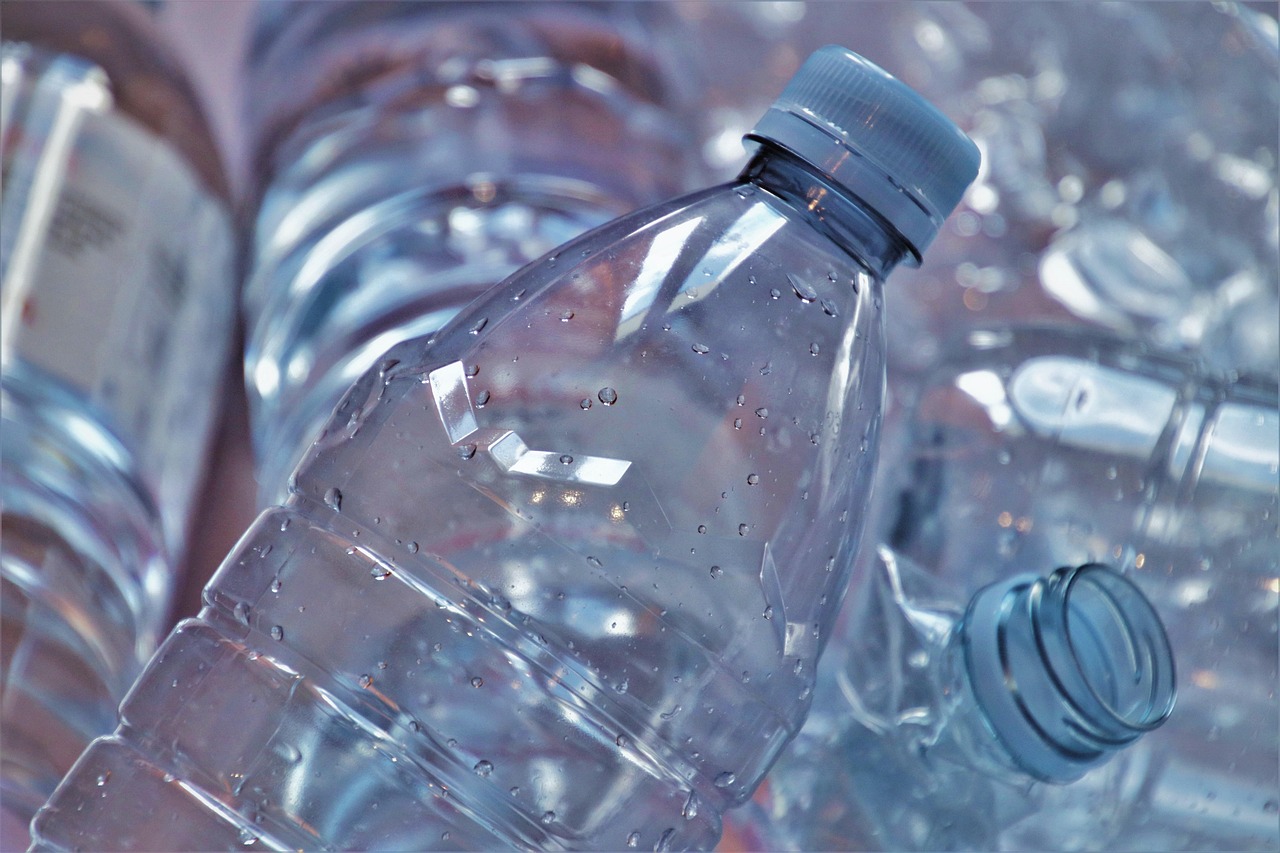
The water bottle prohibition did not appear in isolation. Tofino has spent several years expanding its efforts to reduce unnecessary single-use plastics through its broader Single-Use Item Regulation Bylaw.
Earlier measures already restricted items such as plastic checkout bags, plastic drinking straws, plastic utensils, and foam food containers. Together, these policies encourage reusable alternatives while reducing items that commonly become litter along beaches and waterways.
Community organizations, local businesses, tourism groups, and environmental partners worked together throughout the transition. Education campaigns, refill programs, and public awareness initiatives helped prepare residents and visitors before the new rules officially took effect.
A Small Town With a Big Environmental Message
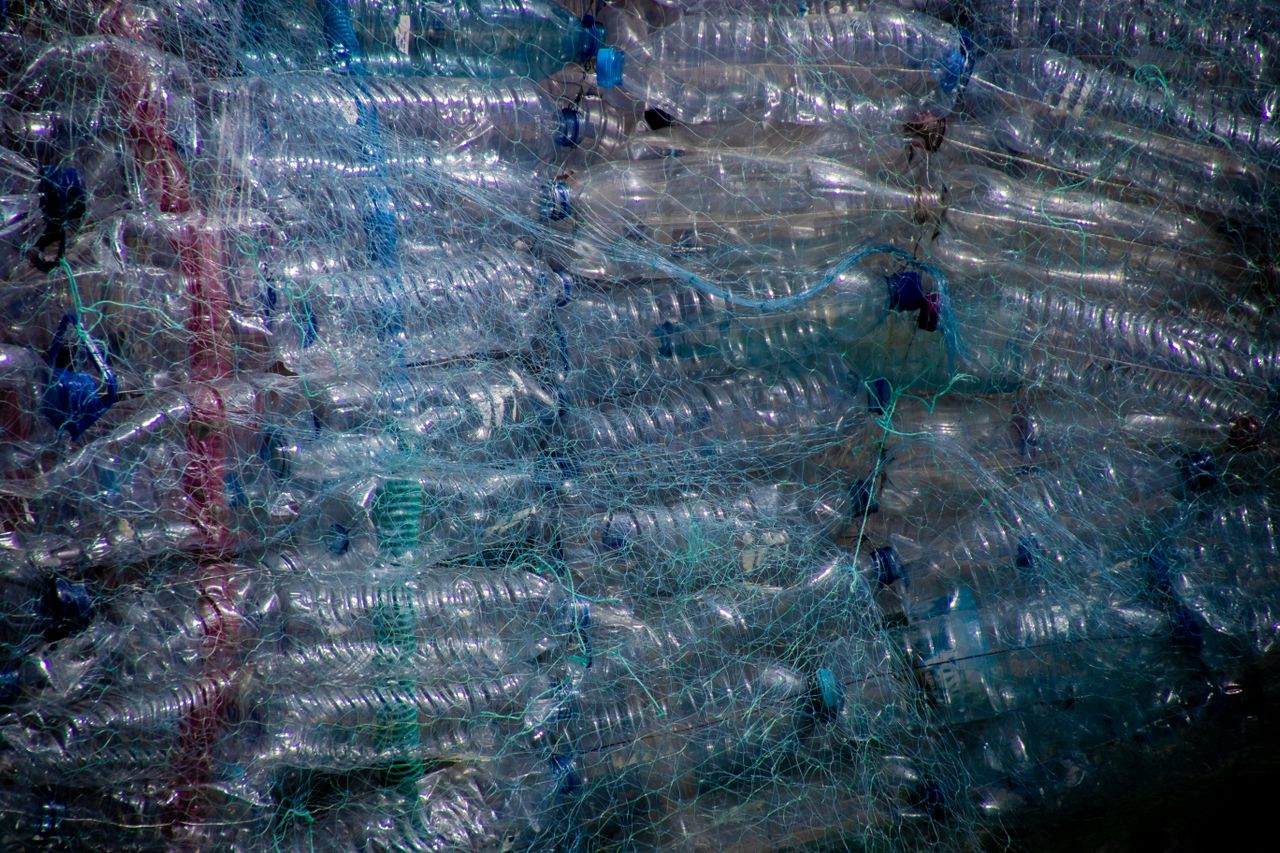
Although Tofino is a relatively small municipality, its decision has attracted attention across Canada because it demonstrates how local governments can address environmental issues through targeted policies. As the first Canadian municipality to introduce this type of ban, the town has become a national example for other communities considering similar measures.
Supporters hope the initiative will reduce plastic waste, encourage reusable habits, and inspire broader conversations about how communities can minimize unnecessary single-use products without sacrificing convenience or public access to essential services.
For residents and visitors alike, the biggest change is simple. Bringing a reusable water bottle is now part of the Tofino experience, reflecting the community's long-standing commitment to protecting the landscapes and coastlines that define one of Canada's most celebrated destinations.




Leave a Reply