
Pickling looks simple, but the ratio is what makes it work. Get that balance right, and you can pickle almost anything with confidence.
The core ratio that works for most quick pickles
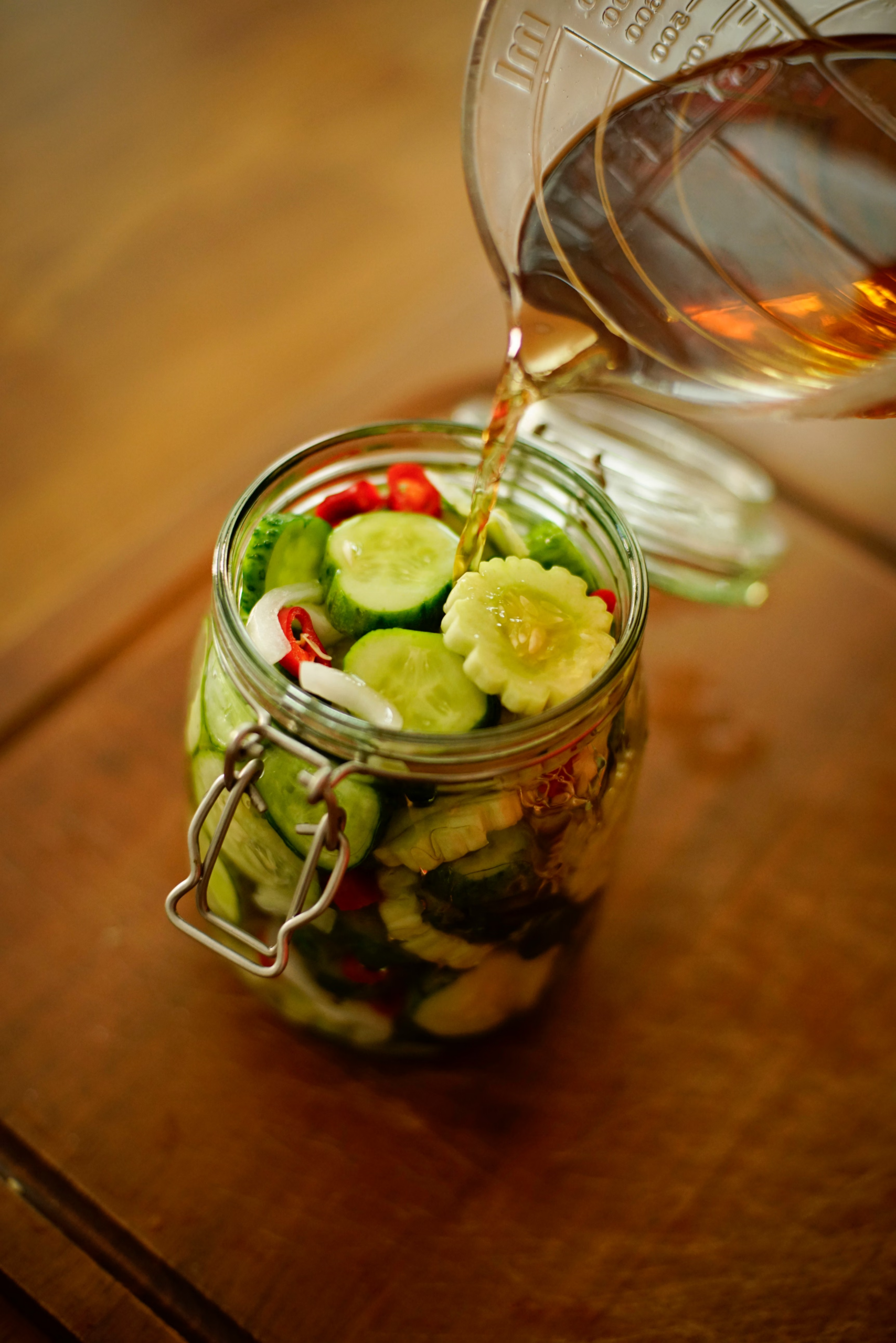
At the heart of good pickling is a simple brine: 1:1 vinegar to water, plus 1 tablespoon kosher salt per 2 cups of liquid. This is the dependable starting point for quick pickles such as cucumbers, onions, carrots, radishes, green beans, and peppers. It gives enough acidity for bright flavor while keeping the salt level strong enough to season and lightly preserve.
This ratio works because most vinegars used for pickling are 5% acidity. When mixed equally with water, the brine stays tart without becoming harsh. Sugar is optional, but many cooks add 1 to 2 tablespoons per 2 cups of liquid to round out the edges. That does not make the pickles sweet unless you deliberately push the sugar higher.
The beauty of this formula is flexibility. You can add garlic, dill, mustard seed, coriander, bay leaf, peppercorns, or chili flakes without changing the safety of the brine. The acid, water, and salt ratio is the foundation. Flavorings simply build character on top of it.
Why vinegar strength matters more than people realize
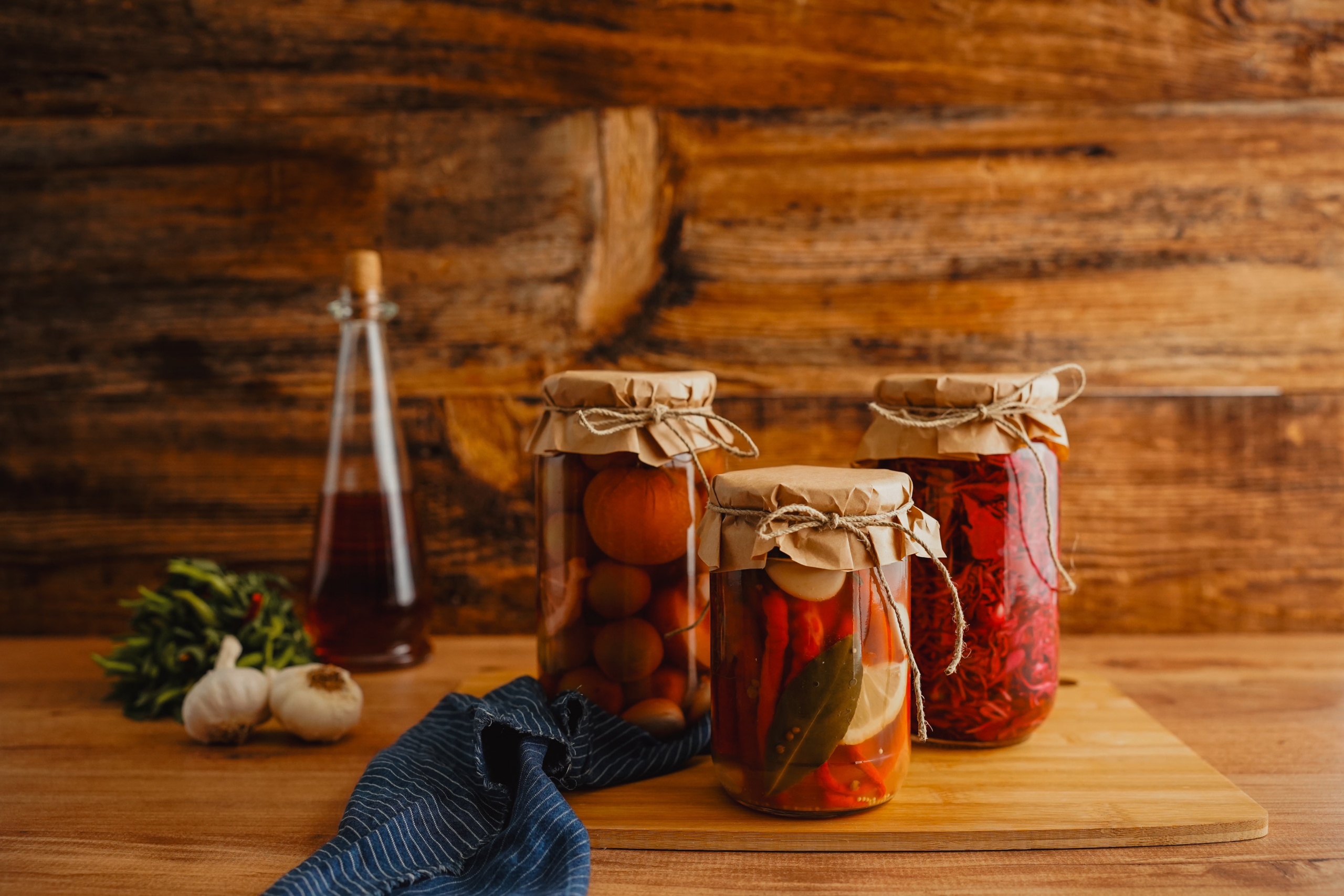
Not all vinegar behaves the same in a jar. Distilled white vinegar and many apple cider vinegars are commonly sold at 5% acidity, which is the standard most home pickling guidance assumes. That number matters because acidity is what suppresses unwanted microbial growth and gives pickled food its sharp, clean structure.
If you use a vinegar with lower acidity, the brine may taste pleasant but fall short on preservation. If you use a stronger vinegar, the result can become aggressively sour unless balanced with more water, which then changes the safety equation. This is why tested recipes are so valuable, especially for shelf-stable canning.
For quick refrigerator pickles, the 1:1 ratio remains the practical sweet spot. Rice vinegar, champagne vinegar, and some wine vinegars can be milder in flavor, but you still need to confirm acidity before swapping them in. Good pickling is not just about taste. It is also about controlling the environment inside the jar.
The ideal salt, sugar, and seasoning balance
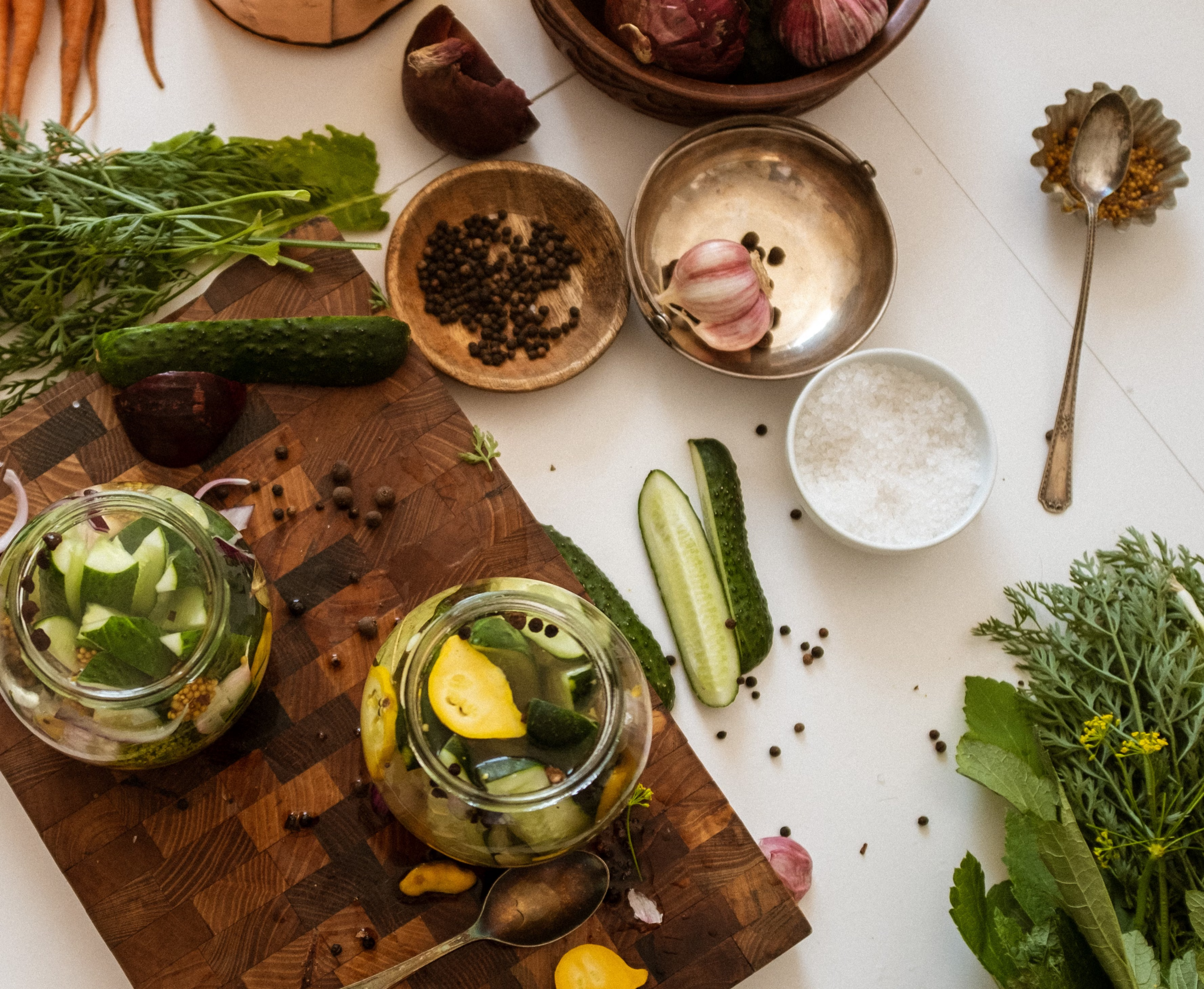
Salt does more than make brine taste complete. It helps pull moisture from vegetables, firms texture slightly, and distributes flavor evenly through the jar. Kosher salt is preferred because it dissolves cleanly and usually contains no additives that cloud the liquid. Table salt can work, but anti-caking agents sometimes affect appearance.
Sugar is not required for preservation in most quick pickle recipes, yet it often improves the result. Sharp vegetables like red onion or radish become more rounded with even a modest amount. A common working balance is 1 tablespoon salt and 1 tablespoon sugar per 2 cups of brine, then adjust the sweetness depending on the ingredient.
Seasonings should match the food rather than overwhelm it. Dill and garlic suit cucumbers. Coriander and cumin flatter carrots. Mustard seed and turmeric work well with cauliflower. The most reliable approach is to keep the brine ratio fixed and customize only the aromatics.
How the ratio changes with different foods
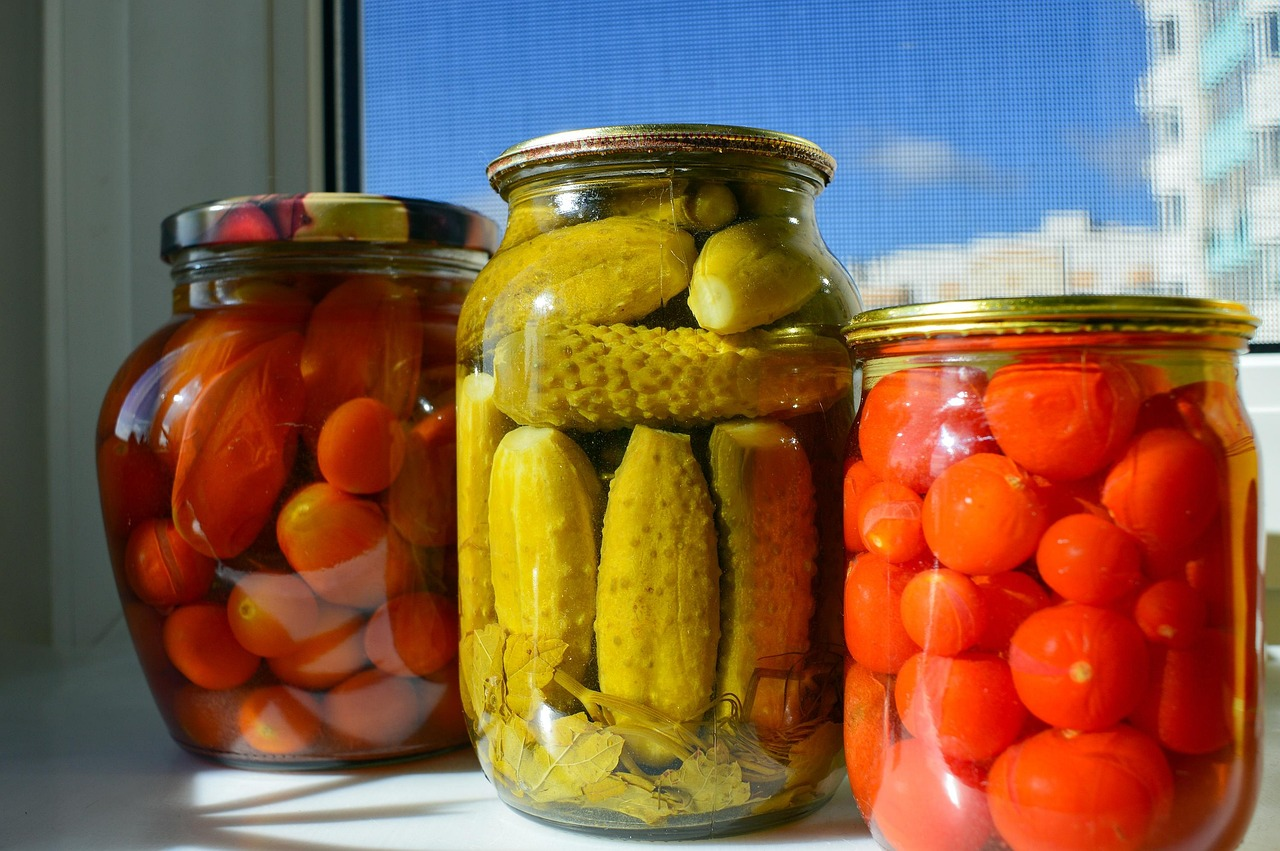
Different foods absorb brine in different ways, so the same liquid can produce noticeably different outcomes. Cucumbers release water as they sit, which can slightly dilute the brine over time. Onions soften quickly and take on acidity fast, often tasting ready within an hour. Carrots and cauliflower stay firmer and usually need more time for the brine to penetrate.
Very watery produce benefits from a strong, clean brine and cold storage. Dense vegetables can handle a hotter pour-over brine, which helps speed flavor absorption. Delicate foods such as berries or peaches need a gentler hand with seasoning, even when the acid ratio stays similar. Too much spice can bury their natural flavor.
Eggs, fish, and meats are different categories entirely and should not be treated like simple vegetable pickles. They require specific food safety guidance and, in many cases, tested procedures. The phrase "any food" sounds convenient, but in practice the perfect ratio applies best to produce-based refrigerator pickles.
Crisp texture, storage, and common mistakes
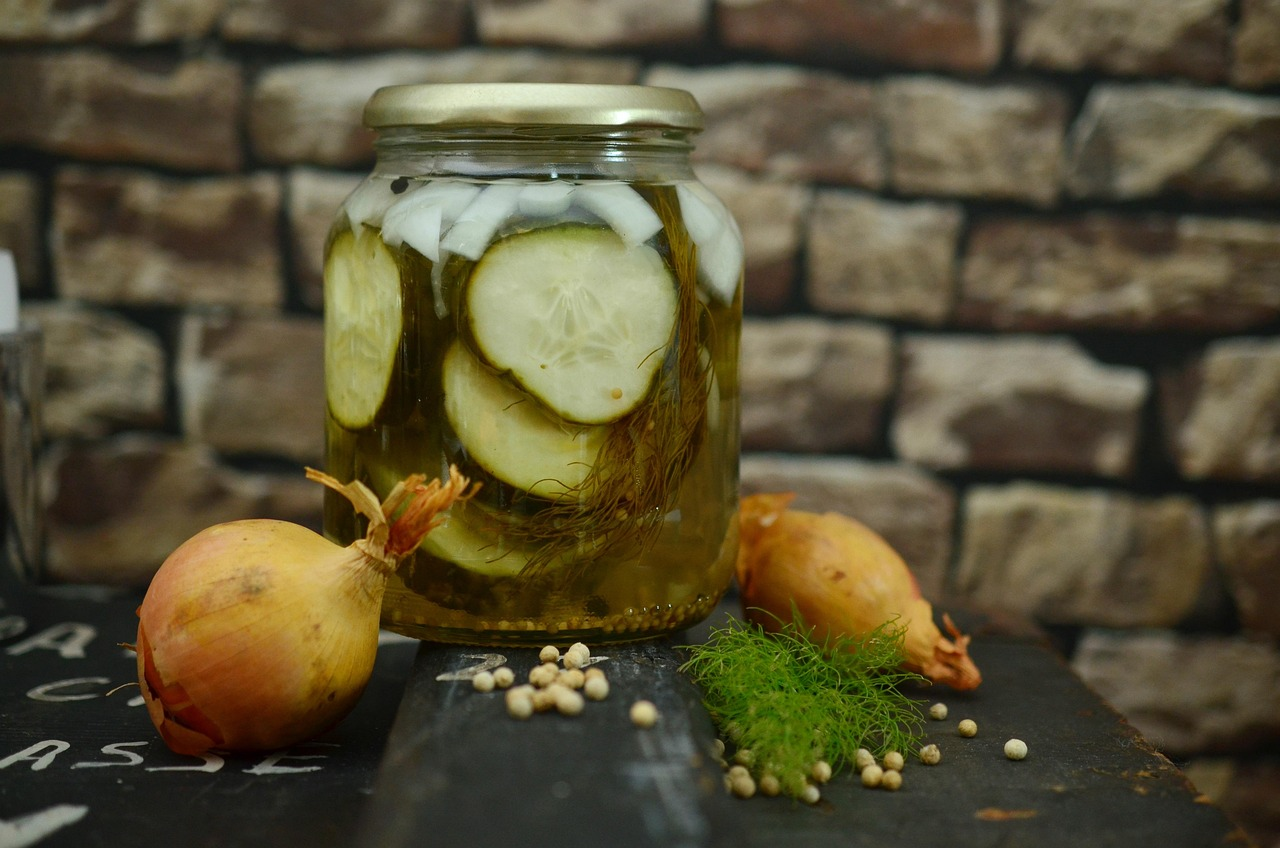
A good pickle should taste lively and still have structure. One of the most common mistakes is pouring weak, under-salted brine over vegetables and expecting bold results. Another is using too much sugar, which can flatten the fresh snap of the acid. Texture depends on freshness too, so older produce usually gives softer pickles.
For crisper pickles, start with very fresh vegetables and chill them before brining. Cucumbers especially benefit from trimming the blossom end, which contains enzymes linked to softening. Keeping jars refrigerated and using clean utensils also protects both texture and flavor over time.
Most quick pickles taste good after a few hours, better after 24 hours, and best after several days. Stored in the refrigerator, they often keep well for 2 to 4 weeks, depending on the ingredient. If the brine turns cloudy from spoilage, develops off odors, or shows visible mold, it should be discarded immediately.
The best practical formula to remember
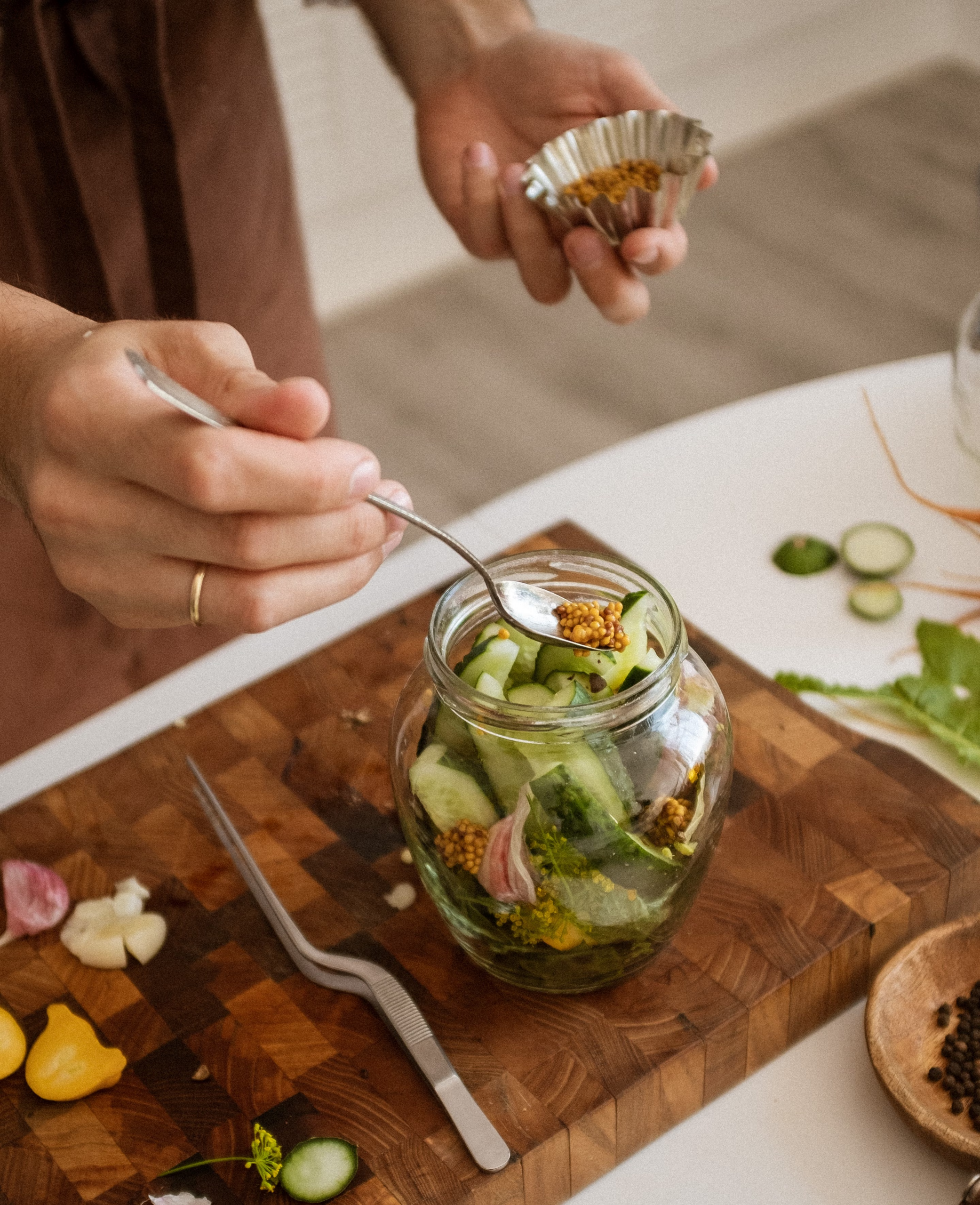
If you want one pickling ratio to remember, make it this: 1 cup 5% vinegar + 1 cup water + 1 tablespoon kosher salt. Add 1 to 2 tablespoons sugar if you want balance, then layer in spices that suit the ingredient. That formula is simple, repeatable, and trusted because it delivers clean acidity without unnecessary complication.
Use it for cucumbers, onions, carrots, radishes, jalapeños, cabbage, green beans, and cauliflower. Pack the food tightly, pour over the brine, cool, and refrigerate. In real kitchens, this is the ratio that gives the best mix of flavor, ease, and reliability for everyday pickling.
The key is knowing what this ratio is for. It is ideal for refrigerator pickles and quick preserving, not universal shelf-stable canning of every ingredient. Once you understand that distinction, you can pickle with far better results and a lot more confidence.




Leave a Reply