
It is easy to ignore the tiny sticker on a piece of fruit. But that small label is doing far more work than most shoppers realize.
The sticker is really a shortcut for an enormous produce system
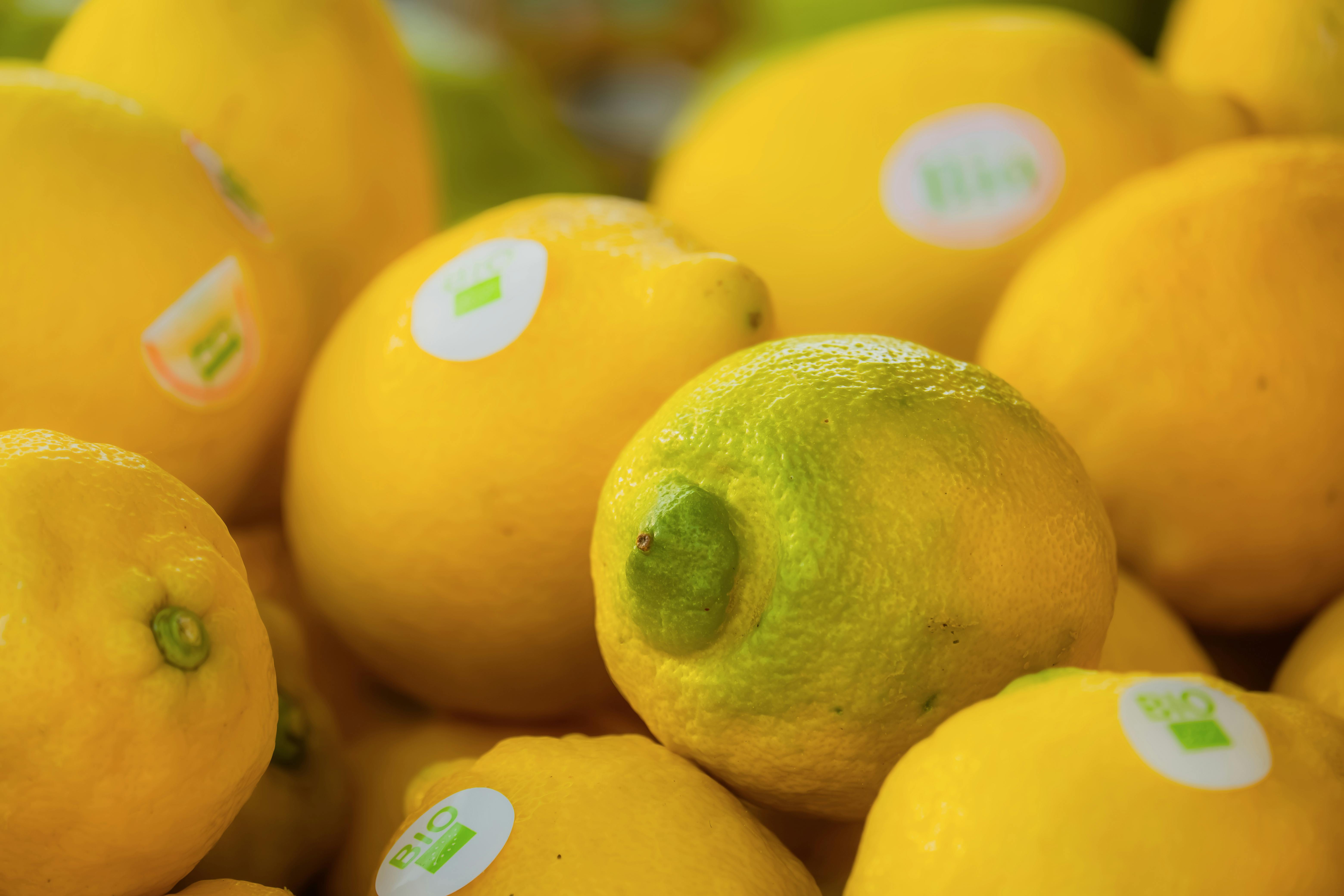
At first glance, a fruit sticker looks like a miniature ad. It usually carries a brand name, a number, and sometimes a note such as "organic." In reality, that tiny label is part of a standardized retail language that helps growers, distributors, stores, and cashiers identify produce instantly and accurately.
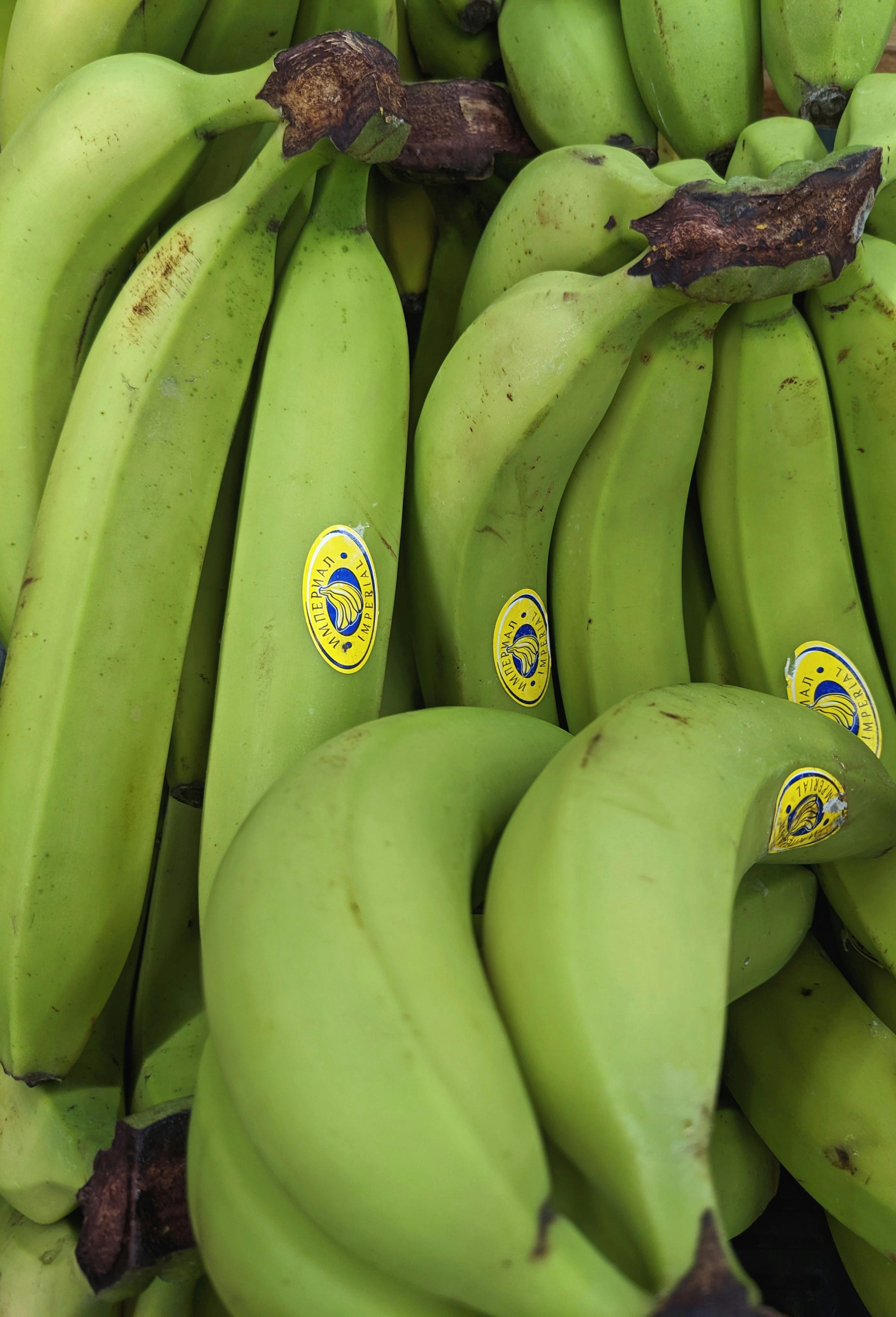
The most important detail on the sticker is often the PLU code, short for Price Look-Up code. These numbers are managed through global produce standards and are used across supermarkets to identify loose fruits and vegetables that do not come in packaged containers with barcodes. If a cashier types in 4011, for example, that code commonly refers to a standard yellow banana. A different code can distinguish an organic banana or a different variety altogether.
This matters because fresh produce is one of the most variable items in a store. A banana can come from Ecuador, Guatemala, Costa Rica, or the Philippines. An apple might be Gala, Fuji, Honeycrisp, or Granny Smith, and those differences affect price, taste, storage, and inventory. A small sticker lets stores separate one item from another without requiring large packaging, which would increase waste and cost.
Retailers also rely on those codes for backend operations that shoppers never see. Sales data tied to PLU numbers helps stores know what sells fastest, what should be reordered, and what is being wasted. Over time, that data can shape everything from seasonal displays to supply contracts. So while the sticker may seem minor, it is actually connected to pricing, purchasing, forecasting, and the larger economics of the grocery business.
Those numbers can tell you more than many shoppers know
Many people have heard that fruit stickers reveal whether something is organic or genetically modified. There is a kernel of truth in that idea, but the popular explanation is often incomplete or outdated. The system is simpler and more useful when understood correctly.
A standard PLU code on produce is usually four digits for conventionally grown items. A five-digit code beginning with 9 typically identifies produce that is sold as organic. For instance, a conventional banana may carry 4011, while an organic banana may appear as 94011. That extra digit gives stores and cashiers a quick way to separate organic produce from conventional produce, which is important for both pricing and labeling accuracy.
What about the long-circulated claim that a five-digit code beginning with 8 means the fruit is genetically modified? That idea spread widely online, but it does not reflect how produce is commonly labeled in stores today. Industry groups introduced the possibility of using 8-prefix codes for genetically engineered items years ago, but the system was never broadly adopted in everyday retail produce labeling. In practical terms, shoppers are very unlikely to encounter a meaningful GMO signal that way.
The sticker may also include a brand, country-related marking, or variety-specific identifier, depending on the producer and retailer. For consumers, that information can be surprisingly useful. If you buy a certain pear, avocado, or mandarin and love the taste, the sticker may help you identify the same type again. In that sense, fruit stickers are not only for stores. They can also help shoppers make more informed choices and repeat purchases with greater confidence.
Fruit stickers also play a quiet but serious food safety role

The most overlooked value of a produce sticker appears when something goes wrong. In a perfect world, every piece of fruit would arrive, sell, and be eaten without issue. But in the real world, food systems must be prepared for recalls, contamination concerns, and supply chain investigations, and stickers can support that work.
When public health officials or companies investigate a produce-related issue, they need to identify where the product came from, what variety it was, when it moved through the chain, and where it was sold. A sticker alone does not carry every detail, but it can connect the fruit to a larger tracking system that includes cartons, pallets, invoices, and store records. That connection can help narrow down a source much faster than relying on memory or visual guesswork.
Country of origin labeling rules add another layer of transparency in many markets. While a sticker may not always state the full supply history, it often works alongside signage and packaging systems that tell retailers and shoppers where produce was grown. This matters not only for consumer preference but also for regulatory compliance and rapid response during import alerts or agricultural disease concerns.
Food safety experts often stress that traceability is strongest when many small identifiers work together. Box labels, shipment records, lot codes, supplier logs, and produce stickers all create a chain of information. No single sticker can solve a contamination event on its own, but removing those identifiers would make the system less precise. That is why the label stuck to your orange or kiwi is not simply a decorative tag. It is one piece of a larger accountability framework designed to protect public health.
The sticker creates waste too, and that is why it is being rethought
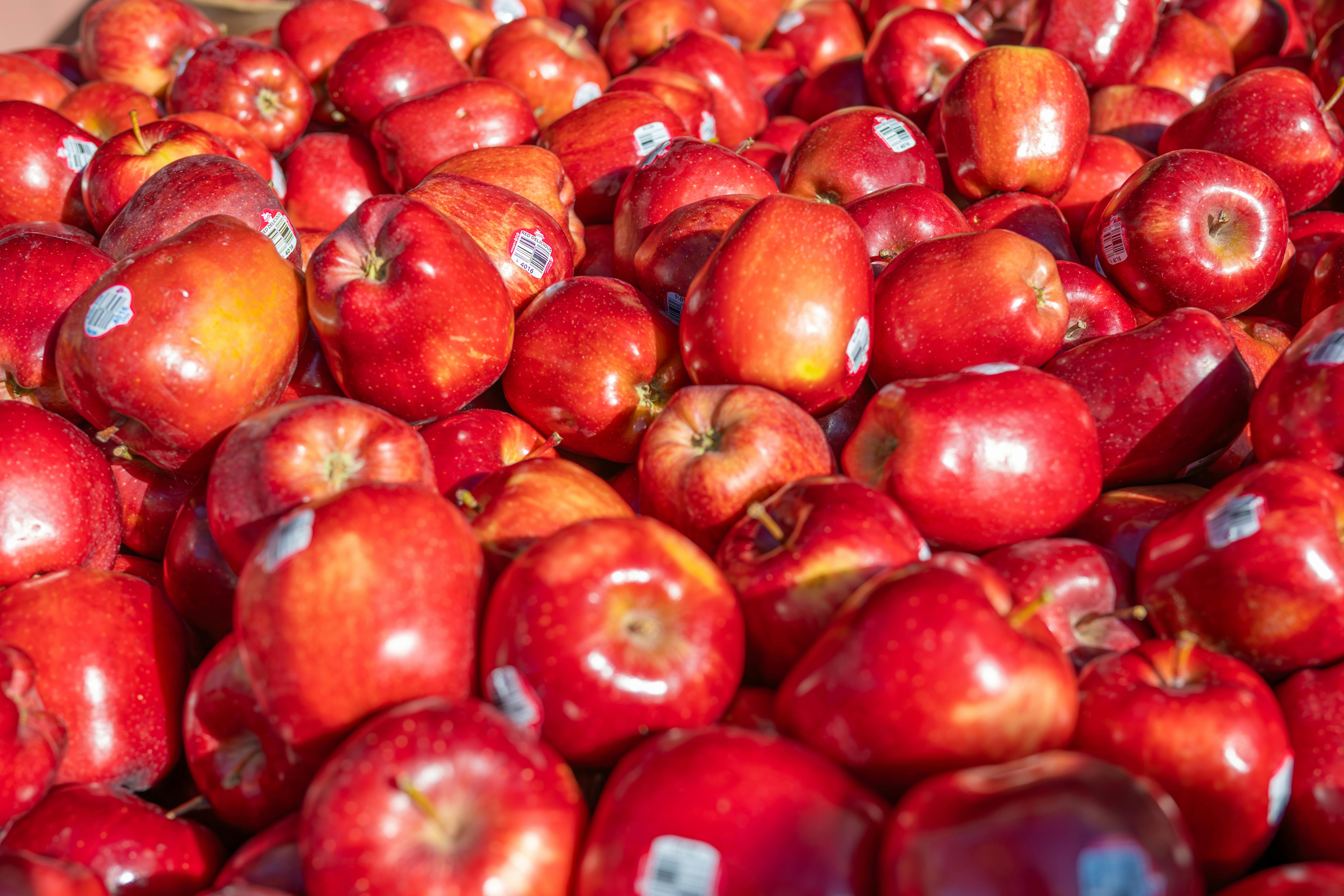
For all their usefulness, fruit stickers come with an environmental downside. They are small, but they are everywhere. Billions of pieces of produce are sold each year, and each sticker adds a tiny amount of material that usually cannot be composted along with fruit peels and scraps.
Most conventional produce stickers are made from plastic-based materials with strong adhesives so they can survive moisture, handling, refrigeration, and transport. That durability is good for logistics but bad for compost systems. Municipal compost facilities and home composters often have to screen them out because the labels do not break down quickly. When people forget to remove them from banana peels, orange rinds, or avocado skins, the stickers can contaminate compost streams.
This has pushed parts of the produce industry to test alternatives. Some companies have explored compostable stickers, laser etching, edible coatings with printed information, and improved adhesives designed to reduce contamination. Laser marking has attracted attention in Europe and elsewhere for items such as avocados, sweet potatoes, and citrus. Instead of applying a separate sticker, a low-energy laser lightly marks the skin with a code or logo, reducing packaging waste while keeping products identifiable.
Still, replacing the traditional sticker is not simple. Any alternative has to remain readable, affordable, safe for food contact, and accepted across different retail systems. It also has to work on fruits with delicate skins, uneven surfaces, or short shelf lives. That is why the sticker has not disappeared despite growing criticism. The industry is trying to balance traceability, cost, branding, and sustainability, and every improvement has to function at global scale, not just in a laboratory or pilot program.
What shoppers should actually do with fruit stickers

The simplest lesson is that shoppers should stop seeing fruit stickers as meaningless clutter. They can be practical tools if you know what to notice. The code can help you verify whether a loose item is organic, compare prices at self-checkout, or remember the exact variety you liked enough to buy again.
There is also a very practical habit worth adopting at home: remove stickers before composting peels or scraps. This sounds minor, but compost operators consistently deal with contamination from produce labels and other tiny packaging materials. Pulling the sticker off before tossing a banana peel or clementine skin into the compost bin helps reduce cleanup and improves the quality of the finished compost.
For parents, teachers, and curious shoppers, fruit stickers can also be a useful entry point into understanding how modern food systems work. That one tiny label opens up conversations about farming methods, global trade, retail technology, food safety rules, and environmental design. Few everyday objects say so much with so little space.
In the end, the white sticker on fruit is a perfect example of how invisible systems shape ordinary life. It helps stores price food correctly, helps supply chains stay organized, supports recall efforts, and gives consumers a small but real window into what they are buying. It may be tiny, but it is carrying the weight of a much bigger story every time it shows up on your apple, banana, or peach.




Leave a Reply