
Some dishes fade quietly, even after years of fame. Lobster Newberg is one of the clearest examples, a once-glamorous seafood classic that now survives mostly in memory, old menus, and a handful of traditional dining rooms.
A dish born in America's age of luxury
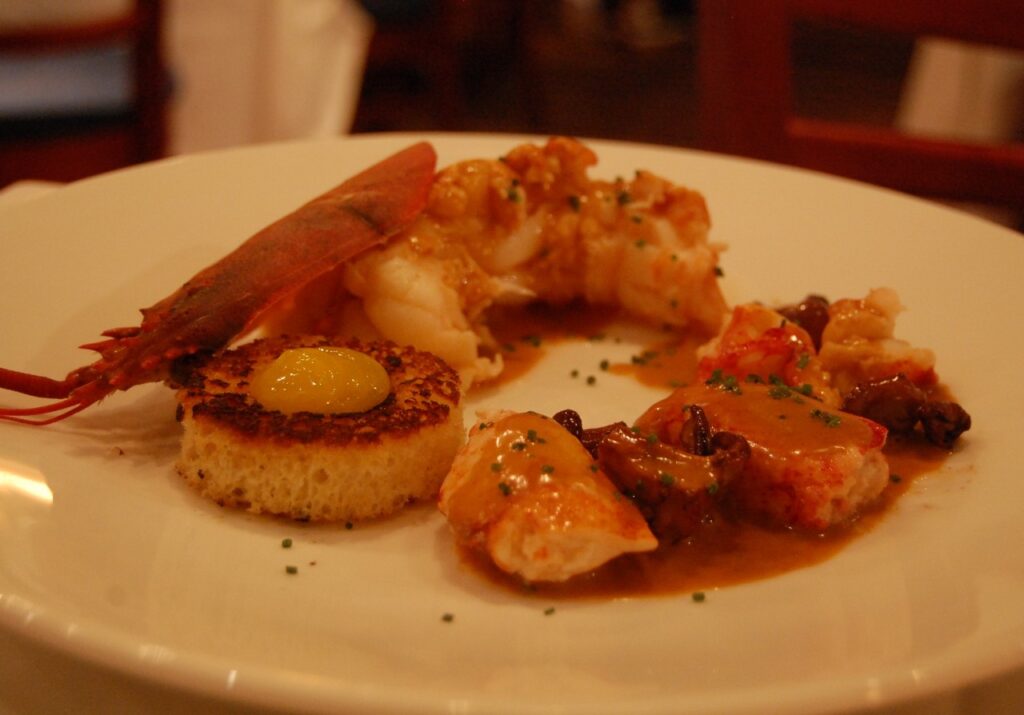
Lobster Newberg did not come from old European peasant cooking or a coastal family recipe passed down for generations. It emerged in late 19th-century New York, a city that was rapidly turning dining into theater. The dish is widely linked to Delmonico's, the legendary restaurant that helped define fine dining in the United States.
According to the most repeated account, a wealthy sea captain named Ben Wenberg introduced the preparation after returning from a trip. Delmonico's chef Charles Ranhofer refined it and placed it on the menu, though not without drama. After a falling-out between Wenberg and the restaurant, the letters in the name were rearranged, giving birth to "Newberg."
That story, whether polished by repetition or not, captures the kind of world the dish belonged to. It was tied to elite restaurants, social status, and the idea that expensive ingredients signaled sophistication. In that era, eating out at a major urban restaurant was as much about display as nourishment.
Lobster Newberg quickly became a signature of that culture. It appeared at banquets, club dinners, and formal occasions where richness itself was part of the appeal. Few dishes better expressed the confidence and extravagance of the Gilded Age.
The ingredients that made it unforgettable

At its core, Lobster Newberg is built on luxury layered over luxury. The traditional version combines cooked lobster meat with a rich sauce made from butter, cream, egg yolks, and a measure of sherry or cognac. Many classic recipes also include a little cayenne, nutmeg, or paprika, which add warmth without overwhelming the shellfish.
The result is not subtle in the modern minimalist sense. It is dense, velvety, and deeply savory, with the natural sweetness of lobster carried by a sauce closer to a custard than a broth. In many versions, the mixture is served in the shell, over toast points, in pastry shells, or alongside rice.
Part of the dish's appeal was visual. Red lobster meat in a pale golden sauce looked dramatic on formal china, especially under dining-room lighting designed to flatter rich foods and polished silver. It projected abundance before a diner even took the first bite.
It also demanded technical control. If the heat ran too high, the egg-enriched sauce could curdle. If the seasoning was too heavy, the lobster disappeared. In skilled hands, though, Lobster Newberg balanced opulence with precision, which is one reason it was so admired in grand hotels and top restaurants.
Why it became one of the country's great restaurant dishes

For decades, Lobster Newberg represented what many Americans imagined fine dining should be. It was expensive, French-influenced, and strongly associated with restaurants that signaled prestige. In the late 19th and early 20th centuries, dishes like this helped urban restaurants distinguish themselves from home cooking.
Its popularity spread through hotel dining rooms, railway guides, banquet menus, and society columns. By the early 1900s, variations of the dish appeared far beyond New York, especially in cities with strong hotel culture such as Boston, Philadelphia, Chicago, and New Orleans. It was exactly the kind of preparation that made diners feel they were participating in something fashionable.
There was also a practical advantage for restaurants serving affluent guests. Lobster Newberg could be presented as a composed entrée that felt special enough for celebrations, business dinners, and pre-theater meals. In an age when tableside service and menu French were marks of quality, it fit perfectly.
Cookbooks helped cement its reputation. Charles Ranhofer's influential recipes preserved the dish for professional and ambitious home cooks alike, while newspaper food sections later introduced simplified versions. For much of the 20th century, it remained one of those names diners recognized instantly, even if they ordered it only on special occasions.
The cultural role it played before tastes changed
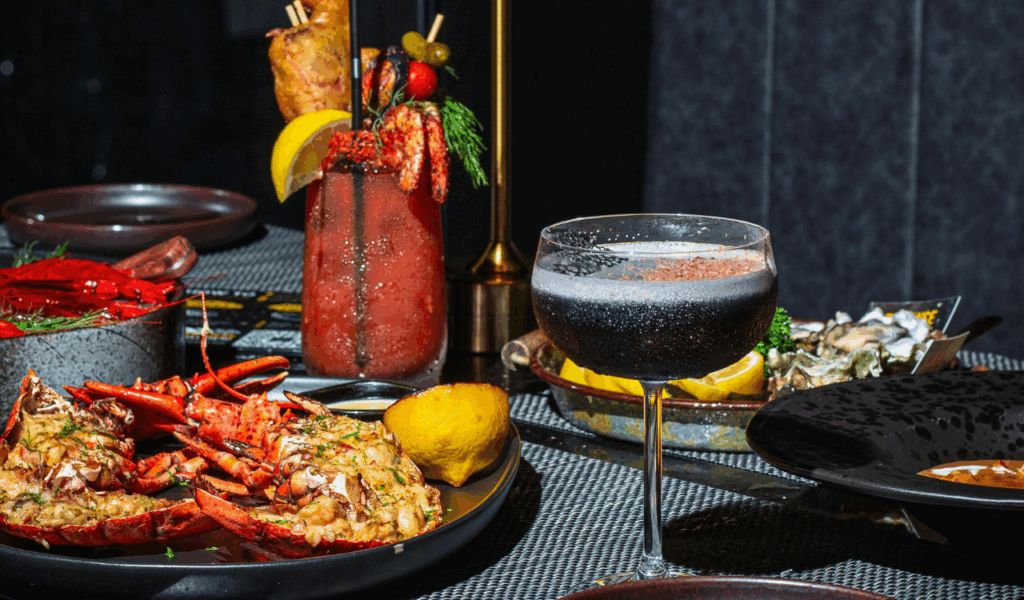
What made Lobster Newberg important was not just flavor, but symbolism. It stood for a period when dining out was formal, ritualized, and often deliberately extravagant. Ordering it suggested a certain confidence, whether financial, social, or aspirational.
It also belonged to a broader family of rich seafood dishes that once dominated upper-end American menus. Oyster stews finished with cream, crab imperial, lobster thermidor, and various shellfish gratins all reflected a taste for sauces, ceremony, and generosity. Diners expected richness, and restaurants delivered it unapologetically.
Regional identity mattered too. The dish had its strongest associations with the Northeast, particularly New York's historic restaurant culture and the broader Atlantic lobster trade. Because lobster itself carried strong East Coast connotations, Lobster Newberg helped reinforce the idea that certain seafood dishes were part of a refined American coastal tradition.
At home, however, it was less common than its fame might suggest. The price of lobster and the delicacy of the sauce made it more of a restaurant experience than a weekday meal. That gap between public fame and private cooking would later make it easier for the dish to disappear from everyday awareness.
Why it largely vanished from modern menus
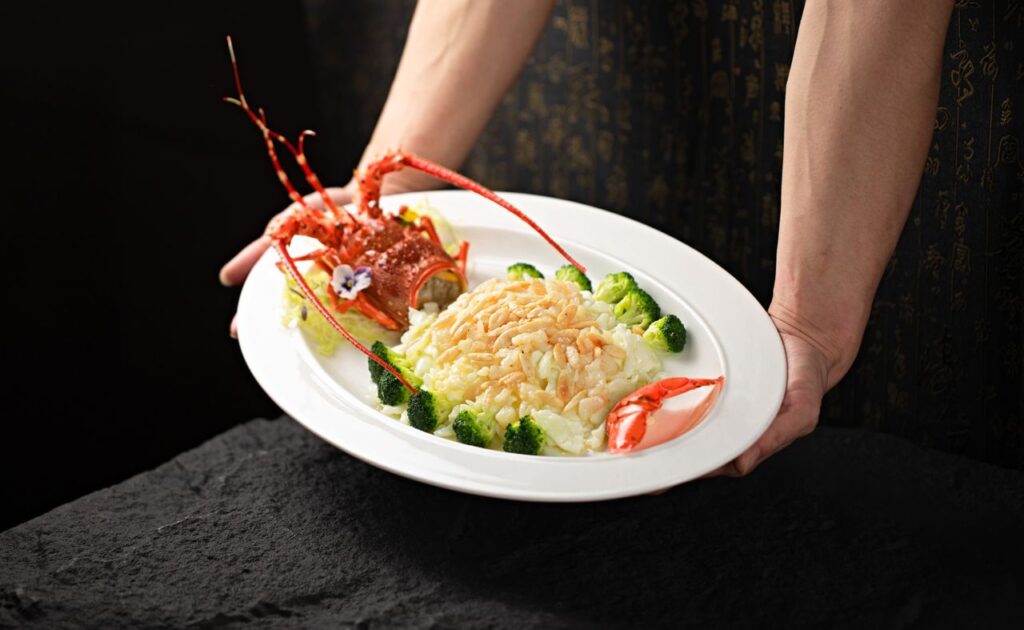
The decline of Lobster Newberg was not caused by a single shift. It was the result of several changes that transformed restaurant culture in the second half of the 20th century. Casual dining expanded, French-heavy fine dining lost some of its dominance, and simpler seafood preparations began to look more appealing.
Cost became a major obstacle. Lobster is expensive, and a dish built around cream, butter, egg yolks, and careful à la minute cooking requires labor as well as premium ingredients. Restaurants found it easier to sell grilled fish, broiled lobster tails, or pasta dishes that used smaller amounts of shellfish more profitably.
Health concerns also mattered. As American diners became more conscious of cholesterol, saturated fat, and heavy cream sauces, many of the old luxury dishes started to feel dated. Lobster Newberg, once celebrated as indulgent, began to seem excessive in an era that favored lighter sauces, cleaner plating, and ingredient-forward cooking.
Just as important, menus changed their language. Many chefs moved away from the formal continental repertoire that once included Newberg, Thermidor, and à la king. Even when the flavors survived in spirit, the names often disappeared, taking their cultural recognition with them.
Where the dish still survives and how it may return
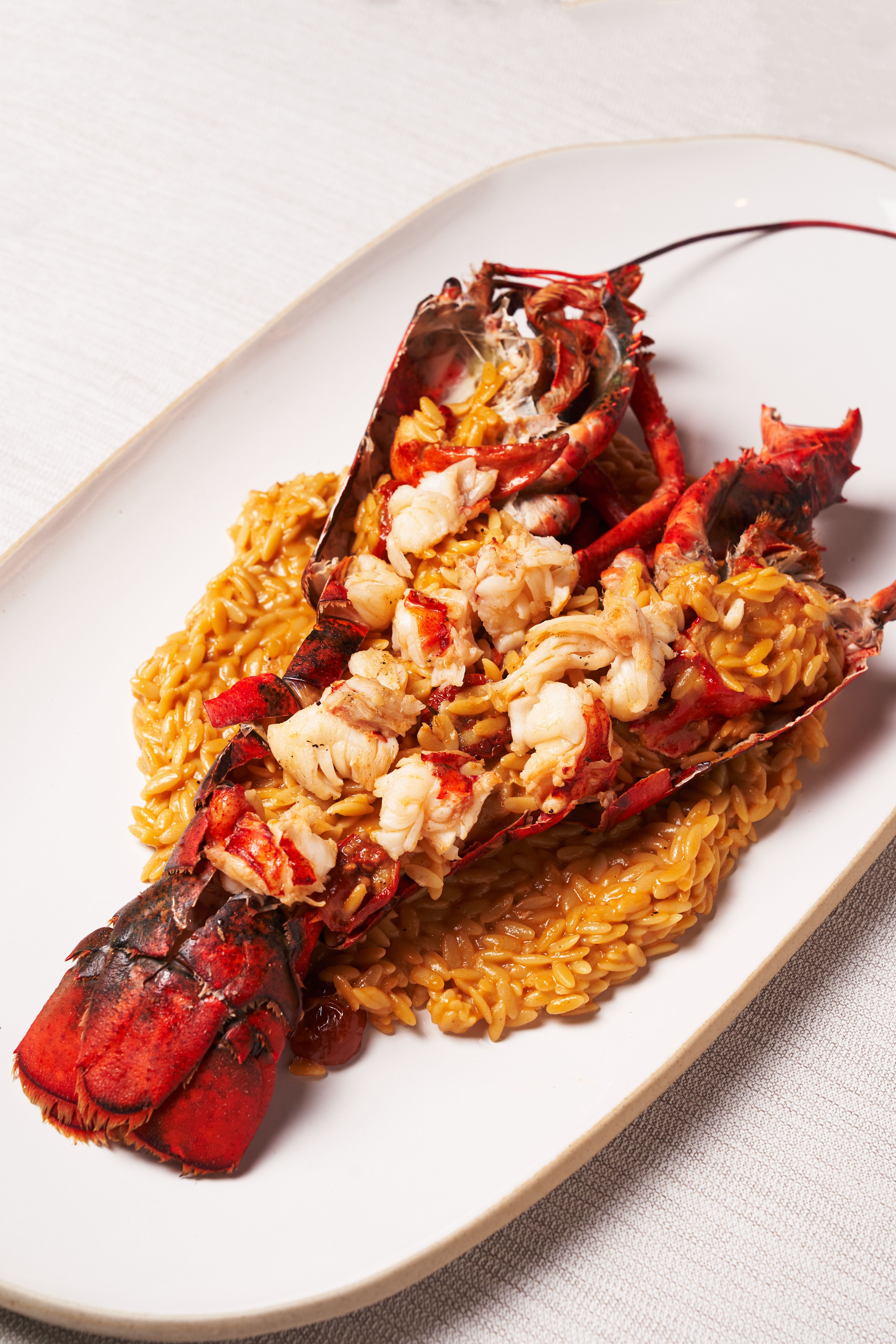
Lobster Newberg has not vanished completely. It still appears in some old-line steakhouses, classic hotel restaurants, private clubs, and seafood houses that preserve a traditional American repertoire. In these settings, the dish often functions as edible history, connecting diners to an earlier era of formal service and grand dining rooms.
It also survives in regional pockets, especially in parts of the Northeast where historical menus remain part of local identity. Some supper clubs and retro-minded restaurants occasionally revive it as a special, particularly during holiday seasons or anniversary events. There, nostalgia becomes part of the selling point.
A modern revival is possible, though it likely depends on adaptation. Some chefs lighten the sauce, reduce the cream, or serve the lobster over fresh pasta, toasted brioche, or delicate puff pastry. Others lean into authenticity and present the full classic version, trusting that diners are once again curious about forgotten dishes with strong stories.
That renewed interest in culinary history may be the dish's best chance. As restaurants rediscover heirloom recipes and diners look beyond trend-driven menus, Lobster Newberg has an opening to return, not as an everyday staple, but as a luxurious classic worthy of rediscovery.



Leave a Reply