
Some kitchen habits never really disappear. They just wait for hard times, changing tastes, and a new generation to rediscover them.
Why home canning is back in Canadian homes
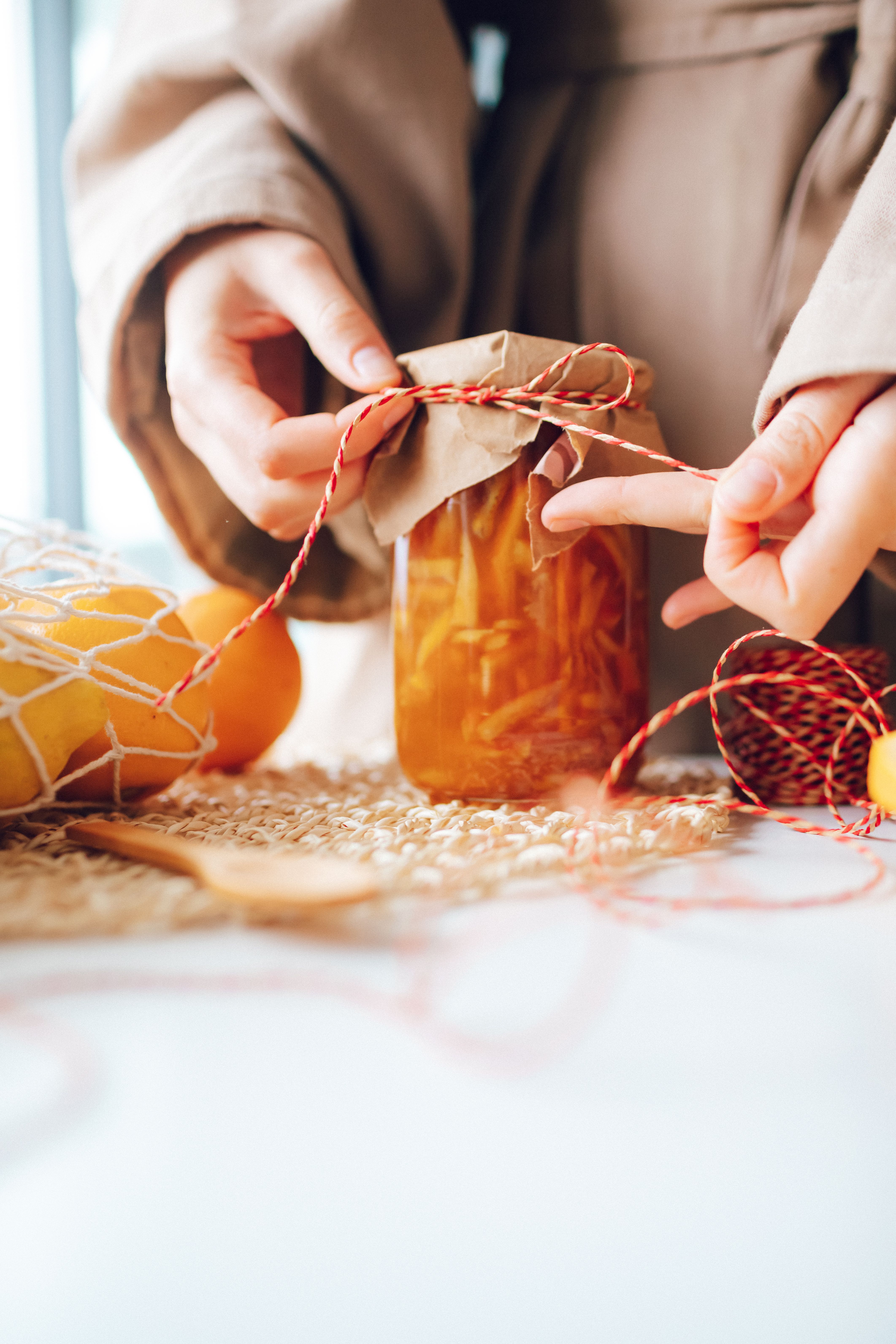
What is returning is home canning, the practice of preserving fruits, vegetables, jams, pickles, and even some sauces in sealed jars. For many Canadians, it recalls grandparents lining pantry shelves with Mason jars after berry season or peak tomato harvest. What once looked dated now feels practical again.
The comeback is being driven by a few clear forces. Grocery inflation has pushed households to stretch seasonal produce further, and preserving food at home can lower costs when prices spike in winter. At the same time, many shoppers want fewer additives, less packaging, and more control over what goes into their food.
There is also a strong lifestyle element behind the trend. Farmers' market culture, backyard gardening, and social media videos showing neat rows of preserves have helped recast canning as both useful and comforting. In urban and rural Canada alike, the pantry shelf has become part storage space, part statement of self-reliance.
The economics of preserving at home
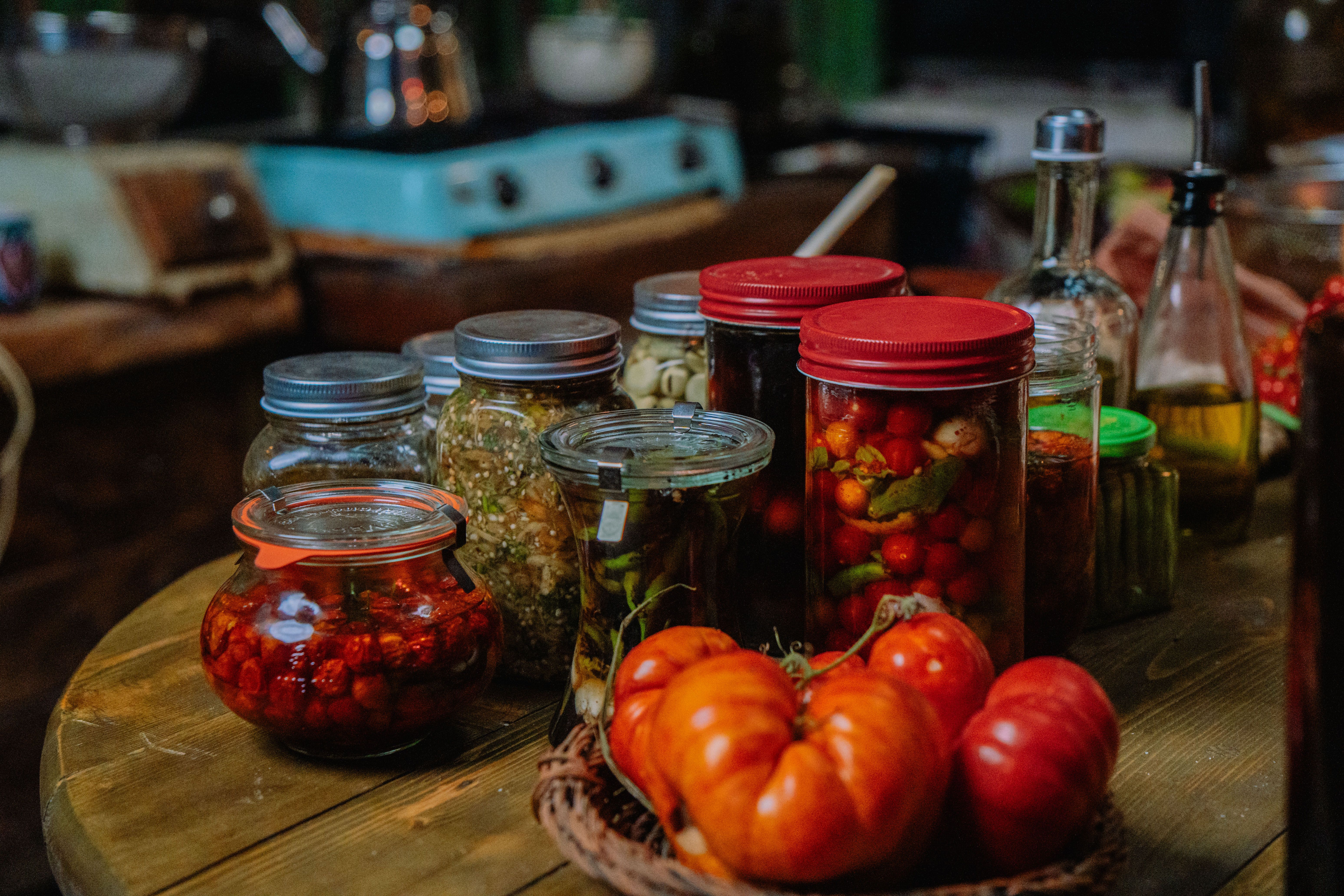
At first glance, canning looks like a money-saving no-brainer. Buying flats of peaches in season, turning overripe tomatoes into sauce, or preserving cucumbers from a home garden can reduce waste and spread lower seasonal prices across the year. For families managing a tight food budget, that matters.
Still, the math is not always simple. Jars, lids, pectin, vinegar, energy use, and canning equipment all add upfront cost, especially for beginners. If produce is purchased at full retail rather than in peak-season bulk, the final jar may cost as much as, or even more than, a store-brand alternative.
Where canning often pays off is quality and customization. Home preservers can cut back on certain ingredients, choose local produce, and save foods that might otherwise be thrown away. That economic value is harder to measure, but it is one reason many households stick with the habit after trying it once.
Why some nutritionists praise the practice
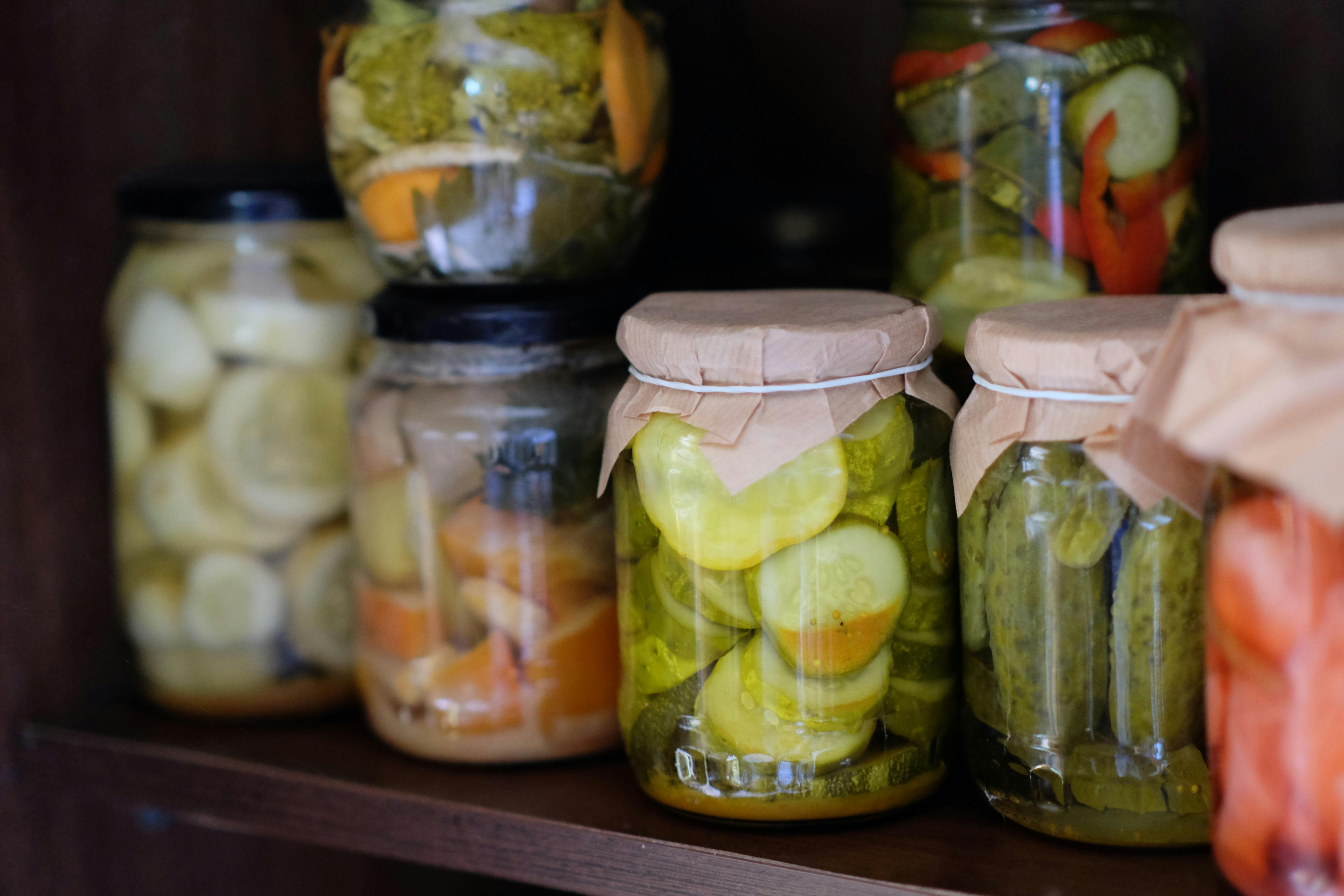
Supporters in the nutrition world see real advantages in the revival. Home canning can encourage people to eat more fruits and vegetables year-round, especially in places where winter produce is expensive or less appealing. A pantry stocked with peaches, applesauce, beans, and tomatoes can make home cooking easier and more frequent.
Another often-cited benefit is ingredient awareness. When people preserve their own food, they become more conscious of sugar, salt, and acidity levels. That hands-on process can build food literacy, and many dietitians say food literacy is closely tied to better long-term eating habits.
There is also the waste question. Preserving bumper crops, bruised fruit, or extra garden vegetables keeps edible food out of the bin. In a country where household food waste remains a major issue, many experts view safe home preservation as a practical, nutrition-adjacent tool that supports both affordability and sustainability.
Why other experts are more cautious
The divide begins with safety. Public health agencies in Canada and elsewhere have long warned that improper canning, especially low-acid foods processed incorrectly, can create conditions for botulism, a rare but potentially deadly illness. That risk is small when tested methods are followed, but the consequences of mistakes are serious.
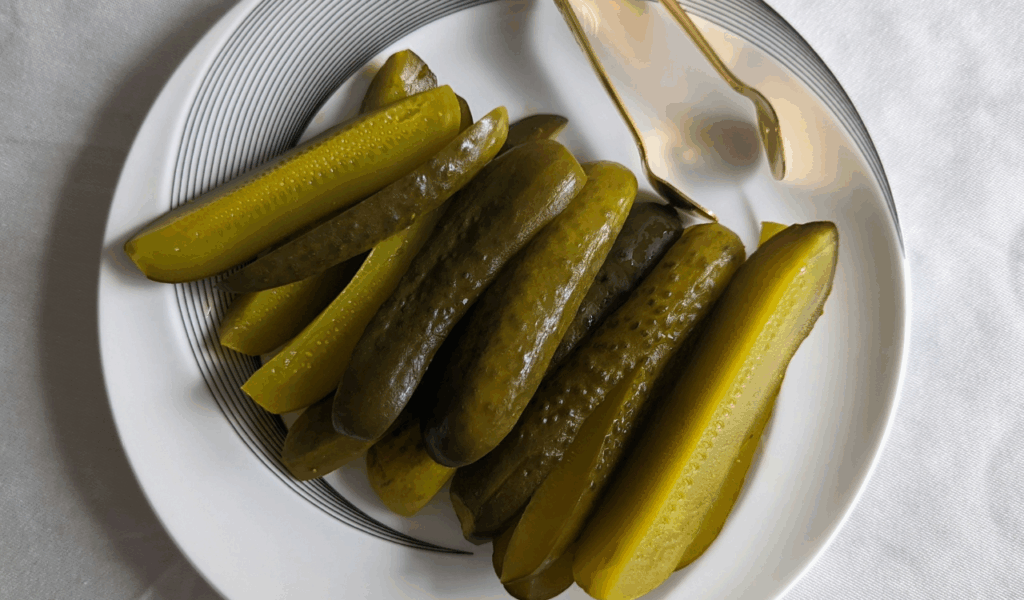
Nutritionists also point to recipe choices. Many preserved foods, particularly pickles, relishes, and jams, can be high in sodium or sugar, even when homemade. A pantry full of jars may look wholesome, but the nutritional value varies greatly depending on what is inside and how often it is eaten.
Then there is the freshness debate. Heat processing can reduce some heat-sensitive vitamins, including vitamin C, although minerals and fiber often remain intact. Critics do not argue that canned foods are worthless. Their concern is that nostalgia can make people overstate the health halo of preserved foods compared with fresh or frozen alternatives.
What the science actually suggests
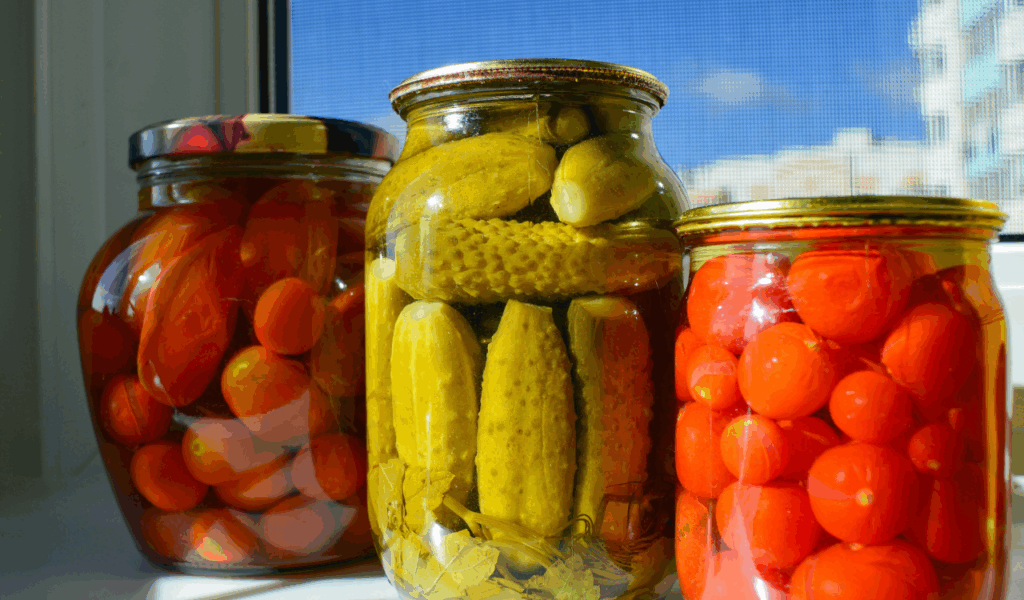
The evidence points to a middle ground. Properly canned foods can still be nutritious, and for some produce, the differences are smaller than people assume. Tomatoes are a good example, because processing can increase the availability of lycopene, even while some other nutrients decline.
Research on food access also matters here. When preserved produce helps households cook more at home and rely less on highly processed convenience foods, the net effect may be positive. In other words, a jar of homemade soup base or canned beans can support healthier eating patterns if it replaces costlier or more heavily processed options.
Safety science is equally clear. High-acid foods such as many jams and pickles are generally more forgiving, while low-acid foods require pressure canning, precise timing, and tested recipes. The nutritional debate may continue, but food safety experts are remarkably united on one point: technique is not optional.
How Canadians can approach the trend wisely
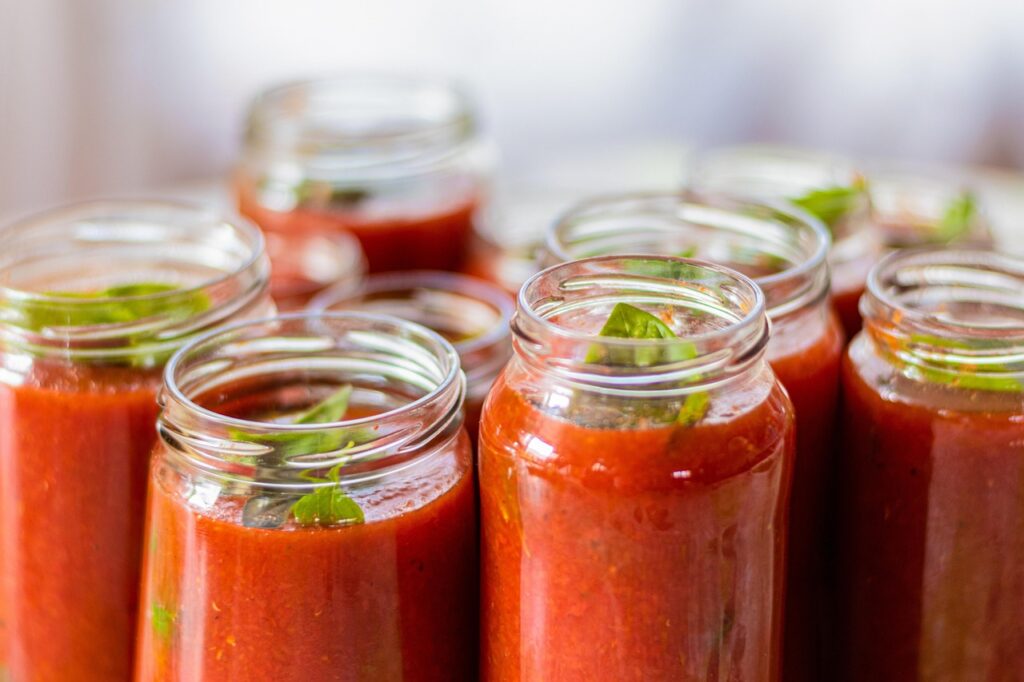
The smartest way to embrace canning is to treat it as a skill, not a rustic shortcut. Beginners do best with tested recipes from trusted public institutions, especially for salsa, vegetables, soups, and meats. Guesswork, family lore, and online improvisation are where most avoidable risks begin.
It also helps to think of preserved foods as part of a larger diet, not the whole solution. Unsweetened applesauce, canned tomatoes, and lower-salt beans may support balanced meals, while heavily sweetened jams and salty pickles are better seen as accents. The jar itself is not healthy or unhealthy. The contents decide that.
In that sense, nutritionists are divided for understandable reasons. Home canning can save money, reduce waste, strengthen food skills, and preserve local harvests, but only when done carefully and eaten thoughtfully. Its comeback says as much about modern anxieties over cost and control as it does about a longing for tradition.


Leave a Reply