

Weight-loss headlines move fast, but few have sparked as much curiosity as berberine. Often called "nature's Ozempic," this natural compound is getting serious attention for its metabolic effects.
Why berberine is getting so much attention
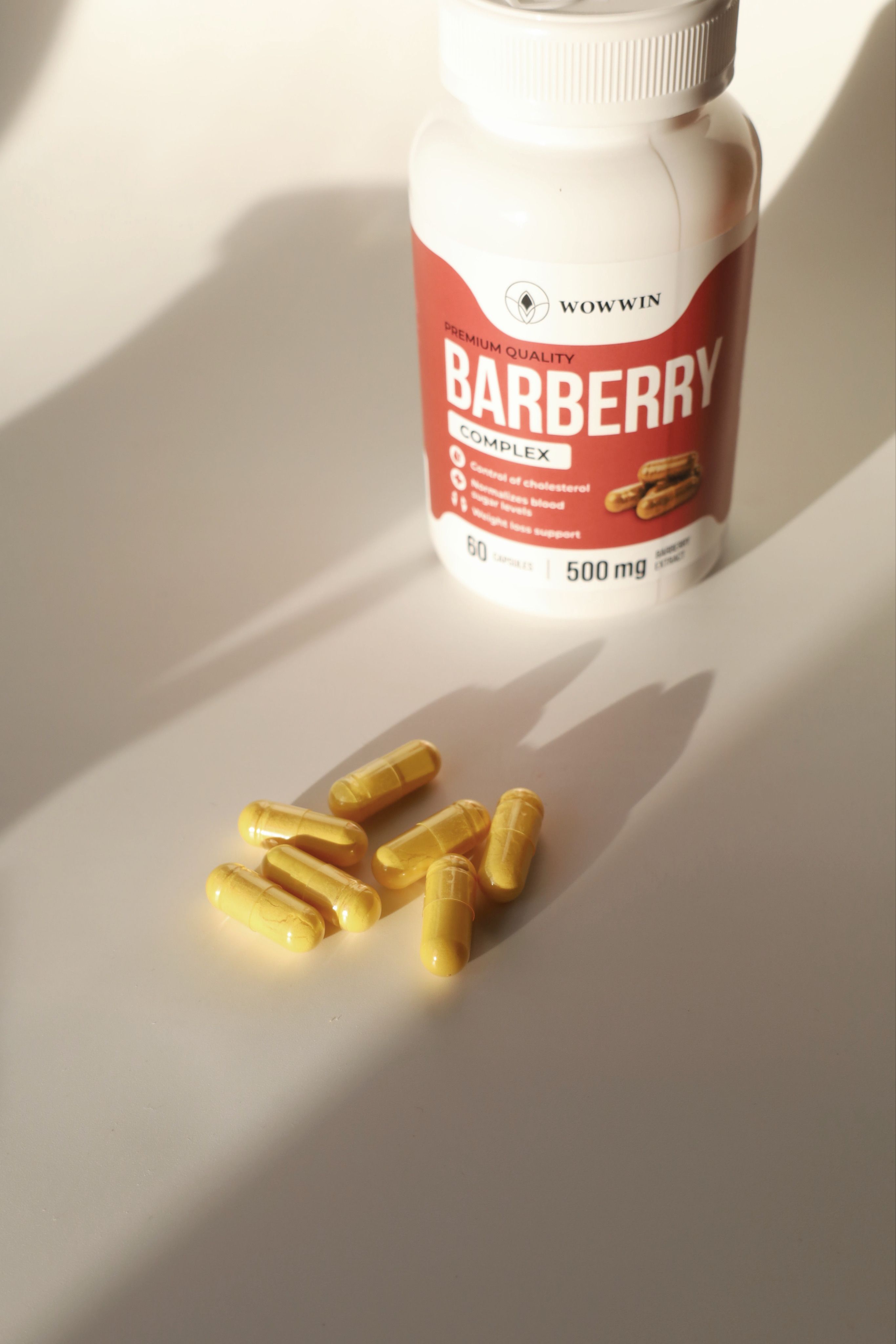
One reason berberine stands out is that it is not a new discovery. It is a bioactive compound found in plants such as barberry, goldenseal, and Oregon grape, and it has long been used in traditional Chinese and Ayurvedic medicine. What is new is the level of modern research examining its role in blood sugar control, cholesterol management, and body weight.
The Ozempic comparison comes from overlap in outcomes, not identity. Ozempic, known generically as semaglutide, is a prescription GLP-1 receptor agonist designed to improve blood sugar control and reduce appetite. Berberine does not work the same way, but researchers have observed that it may influence several metabolic pathways tied to glucose handling and fat storage.
That distinction matters because consumers are often drawn to simple labels. Calling berberine a natural alternative to Ozempic is catchy, but it can also be misleading if it implies equal potency or interchangeable use. Experts in endocrinology generally agree that berberine is better understood as a promising metabolic support compound rather than a direct substitute for a prescription drug.
How it appears to affect blood sugar and metabolism
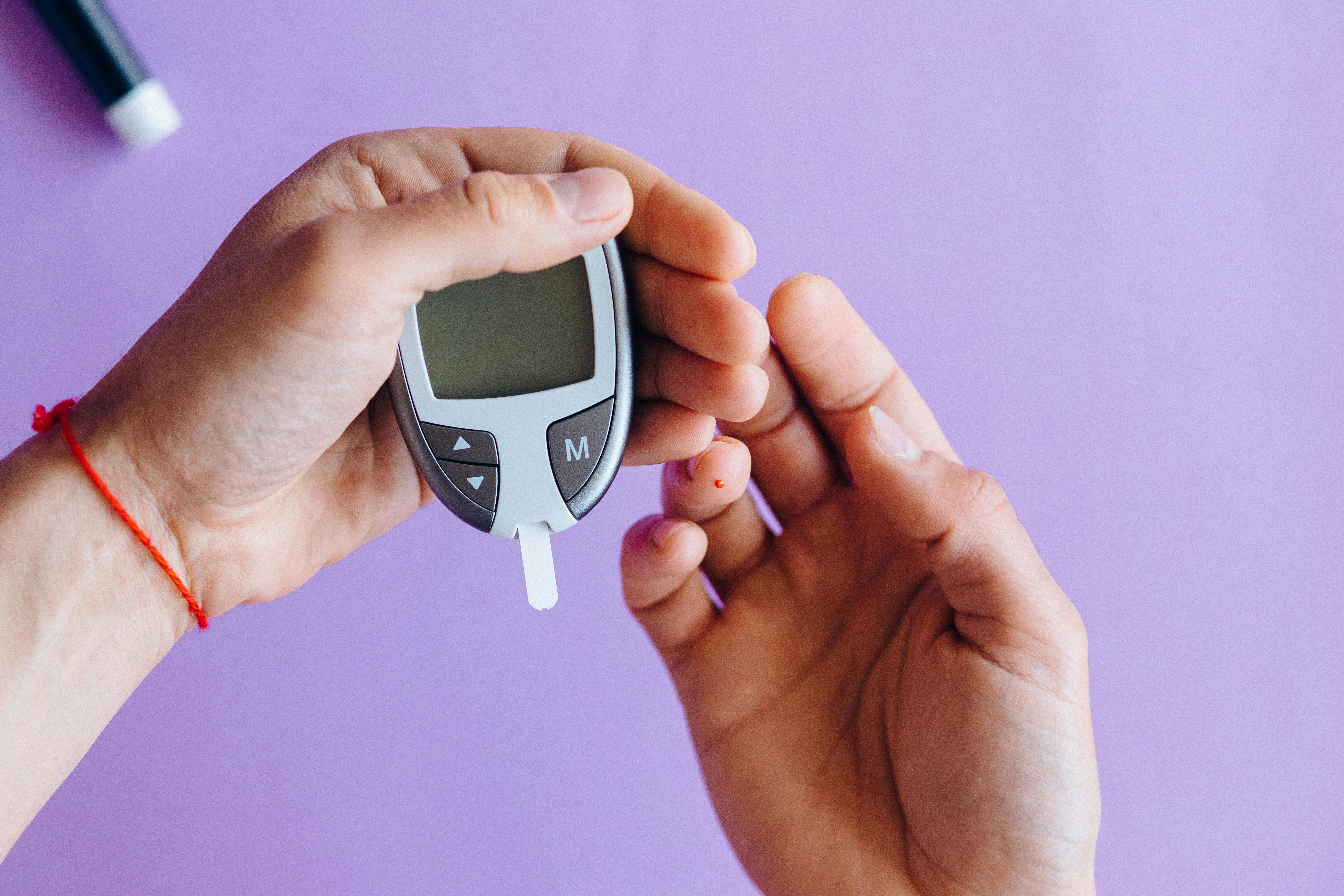
At the center of berberine's appeal is its effect on insulin sensitivity and glucose metabolism. A number of clinical studies and research reviews have found that berberine can help lower fasting blood glucose and improve hemoglobin A1c in people with type 2 diabetes or insulin resistance. Some studies have even compared its glucose-lowering effect to older oral diabetes medications, though study quality and size vary.
A key mechanism appears to involve AMPK, sometimes called the body's metabolic master switch. AMPK helps regulate how cells use energy, including glucose uptake and fat oxidation. By activating this pathway, berberine may help the body use insulin more effectively while also reducing excessive glucose production in the liver.
Researchers have also looked at how berberine affects the gut microbiome and intestinal glucose absorption. Early evidence suggests it may alter the composition of gut bacteria in ways that support metabolic health. That does not make it a miracle compound, but it helps explain why berberine's effects may extend beyond a single pathway.
Can berberine actually help with weight loss

Here is where expectations need to be realistic. Berberine may support modest weight loss in some people, especially those with insulin resistance, metabolic syndrome, or elevated blood sugar, but it is not producing the dramatic results seen with GLP-1 medications in large clinical trials. Most studies suggest relatively small reductions in body weight, waist circumference, or body mass index over time.
That said, modest does not mean meaningless. Even a small improvement in weight, blood sugar, and triglycerides can have real health benefits when combined with nutrition changes, exercise, and better sleep. In practice, berberine may be most useful for people trying to improve metabolic health early, before more advanced disease develops.
It is also worth noting that appetite effects appear less predictable than with semaglutide. Some users report reduced cravings or feeling fuller, but berberine is not primarily an appetite-suppressing drug. Its strength seems to lie more in metabolic regulation than in the powerful hunger control that made Ozempic famous.
What the research says and where it falls short
The evidence base for berberine is encouraging, but it is not as strong or as standardized as the evidence for approved prescription medications. Many berberine studies are relatively small, short-term, or conducted in specific populations, often in Asia. Differences in formulation, dosage, and product quality also make it harder to compare results across trials.
Still, several meta-analyses have reported meaningful improvements in blood glucose, total cholesterol, LDL cholesterol, and triglycerides. Some clinicians view this as especially relevant for people with overlapping concerns such as prediabetes, central obesity, and dyslipidemia. In those cases, berberine may offer a broader metabolic benefit than a supplement aimed at only one target.
The biggest limitation is that supplements are not regulated like drugs. Two bottles labeled berberine can differ in purity, dose accuracy, and absorption. That is why healthcare professionals often caution people not to self-treat serious conditions based on social media claims alone.
Safety, side effects, and who should be careful

Natural does not automatically mean risk-free. Berberine commonly causes digestive side effects, including constipation, diarrhea, stomach cramps, or nausea, especially when people start too high or take it on an empty stomach. These effects are often mild, but they can be enough to make some users stop.
Drug interactions are a bigger concern than many people realize. Berberine can affect how the body processes medications, including those for blood sugar, blood pressure, and blood clotting. For someone already taking diabetes medication, combining it with berberine without supervision could raise the risk of blood sugar dropping too low.
Pregnant and breastfeeding women are generally advised to avoid it, and it may not be appropriate for infants or for people with certain liver or kidney concerns. The safest approach is to treat berberine like a biologically active compound, not a casual wellness trend. That means talking with a qualified clinician before adding it to a routine.
The bottom line on "nature's Ozempic"

The most honest way to describe berberine is that it is a potentially helpful metabolic supplement with real scientific interest behind it. It may improve blood sugar control, support insulin sensitivity, and contribute to modest weight changes in some people. Those are meaningful benefits, especially for people focused on early metabolic intervention.
But berberine is not Ozempic in plant form. It does not match the same mechanism, the same level of clinical evidence, or the same average weight-loss effect seen with prescription GLP-1 drugs. Anyone expecting identical results is likely to be disappointed.
Even so, berberine deserves attention on its own merits. For the right person, under proper medical guidance, it may be a useful part of a broader plan that includes diet, movement, sleep, and treatment of underlying metabolic issues. In other words, the real story is not hype. It is careful, evidence-based potential.




Leave a Reply