
It is not flashy, and that is exactly why its rise is easy to miss. Cabbage, long treated as a cold-weather workhorse, is earning fresh attention as one of Canada's smartest summer ingredients.
Why cabbage is suddenly having a summer moment
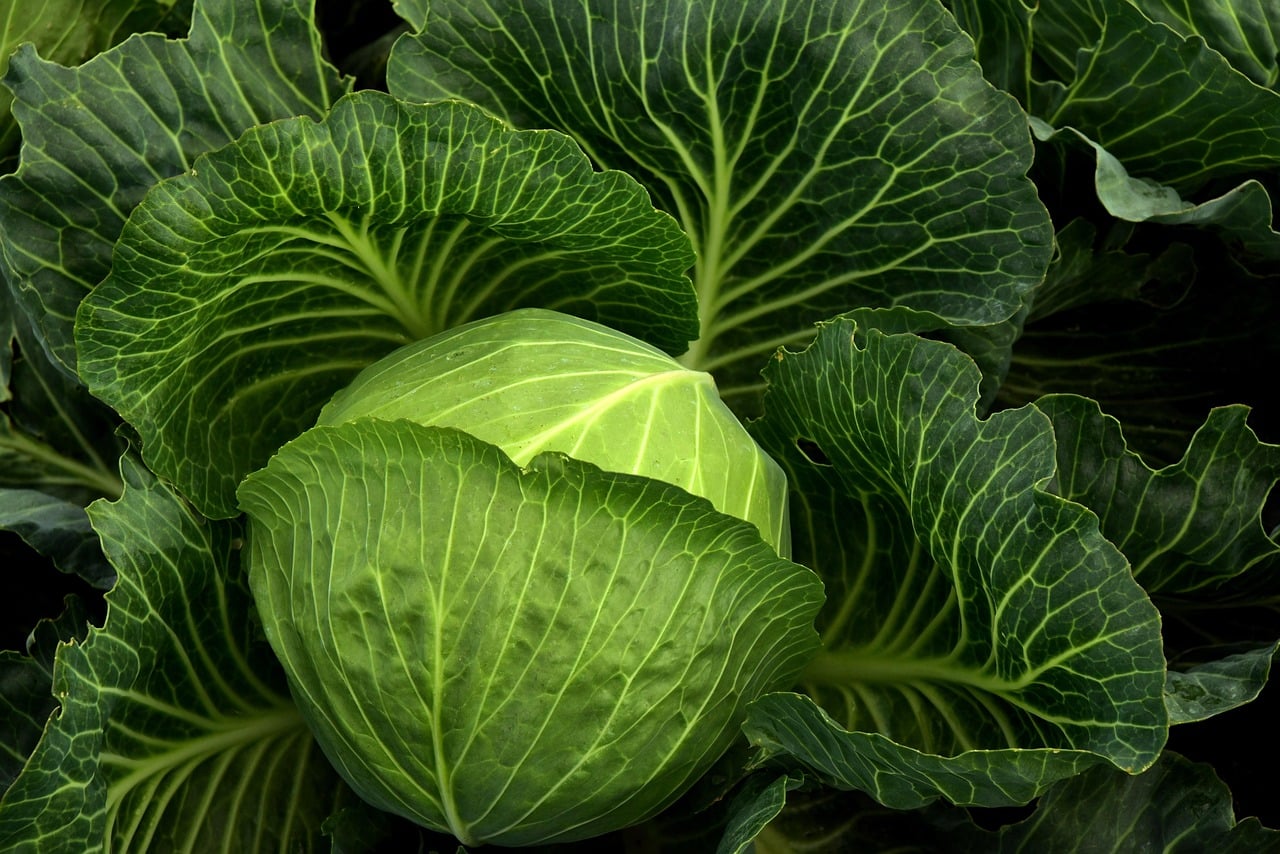
The first reason is practical. Canadians are facing stubborn grocery prices, and cabbage remains one of the most affordable vegetables in the produce aisle while offering impressive yield, long storage life, and very little waste.
The second reason is seasonal versatility. Summer cooking now leans toward grilled foods, bright salads, picnic dishes, and quick weeknight meals, and cabbage fits all of them. It can be charred into smoky wedges, shaved raw into crisp slaws, fermented for tang, or folded into tacos and burgers.
There is also a broader shift in taste. Diners increasingly want vegetables with texture, bitterness, sweetness, and crunch rather than just delicate greens. Cabbage delivers all four, which helps explain why chefs are treating it less like a side and more like the center of the plate.
Affordability is making it especially attractive
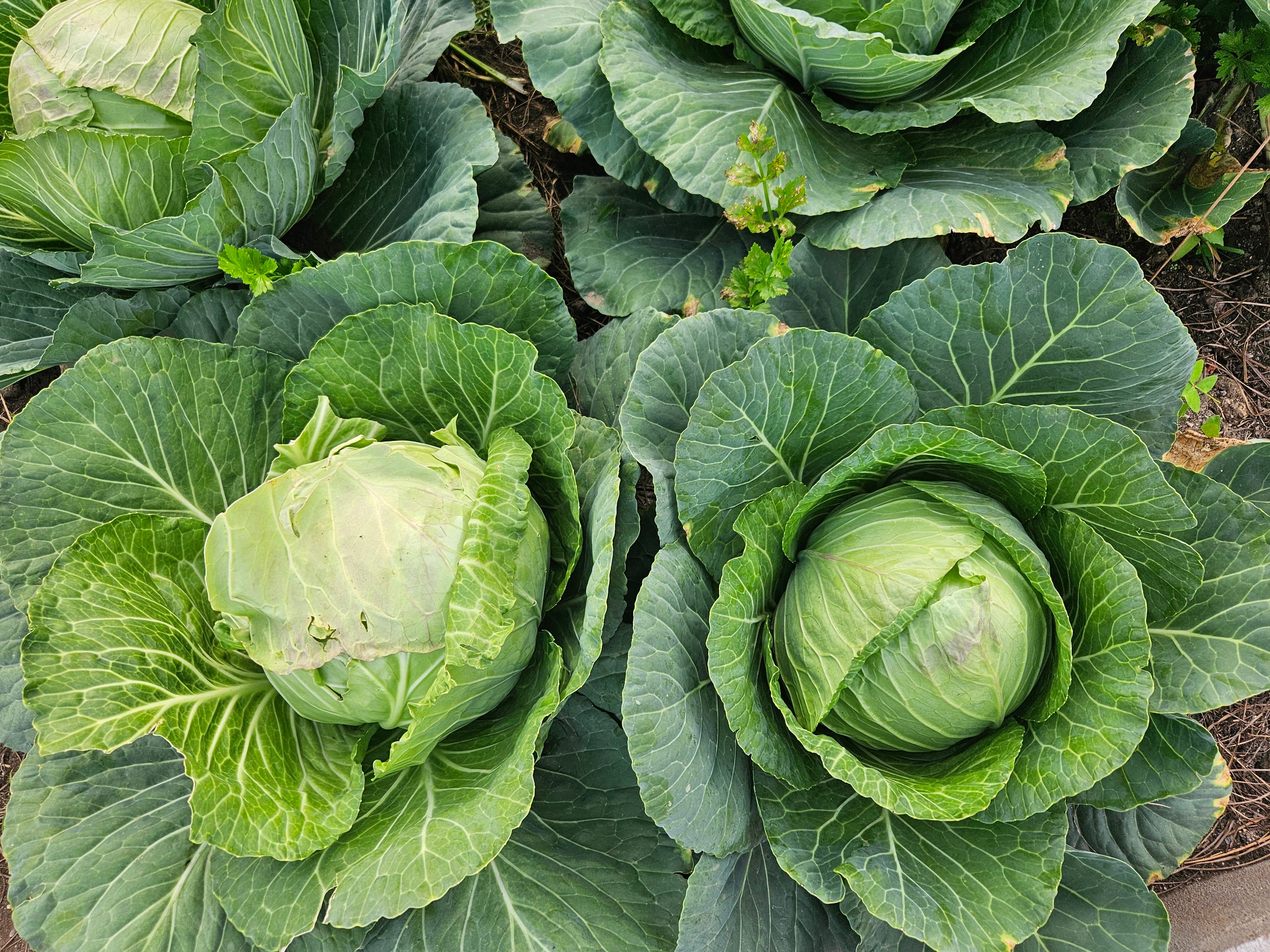
Few vegetables stretch a food budget as efficiently as cabbage. A single head can feed several people, and unlike tender lettuces or herbs, it does not wilt after a couple of days in the fridge. That matters for households trying to cut waste.
Its value extends beyond price. Because nearly every part can be used, from outer leaves in braises to finely sliced cores in stocks and sautés, cabbage rewards careful cooking. Home cooks get multiple meals from one purchase, which is increasingly important in a high-cost food environment.
Retailers and growers benefit too. Cabbage travels well, stores well, and maintains quality longer than many summer vegetables. In an era when supply chains and weather disruptions can quickly affect availability, that reliability makes it a strong seasonal performer.
Canadian farms are well suited to grow it
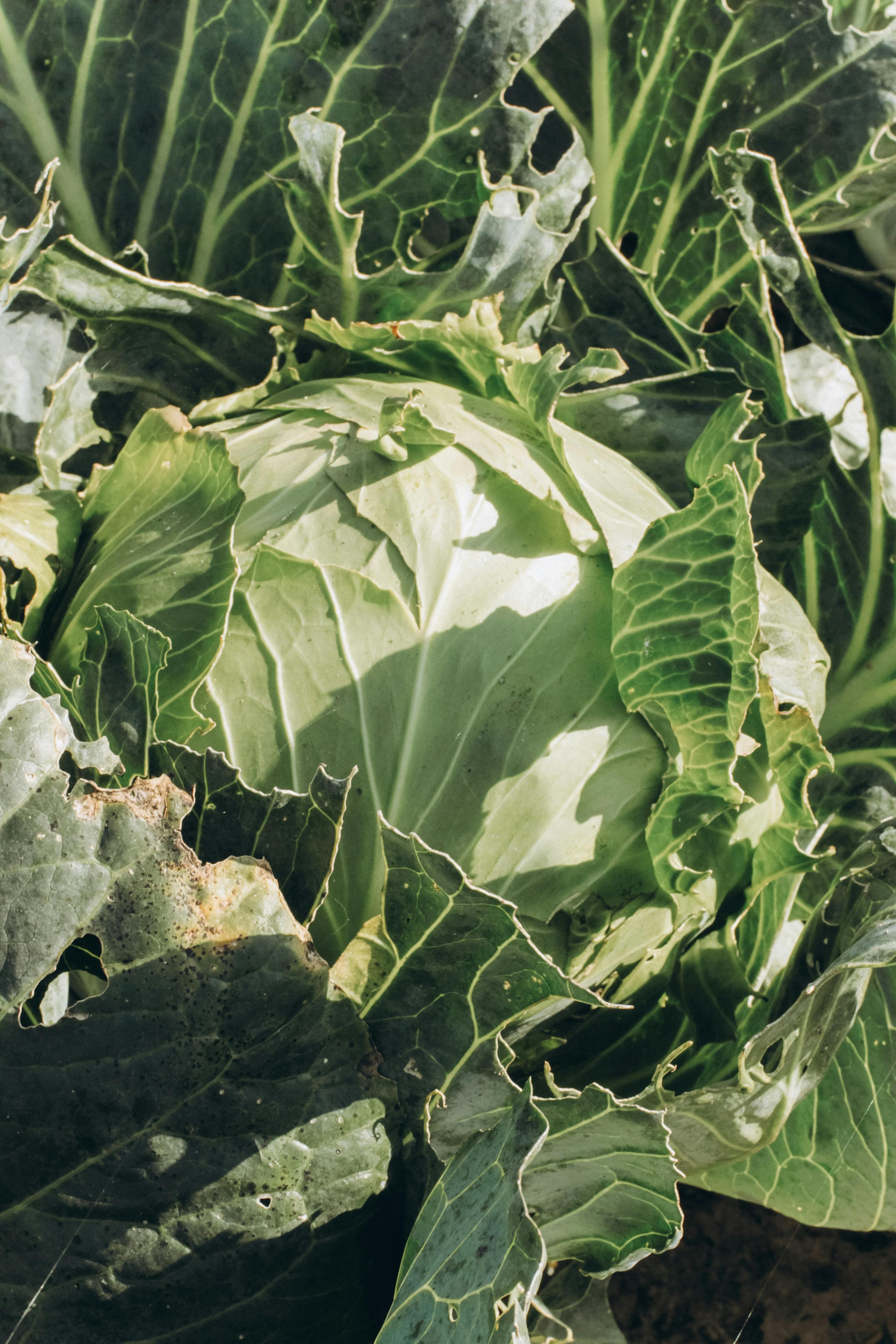
Cabbage is not new to Canadian agriculture, but its summer appeal is getting stronger as growers and shoppers rethink local produce. Provinces such as Ontario, Quebec, British Columbia, and Nova Scotia already produce strong brassica crops, giving the vegetable a solid domestic base.
It also handles cooler nights better than some heat-loving produce. That makes it especially useful in parts of Canada where summer temperatures can swing widely. As weather patterns become less predictable, crops that can tolerate variation are gaining renewed interest among producers.
Farm market culture is helping as well. Shoppers looking for local, sturdy, seasonal food are rediscovering early and mid-summer cabbages, including green, red, savoy, and napa varieties. Each brings a slightly different texture and flavor, which expands its appeal beyond the standard supermarket head.
Chefs are giving cabbage a completely new image
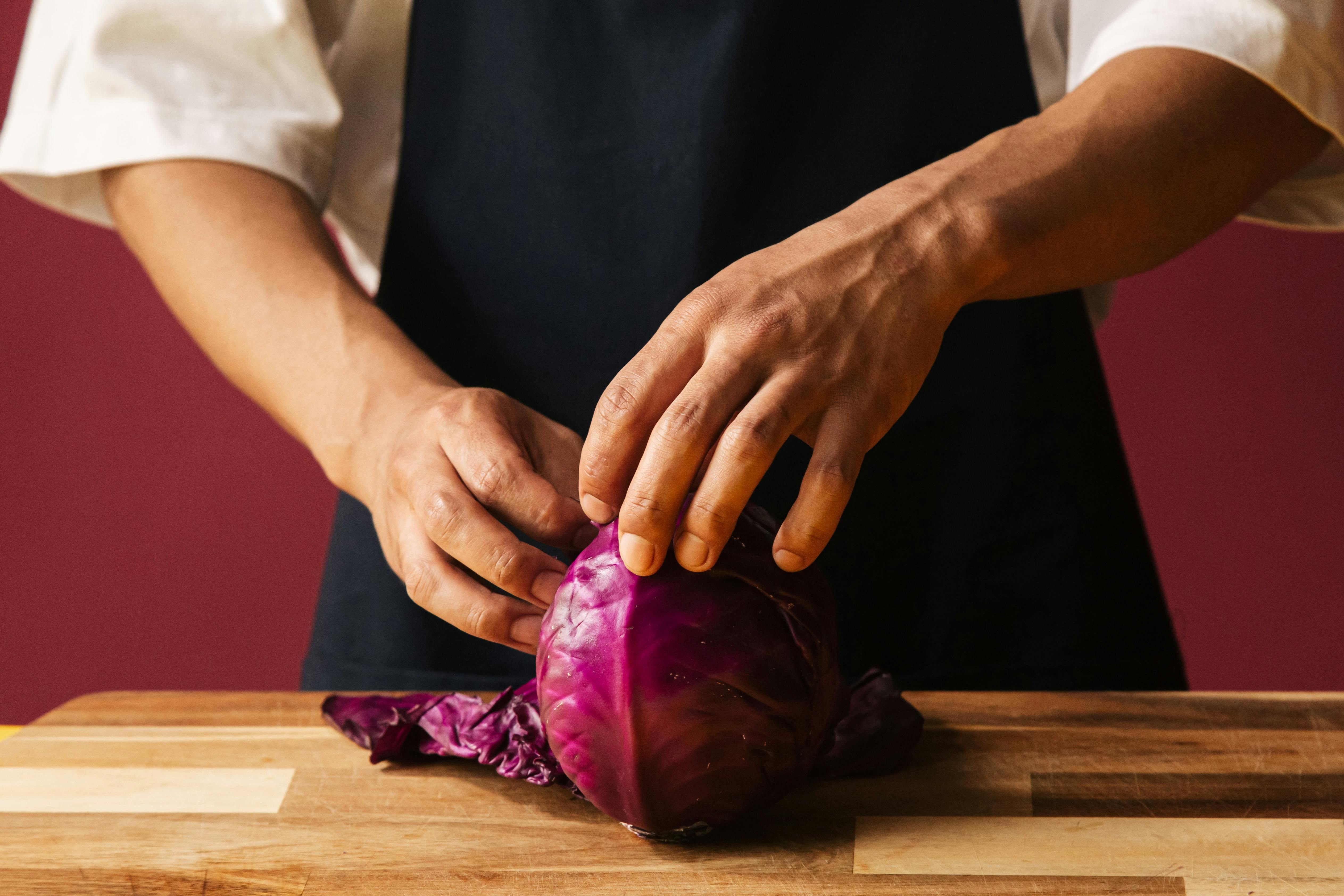
Restaurant kitchens have helped reshape cabbage's reputation. Instead of boiling it into softness, chefs are grilling thick slices, roasting halves until caramelized, and pairing it with rich sauces, herbs, citrus, chili oils, and crunchy toppings.
This approach works because cabbage responds dramatically to heat. Its edges char, its natural sugars deepen, and its center turns tender while still holding structure. That combination gives cooks a vegetable that feels hearty enough for mains but fresh enough for warm-weather dining.
Across casual and upscale menus, it is appearing in places where lettuce once dominated. Think fish tacos with cabbage slaw, schnitzel with apple-cabbage salad, barbecued cabbage with miso butter, or picnic bowls built around shredded cabbage, dill, and yogurt dressing.
Home cooks are finding it easier to use than ever
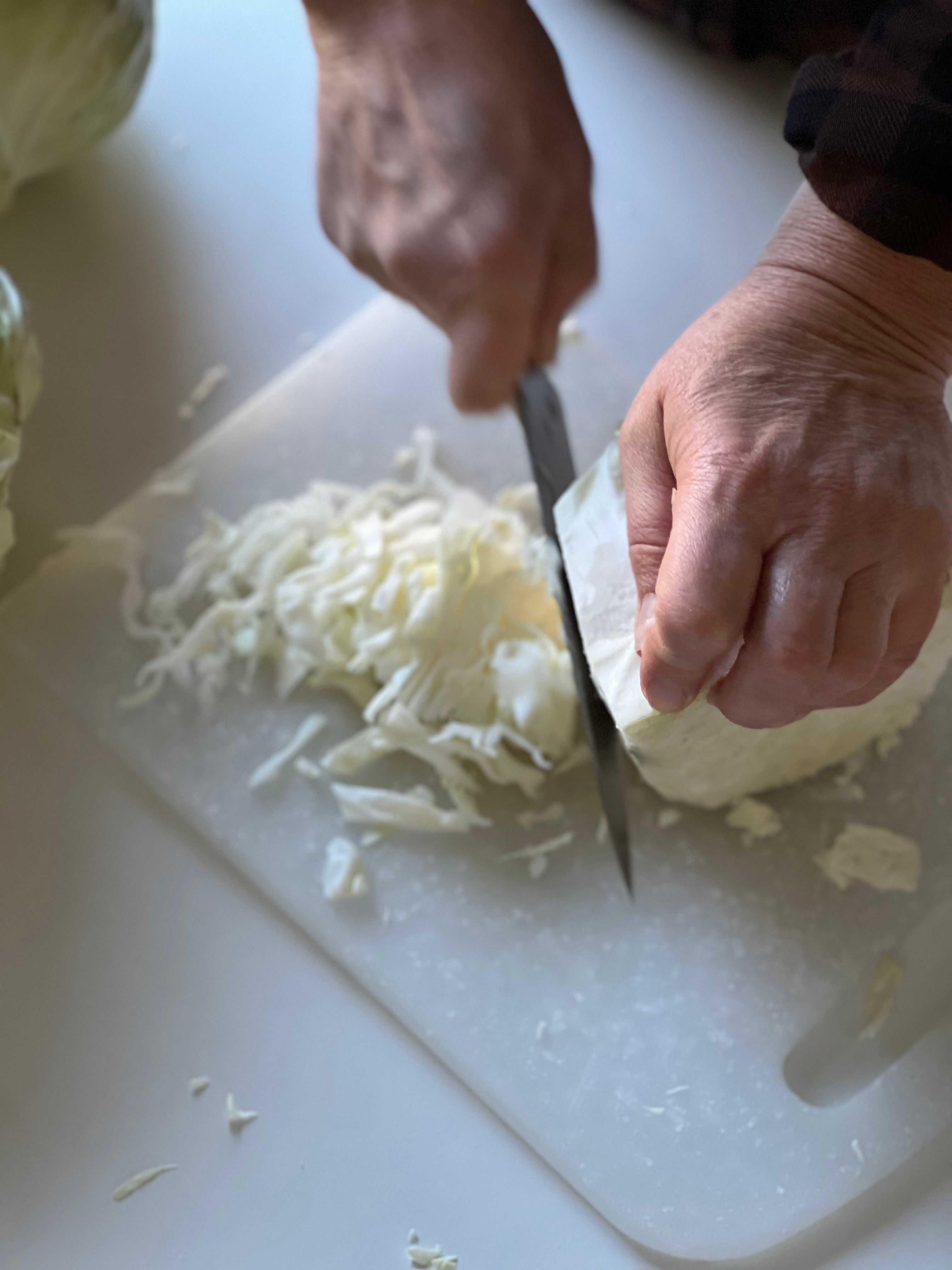
Cabbage's biggest advantage at home is flexibility. It asks for very little technique, yet rewards a wide range of cooking styles. Slice it thin for salad, sear wedges in a pan, toss it on the grill, or salt it briefly to soften it for a quick slaw.
It also pairs naturally with classic Canadian summer foods. It cuts through the richness of sausages, burgers, fried fish, and grilled chicken, while standing up well to creamy dressings, vinegar, mustard, maple, and fresh herbs. Few vegetables bridge barbecue and salad as smoothly.
For busy households, convenience matters just as much as flavor. Cabbage can be prepped ahead, keeps its crunch longer than lettuce, and often tastes better after dressing has had time to settle in. That makes it ideal for cookouts, lunches, and make-ahead dinners.
What its rise says about the future of summer eating
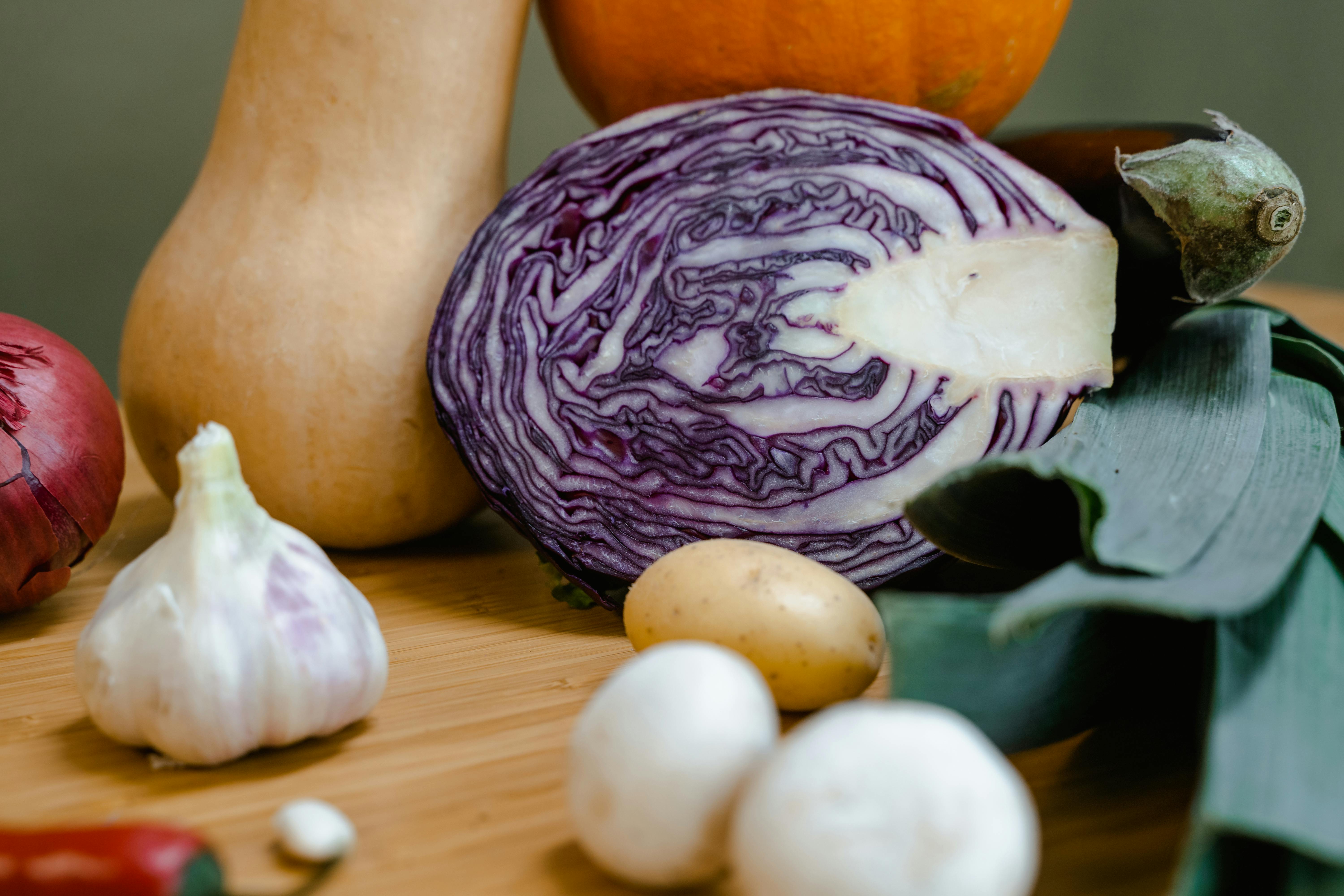
Cabbage's growing popularity reflects a broader change in how Canadians define seasonal food. The new ideal is not just freshness for its own sake, but ingredients that are affordable, local, sturdy, nutritious, and adaptable across many types of meals.
That trend favors vegetables once considered ordinary. In recent years, ingredients such as cauliflower, beets, and rutabaga have all been reintroduced through better technique and stronger storytelling. Cabbage is following the same path, but with an even stronger case because it is so accessible.
Its rise may be quiet, but it makes perfect sense. In a summer shaped by value, waste reduction, local sourcing, and bold vegetable cooking, cabbage checks nearly every box. Canada may not crown it overnight, but the season is clearly moving in its direction.




Leave a Reply