
Few things make a kitchen feel warmer than cinnamon and butter in the oven. The good news is that truly bakery-style muffins are not difficult once you understand the method.
What makes a muffin taste bakery-style
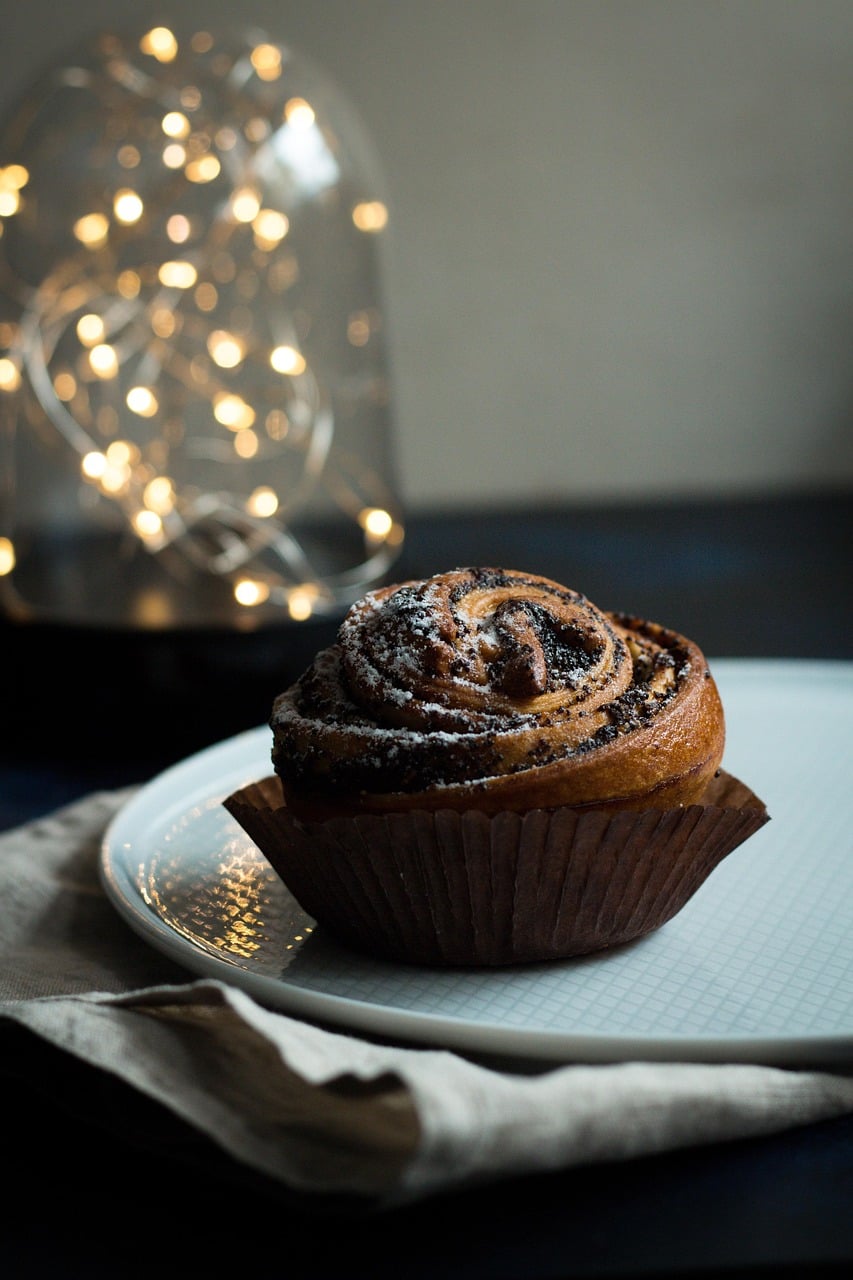
The secret is not a fancy ingredient. It is balance.
Bakery-style muffins are known for three things: a high domed top, a soft crumb, and a strong flavor that carries through every bite. Professional bakers build that texture by limiting overmixing, using enough fat for tenderness, and starting with a batter thick enough to rise upward instead of spreading out. That is why homemade muffins often taste good but look flatter and feel denser.
Size matters more than many home bakers realize. Bakeries usually fill muffin cups generously, often close to the top, which encourages dramatic crowns. A slightly higher initial oven temperature also helps create fast lift in the first minutes of baking. When that rise is paired with a cinnamon sugar swirl, the result feels richer and more polished, even though the ingredient list stays simple and familiar.
The easiest formula for a reliable batter
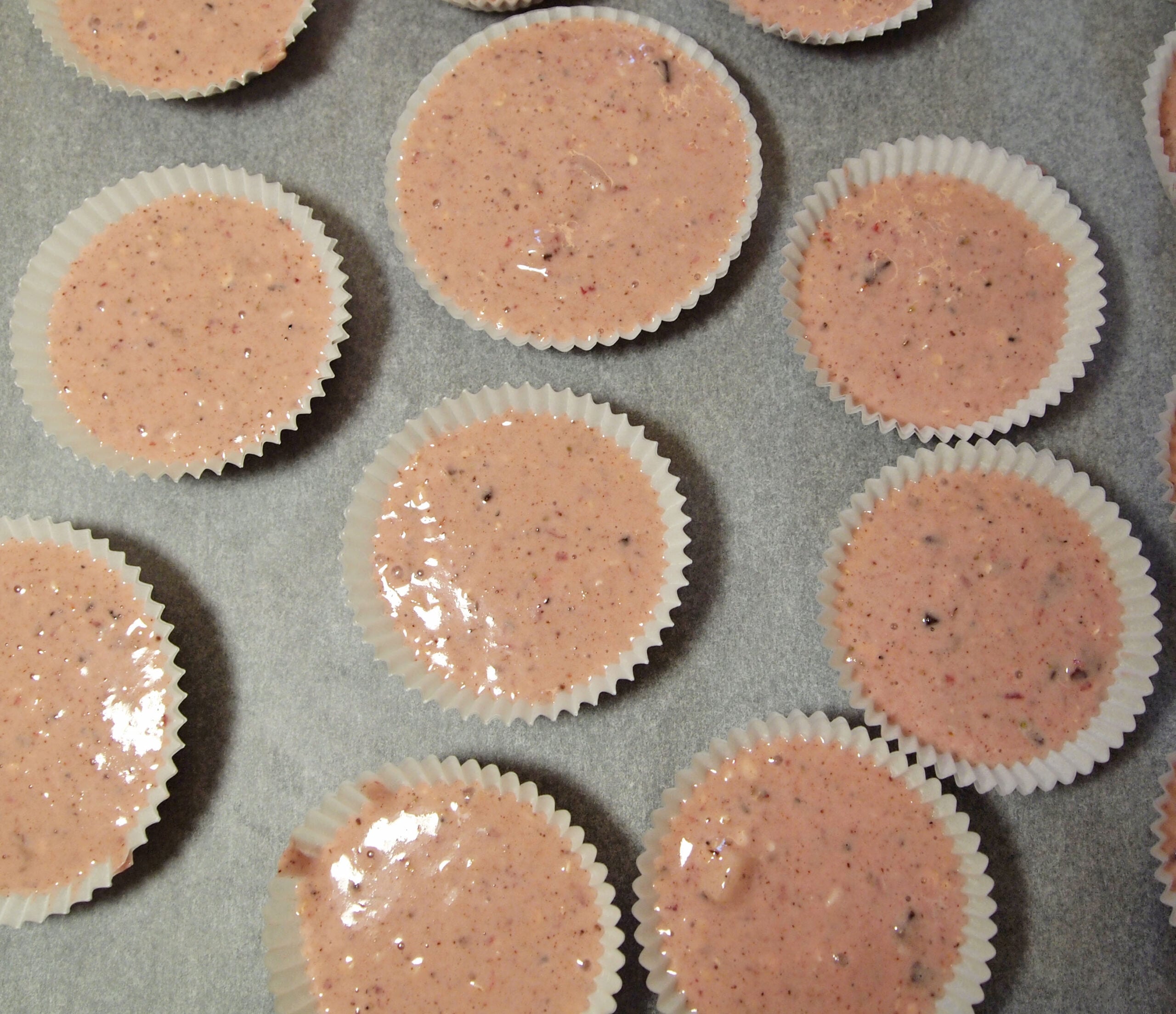
A dependable batter begins with everyday ingredients used in the right proportion. That is what keeps the recipe easy.
For bakery-style cinnamon swirl muffins, a thick batter made with all-purpose flour, baking powder, eggs, milk or buttermilk, melted butter or neutral oil, sugar, and vanilla gives the best structure. Buttermilk is especially useful because its acidity supports tenderness while adding subtle depth. Many test kitchens favor a mix of butter for flavor and oil for moisture, since oil stays soft even after the muffins cool.
The mixing method is just as important as the ingredient list. Whisk dry ingredients in one bowl and wet ingredients in another, then combine them only until no large streaks of flour remain. A few lumps are not a problem. In fact, they are a sign you have not overworked the batter, which protects the crumb from turning tight and rubbery.
How to create a true cinnamon swirl
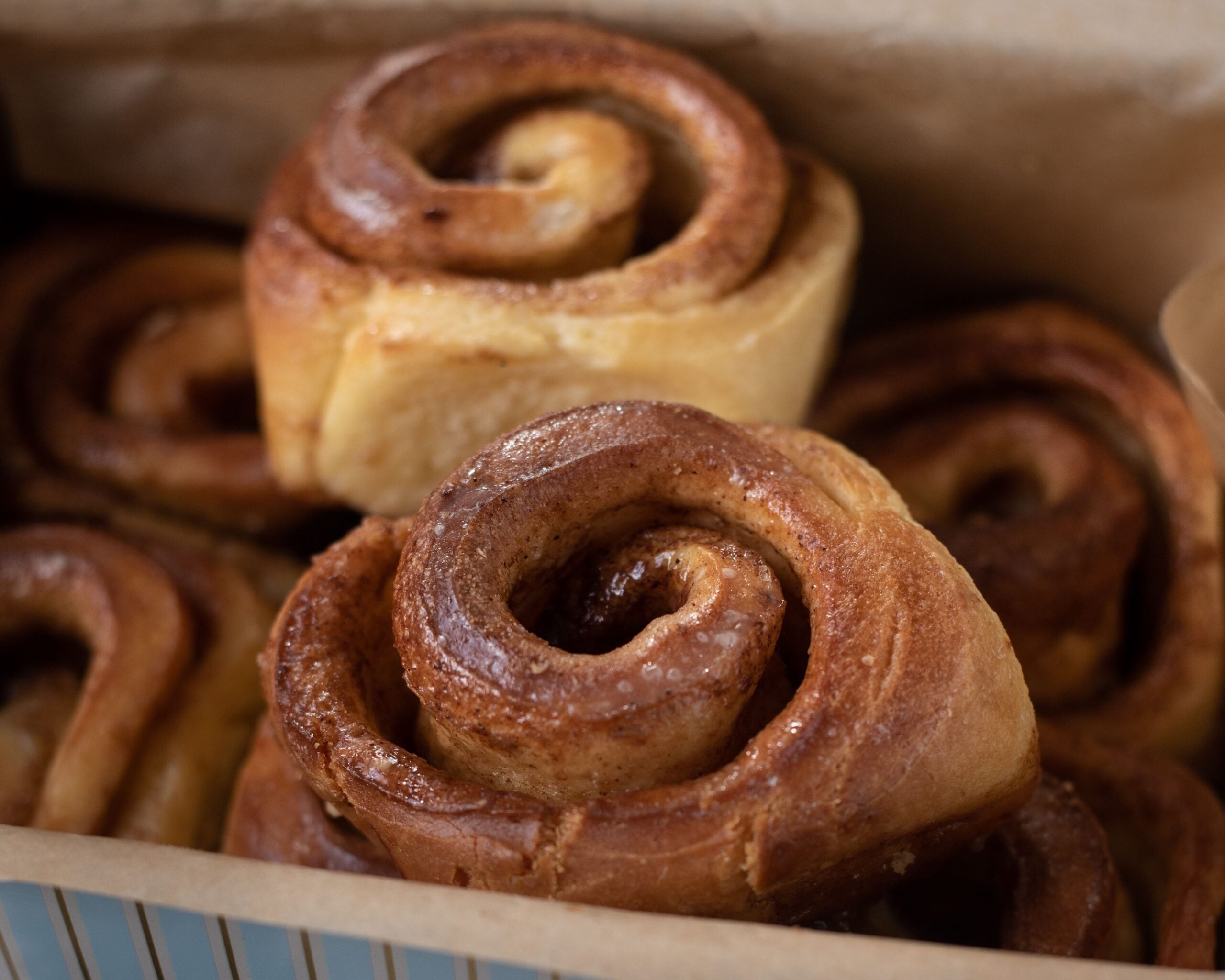
A real swirl should run through the muffin, not sit like a sugary patch in the center. That takes layering.
The easiest filling combines brown sugar, cinnamon, and a small amount of melted butter. Some bakers add a spoonful of flour to keep the swirl from melting too aggressively into the batter. That small adjustment helps form visible ribbons instead of disappearing pockets. It also gives the inside of the muffin a gentle, bakery-like contrast between soft cake and slightly caramelized spice.
To build the swirl, spoon a little batter into each muffin cup, add a layer of cinnamon mixture, then cover with more batter and finish with another light sprinkle. Use a skewer or butter knife to make one or two gentle turns. Too much swirling muddies the pattern. A restrained hand creates those defined cinnamon trails that make each muffin look and taste intentional.
The baking method that changes everything
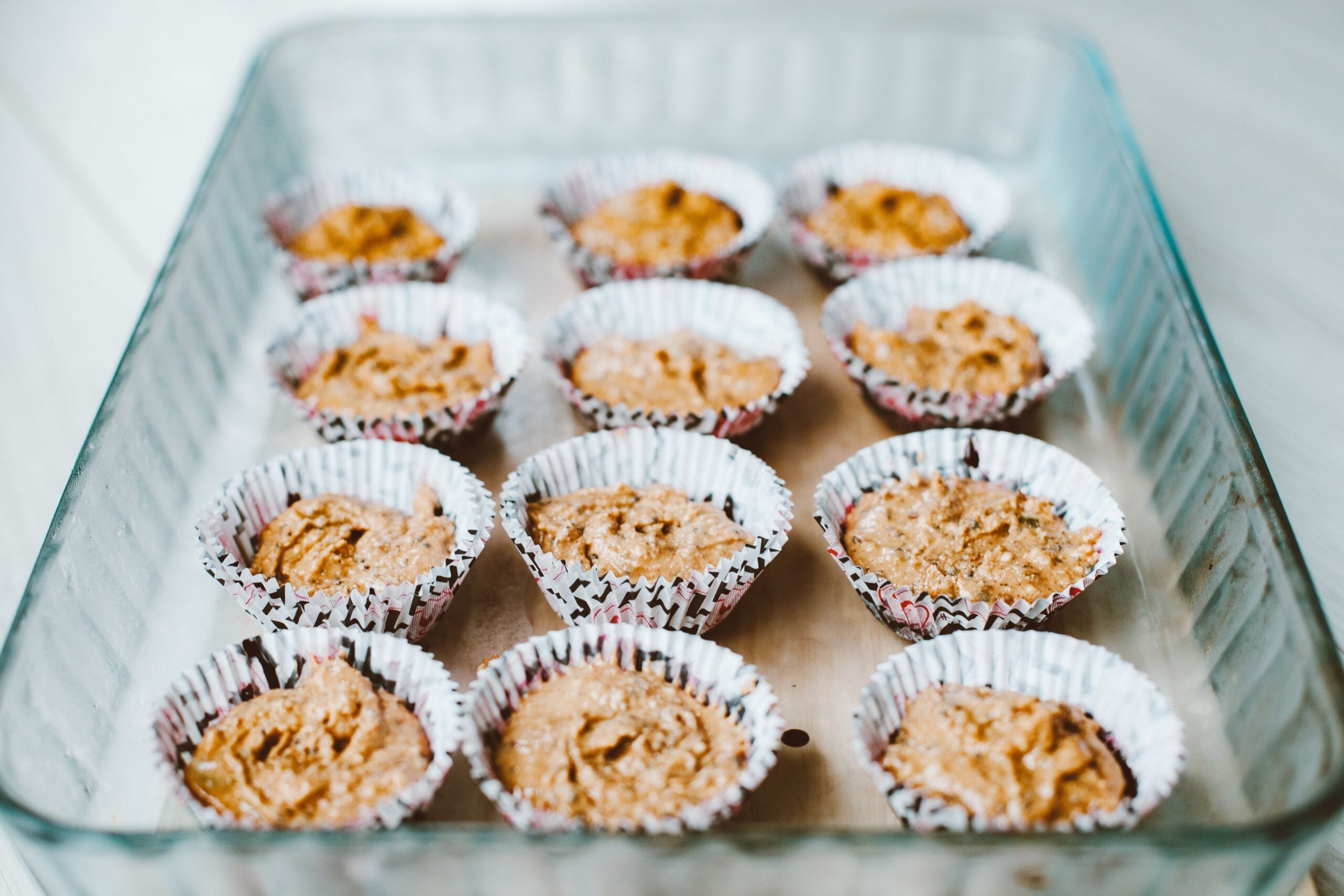
Oven strategy is often the difference between ordinary muffins and the kind that look ready for a pastry case. Heat matters early.
An effective method is to start baking at a higher temperature, such as 425°F, for the first 5 minutes, then reduce the oven to 350°F without opening the door. This technique encourages a rapid burst of steam and lift, helping the muffins rise into taller domes. It is a well-known bakery trick because it improves appearance without requiring special pans or commercial equipment.
Pan preparation also plays a role. Use paper liners or grease the cups thoroughly, and fill each one about ¾ to nearly full, depending on the batter thickness. For a crisp top, finish with coarse sugar before baking. That final touch gives the muffins a lightly crackled surface and a subtle crunch, which makes them feel more professional and more satisfying to eat.
Common mistakes that ruin the texture
Most muffin problems can be traced back to a few avoidable errors. The good news is that they are easy to fix.
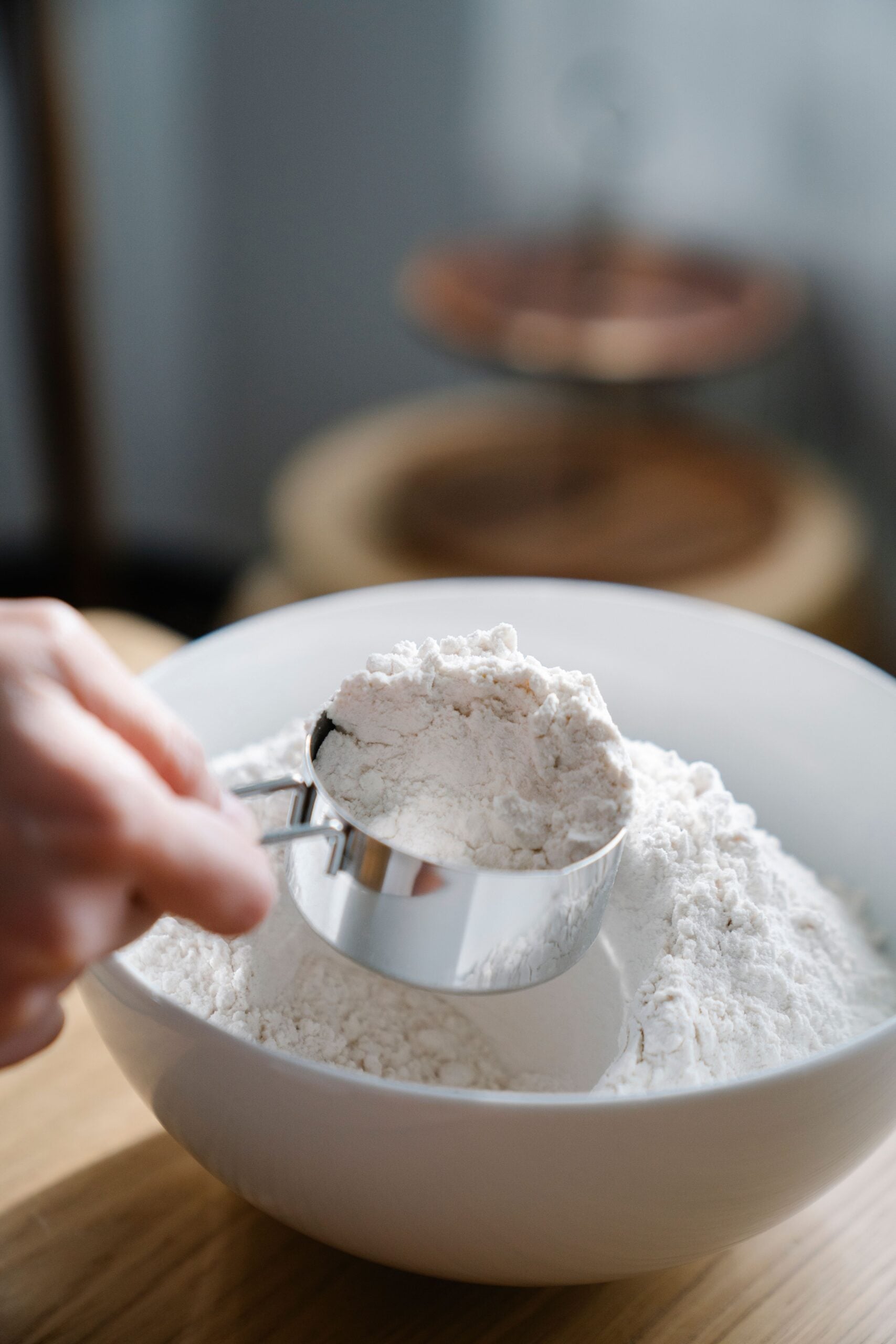
Overmixing is the most common issue. Once flour is hydrated, gluten begins to develop, and too much stirring creates a tougher crumb. Another frequent mistake is using too much cinnamon filling in one spot, which can weigh down the center and leave the muffin gummy. Measuring flour inaccurately can also throw off the texture, especially if it is scooped directly from the bag and packed too tightly.
Timing matters after baking too. Let the muffins rest in the pan for about 5 minutes, then move them to a rack so steam can escape. If they sit in the pan too long, the bottoms may soften from trapped moisture. If they are removed too quickly, they can break apart before the structure finishes setting.
The simplest way to serve and store them
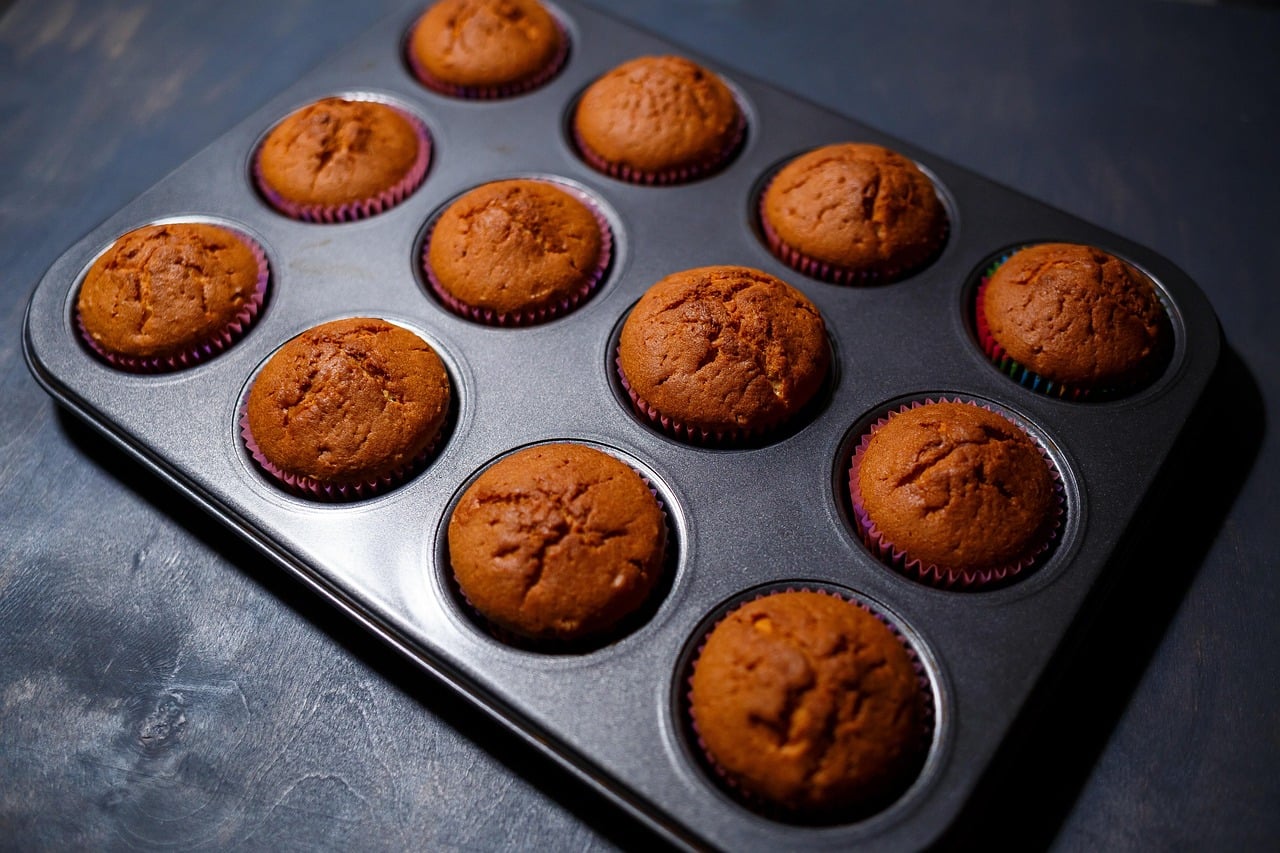
Freshly baked muffins are at their best when the tops are still slightly crisp and the centers are warm. That first hour is ideal.
Serve them plain, with coffee, or with a little salted butter if you want a richer finish. For brunch, they pair especially well with fruit, yogurt, and eggs, making them more versatile than a frosted pastry. Because the cinnamon swirl already delivers strong flavor, they do not need glaze to feel complete, though a light vanilla drizzle can add a dessert-like touch.
To store them, keep the muffins in an airtight container at room temperature for up to 2 days, lined with a paper towel to absorb excess moisture. For longer storage, freeze them individually and reheat gently. A short warm-up in the oven restores the aroma and texture surprisingly well, bringing back much of that just-baked bakery appeal.


Leave a Reply