
Italy's best meals often begin where stereotypes end. If pasta is the familiar gateway, these 16 dishes show the fuller, more fascinating map of Italian cooking.
Risotto alla Milanese
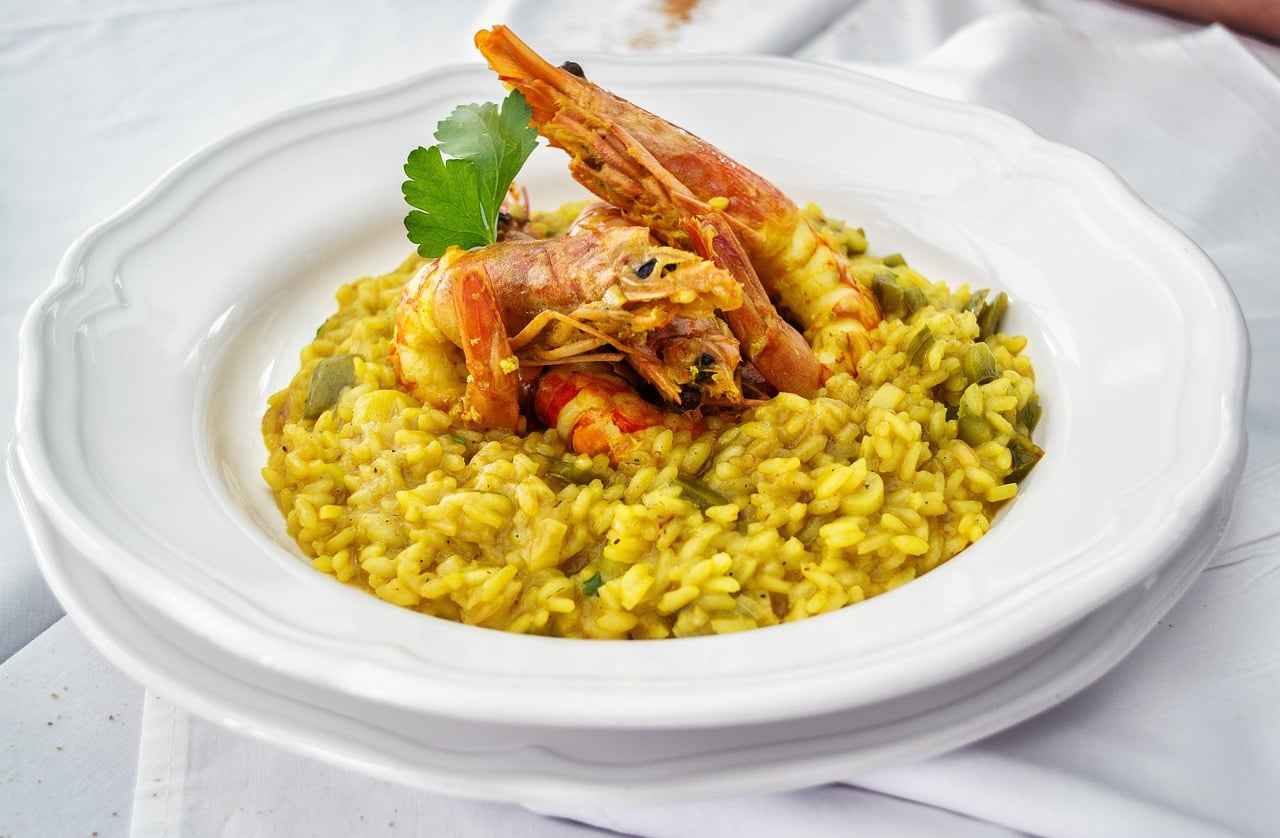
Luxury in northern Italy does not always look flashy. Sometimes it arrives as a golden bowl of rice, shimmering with butter and scented with saffron.
Risotto alla Milanese is one of Lombardy's defining dishes, rooted in Milan's prosperous culinary history. It is made with short-grain rice, usually Carnaroli or Arborio, cooked gradually with stock until the grains release starch and create a creamy texture. The signature color and perfume come from saffron, a costly spice that has long symbolized refinement.
The dish depends on technique more than complexity. Good risotto should move in a soft wave on the plate, not sit stiffly or collapse into soup. Butter and Parmigiano-Reggiano are stirred in at the end in the crucial step called mantecatura, which gives the rice its glossy finish.
Traditionally, risotto alla Milanese often appears beside ossobuco, the braised veal shank that shares its northern heritage. Even on its own, though, it captures an essential Italian principle: a few ingredients, handled precisely, can produce remarkable depth.
Ossobuco
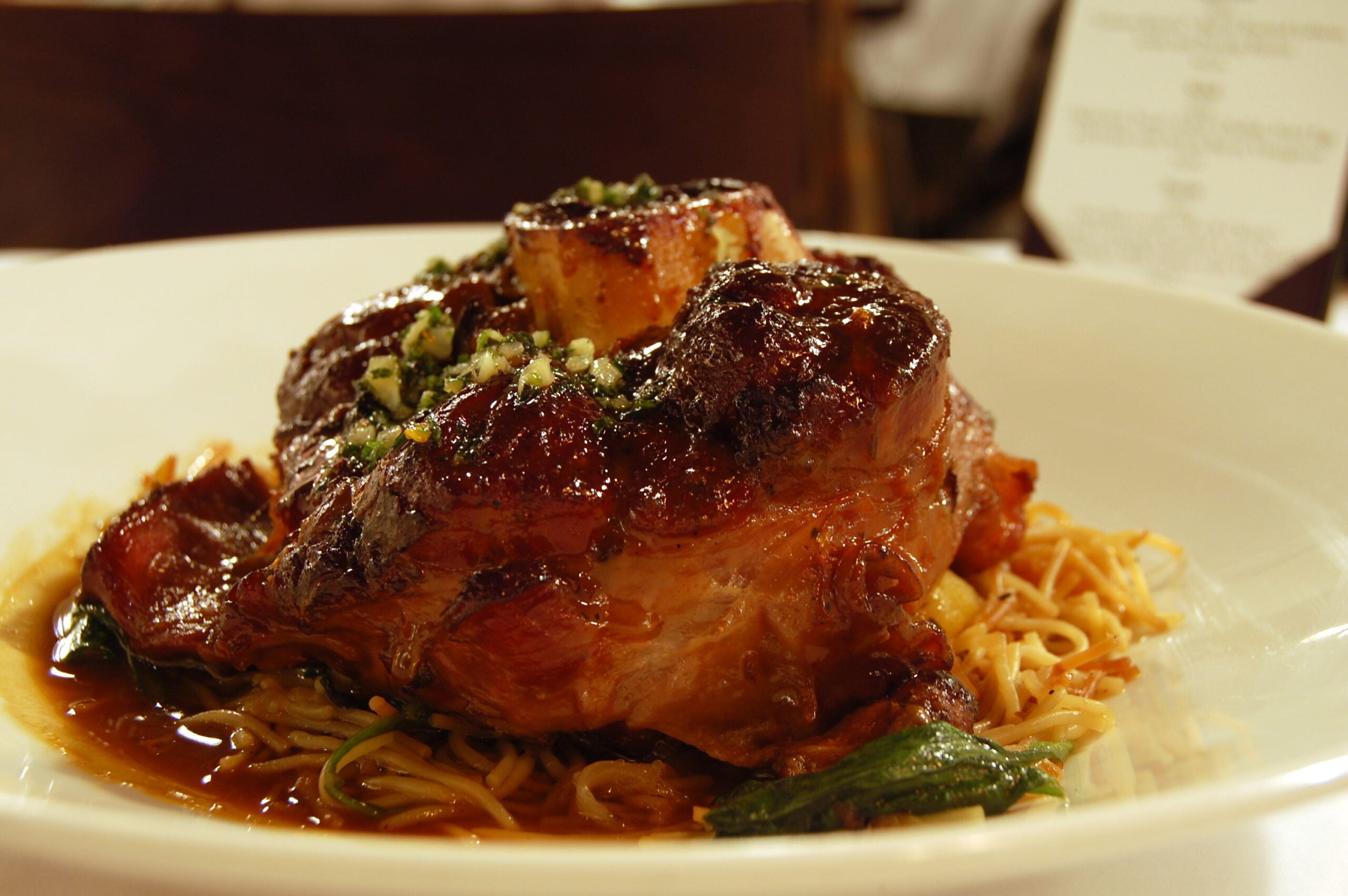
Some dishes are built for patience, and ossobuco rewards it generously. This Milanese classic turns a tough cut of veal shank into one of Italy's most memorable comfort foods.
The name refers to the bone with a hole in the center, which holds the prized marrow. The shanks are browned, then slowly braised with white wine, broth, onions, carrots, and celery until the meat becomes tender enough to separate with a spoon. The marrow melts into the sauce, adding richness that no shortcut can imitate.
A finishing touch of gremolata, usually lemon zest, garlic, and parsley, keeps the dish from feeling heavy. That bright topping is not decorative. It balances the sweet, savory depth created by long cooking.
In restaurants across Lombardy, ossobuco remains a benchmark of classical skill. It also shows how Italian regional cooking respects the whole animal, turning humble cuts into dishes with extraordinary elegance and flavor.
Parmigiana di Melanzane
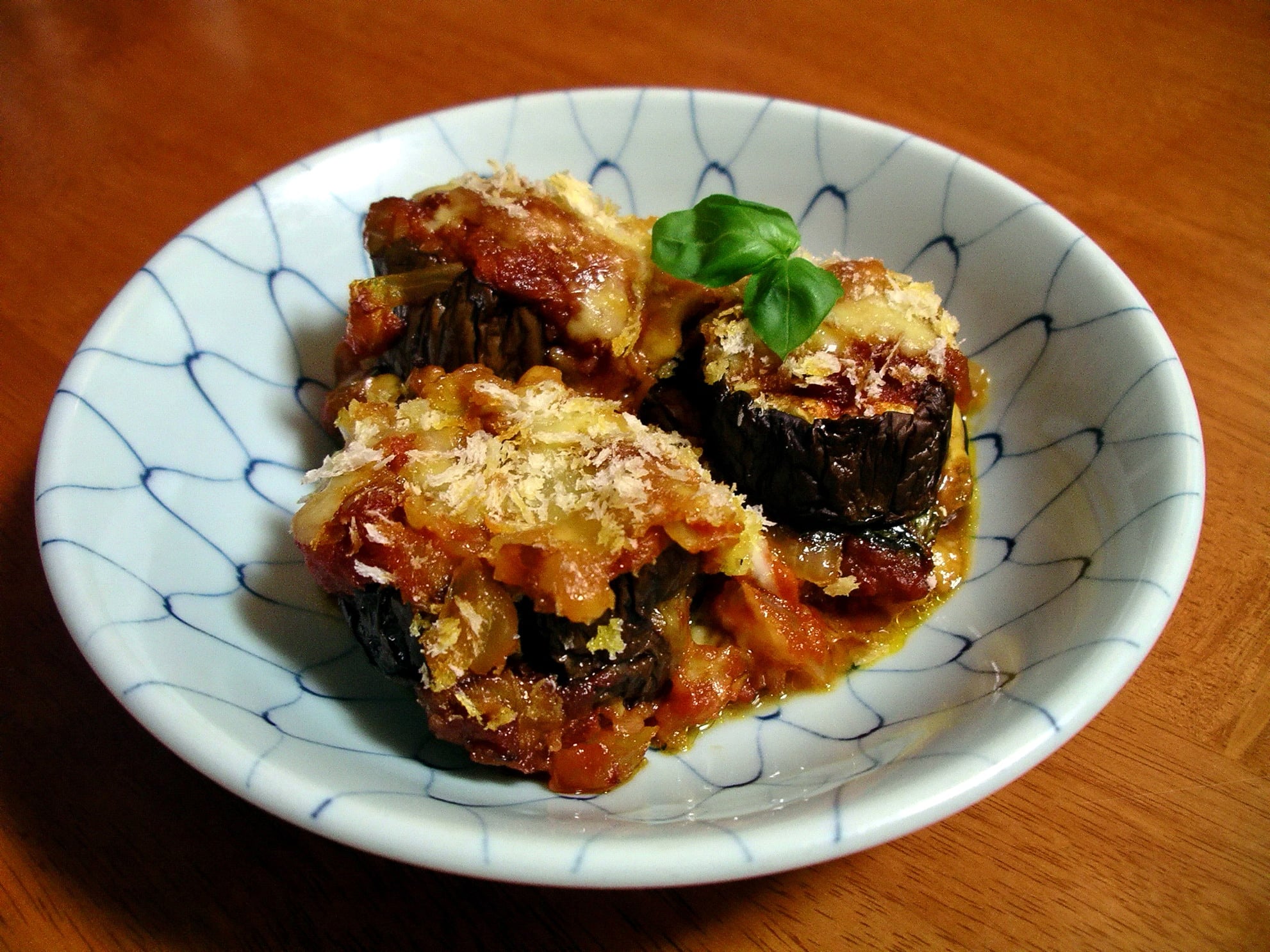
Eggplant parmigiana proves that Italian food can be deeply satisfying without relying on meat. In southern Italy, this baked dish delivers richness, acidity, and tenderness in distinct, beautifully layered bites.
Its core ingredients are simple: sliced eggplant, tomato sauce, basil, mozzarella, Parmigiano-Reggiano, and often a little extra cheese for depth. Depending on the region or household, the eggplant may be fried first for a silkier texture or baked for a lighter result. Campania and Sicily both claim strong ties to the dish, and versions differ without losing their essence.
What makes parmigiana special is balance. The eggplant softens and absorbs flavor, the tomato brings brightness, and the cheeses bind everything into a layered structure that feels both rustic and celebratory.
Served hot, warm, or at room temperature, it adapts easily to family tables and formal menus alike. That flexibility has helped it become one of Italy's most beloved baked dishes, far beyond the pasta canon.
Arancini
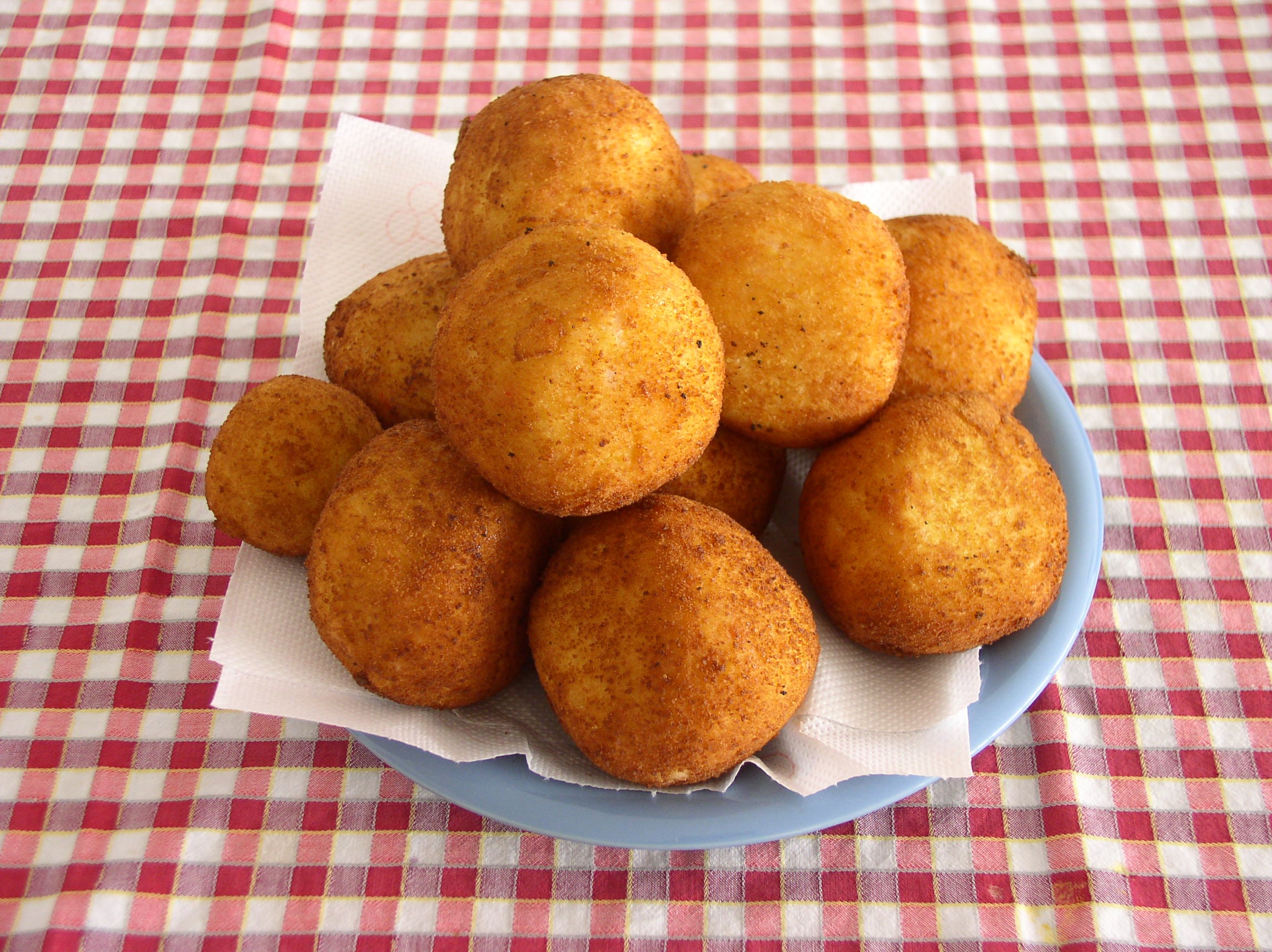
Street food can say as much about a country as any banquet, and in Sicily, arancini tell a rich story. These stuffed rice balls are practical, portable, and intensely satisfying.
Typically shaped into rounds or cones, arancini are made from cooked rice, often tinted with saffron, then filled and breaded before deep-frying. The most classic fillings are ragù with peas and cheese, or ham and mozzarella, though modern versions can include pistachio, mushroom, or seafood. The crisp shell gives way to a soft interior that feels almost luxurious.
Food historians often connect arancini to centuries of Arab influence in Sicily, particularly the use of rice and saffron. That history matters because Sicily's cuisine is one of Italy's most layered, shaped by conquest, trade, and adaptation.
Today, arancini are found in bakeries, bars, and street stalls across the island. They are not merely snacks. They are one of Italy's great examples of culinary engineering and regional identity.
Polenta
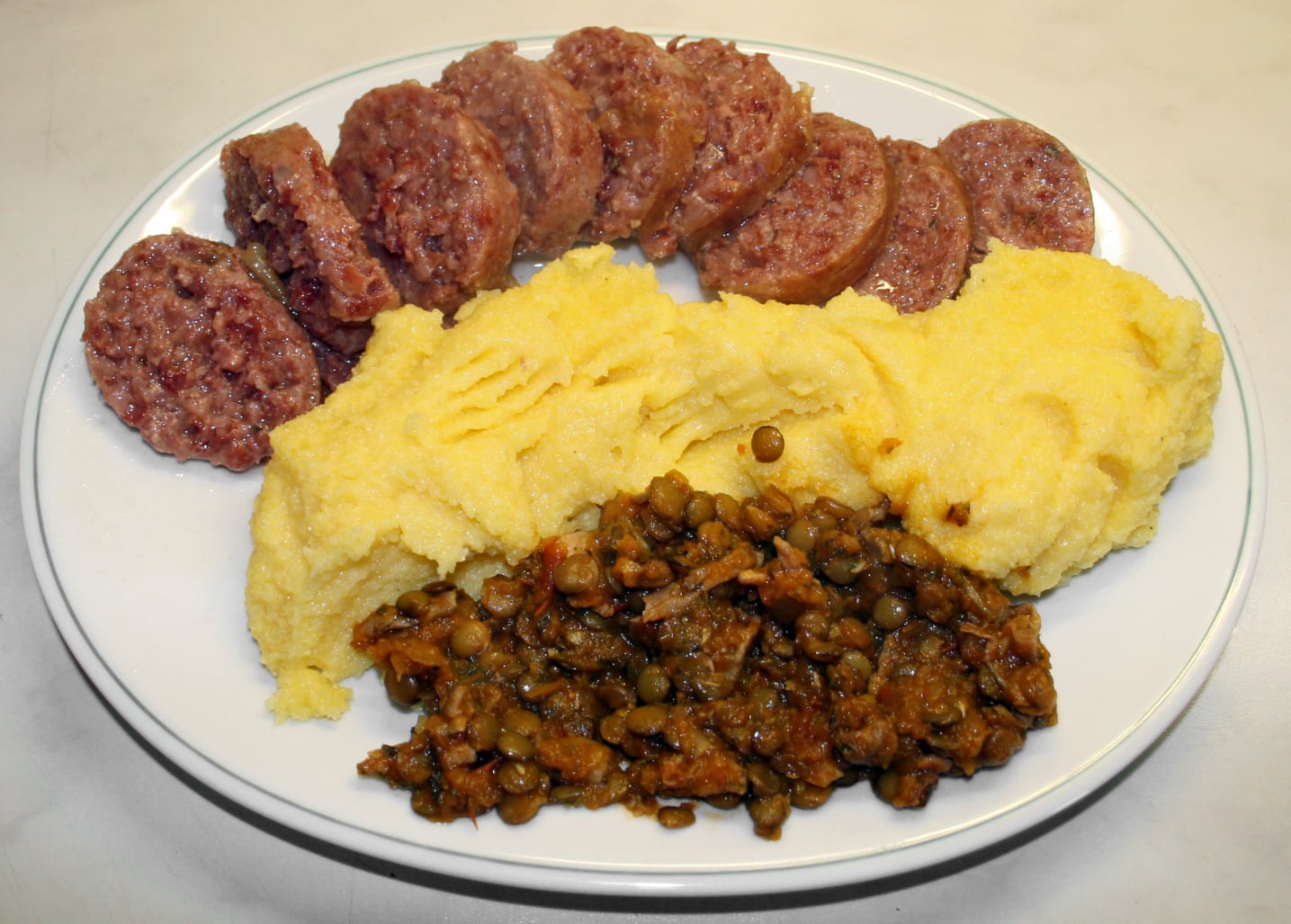
Before it was fashionable, polenta was survival food. Across northern Italy, especially in Veneto, Lombardy, and Friuli-Venezia Giulia, it sustained rural communities through long winters and modest harvests.
Polenta is made by cooking cornmeal in water, often with salt, and stirring until it thickens into a smooth mass. Depending on the grind and the region, it can be creamy and spoonable or cooled and sliced for grilling or frying. Traditional preparations require time and constant attention, though modern kitchens often simplify the process.
Its real strength is versatility. Polenta can support braised meats, mushrooms, sausages, cheeses, or seafood, acting as both side dish and main event. In alpine areas, it often partners with game or rich stews.
Far from bland, good polenta has a toasted corn sweetness and a deeply comforting texture. It represents the peasant intelligence at the heart of Italian cuisine: nourishment, flexibility, and flavor drawn from modest means.
Focaccia di Recco
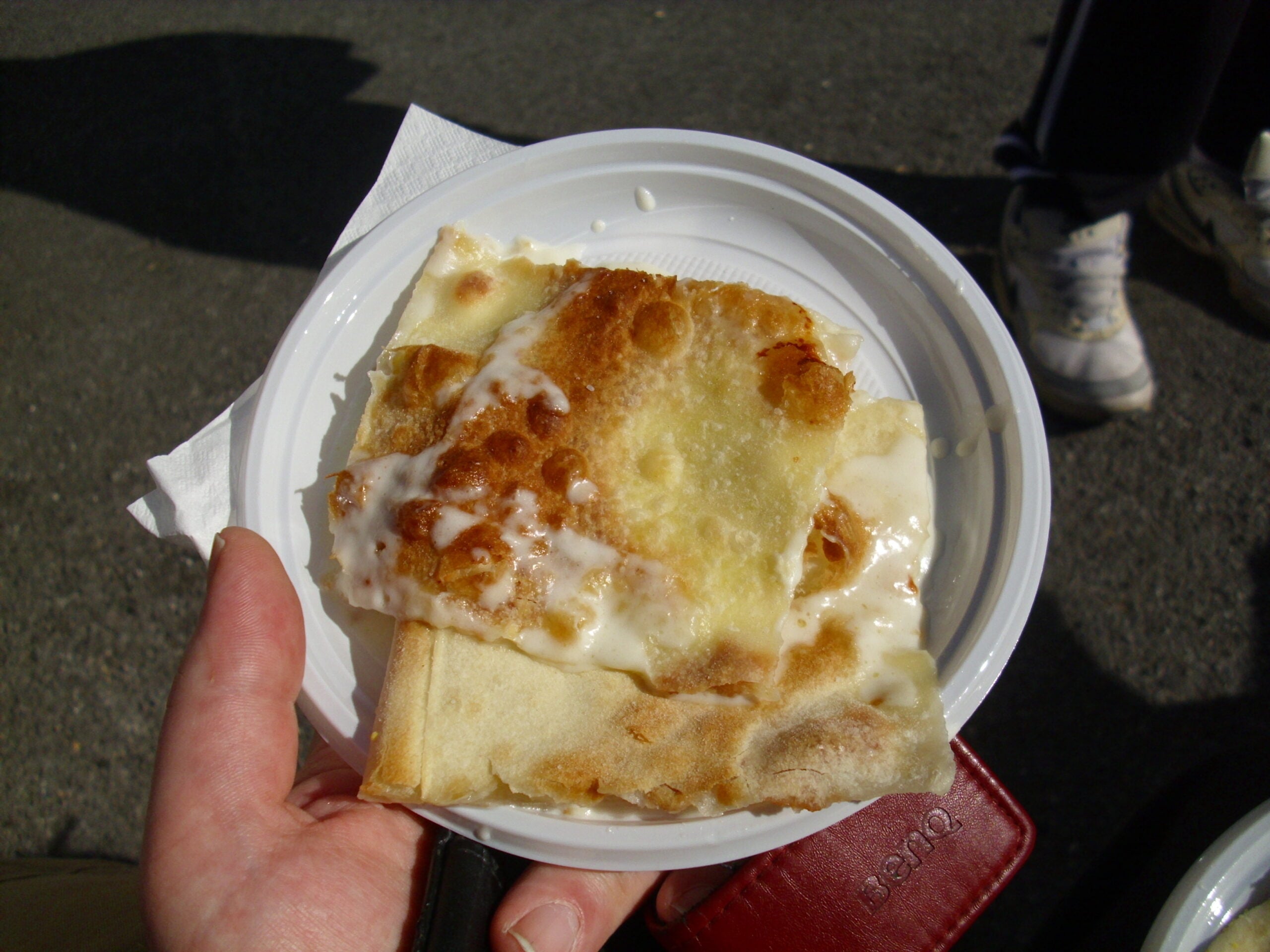
Not all flatbreads are created equal. Focaccia di Recco, from Liguria, is less like bakery focaccia and more like a miracle of crisp dough and molten cheese.
This specialty uses an unleavened dough stretched paper-thin into two layers. Between them goes stracchino, a soft, tangy cheese that melts into creamy pockets as the bread bakes. The top blisters and browns while the interior stays lush, creating a striking contrast of textures.
Its origin is tied closely to the town of Recco near Genoa, where local pride around the dish is intense. It even holds protected status, a reminder that Italy treats certain foods as cultural landmarks rather than mere recipes.
Because it is so delicate, truly great focaccia di Recco is best eaten immediately from the oven. The experience is brief, hot, and unforgettable, which may be exactly why devoted eaters seek it out repeatedly.
Saltimbocca alla Romana
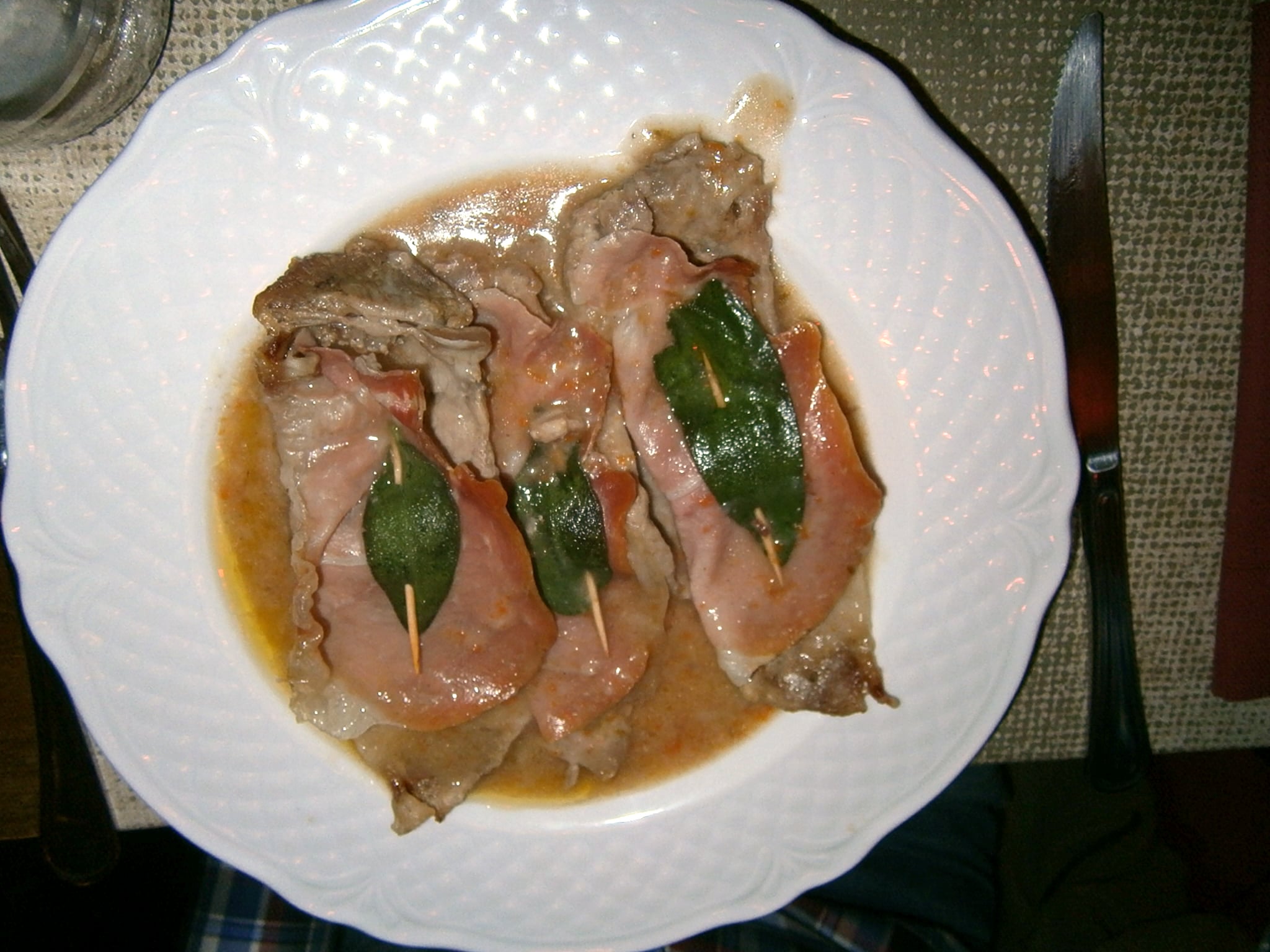
Roman cooking often favors direct, unmistakable flavors, and saltimbocca alla Romana is a perfect case. Its name roughly suggests something that jumps into the mouth, which feels entirely accurate after one bite.
Thin slices of veal are topped with prosciutto and fresh sage, then secured and cooked quickly in butter, wine, or a light pan sauce. The combination is compact but powerful: savory cured ham, fragrant herbs, and tender meat in a format that wastes nothing.
The dish reflects central Italy's respect for ingredient quality. When there are so few components, each one matters. The sage must be aromatic, the prosciutto balanced rather than overwhelming, and the veal delicate enough to remain supple.
Saltimbocca is widely copied outside Italy, but the Roman original is more restrained than many foreign versions. That restraint is exactly its strength, proving that intensity does not require excess.
Bistecca alla Fiorentina
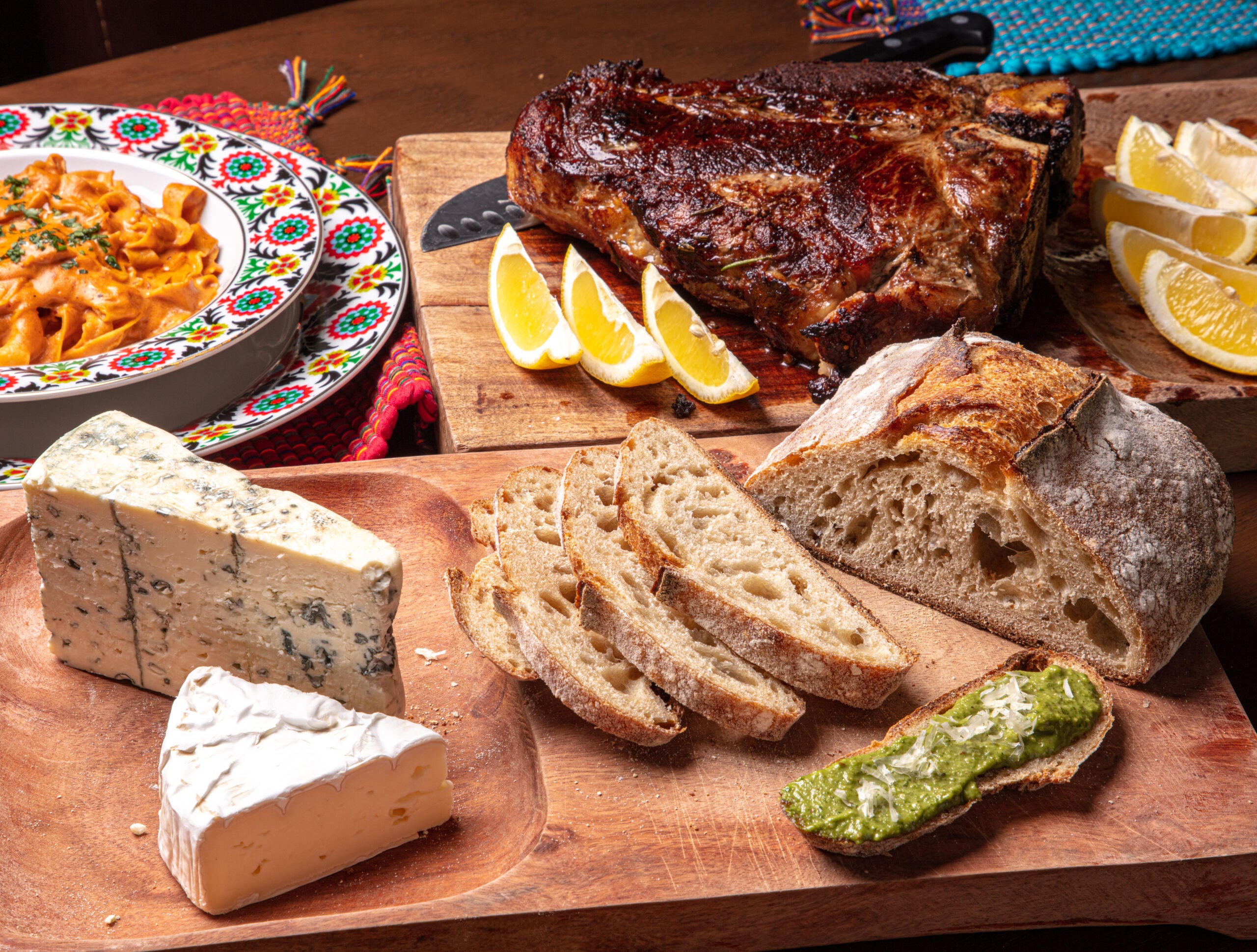
Florence has many symbols, but for meat lovers, few are as revered as bistecca alla Fiorentina. This Tuscan steak is not just large. It is ritual, technique, and regional identity on a platter.
Traditionally cut thick from the loin of Chianina cattle, the steak includes the bone and is cooked very simply over intense heat. The exterior develops a char while the inside remains rare to medium-rare. In Tuscany, overcooking it is widely treated as a culinary mistake.
Seasoning is minimal, usually salt, pepper, and perhaps olive oil after cooking. That simplicity is the point. A steak of this quality is meant to express the breed, the aging, and the fire rather than a marinade or heavy sauce.
Served sliced for sharing, bistecca alla Fiorentina also captures the social side of Italian dining. It is a centerpiece dish, meant to bring conversation, appetite, and a little awe to the table.
Cacciucco
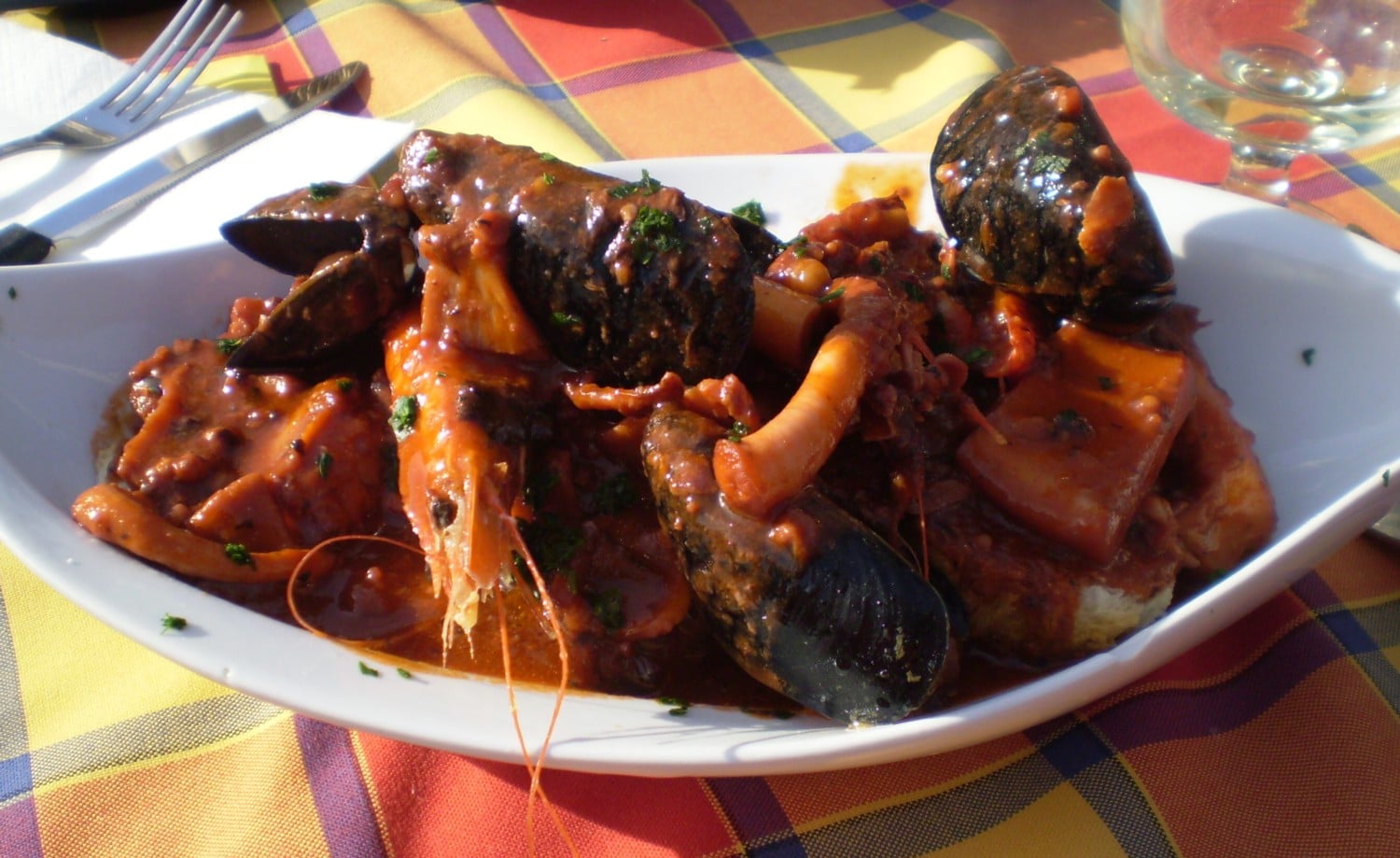
Livorno's great seafood stew is proof that coastal Italian cooking can be bold, messy, and thrillingly intense. Cacciucco is not delicate restaurant seafood. It is a fisherman's dish with backbone.
The stew typically combines several kinds of fish and shellfish, which may include octopus, squid, mussels, clams, and firm white fish, all simmered in a tomato-rich broth with garlic, red wine, and chili. Tradition often says at least five types of seafood should be included, a nod to the word's repeated "c" sounds and to local custom.
What makes cacciucco memorable is the layering of marine flavor. Each species contributes something different, from sweetness to brininess to gelatin-rich body. Toasted bread rubbed with garlic sits underneath, absorbing the broth.
This is a dish born from necessity, using the daily catch that might not command a high market price. In Italy, that kind of origin often leads not to compromise, but to greatness.
Vitello Tonnato
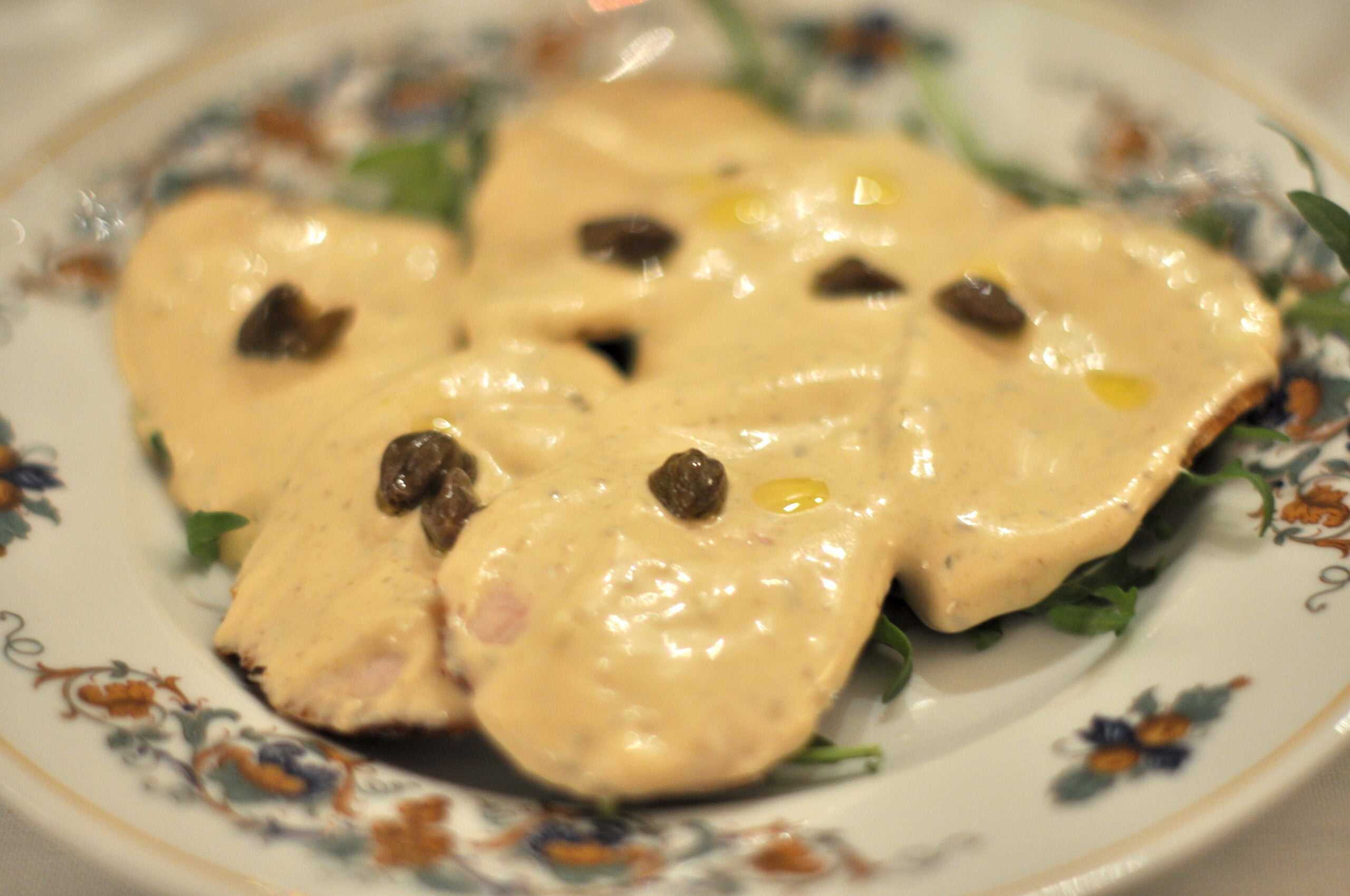
At first glance, veal with tuna sauce sounds improbable. In Piedmont, however, vitello tonnato has long been prized for its cool elegance and surprisingly harmonious flavor.
The dish features thin slices of cooked veal served chilled and covered with a creamy sauce made from tuna, capers, anchovies, olive oil, and sometimes mayonnaise or egg-based emulsions. The result is savory, briny, and smooth, with none of the heaviness the ingredient list might suggest.
Vitello tonnato became especially associated with warm-weather meals because it can be prepared ahead and served cold. That practicality helped preserve its place at family gatherings, holiday tables, and formal lunches throughout northern Italy.
Its appeal lies partly in contrast. Mild veal becomes more vivid against the punch of capers and anchovy, while the tuna adds body rather than fishiness. It is one of Italy's smartest examples of culinary balance through surprise.
Ribollita
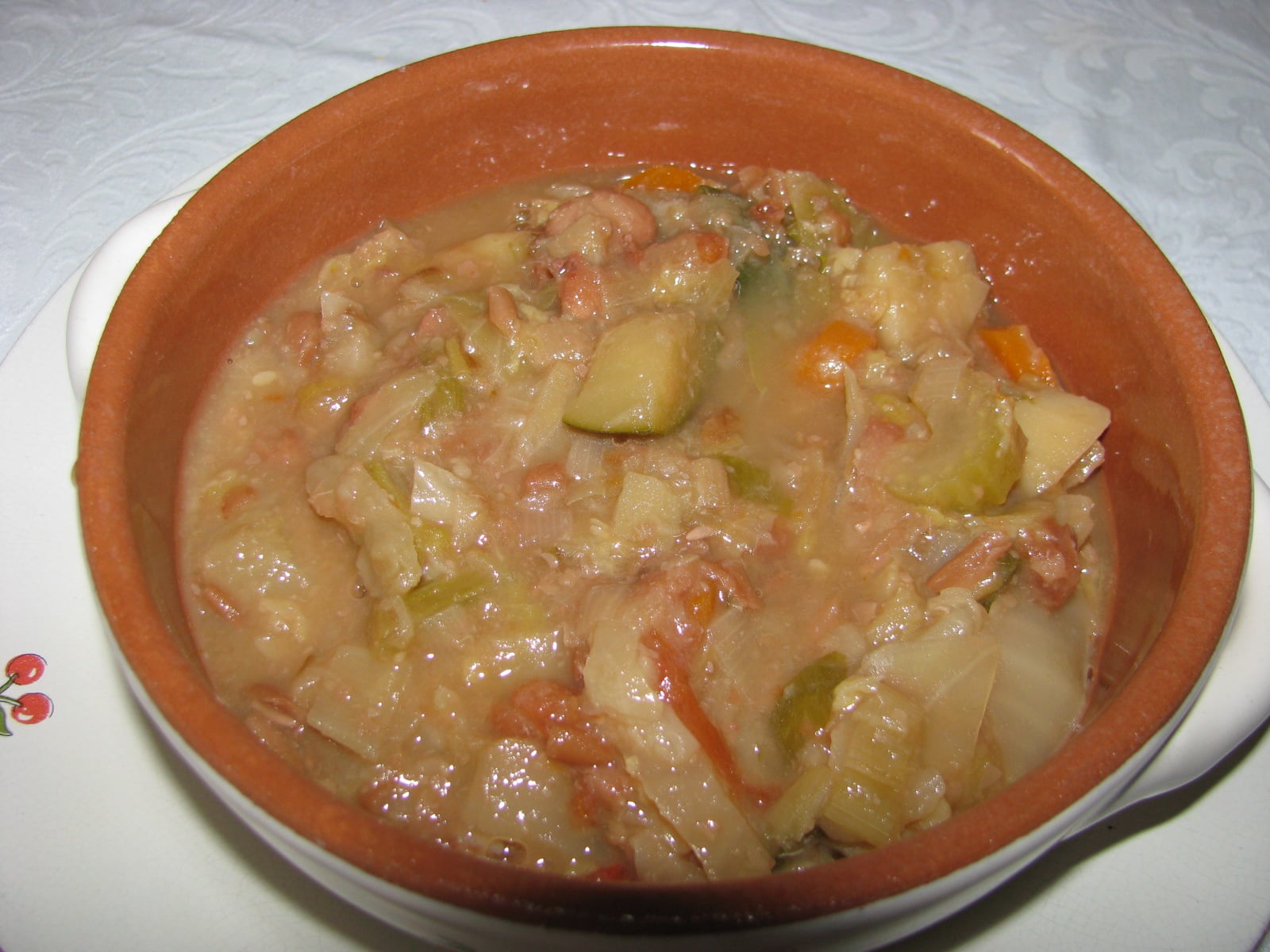
Few soups carry the moral force of ribollita. This Tuscan staple, whose name means "reboiled," turns leftovers into something so hearty and complete that it hardly feels like thrift.
At its core are cannellini beans, black cabbage or cavolo nero, stale bread, and a mix of vegetables such as carrot, celery, onion, and potato. The soup is cooked, rested, and historically reheated, allowing the flavors to deepen and the bread to dissolve into a thick, almost stew-like texture.
Ribollita reflects a central truth about Italian home cooking: frugality and excellence often live together. Bread was never casually wasted, and vegetables from the garden needed to stretch across several meals. What emerged was not a compromise but a classic.
A drizzle of robust Tuscan olive oil before serving is essential. It adds peppery freshness and reminds you that even peasant dishes in Italy often finish with a note of quiet luxury.
Panzanella
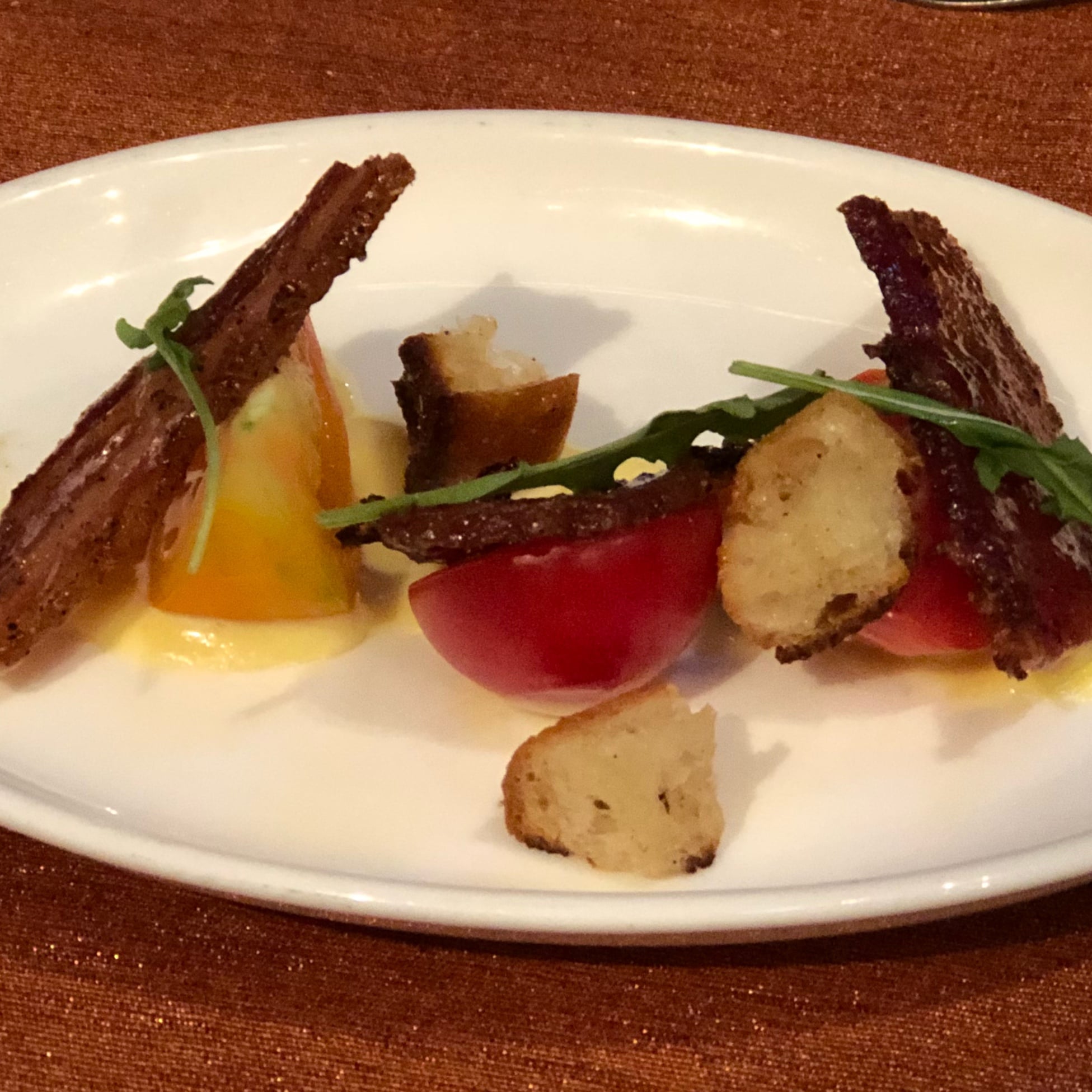
When summer heat makes heavy meals unappealing, panzanella answers with clarity and freshness. This Tuscan bread salad is one of the best examples of how Italy transforms stale bread into something vibrant.
Traditional panzanella combines soaked or softened stale bread with ripe tomatoes, red onion, cucumber, basil, olive oil, vinegar, and salt. Some versions include celery or capers, but the spirit stays the same: ripe produce, excellent oil, and bread that absorbs juices without disappearing.
Its success depends almost entirely on ingredient quality. Watery tomatoes or dull olive oil leave nowhere to hide. In peak season, though, the salad tastes vivid, sweet, sharp, and herbal all at once.
More than a side dish, panzanella captures the logic of regional cooking. It uses what the season gives freely and turns it into a meal that feels both economical and deeply pleasurable.
Bagna Cauda
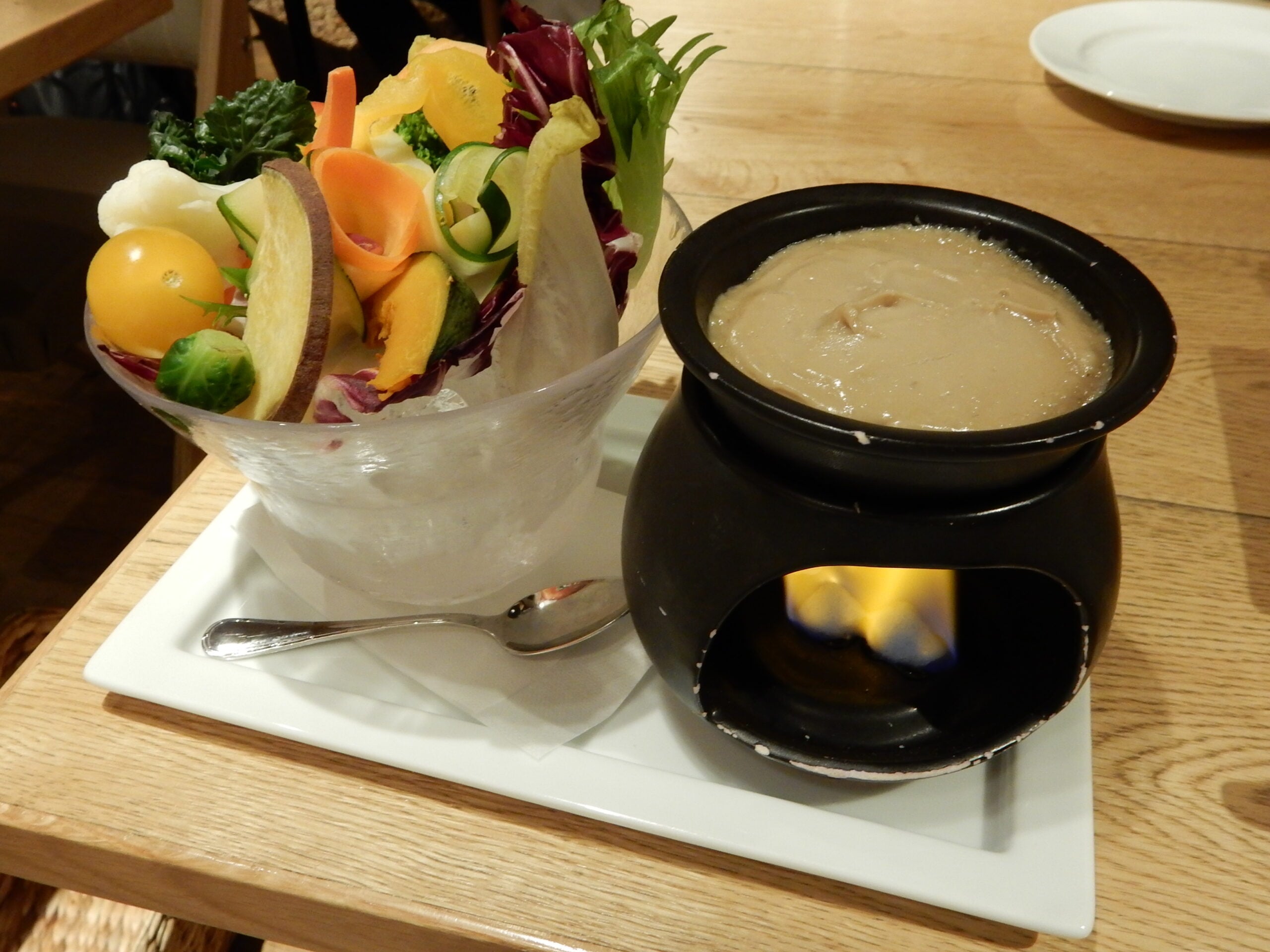
Hospitality in Piedmont can come in the form of a warm, garlicky bath. Bagna cauda is less a single dish than a communal experience built around sharing, dipping, and unapologetically strong flavor.
The sauce is made by gently cooking garlic with anchovies and olive oil, sometimes with butter, until it becomes a smooth, savory fondue. It is served hot in a special pot and eaten with raw or cooked vegetables, especially cardoons, peppers, fennel, and Jerusalem artichokes. Bread can join in too.
Bagna cauda has agricultural roots and usually appears in cooler months, when sturdy vegetables are plentiful and indoor gatherings matter most. It speaks to the farming culture of Piedmont, where meals often strengthen social ties as much as appetite.
For newcomers, the intensity can be surprising. Yet that boldness is exactly its charm, offering one of Italy's clearest expressions of convivial, regional eating.
Supplì
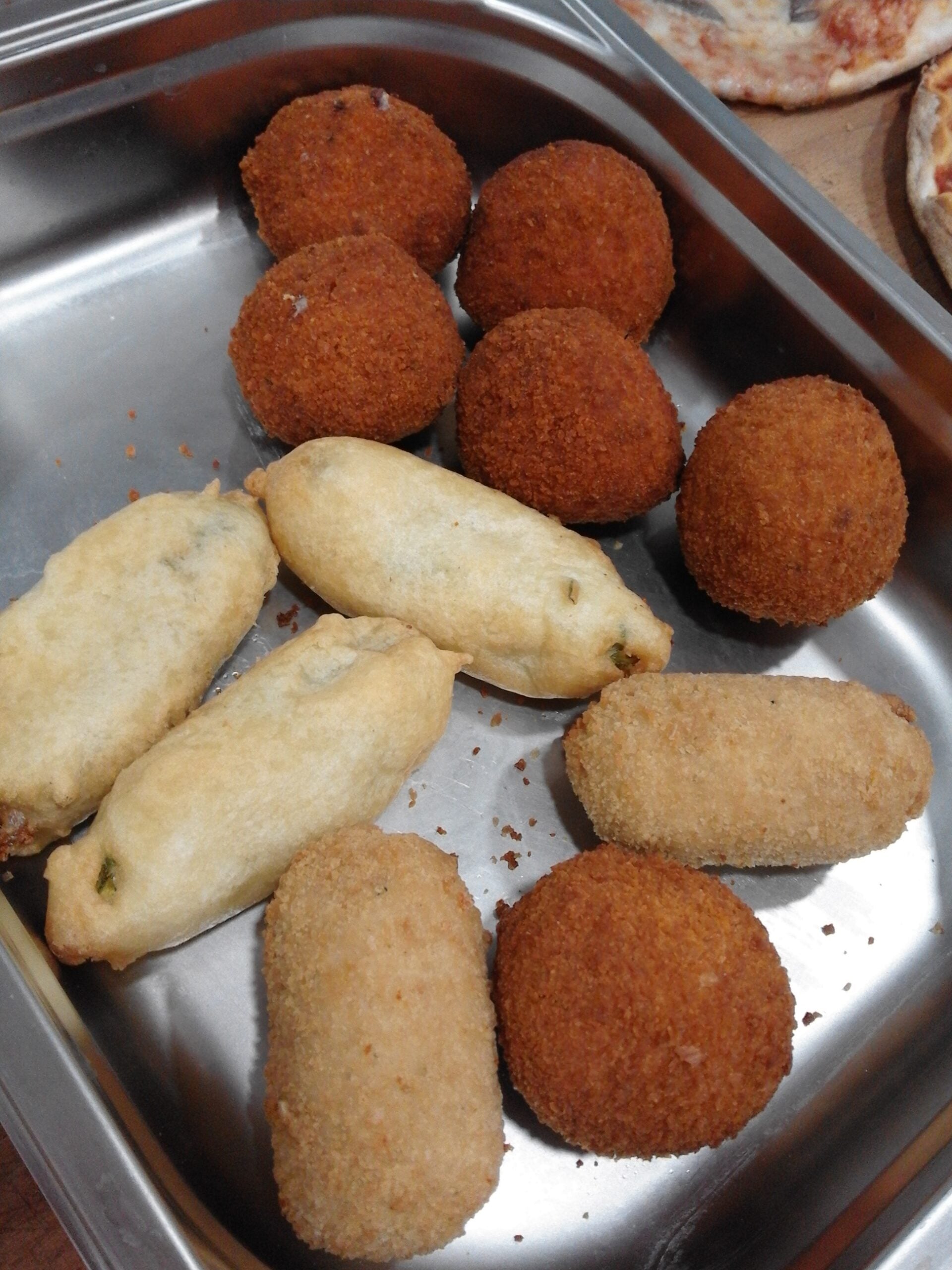
Rome's street food scene has a crisp, molten icon of its own. Supplì may resemble Sicilian arancini at first glance, but its identity is distinctly Roman in flavor and form.
These oblong rice croquettes are usually filled with ragù and a piece of mozzarella, then coated in breadcrumbs and fried. When opened, the cheese stretches in strands, which inspired the old phrase supplì al telefono, comparing the melted mozzarella to a telephone wire.
The rice itself carries flavor from tomato sauce and meat juices, making the snack more layered than plain fried rice. A well-made supplì should be crunchy outside, moist inside, and properly seasoned throughout rather than relying only on the filling.
Found in pizzerias, takeaway counters, and casual eateries across Rome, supplì demonstrates how seriously Italians take snack foods. Even the quickest bite is expected to show craft, memory, and regional pride.
Porchetta
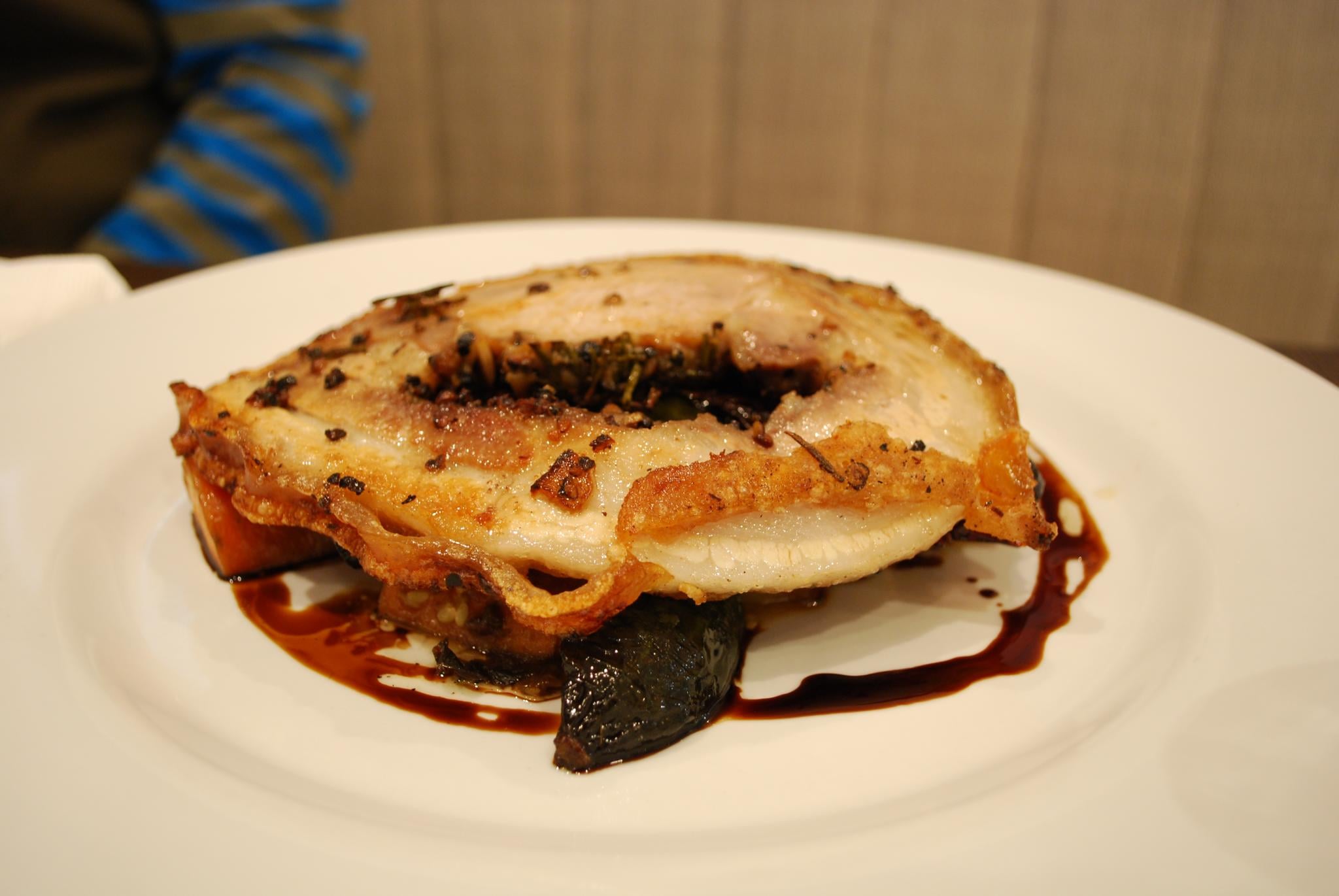
There are few aromas more persuasive than porchetta slowly roasting. This central Italian specialty, especially associated with Lazio, Umbria, and Abruzzo, turns pork into a celebration of texture and seasoning.
A whole deboned pig or pork roast is stuffed or rubbed with salt, black pepper, garlic, and herbs such as rosemary and fennel, then roasted until the meat is tender and the skin becomes deeply crisp. The contrast between juicy interior and crackling exterior is the dish's defining pleasure.
Porchetta has long been popular at festivals, markets, and roadside stands, where it is sliced to order and often served in bread. That sandwich may sound simple, but with good porchetta it becomes unforgettable, thanks to the concentrated pork flavor and aromatic seasoning.
Its enduring appeal comes from abundance made approachable. Porchetta feels festive, yet it is also democratic, feeding crowds and delivering excellence without ceremony.
Tiramisù
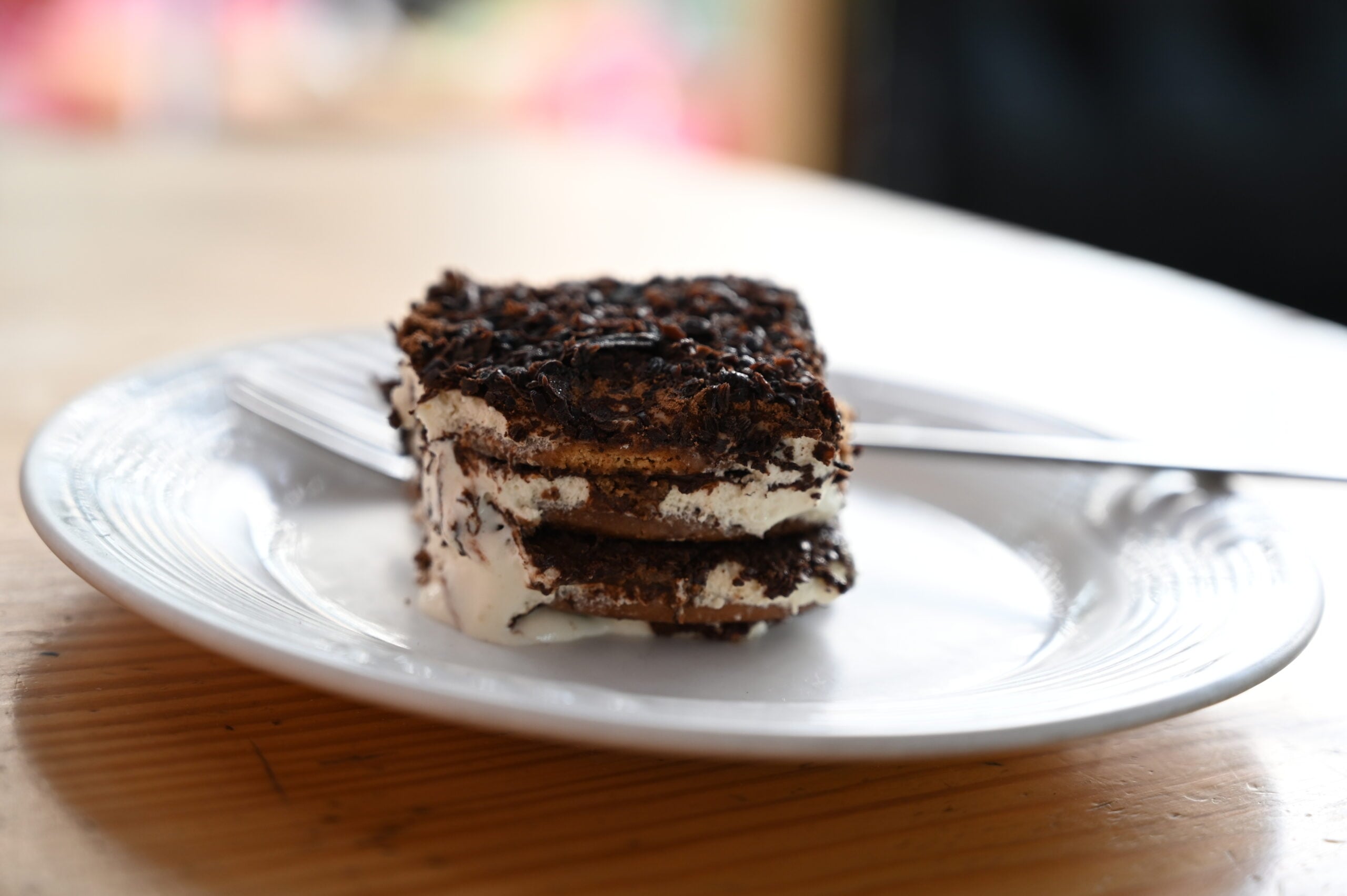
Dessert may be the last course, but tiramisù is often the lingering memory. Despite its global fame, a properly made tiramisù still feels unmistakably Italian in its balance and restraint.
The classic version layers coffee-soaked savoiardi biscuits with a mixture of mascarpone, eggs, and sugar, then finishes with cocoa powder. Some versions add a little Marsala or another liqueur, but the best examples remain light rather than boozy. Veneto and Friuli Venezia Giulia both have strong claims to its origins.
What makes tiramisù great is textural contrast. The biscuits soften but should not dissolve completely, and the mascarpone mixture should feel airy rather than heavy. Coffee bitterness, dairy richness, and cocoa dryness all meet in proportion.
Its name is often interpreted as "pick me up," and that feels fitting. Tiramisù closes a meal with comfort, elegance, and just enough sweetness to make it unforgettable.

Leave a Reply