
Some of the world's best food rarely headlines travel shows or restaurant trends. That gap says less about quality and more about visibility.
Georgian cuisine
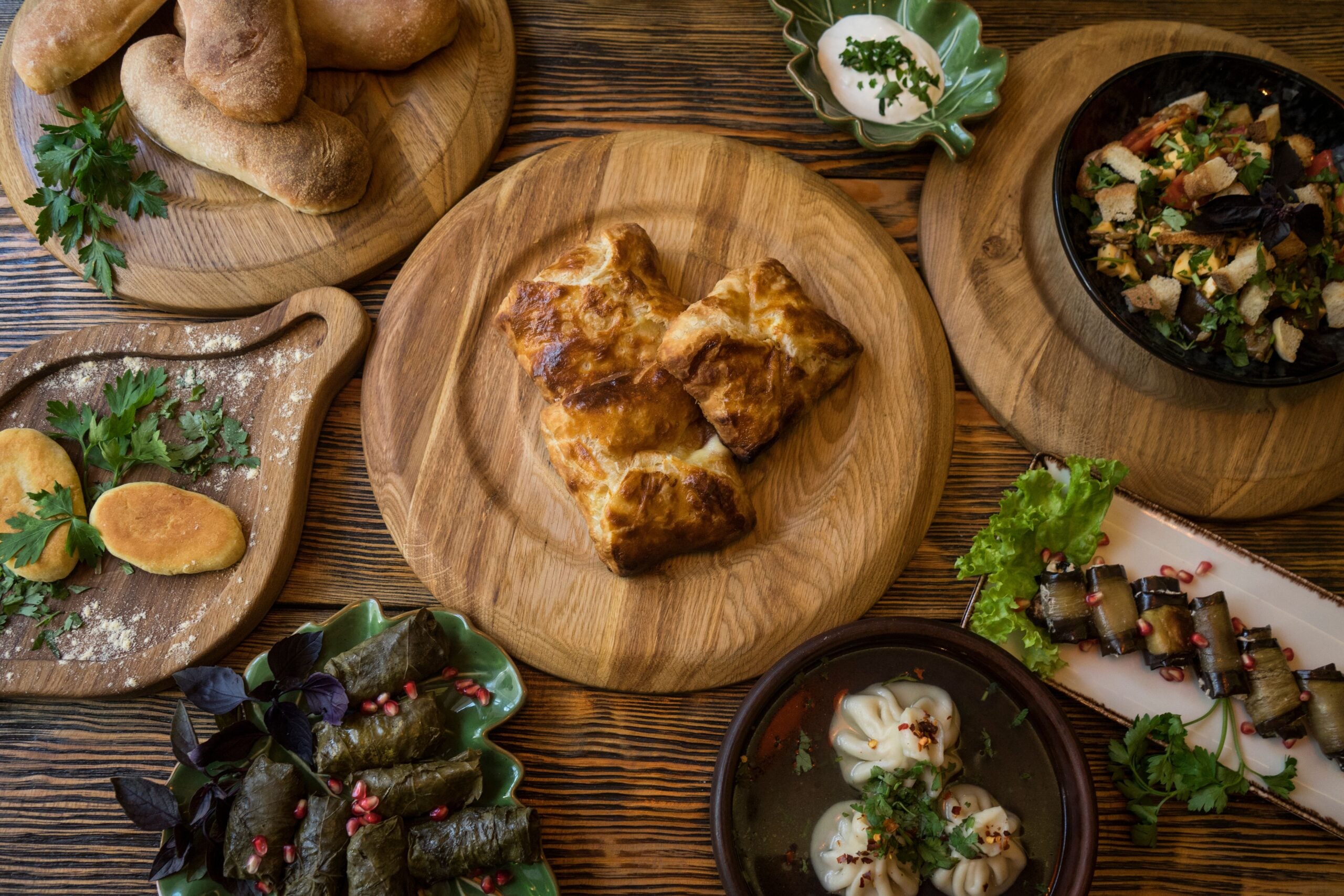
Georgia may be one of the most quietly influential food cultures on earth. Sitting between Eastern Europe and Western Asia, it developed a cuisine shaped by mountain farming, Silk Road trade, and one of the oldest wine traditions in the world.
Most people first encounter khachapuri, the cheese-filled bread that has become Georgia's best-known export. Yet the cuisine goes much deeper, from khinkali dumplings filled with spiced meat broth to lobio, a richly seasoned bean stew often paired with cornbread-like mchadi.
What sets Georgian cooking apart is its balance. Walnuts appear in sauces, pomegranate adds brightness, herbs are used generously, and spice is aromatic rather than punishingly hot. Dishes like satsivi, a walnut-garlic sauce served with poultry, show how texture matters as much as flavor.
Georgia also deserves more credit for how naturally its food fits modern dining habits. Vegetables, beans, breads, fermented foods, and grilled meats all play central roles. It is both comforting and sophisticated, and that combination should make it far more famous than it is.
Filipino cuisine
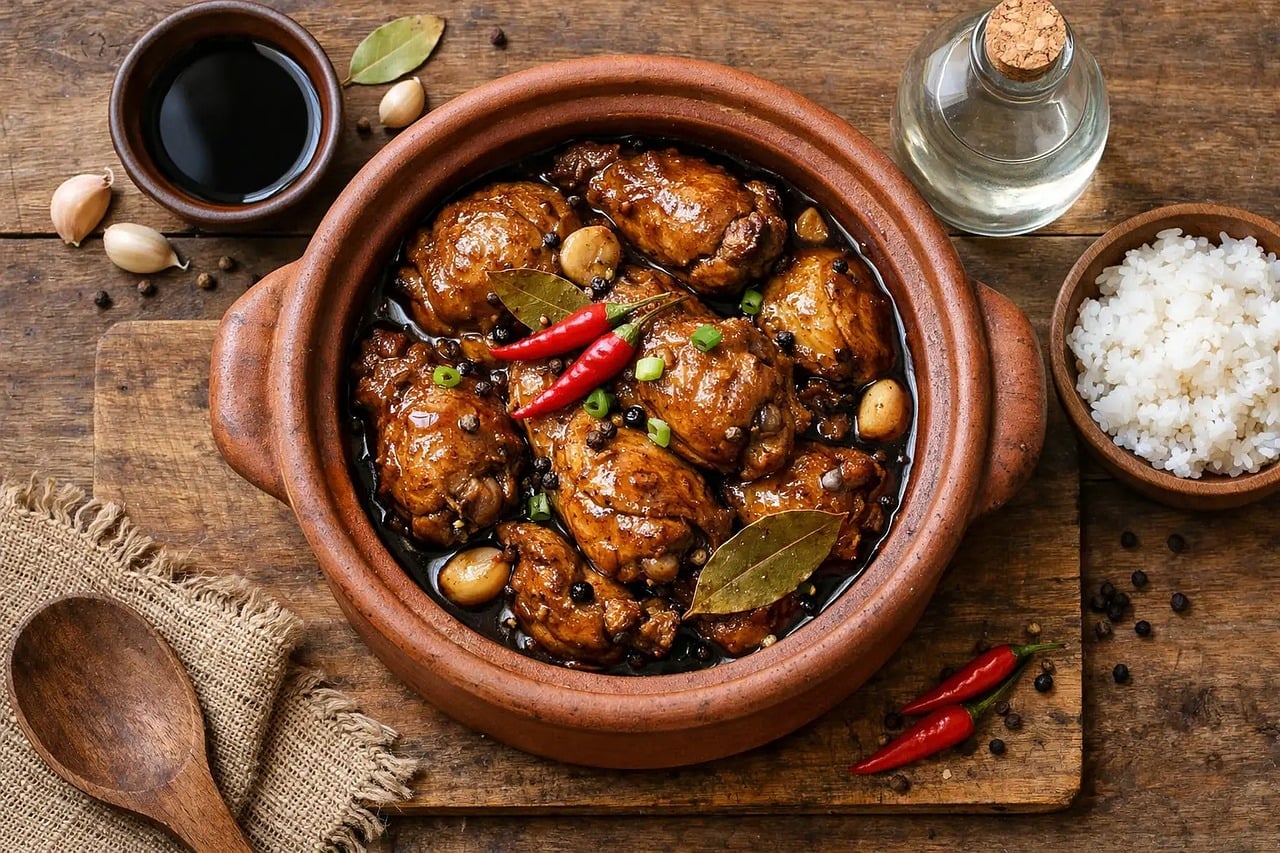
Filipino food has gained ground internationally, but it still receives less serious recognition than many neighboring Asian cuisines. That is surprising because it is one of the most layered culinary traditions in the world, shaped by Malay roots, Chinese trade, Spanish rule, and American influence.
Adobo is often introduced as the national dish, but reducing Filipino food to adobo misses its range. Sinigang offers a tamarind-driven sourness unlike almost anything else in mainstream dining, while kare-kare layers peanut richness with vegetables and tender meat, usually sharpened by fermented shrimp paste.
A defining strength of Filipino cooking is contrast. Sweet, sour, salty, fatty, and acidic flavors often appear in the same meal. Sisig, for example, turns chopped pork, citrus, onion, and chili into a sizzling dish that is at once crunchy, rich, and bright.
Regional diversity is another reason the cuisine deserves more hype. Bicol cooking leans into coconut milk and chili, Ilocos is known for hardy vegetable and fish preparations, and Mindanao reflects strong Muslim culinary traditions. There is no single Filipino flavor profile, which is exactly what makes it so compelling.
Sri Lankan cuisine
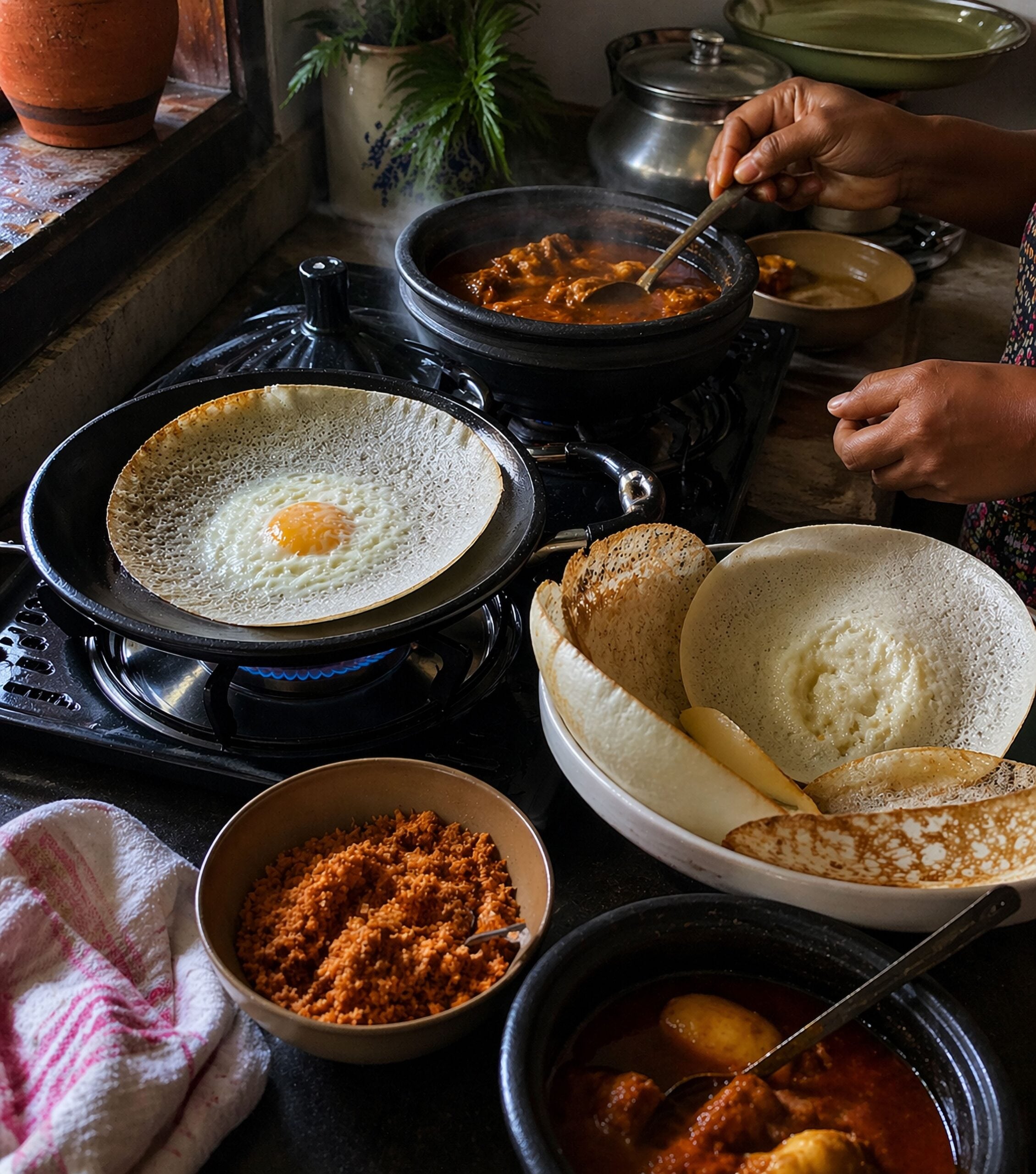
Sri Lankan cuisine should be far better known than it is, especially among anyone who claims to love bold spice and layered aromatics. The island's food draws from South Indian connections, colonial trade, and local ingredients, creating a style that feels familiar at first and then quickly reveals its own logic.
Rice and curry is the backbone of the table, but that phrase can mislead outsiders into thinking of a single pot. In Sri Lanka, it usually means a spread of several preparations, which may include lentils, jackfruit, eggplant, greens, sambols, pickles, and fish or meat.
Coconut is central, but not in a monotonous way. It appears as milk, oil, grated flesh, and toasted garnish, each changing a dish differently. Hoppers, the bowl-shaped fermented pancakes often served with eggs or fiery sambols, show how fermentation and texture play major roles.
The cuisine also excels at controlled intensity. Spice blends are often roasted before grinding, producing darker, deeper flavors than many curry powders sold abroad. Dishes such as black pork curry or ambul thiyal, a sour fish preparation, prove Sri Lankan food can be both powerful and remarkably precise.
Peruvian cuisine beyond ceviche
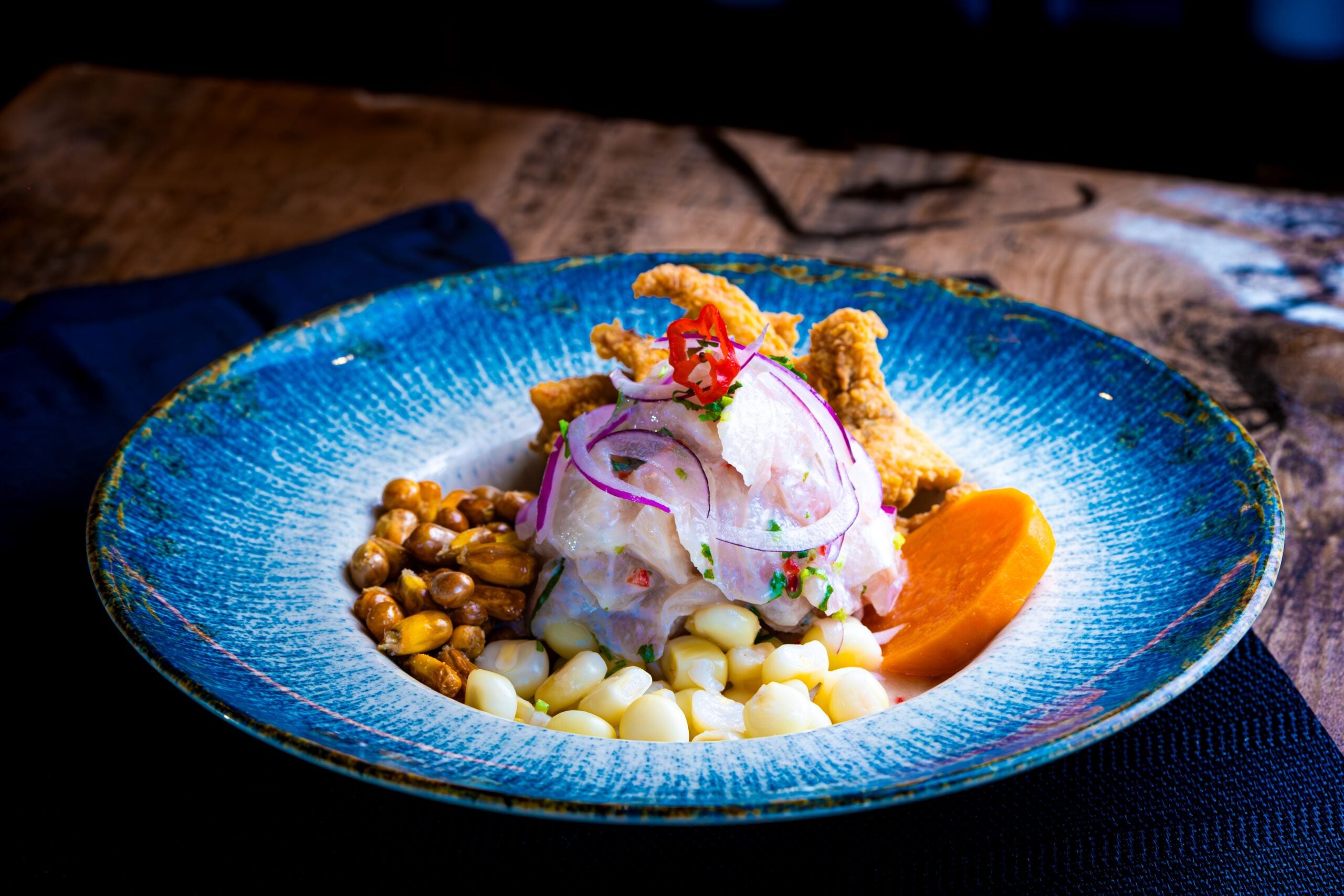
Peru is not exactly unknown in food circles, but outside a handful of big cities, its cuisine is still too often reduced to ceviche. That is a serious underestimation of one of the world's most biodiverse and historically layered food cultures.
The country's geography shaped everything. Coastal seafood traditions, Andean tubers and grains, and Amazonian fruits all feed into the national table. Peru has thousands of native potato varieties, and ingredients like quinoa, ají peppers, and corn have deep pre-Columbian roots.
Its greatest strength may be synthesis. Indigenous techniques sit alongside Spanish, African, Chinese, and Japanese influences, producing dishes such as lomo saltado and arroz chaufa that feel fully Peruvian rather than borrowed. Few cuisines absorb outside ideas with such confidence.
Regional cooking remains especially underrated. Arequipa is known for robust stews, the Andes for hearty soups and roasted meats, and the Amazon for river fish and tropical produce. Peru deserves praise not only for fine dining innovation, but for the everyday depth of its home cooking.
Ethiopian cuisine
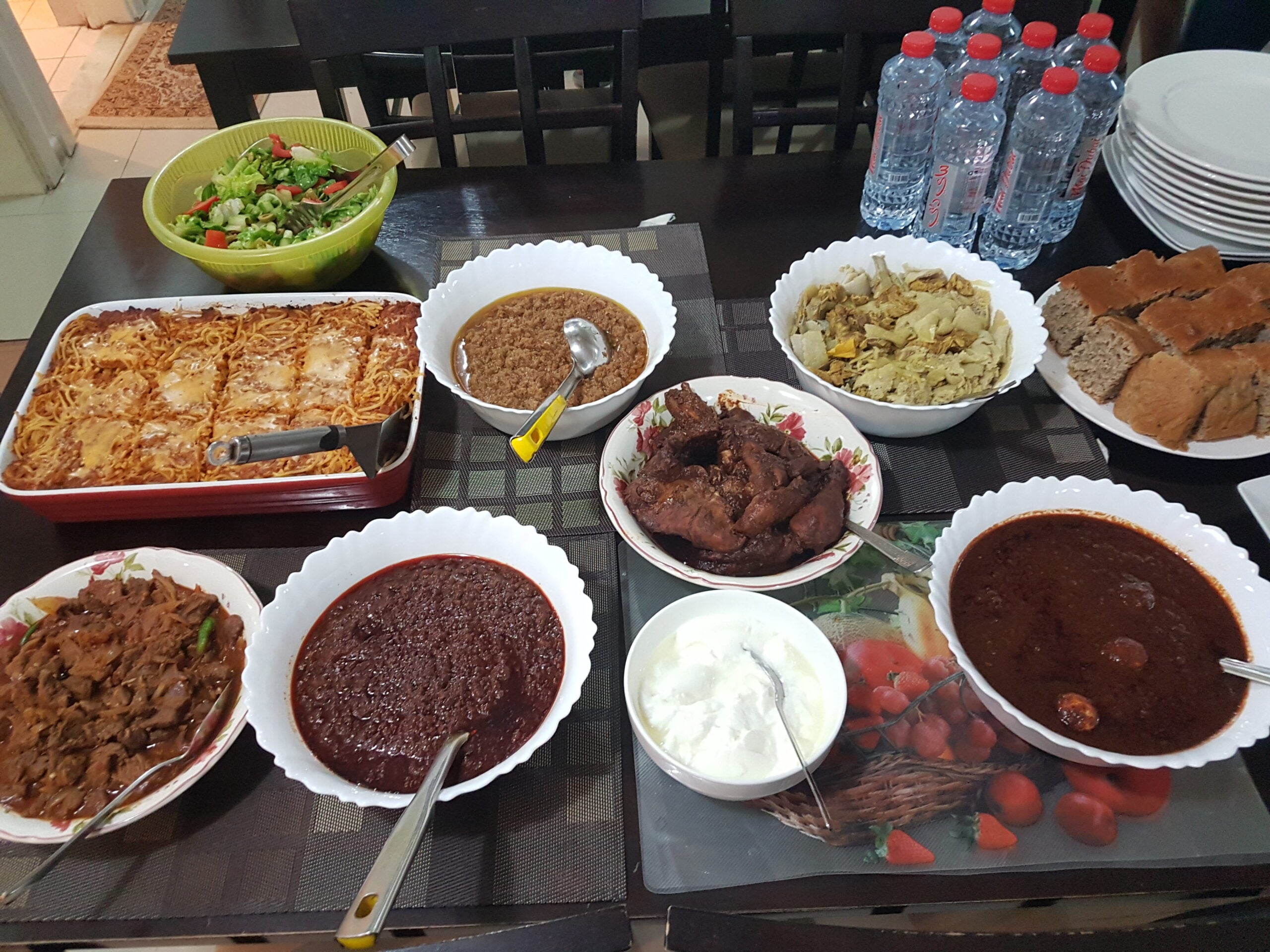
Ethiopian food is one of the most distinctive communal dining traditions in the world, yet it remains oddly niche in many countries. That is unfortunate because it offers a complete culinary system with its own breads, spice architecture, eating customs, and religious rhythms.
Injera, the fermented flatbread made traditionally from teff, is far more than a utensil. Its sourness anchors the meal and balances rich stews called wats. That fermentation also adds nutritional interest, especially as teff is valued for its mineral content and gluten-free profile.
Berbere, the famous spice blend, is only part of the story. Niter kibbeh, a clarified butter infused with aromatics, and mitmita, a hotter seasoning, add depth and variation. Lentils, split peas, collards, cabbage, and chickpeas feature heavily, especially during Orthodox fasting periods.
One reason Ethiopian cuisine deserves wider celebration is how satisfying its plant-based repertoire is. Long before vegetarian eating became trendy, the cuisine had already perfected deeply flavored meatless dishes. It is generous, social food, built for sharing, and that alone should have made it more globally visible.
Oaxacan Mexican cuisine
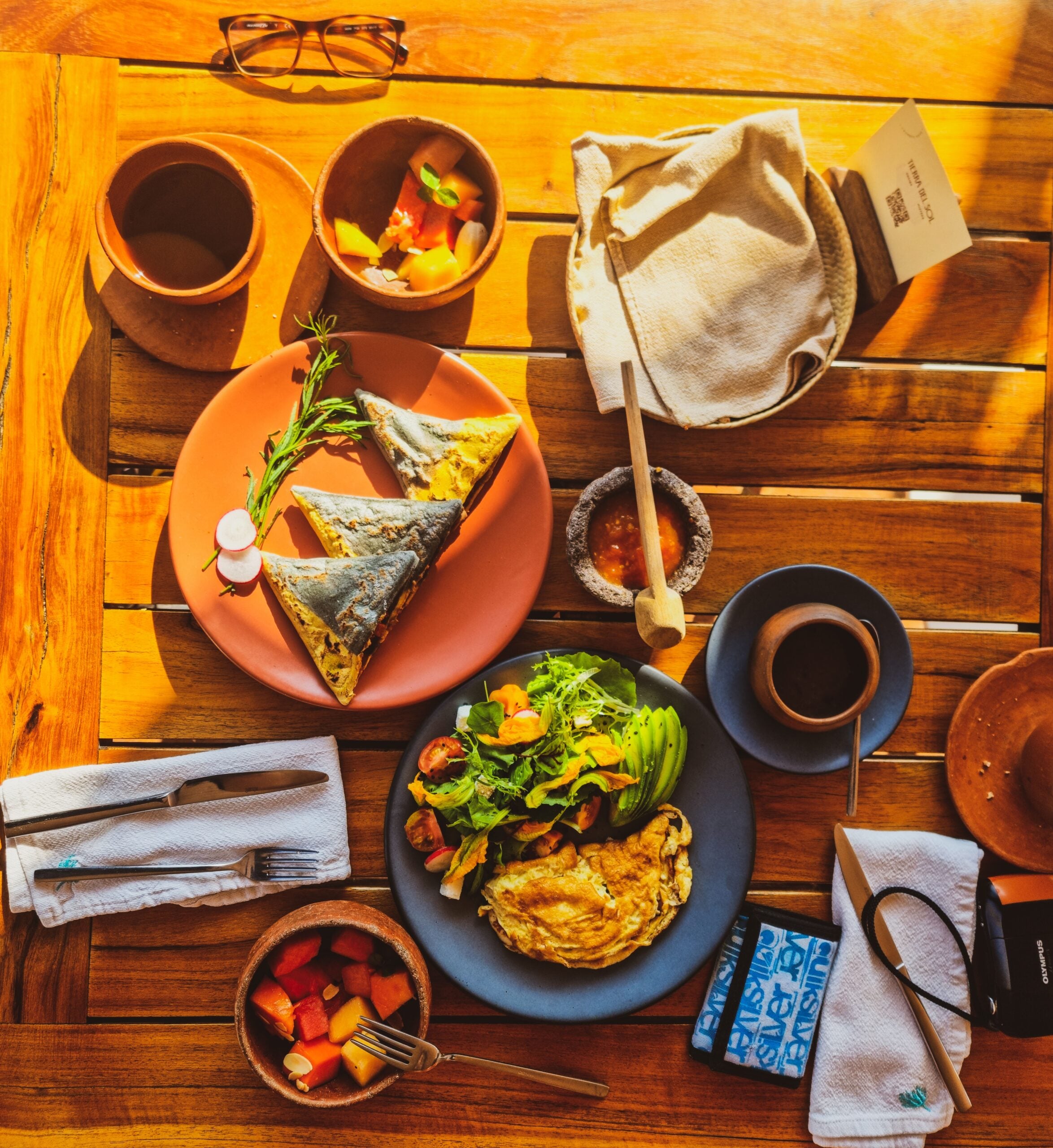
Mexican food is globally beloved, but much of what travels abroad represents only a narrow slice of the country's regional depth. Oaxaca, in southern Mexico, stands out as one of the richest culinary regions anywhere, yet many casual diners know little beyond mole.
Calling mole a single sauce barely scratches the surface. Oaxaca is often associated with seven classic moles, each with its own ingredients, technique, and use. Some are smoky and savory, others fruitier or more herbaceous, and all require serious labor and culinary memory.
The region is also a powerhouse of agricultural and artisanal food traditions. Corn is nixtamalized for tortillas and tlayudas, cheese is stretched into quesillo, and chapulines, toasted grasshoppers, add crunch and salinity. Mezcal culture further reflects local knowledge tied to agave and geography.
What makes Oaxacan cuisine underrated is not lack of excellence but lack of understanding. It is often flattened into stereotypes about heat or heaviness. In reality, it is a cuisine of botanical complexity, indigenous continuity, and extraordinary craftsmanship, with techniques refined over centuries.
Iranian cuisine
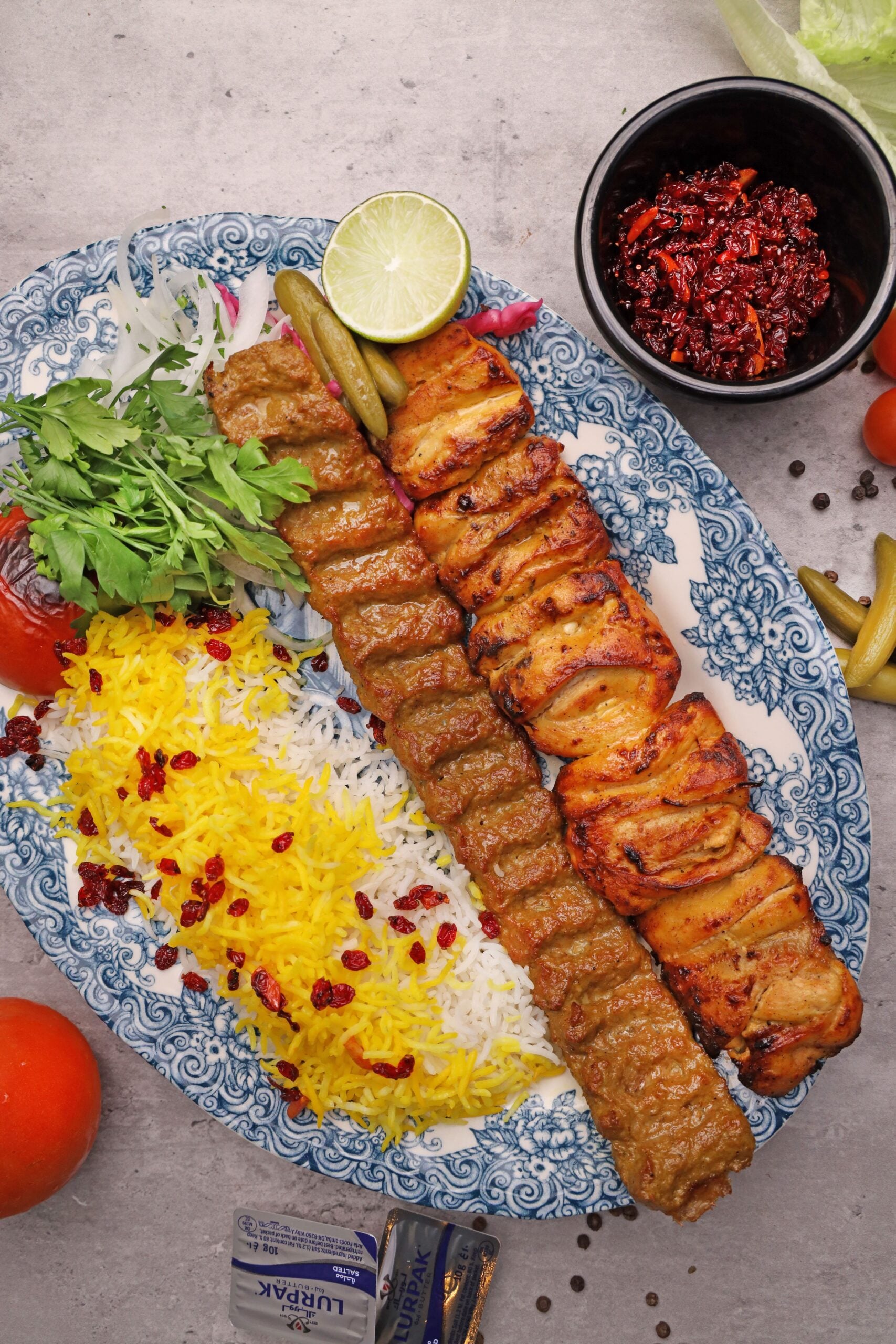
Iranian cuisine is one of the world's most elegant food traditions, but it rarely gets the international attention given to Mediterranean or Levantine neighbors. That is a mistake because Persian cooking offers exceptional refinement without losing warmth or comfort.
Rice cookery alone should earn it more admiration. Techniques for producing fluffy grains and prized tahdig, the crisp golden crust at the bottom of the pot, are central to the cuisine. Few food cultures treat rice with such ceremony and precision.
Flavoring is equally distinctive. Saffron, dried lime, barberries, pomegranate molasses, fresh herbs, walnuts, and rosewater are used with restraint and purpose. Dishes such as fesenjan, a walnut-pomegranate stew, or ghormeh sabzi, an herb stew with beans and dried lime, create depth without heaviness.
Another underrated quality is balance between everyday and celebratory food. Kebabs may be the most recognizable dishes abroad, but soups, stews, stuffed vegetables, yogurt-based sides, and jeweled rice preparations reveal far greater range. Iranian cuisine rewards attention because its subtlety is where much of the brilliance lives.
Burmese cuisine
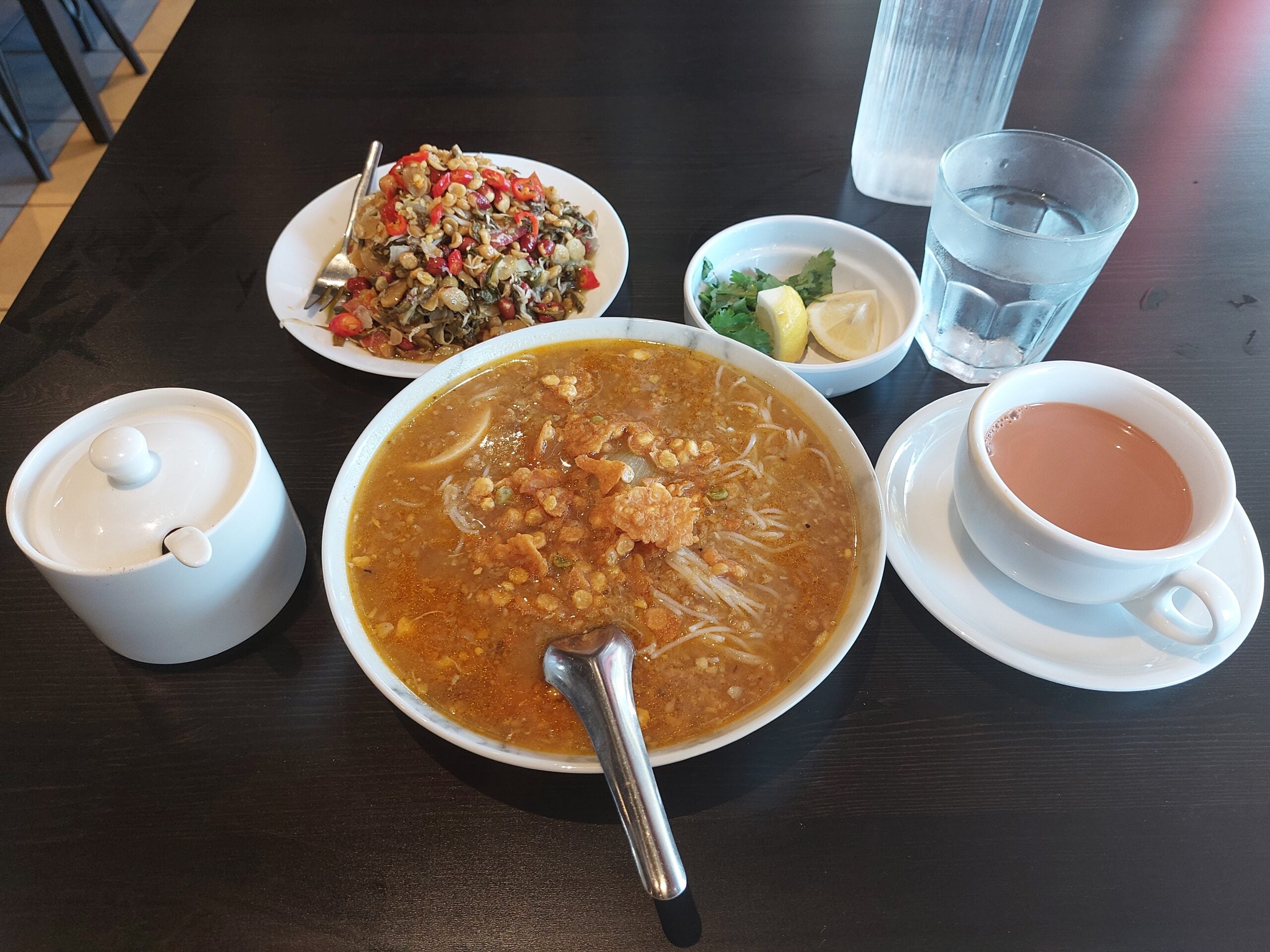
Burmese food remains one of Asia's least internationally discussed cuisines, despite being positioned between India, China, and Thailand. That location created a culinary crossroads, yet Myanmar's food culture developed a personality that is clearly its own.
Texture is a major clue. A single meal may combine crunchy fried beans, silky noodles, sour pickles, fresh herbs, and savory broths. Mohinga, the fish-based noodle soup often considered the national dish, is especially revealing in how it layers lemongrass, toasted notes, and gentle richness.
Tea leaf salad, or laphet thoke, is another standout that deserves broader recognition. Fermented tea leaves mixed with nuts, seeds, garlic, tomatoes, and chilies produce a mix of bitterness, acidity, crunch, and umami that feels startlingly modern while being deeply traditional.
Burmese cuisine also makes sophisticated use of pantry depth. Fish sauce, shrimp paste, chickpea flour, turmeric, and tamarind all appear in thoughtful combinations. It is a cuisine that rarely shouts, but it builds complex, memorable flavors that linger long after the meal ends.
Senegalese cuisine
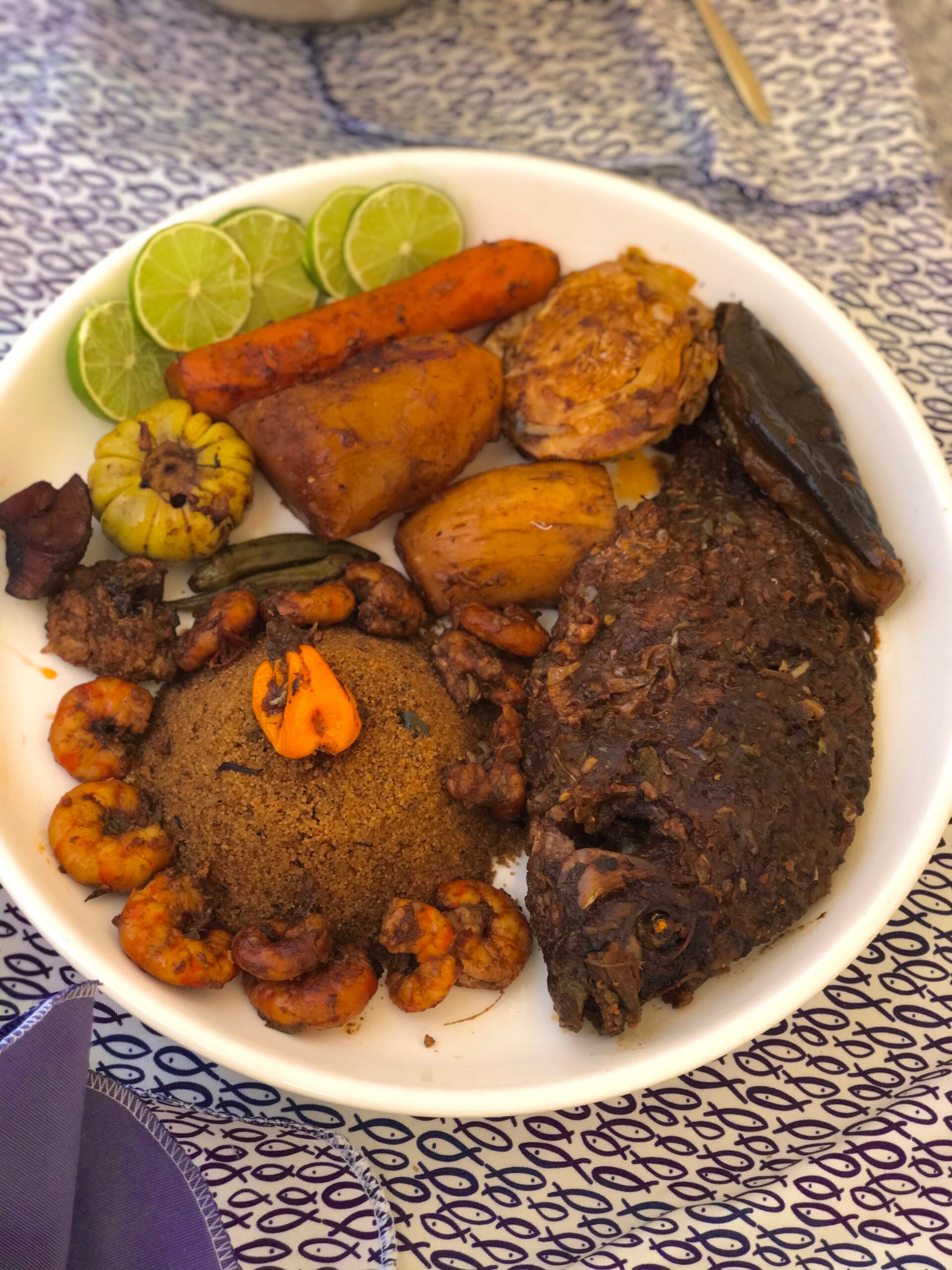
West Africa remains underrepresented in global food conversations, and Senegal is a perfect example of how much the wider world is missing. Its cuisine is generous, deeply seasoned, and rooted in both local ingredients and centuries of exchange across the Atlantic and Sahara.
Thieboudienne, the iconic rice and fish dish, is often cited as a national favorite for good reason. Fish is stuffed with herbs, vegetables are simmered in a savory tomato base, and broken rice absorbs the broth. The result is layered rather than simple, hearty yet structured.
Senegalese cooking also shines through dishes like yassa, where onions and mustard create a sharp, caramelized marinade for chicken or fish. Maafe, the peanut-based stew found in forms across the region, shows how richness can be balanced with spice, tomato, and vegetables.
Just as important is the cuisine's social role. Many meals are served from a shared platter, emphasizing community and hospitality. That communal format is not a novelty but a philosophy, and it helps explain why Senegalese food feels so complete: it is designed to nourish people together.
Albanian cuisine
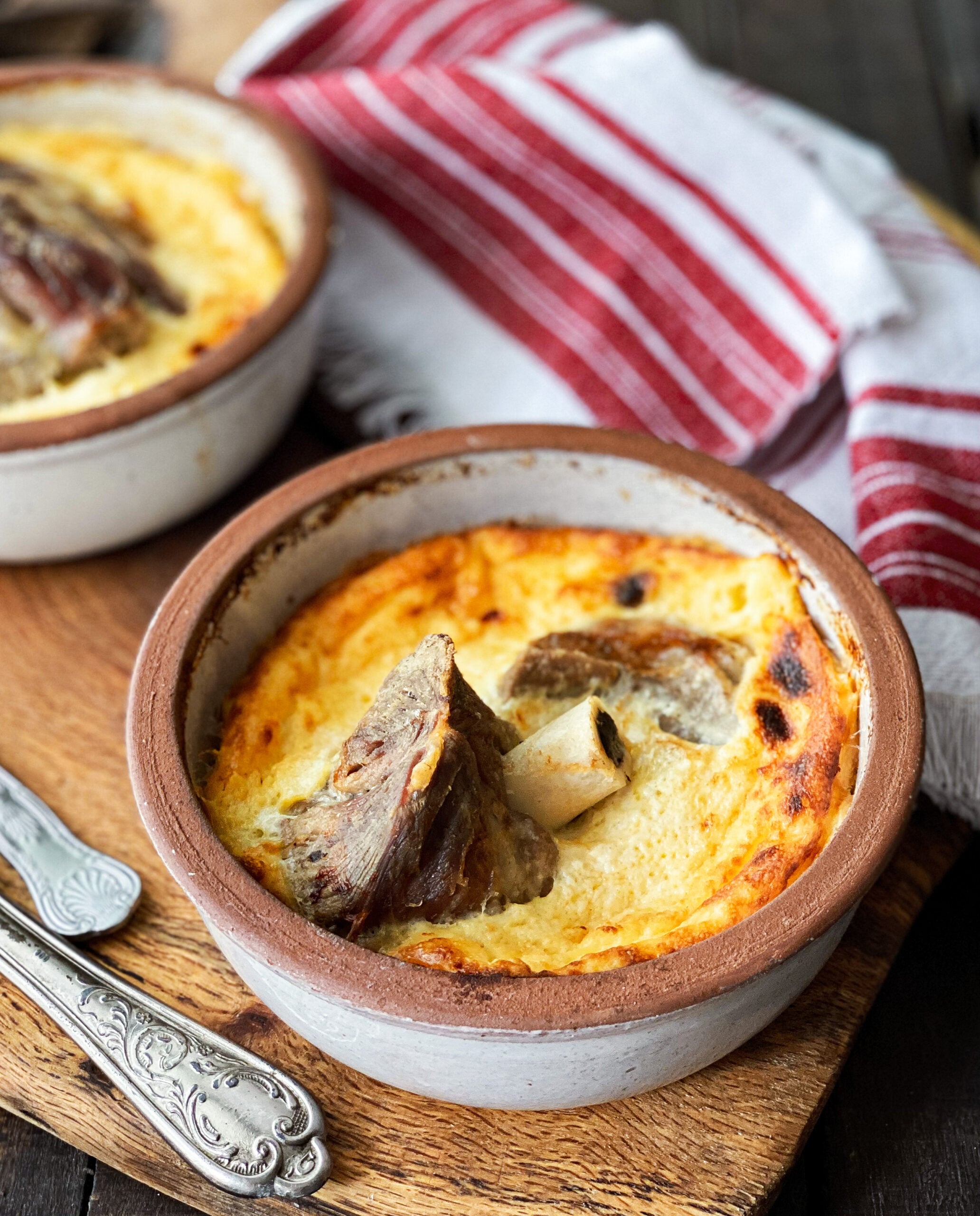
Albanian cuisine sits in a culinary blind spot between the Balkans, the Mediterranean, and the Ottoman legacy. Because neighboring countries often dominate the conversation, Albania's food is frequently overlooked, even though it offers some of the region's most appealing and accessible dishes.
Its strengths are clarity and seasonality. Olive oil, yogurt, peppers, beans, lamb, fresh cheese, and wild herbs appear often, especially in rural cooking. Tavë kosi, a baked lamb and yogurt dish, captures the cuisine's gift for turning simple ingredients into something deeply comforting.
The coastline also matters. Seafood along the Albanian Riviera tends to be lighter and more Mediterranean, while inland dishes are heartier and shaped by pastoral traditions. That variety gives the cuisine a wider range than outsiders usually expect.
Perhaps the biggest surprise is how contemporary Albanian food can feel. It favors grilled meats, vegetable-forward sides, brined cheeses, and restrained seasoning that lets ingredients speak clearly. In an era when many diners want honest, regional cooking, Albania should be attracting much more attention.
Laotian cuisine
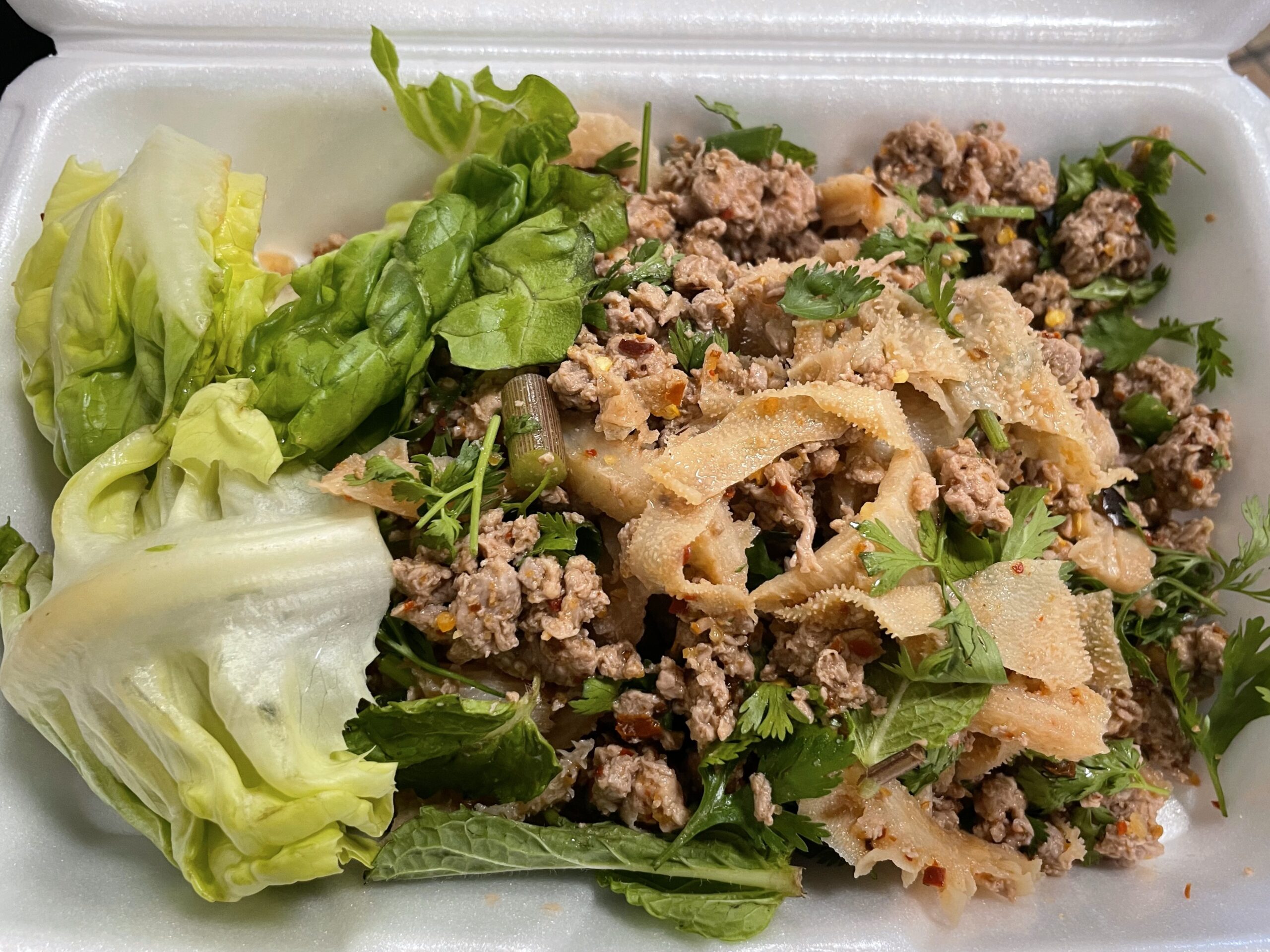
Laotian food often gets overshadowed by Thai and Vietnamese cuisines, but it has a distinct identity that deserves independent recognition. If Thai food often leans polished and Vietnamese food often highlights freshness, Lao cooking frequently feels earthier, smokier, and more fermented.
Sticky rice is the emotional and practical center of the table. It is rolled by hand, dipped into sauces, and eaten with grilled meats, herbs, and relishes. That tactile style shapes the meal in a way that is very different from neighboring rice traditions.
Larb is one of the cuisine's signature dishes, but in Laos it is broader and more nuanced than versions many people know abroad. Toasted rice powder adds nutty aroma, herbs bring freshness, and lime, fish sauce, and chilies create sharp definition rather than blunt heat.
Fermented fish sauce, bitter greens, fresh herbs, and char-grilled flavors appear again and again. The cuisine is highly expressive without being flashy. Once people taste dishes like tam mak hoong, a punchy green papaya salad, it becomes obvious that Laos deserves much more culinary attention.
Kerala cuisine
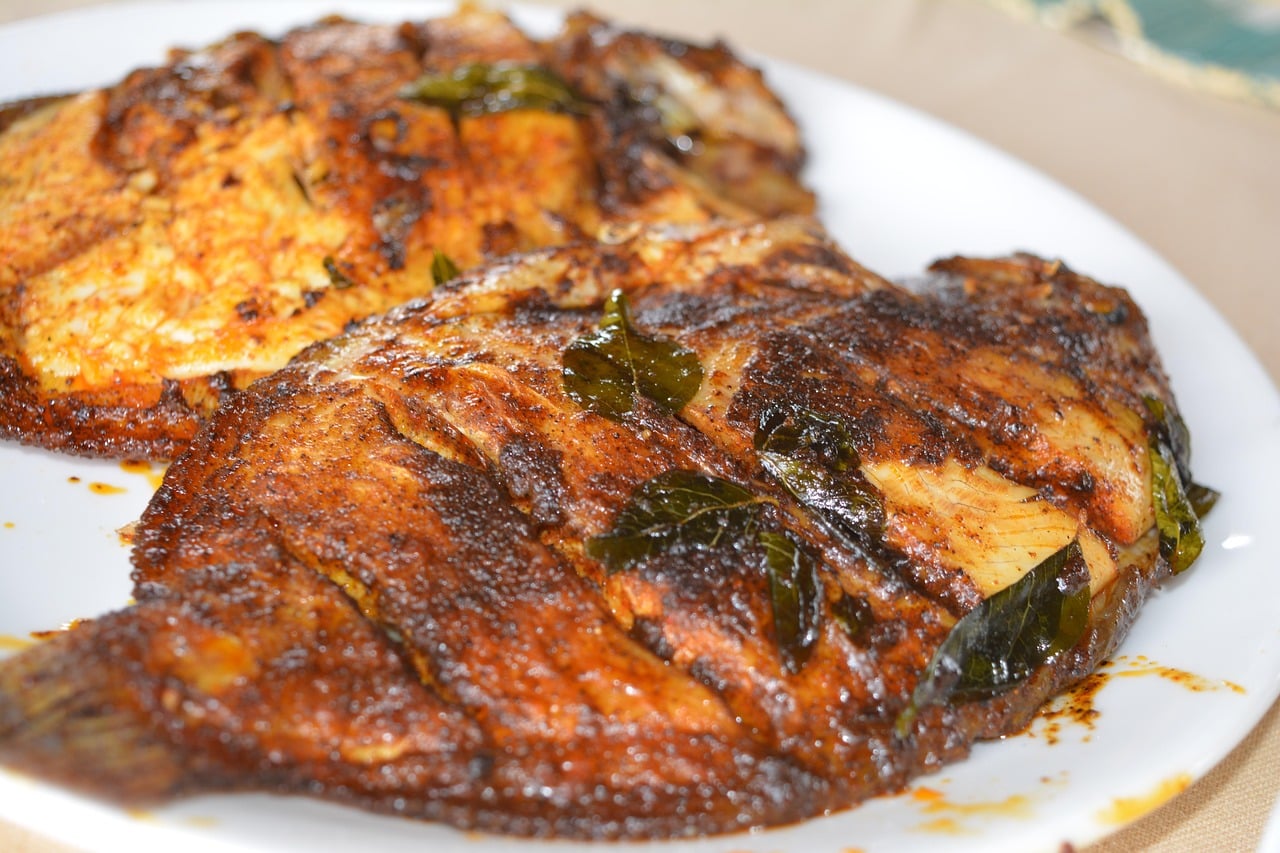
Kerala, on India's southwestern coast, has one of the subcontinent's most distinctive regional cuisines, yet it is still overshadowed internationally by North Indian restaurant staples. That is unfortunate because Keralan food offers a dramatically different expression of Indian cooking.
Coconut, black pepper, curry leaves, tamarind, seafood, and rice define much of the table. These ingredients reflect both geography and history, including centuries of spice trade with Arab, European, and other Asian merchants. Few regional cuisines show maritime influence so clearly.
The range is striking. There are Syrian Christian stews enriched with coconut milk, Muslim Malabar biryanis scented differently from northern versions, and Hindu vegetarian dishes built around banana, yam, lentils, and jackfruit. Appam with stew is a particularly elegant pairing of softness and spice.
Kerala also handles heat with finesse. Chilies matter, but so do aroma, sourness, and the nutty depth of toasted spices. Whether in a fish molee or a beef fry with curry leaves and coconut slivers, the cuisine proves that complexity does not need excess to feel unforgettable.


Leave a Reply