
Shoppers are noticing it block by block. What looked like a quiet growth story has turned into one of retail's biggest surprises.
Why the chain's growth is turning heads

The speed of this expansion stands out because grocery retail is usually slow, expensive, and intensely local. Opening stores requires real estate, refrigeration, logistics, labor, and steady customer demand. Yet this discount chain has managed to add locations at a pace that rivals some of the most aggressive retailers in the country.
Industry observers have pointed to chains such as Aldi and Grocery Outlet as examples of this momentum, with Aldi in particular announcing major U.S. expansion plans in recent years. According to company statements, the retailer has continued adding stores in both established suburbs and underserved neighborhoods. That broad approach matters because it creates reach without depending on one type of shopper.
What makes the story more striking is timing. Many traditional grocers are dealing with tighter margins, stubborn food inflation, and changing shopping habits. In that environment, a fast-growing discounter is not just expanding. It is exploiting a moment when consumers are more willing than ever to switch loyalties in exchange for lower weekly bills.
The business model is built for this moment
At the center of the strategy is a simple idea: keep costs low enough that low prices become structural, not promotional. These chains often run smaller stores, carry fewer products, and rely heavily on private-label goods. That strips away costs tied to giant assortments, expensive displays, and constant discounting on national brands.
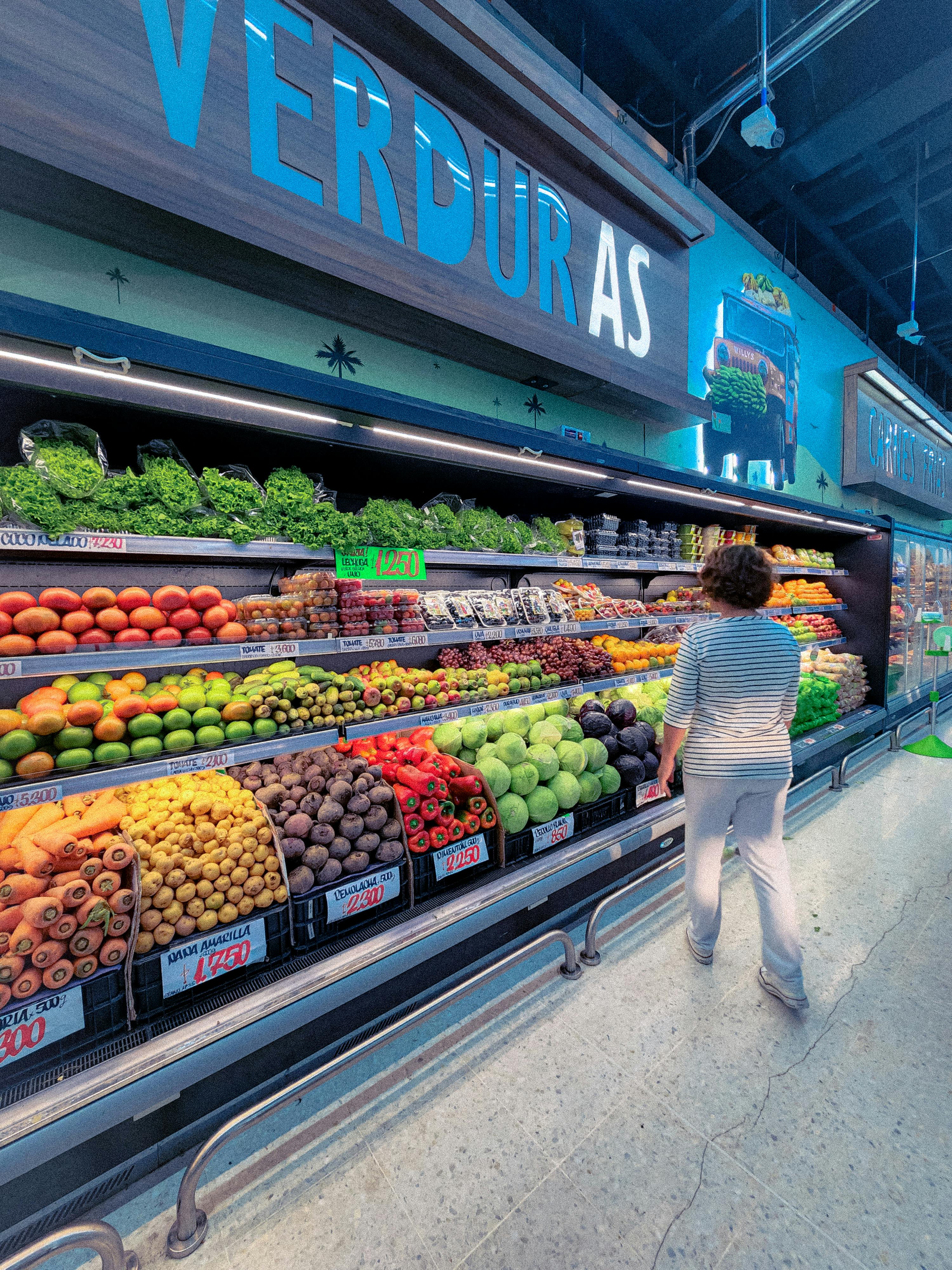
Shoppers may find fewer choices on the shelf, but they also tend to find lower prices on staples such as milk, eggs, bread, produce, and frozen foods. In many markets, that trade-off is becoming easier to accept. Households under pressure are prioritizing value over variety, especially for routine purchases.
The operating model also helps on staffing and distribution. Smaller footprints require fewer workers per store, and streamlined inventories simplify replenishment. That efficiency becomes a real advantage when labor remains costly and supply chains are still vulnerable to disruptions that can punish more complicated supermarket formats.
Inflation changed who shops at discount grocers

The old assumption was that discount supermarkets mainly served lower-income households. That is no longer true. Years of price increases on groceries, rent, insurance, and utilities have pushed middle-income consumers to rethink where they shop and what they are willing to pay for familiar items.
That shift has widened the customer base dramatically. A shopper who once visited a discount grocer only for pantry basics may now do a full weekly trip there. Others use it as part of a hybrid strategy, buying essentials at the discounter and filling in specialty items elsewhere.
This broadening appeal gives the chain unusual resilience. It is not relying on one narrow demographic segment. It is benefiting from a consumer mindset that has become more value-conscious across the board, even among households that previously favored mainstream regional supermarkets or premium grocery brands.
Real estate and scale are fueling the rollout

Expansion at this speed does not happen by accident. Retailers that grow quickly usually have a disciplined real estate playbook, and discount grocers are proving especially effective at finding practical sites. They often fit into smaller boxes, former retail spaces, and secondary corridors where rents are lower and competition is less intense.
That flexibility opens up markets that may not work for larger supermarket operators. A full-size grocer might need a massive footprint and heavy parking investment. A discount chain can enter with a leaner format and still deliver a compelling value proposition to nearby residents.
Scale then reinforces the model. As store counts rise, the retailer gains purchasing power, strengthens distribution density, and spreads overhead across more locations. Each new cluster of stores can make the next one easier to support, turning expansion from a gamble into a compounding advantage.
Competitors are being forced to respond

Established supermarket chains are not ignoring this. Many have leaned harder into loyalty pricing, private-label development, and store-brand marketing in response to discounters' gains. Some are remodeling stores to emphasize value, while others are experimenting with smaller formats meant to capture convenience without surrendering margin completely.
Still, matching a true discount operator is difficult. Traditional grocers often carry legacy costs tied to larger stores, broader inventories, unionized labor in some regions, and more complex supply chains. They can promote select bargains, but reproducing a low-cost model from top to bottom is a much tougher task.
That is why the expansion matters beyond one chain's store count. It is pressuring the entire sector to rethink pricing, assortment, and efficiency. In effect, the discount grocer is not just winning customers. It is setting the pace for what grocery competition increasingly looks like.
What this means for shoppers and the industry

For consumers, the immediate impact is clear: more neighborhoods will gain access to lower-priced groceries. That can be especially meaningful in areas with limited competition or where food costs consume a disproportionate share of household budgets. Even shoppers who never switch may benefit if nearby rivals cut prices to stay relevant.
For the industry, the bigger question is durability. If inflation cools, some shoppers may return to larger supermarkets for selection and convenience. But many will remember which stores helped them stretch a budget when it mattered, and those habits can persist long after the crisis phase fades.
That is why this expansion is drawing so much attention. It reflects more than an ambitious store-opening plan. It captures a structural shift in how Americans shop for food, how retailers compete for trust, and how value has become one of the most powerful growth engines in modern grocery retail.




Leave a Reply