
You may be paying more without realizing you are getting less. The change is often so subtle that even careful shoppers miss it.
The package still looks the same, but the amount inside is not

At first glance, many products appear unchanged. The cereal box is the same height, the chip bag fills the same shelf space, and the ice cream tub still carries the familiar label.
What changes is the net weight, volume, or count. A 16-ounce box becomes 14.5 ounces. A pack of paper towels loses a few sheets per roll. A carton of eggs marketed as a value buy may switch pack sizes or branding in ways that distract from the actual unit amount.
Consumer advocates and retail analysts have tracked this tactic for years. It is commonly called shrinkflation, and it surged during the recent inflation cycle as manufacturers faced higher costs for labor, ingredients, packaging, and transportation. Rather than shock shoppers with a visible price jump, companies often trim quantity first.
Design tricks make downsizing harder to notice

Packaging is doing a lot of the work. Food brands frequently redesign labels, add bright promotional bursts, or change container shapes at the same time they reduce the amount inside.
A narrower jar can still look tall and generous. A bag with a wider gusset may stand up better while containing fewer ounces. In frozen foods, molded trays and thicker packaging inserts can create the impression of a full portion even when the edible contents have dropped.
This works because most people shop quickly. Research in consumer behavior has repeatedly shown that buyers rely on visual cues, brand familiarity, and habit more than fine-print weight comparisons. Grocery stores benefit because products that seem stable are less likely to trigger price resistance.
Grocery aisles are full of quiet examples
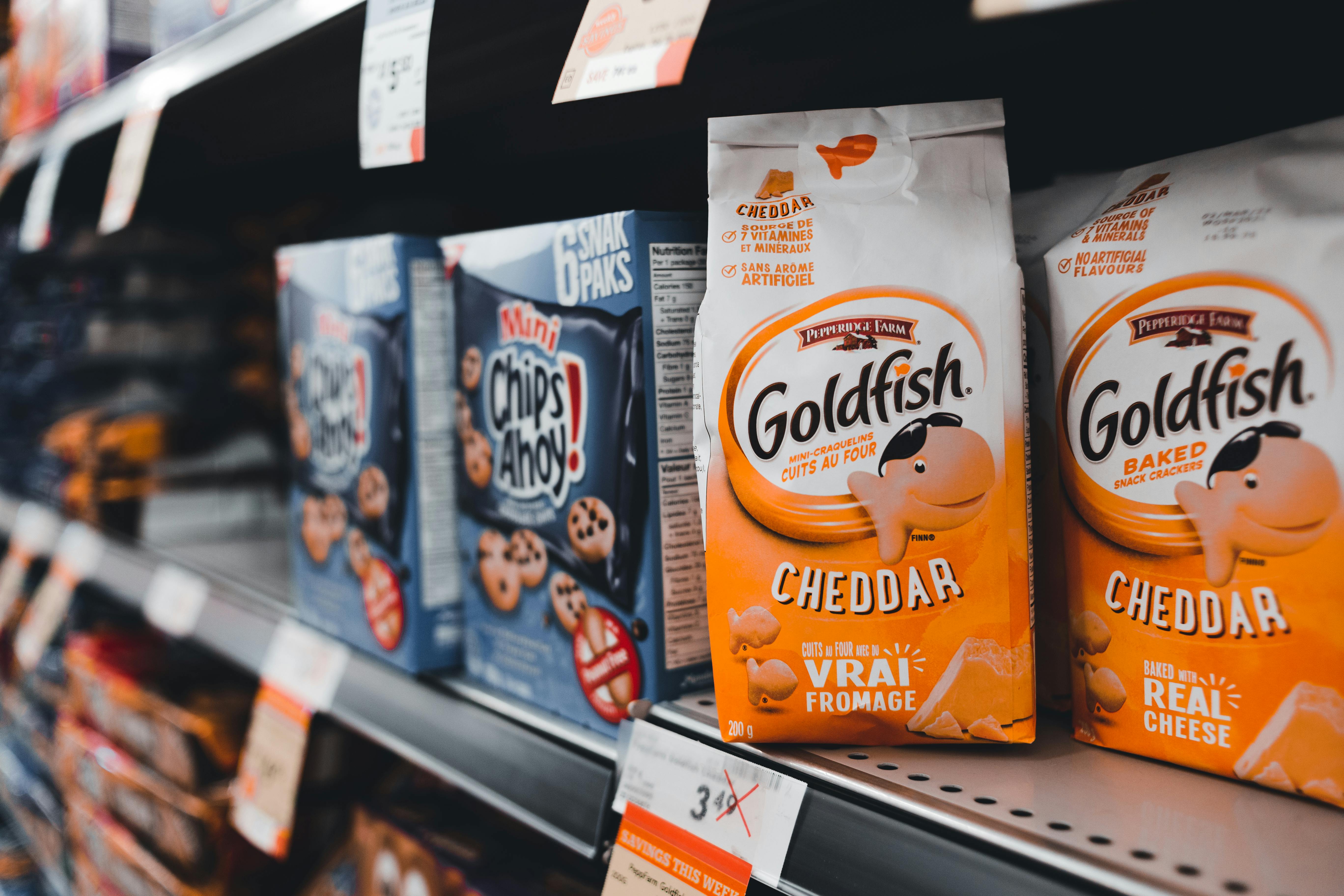
Snacks are among the most obvious categories. Potato chip bags, crackers, cookies, and candy frequently lose a few ounces while maintaining nearly identical packaging dimensions.
Breakfast staples have seen similar changes. Coffee containers have moved from traditional pound sizes to 11 or 10.3 ounces. Orange juice has shifted from 64 ounces to 59 and then to 52 in many cases. Ice cream, once commonly sold in ½ gallon cartons, has often been resized to 48 ounces or less.
Household basics are affected too. Laundry detergent caps are recalibrated, toilet paper roll counts are redefined, and yogurt multipacks may keep the same carton size while reducing cup volume. These changes are spread across many categories, which makes the overall impact on a family budget easy to underestimate.
Stores and brands have strong incentives to do it
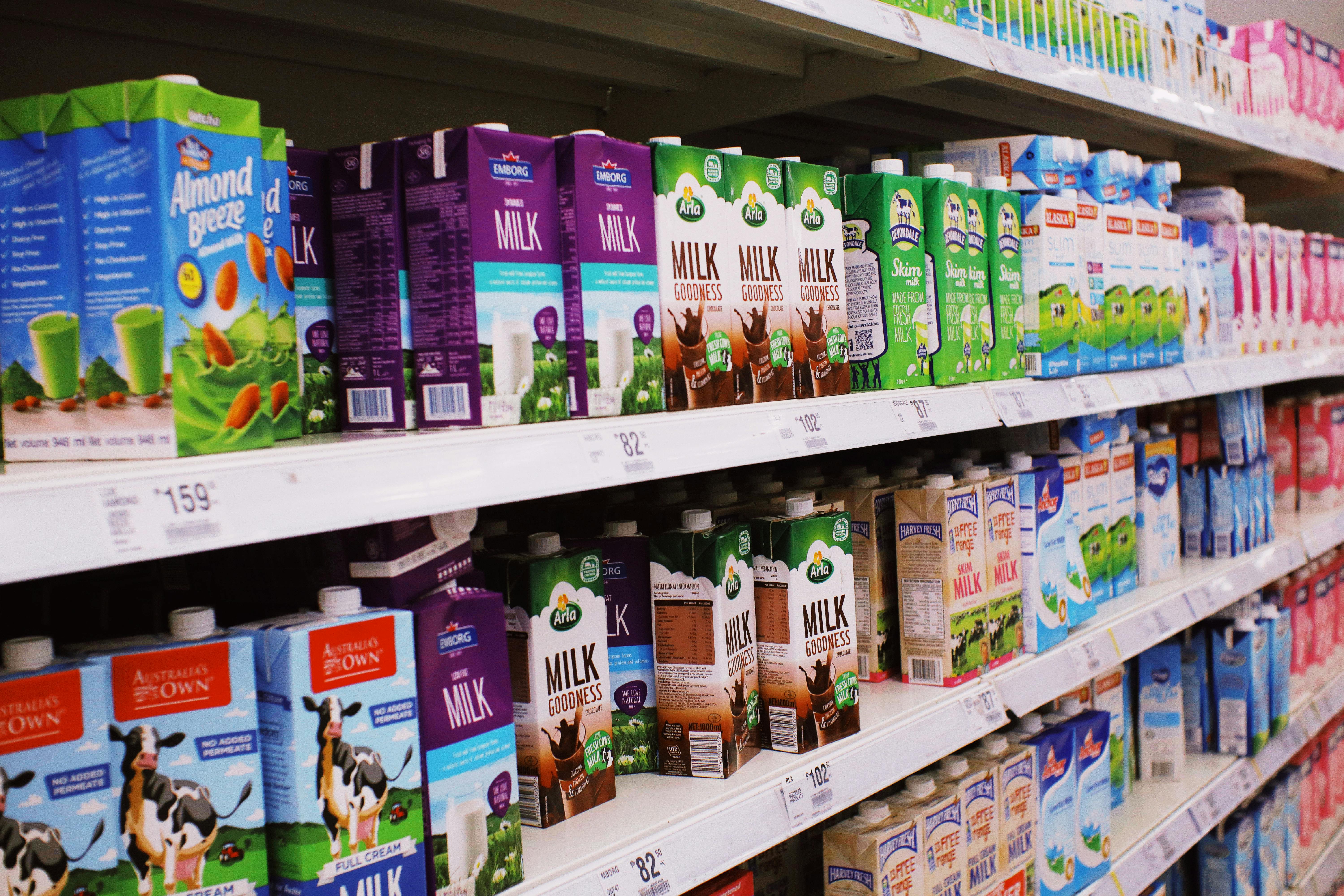
Retailers know shoppers are highly sensitive to sticker price. A product priced at $4.99 tends to feel more acceptable than one bumped to $5.49, even if the smaller package makes the real cost per ounce worse.
Manufacturers also face fierce shelf competition. If one brand raises price directly while another trims quantity quietly, the higher sticker price can look like a bad deal even when the two products are effectively moving in the same direction. That creates pressure across the industry.
There is also a strategic benefit in timing. Size reductions often appear during label refreshes, seasonal resets, or recipe changes. By bundling multiple adjustments together, companies reduce the odds that shoppers will remember the previous size and compare it carefully.
The best defense is to shop by unit price, not package

The small shelf tag is one of the most useful tools in the store. Unit pricing, usually shown as cost per ounce, pound, quart, or sheet, reveals whether a familiar item has quietly become more expensive in practical terms.
This matters because larger-looking packages are not always better values. A sale tag can create urgency while masking a weaker per-unit deal. Bulk packages can also disappoint if the count drops or if the product contains more air, water, or filler than before.
Keeping a short mental list helps. Track the usual size and unit price of the products you buy most often, especially coffee, cereal, snacks, detergent, and frozen foods. Once you know the baseline, subtle reductions become much easier to catch.
Shrinkflation is legal, but transparency remains a real issue

In most markets, reducing package size is legal as long as the label accurately states the contents. The problem is not always deception in the strict legal sense. It is that the presentation can make meaningful changes easy to overlook.
Regulators and consumer groups have periodically called for clearer disclosure when package sizes shrink. Some lawmakers have pushed for more visible notices, arguing that shoppers deserve straightforward information when a standard household item is reduced without a corresponding redesign in price communication.
For now, the burden largely remains on the consumer. The good news is that once you start checking count, weight, and unit price, the pattern becomes hard to miss. What feels sneaky at first becomes a shopping signal you can spot in seconds.




Leave a Reply