
Costco memberships used to feel simple. Now, in Canada, the rules are becoming more visible at the door, at checkout, and online.
Membership checks are becoming harder to ignore
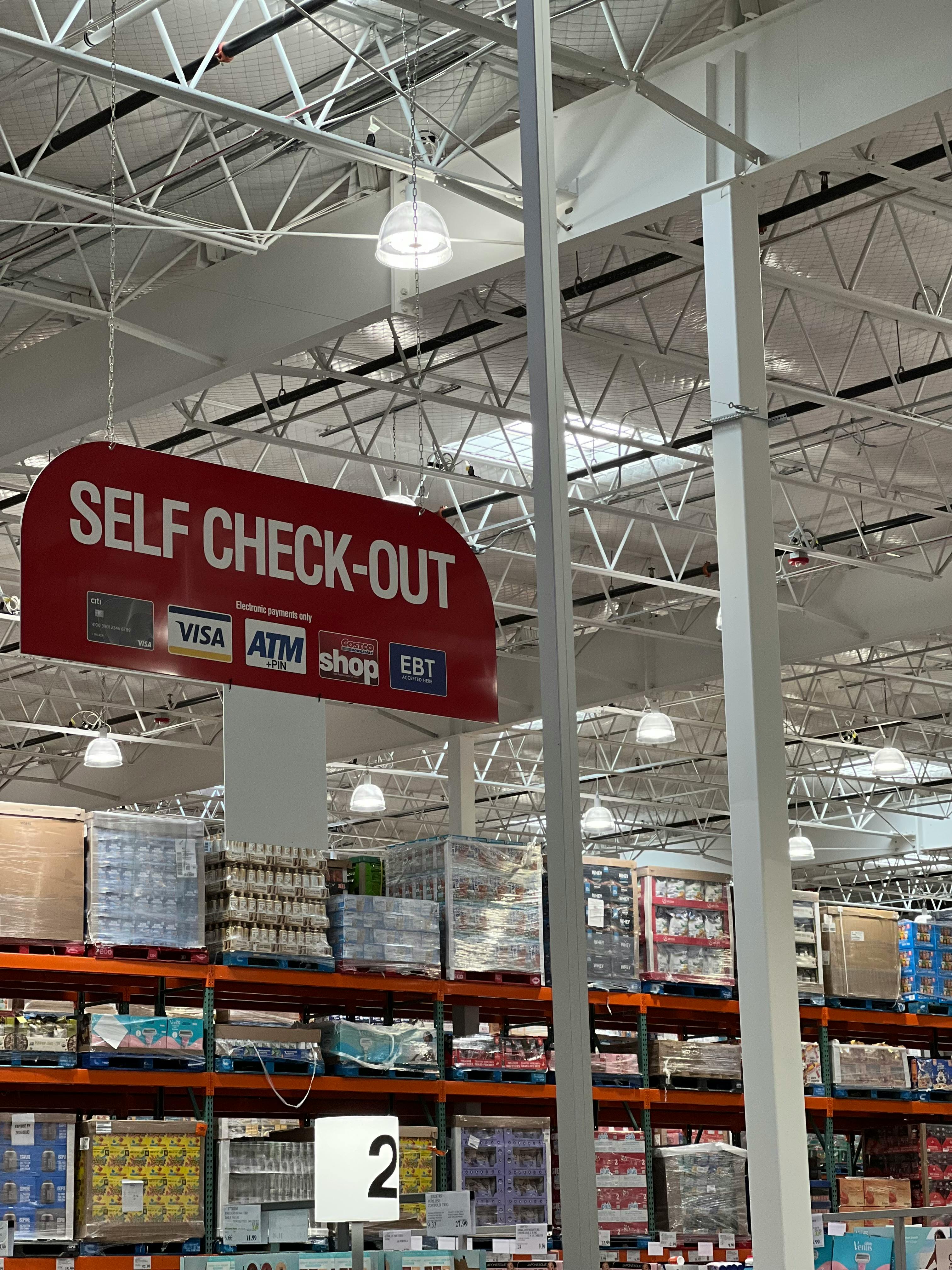
The most noticeable shift for many shoppers is stricter card verification at warehouse entrances. Canadian members have reported more frequent requests to show a physical or digital membership card, not just when paying, but before entering the store.
This reflects a broader Costco effort to ensure only paying members use the warehouse experience. In recent years, the company has spoken publicly about cracking down on card sharing, especially after digital cards made it easier for non-members to borrow access.
In practical terms, that means front-door staff are playing a larger gatekeeping role. Shoppers who once walked in with a family member's card or relied on a quick wave-through may now face a more consistent identity check.
For legitimate members, the process is minor but meaningful. It signals that Costco Canada is treating membership less like a loose courtesy and more like a controlled subscription product with enforceable access rules.
Digital membership is now part of the real membership experience

A second quiet change is how important the Costco app has become. The digital membership card is no longer a convenience feature for occasional use. For many members, it is becoming a standard part of how Costco expects customers to prove status and manage their account.
That matters because digital tools give Costco more control and better visibility. A live app-based card can be updated, verified, and tied more closely to an individual account than a plastic card passed between relatives or friends.
It also helps explain why members are being nudged toward app adoption. Warehouse clubs increasingly rely on digital ecosystems to handle renewals, purchase history, pharmacy information, and promotional messaging in one place.
For shoppers, this can be useful, but it comes with tradeoffs. Members who are less comfortable with smartphone-based access may find that the warehouse experience is slowly being redesigned around digital verification rather than paper-based habits.
Household sharing rules are getting more attention

One of the most misunderstood parts of Costco membership has always been who, exactly, can use it. Costco Canada still allows a primary member and one additional household cardholder on many memberships, but that benefit is narrower than some shoppers assumed.
The key word is household. The extra card is generally intended for someone living at the same address, not an adult child in another city, a neighbor, or a friend who splits bulk purchases. Enforcement appears to be getting more deliberate.
That does not necessarily mean a sweeping rewrite of policy. Rather, Costco is emphasizing rules that were already there but not always tightly policed in day-to-day shopping. Quiet enforcement can feel like a policy change even when the printed terms remain similar.
This matters most for families who stretched one account across several people. As verification improves, those informal arrangements become harder to maintain without each user holding a valid membership of their own.
Online access and member pricing are more tightly connected

Another important shift is the way membership status increasingly shapes the online shopping experience. Costco Canada has long separated some member and non-member pricing, but consumers are seeing a clearer divide between browsing and receiving full value.
In effect, membership is becoming a more integrated identity layer across channels. The company can connect warehouse access, e-commerce eligibility, renewals, and exclusive offers through the same account rather than treating online shopping as a looser extension of the store.
That strategy matches what many subscription-based retailers are doing. The more tightly a customer's benefits are tied to one verified profile, the easier it becomes to reduce abuse and encourage renewals.
For consumers, the result is subtle but important. Shopping at Costco is no longer just about having a card in your wallet. It is increasingly about having a verified account that follows you across every touchpoint.
Why Costco is making these changes now

At first glance, stricter membership control may seem unfriendly. In reality, it reflects a simple business calculation. Membership fees are a major source of profitability for warehouse clubs, often providing steadier margins than the goods on the shelves.
When non-members gain access through borrowed cards, Costco loses part of the economic model that keeps prices competitive. Protecting paid membership is therefore not just administrative housekeeping. It is central to the company's value proposition.
There is also a fairness argument. Members who pay annual fees expect exclusivity, efficient checkout lines, and access to limited-stock deals without extra crowding from unauthorized shoppers.
Seen that way, the Canadian changes are not random. They fit a larger retail pattern in which companies are tightening subscription benefits, verifying user identity more carefully, and using digital tools to enforce rules that once relied on trust.
What Canadian members should do next

For most people, the best response is simple. Make sure your membership is current, your account details are accurate, and your digital card is set up in the Costco app before your next warehouse visit.
If your household has been informally sharing one account beyond Costco's allowed structure, this is the moment to review the rules. What worked casually in the past may now trigger delays at the entrance or checkout.
It is also smart to confirm that the name, photo, and address information attached to the account reflect current reality. Small mismatches can become more noticeable when staff are asked to verify identity more consistently.
The bigger takeaway is clear. Costco Canada is not reinventing membership from scratch, but it is making the system more enforceable, more digital, and more personal to each paying member. Quietly, that changes the shopping experience.




Leave a Reply