
Canadians have spent years looking for relief at the checkout. Now one of the country's biggest grocers is making a move that could ripple through grocery bills nationwide.
Why This Loblaws move matters right now

The timing is not accidental. Food inflation has cooled from its sharpest peaks, but grocery prices are still far above where many households were just a few years ago. That means shoppers are no longer reacting only to price spikes. They are changing habits permanently, buying fewer impulse items, trading into store brands, and splitting trips across multiple retailers to chase value.
Loblaws appears to understand that this is the new normal. Its recent push to lean harder into value messaging, discount formats, and private-label strength is more than a marketing adjustment. It reflects a deeper strategic shift aimed at keeping cost-conscious shoppers inside the Loblaw ecosystem instead of losing them to Walmart, Costco, Giant Tiger, or hard discount chains.
For consumers, that matters because large retailers do not make these decisions in isolation. When a market leader intensifies competition around price, promotions, and cheaper alternatives, other grocers often respond. In practical terms, that can affect flyer deals, shelf pricing, loyalty offers, and even how aggressively stores promote house brands over national labels.
The role of discount banners and private labels
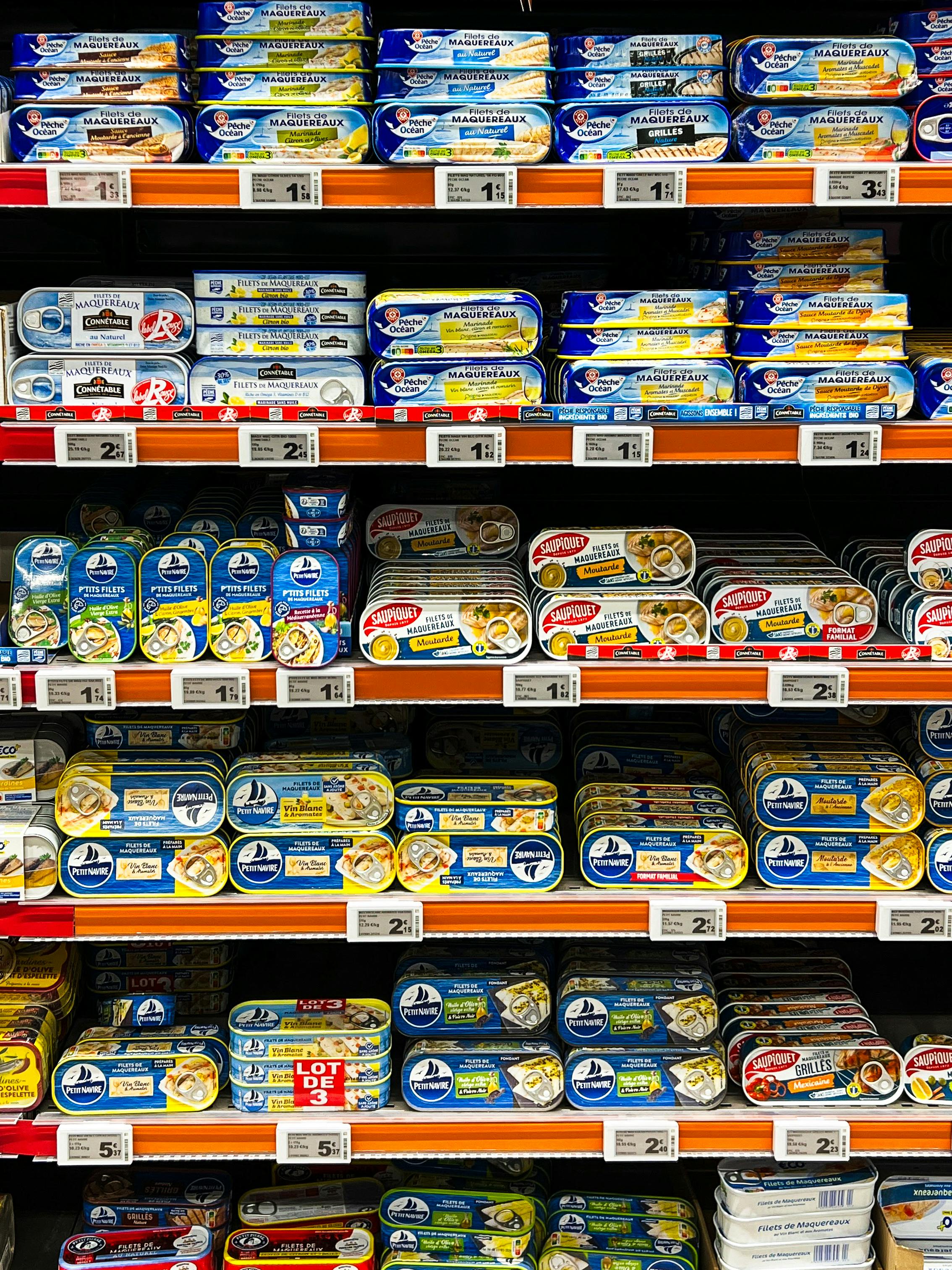
One important piece of this strategy is the company's growing emphasis on discount-oriented shopping. In Canada, Loblaw already operates banners that appeal to different income levels, but value has become a much more central selling point across the board. That includes sharper messaging around No Frills, expanded attention to everyday low prices, and heavier promotion of products designed to look like sensible swaps for more expensive branded goods.
Private label is a key lever here. President's Choice has long been positioned as quality-driven, while No Name is built around simplicity and price. In a stretched economy, that two-brand system becomes especially powerful. It allows Loblaw to capture shoppers who still want premium convenience in some categories while also serving households that are looking for the cheapest acceptable option in staples like pasta, canned goods, frozen vegetables, and household basics.
That matters on the receipt level. If more consumers substitute even 5-10 items per trip from national brands to lower-priced private-label equivalents, weekly totals can fall meaningfully. Across a month, those savings become noticeable, especially for families buying lunchbox items, dairy, pantry staples, and cleaning supplies in high volumes.
What shoppers could see in stores

The most visible changes may not come from dramatic price cuts on every item. More often, they show up through shelf placement, digital offers, larger in-house signage, and targeted promotions that steer customers toward value-focused options. A shopper may enter for produce and leave with a basket shaped by loyalty app recommendations, multi-buy offers, and prominently displayed budget brands.
This is where consumer psychology meets grocery strategy. Retailers know that shoppers rarely judge affordability by auditing every SKU. They respond to cues such as front-page flyer deals, low-priced essentials, and whether enough familiar items feel reasonably priced. If Loblaws can improve that perception while preserving margins through private-label mix, it can influence spending without slashing prices across the entire store.
There is also a competitive signaling effect. When one major grocer broadcasts value more aggressively, rivals usually watch closely. That can lead to matching promotions on core staples like bread, eggs, butter, pasta sauce, and cereal, even if broader price levels remain elevated.
Why this does not guarantee cheaper groceries everywhere

Here is the reality shoppers should keep in mind: a retailer strategy shift does not automatically mean universal savings. Grocers still face higher labor, transportation, packaging, and supplier costs than they did before the inflation surge. Even when inflation slows, the baseline remains high. Prices may rise more slowly, but they do not necessarily return to old levels.
Loblaw also has to balance investor expectations with consumer pressure. Public companies cannot simply cut prices broadly without protecting profitability somewhere else. That usually means using selective discounts, better inventory management, loyalty personalization, and higher-margin house brands to create the appearance and partial reality of savings at the same time.
So the likely outcome is uneven relief. Some categories may become more competitive, particularly where store brands are strong or rival chains are applying pressure. Other items, especially heavily processed packaged foods or products tied to global commodity swings, may remain stubbornly expensive.
The wider pressure on Canada's grocery sector
This move lands in a market already under political and public scrutiny. Canada's grocery sector has faced sustained criticism over affordability, concentration, and profit levels. Executives from major chains have repeatedly defended their margins before lawmakers, while shoppers have grown more skeptical of pricing explanations that feel disconnected from everyday experience.
That environment changes how companies behave. A grocer under pressure is more likely to highlight price freezes, loyalty rewards, discounts on essentials, and internal efforts to improve value perception. According to industry analysts, that does not always transform the economics of food retail, but it can accelerate tactical changes that consumers notice at store level.
It also raises the stakes for execution. If Loblaws claims stronger value and shoppers do not feel it in their weekly bill, the strategy loses force quickly. But if enough customers see small, repeated savings, the company could strengthen loyalty at a time when household budgets remain fragile.
What consumers should do next

The smartest response is not blind optimism or cynicism. It is comparison shopping with more discipline. Watch whether Loblaws banners increase promotions on staple goods, whether No Name and President's Choice substitutions offer genuine value, and whether loyalty points improve the net cost of a normal weekly basket rather than a few headline items.
Shoppers should also separate marketing from measurable savings. A lower shelf tag means little if package sizes shrink or if discounts apply only when buying more than a household needs. The best test is simple: compare your full basket across two or three retailers over several weeks and track the totals.
If Loblaws' latest move sparks broader price competition, that could benefit consumers well beyond one chain. The real change may not be a sudden drop in grocery costs, but a retail environment where value matters more visibly, more often, and more competitively than it has in years.



Leave a Reply