
Some dinners solve a problem. This one becomes a habit.
A creamy Tuscan butter bean skillet delivers the kind of warmth, richness, and reliability that makes repeat cooking feel like a smart decision rather than a fallback.
It Delivers Comfort Without Feeling Heavy
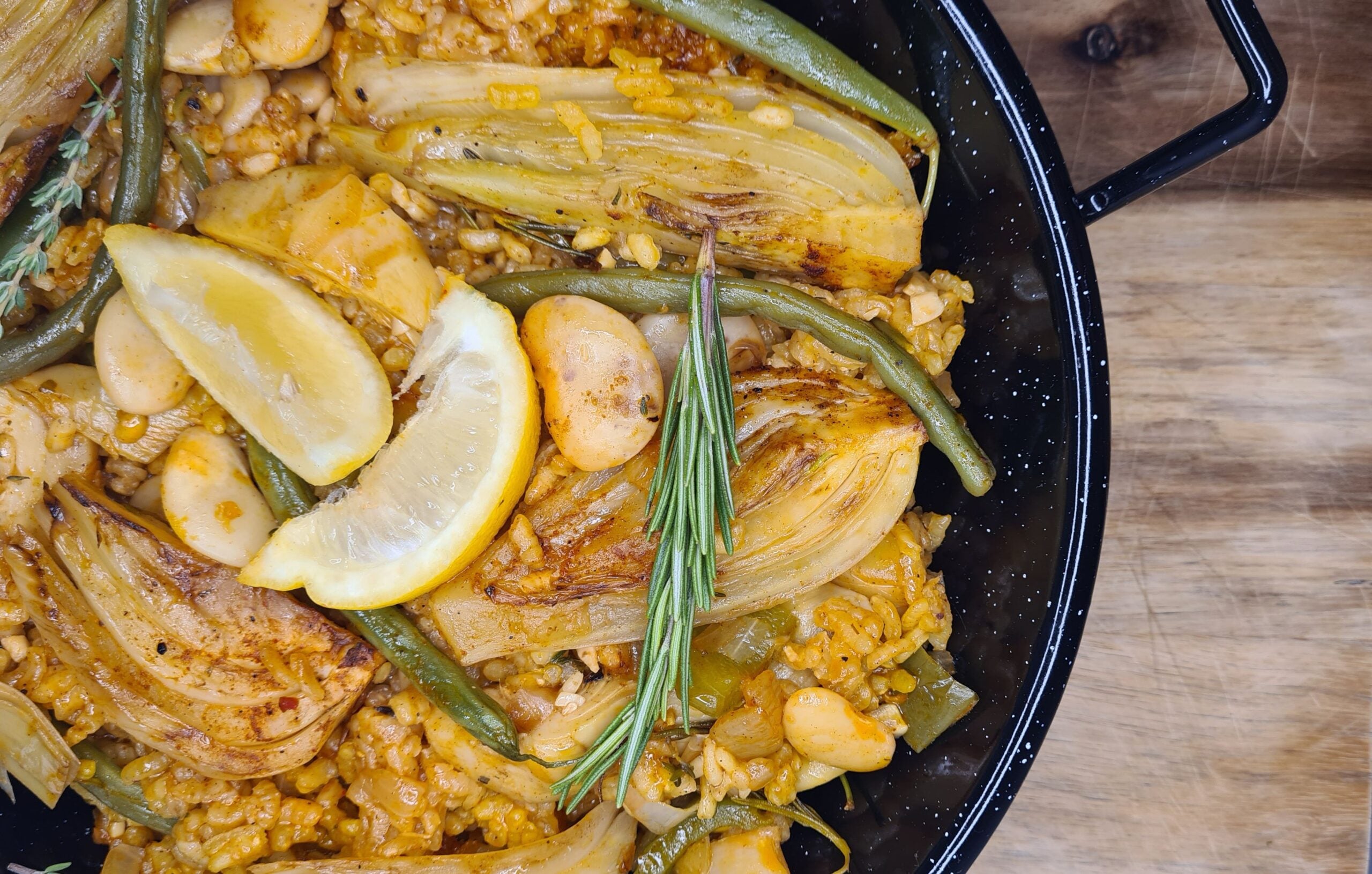
What makes this skillet stand out is its ability to taste indulgent without becoming overly rich. Butter beans have a naturally velvety texture, so they create body and creaminess even before dairy or coconut milk enters the pan. That means the final dish feels luxurious, but it does not sit on the stomach the way some cream-based dinners can.
The Tuscan flavor profile does a lot of work here. Garlic, onion, Italian herbs, sun-dried tomatoes, and greens create contrast against the mild beans, giving the dish layers that keep each bite interesting. In many home kitchens, that balance is what separates a one-time recipe from a true staple.
Nutrition also helps explain the appeal. Beans are widely recognized for offering fiber, plant protein, potassium, iron, and slow-digesting carbohydrates. According to guidance from major public health institutions, meals built around legumes can support fullness and heart health, making this skillet a comfort food that aligns with everyday wellness goals.
The Ingredient List Is Practical and Budget Friendly
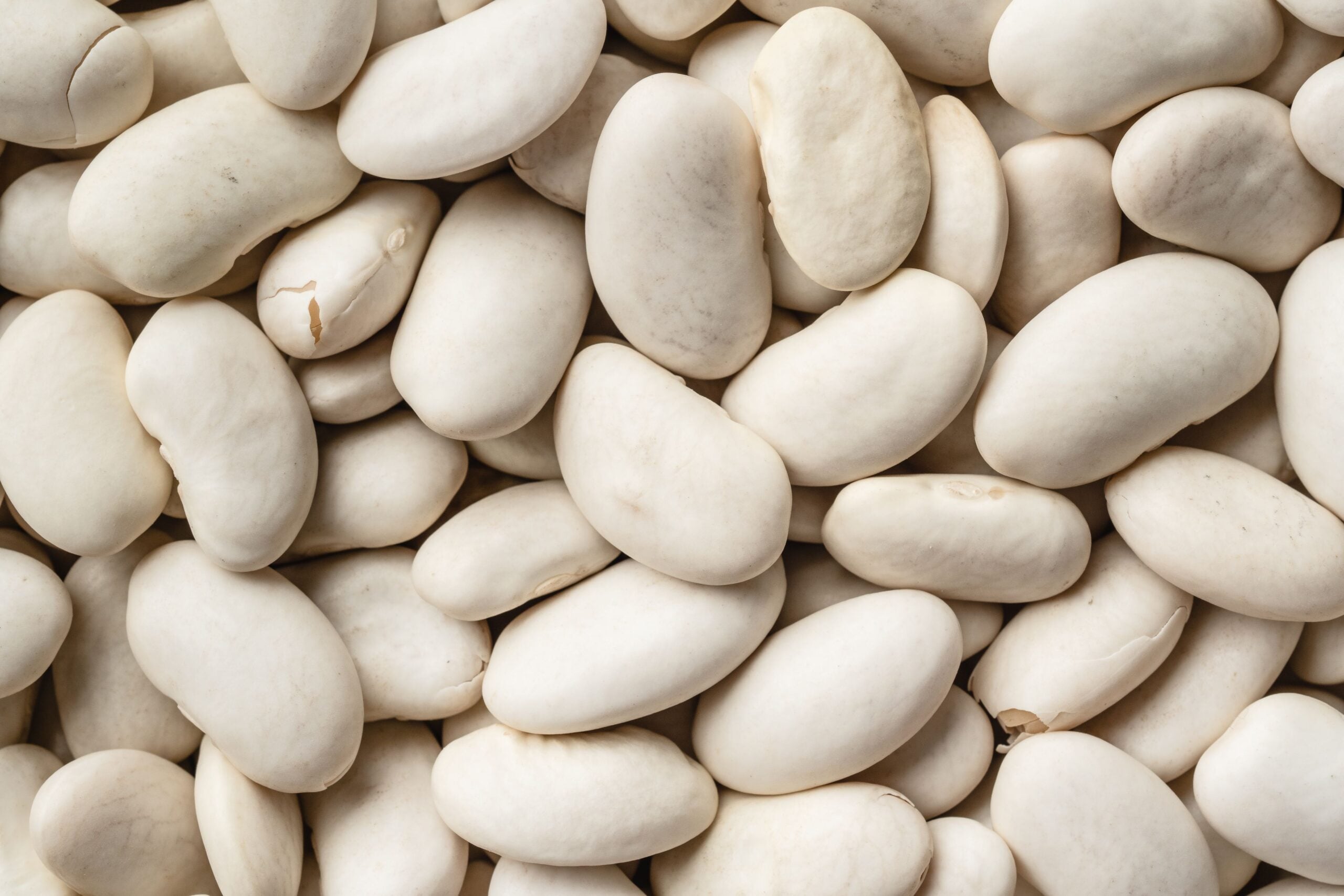
A great dinner rotation recipe must be easy to shop for, and this one succeeds because most of its ingredients are accessible year-round. Canned butter beans, broth, garlic, spinach or kale, cream, Parmesan, and jarred sun-dried tomatoes are staples in many supermarkets. Even in smaller stores, close substitutes are usually easy to find.
Cost matters just as much as flavor. Compared with meat-forward skillet dinners, a bean-based meal can feed more people for less money while still feeling substantial. A couple of cans of beans and a handful of pantry ingredients can often stretch into four servings, which makes this recipe especially useful during busy weeks when takeout is tempting.
It also minimizes waste. Spinach nearing its end, leftover cream, half an onion, or a small wedge of cheese can all be folded into the skillet. That flexibility makes it a strong example of practical home cooking, where smart ingredient use is just as valuable as presentation.
It Comes Together Fast on Busy Nights
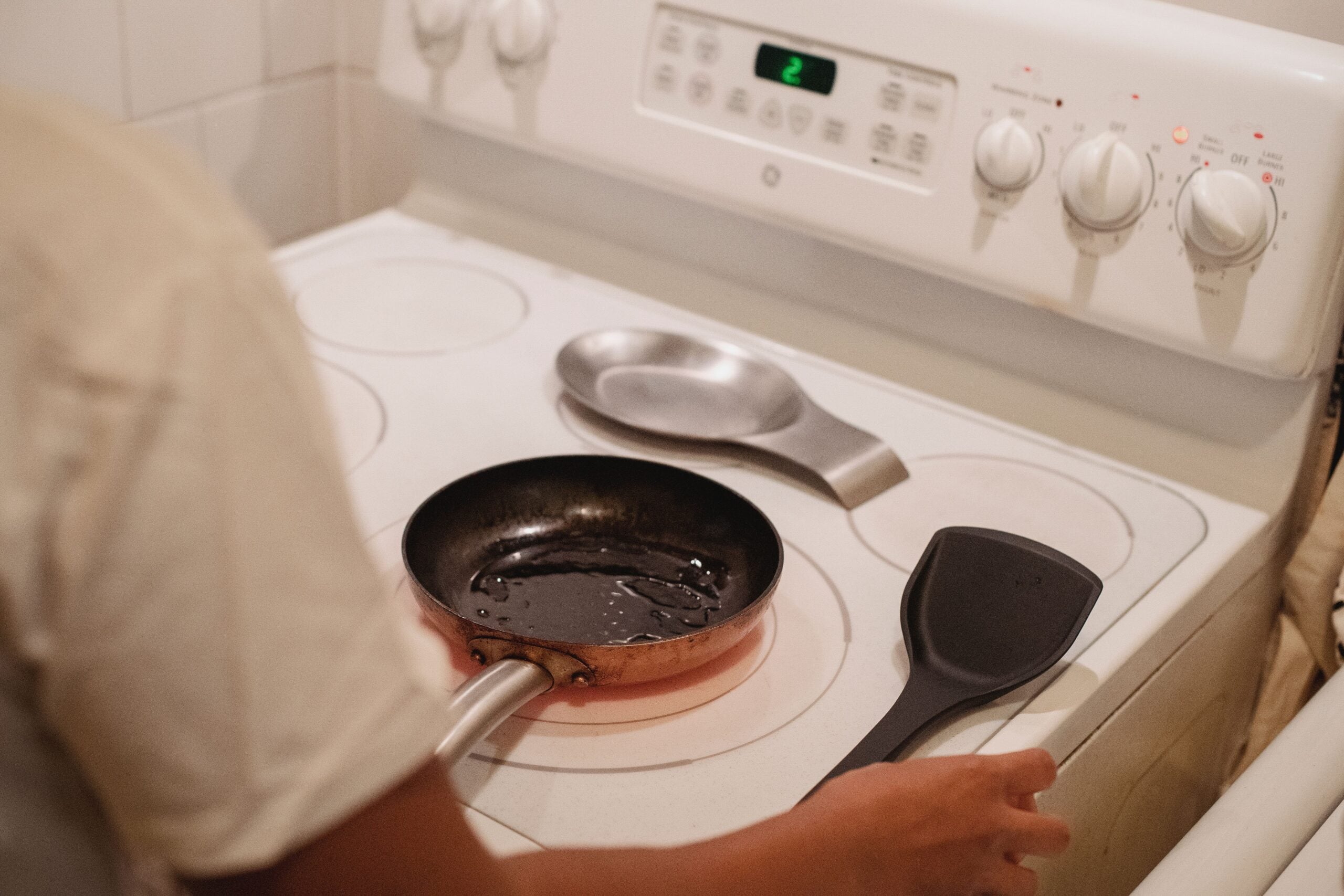
Weeknight success often comes down to timing, and this dish is built for speed. Most versions come together in about 25 to 30 minutes, including sautéing aromatics, simmering the sauce, and warming the beans through. For households juggling work, school pickups, and late activities, that timeline matters.
The cooking method is also forgiving. You build flavor in one pan, which reduces cleanup and makes the recipe approachable for less experienced cooks. If the sauce thickens too much, broth can loosen it. If it seems too thin, a few extra minutes of simmering usually solves the issue without fuss.
That ease has made skillet meals increasingly popular with home cooks and recipe developers alike. One-pan dinners consistently perform well in food media because they answer a real need: meals that feel complete without requiring multiple pots, advanced technique, or a long list of steps.
It Is Easy to Adapt to Different Tastes
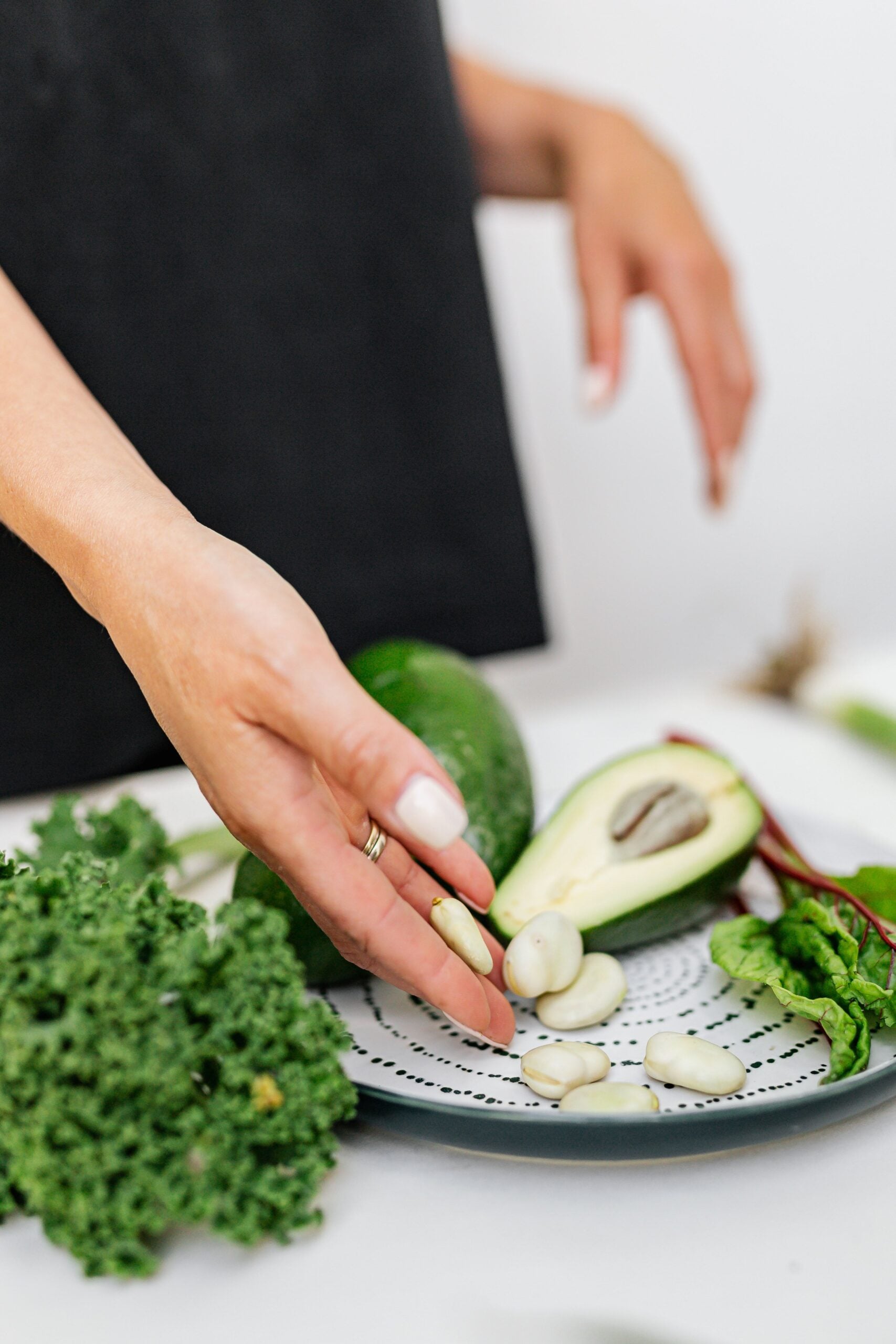
One of the smartest things about a creamy butter bean skillet is how easily it changes shape. Want more protein? Add shredded rotisserie chicken or browned Italian sausage. Prefer a vegetarian version? Keep the beans front and center and deepen the flavor with mushrooms, extra herbs, or a spoonful of white miso.
The greens can shift with the season. Baby spinach melts quickly into the sauce, while kale adds chew and structure. Swiss chard works beautifully too, especially when its stems are sliced thin and cooked with the onions. That range allows the dish to fit what is available, affordable, or already in the refrigerator.
Even the creamy element is flexible. Heavy cream creates classic richness, but half-and-half, crème fraîche, or a cashew-based cream can work well depending on dietary needs. This kind of adaptability is a major reason recipes like this stay in circulation long after trendier meals fade.
It Feels Impressive Enough for Company
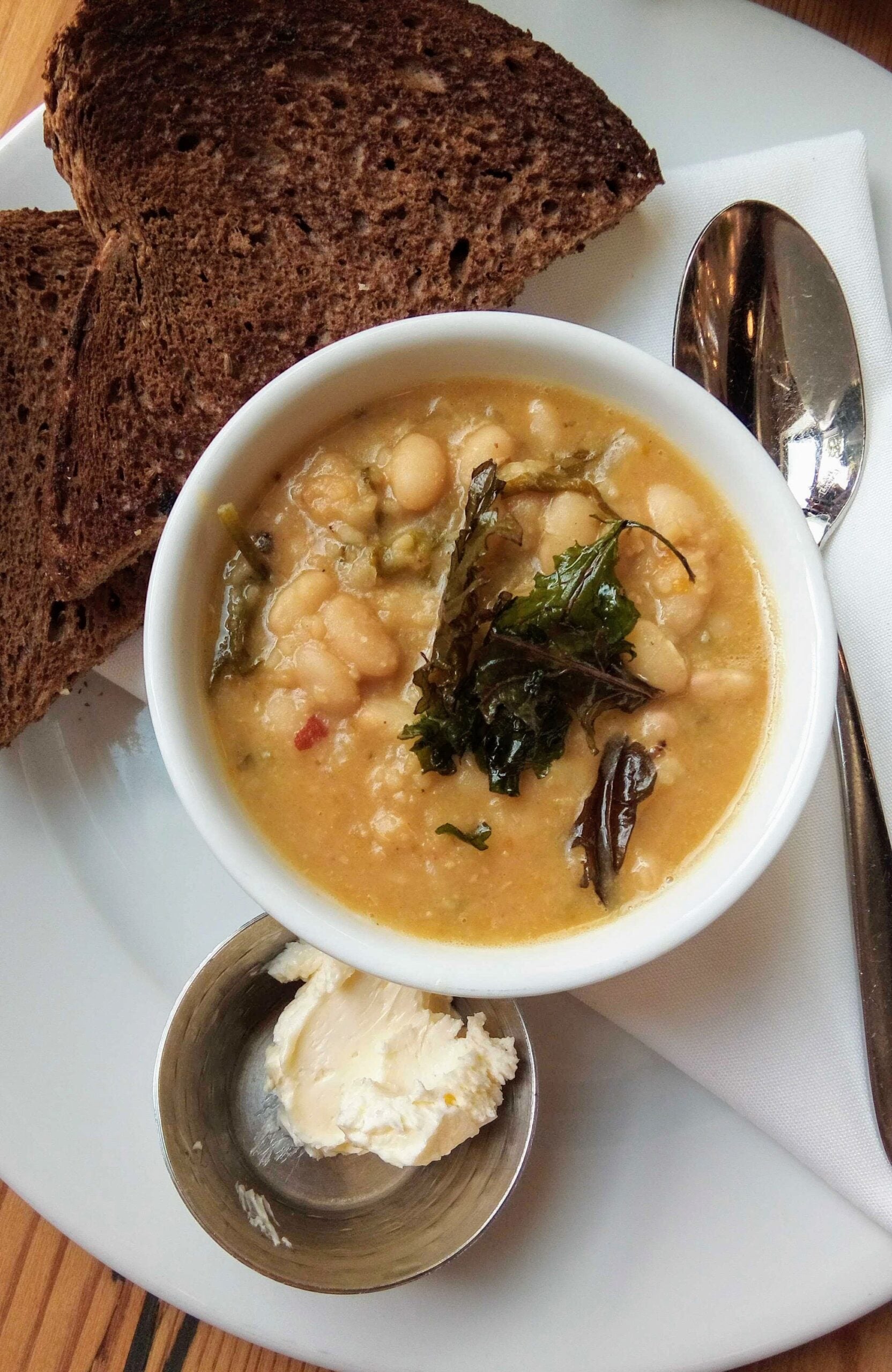
Not every reliable weeknight meal looks dinner-party ready, but this one often does. The contrast of pale, glossy beans against deep green leaves and ruby sun-dried tomatoes gives the skillet a restaurant-style finish. A final shower of grated cheese, cracked black pepper, and fresh basil adds polish with almost no extra effort.
Serving options make it even more versatile. Spoon it over toasted sourdough, creamy polenta, pasta, or rice, and the meal can shift from rustic to elegant depending on the occasion. In practice, that means the same core recipe can work for a solo Tuesday dinner or a casual weekend gathering.
There is also broad appeal in its flavor. It is savory and creamy with enough acidity from tomatoes and enough aroma from herbs to feel vivid, not flat. That balance tends to please a mixed table, including diners who want comfort food that still tastes fresh and thoughtfully built.
It Earns Repeat Status Through Reliability
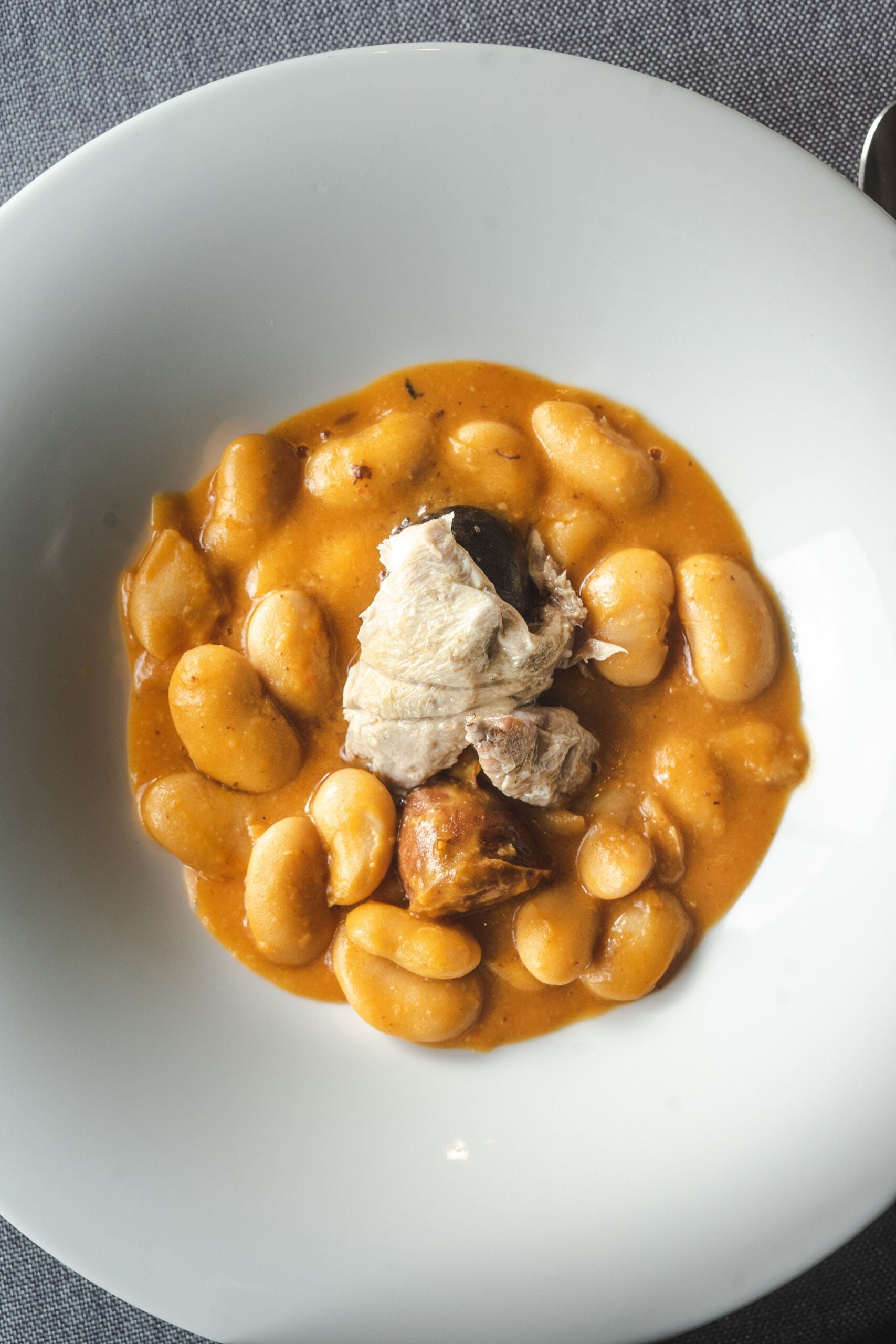
The strongest case for putting this skillet into regular rotation is simple: it performs consistently. Recipes that survive beyond first use usually share a few traits, and this one checks every box. It is affordable, quick, adaptable, satisfying, and made from ingredients that are easy to keep on hand.
It also invites confidence. Once you make it once or twice, you no longer need to follow a recipe rigidly. You learn how much broth you like, when to add lemon, which greens you prefer, and whether you want extra chili flakes or more cheese. That familiarity turns cooking from a task into a rhythm.
In the end, a dinner rotation should be built on meals that deliver both pleasure and practicality. A creamy Tuscan butter bean skillet does exactly that. It offers comfort without complication, enough substance for a full meal, and the kind of dependable flavor that makes people genuinely look forward to leftovers.




Leave a Reply