
Some snacks disappear quietly. Others leave behind a national-level craving that never really goes away.
Hostess Potato Chips
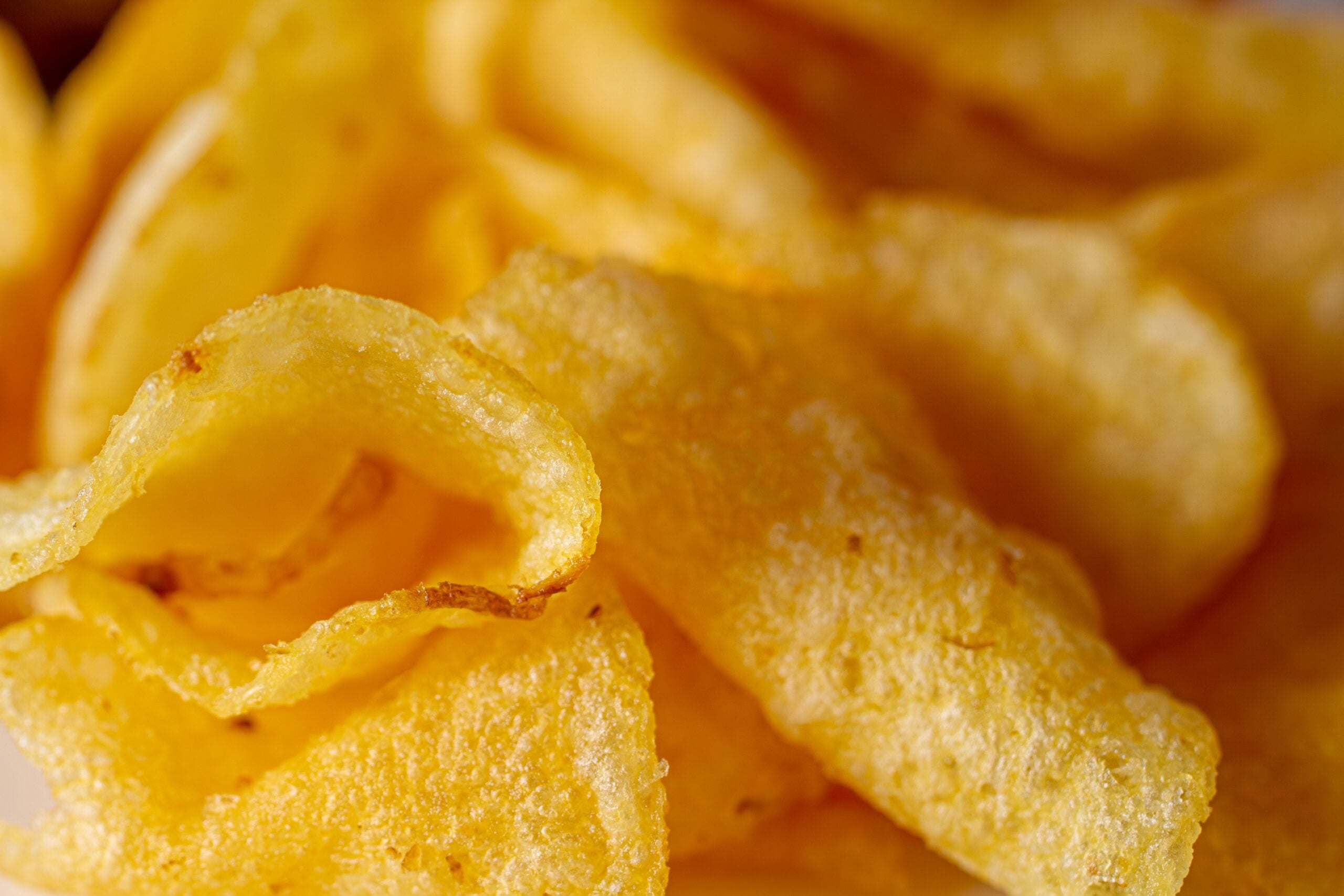
Before the bright red-and-yellow bags of Hostess chips vanished from shelves, they were a lunchbox standard across Canada. The brand built its identity on simple flavours, memorable mascots, and a distinctly Canadian presence that made it feel local in a way multinational labels often do not.
What fans miss most is not just one chip, but the whole experience of the brand. Hostess had a lighter, crisp texture that many longtime snack buyers still compare favourably to modern alternatives. For Canadians who grew up in the 1970s, 1980s, and 1990s, the logo alone can trigger a flood of school-cafeteria memories.
The disappearance was tied to larger corporate shifts in the snack industry, including acquisitions and brand consolidation. When Frito-Lay absorbed the Hostess chip business in Canada, the products were eventually phased into other branding. From a business standpoint, that move made sense. From a consumer loyalty standpoint, it erased a homegrown favourite that many still insist had a taste all its own.
Laura Secord Ice Cream Parlours
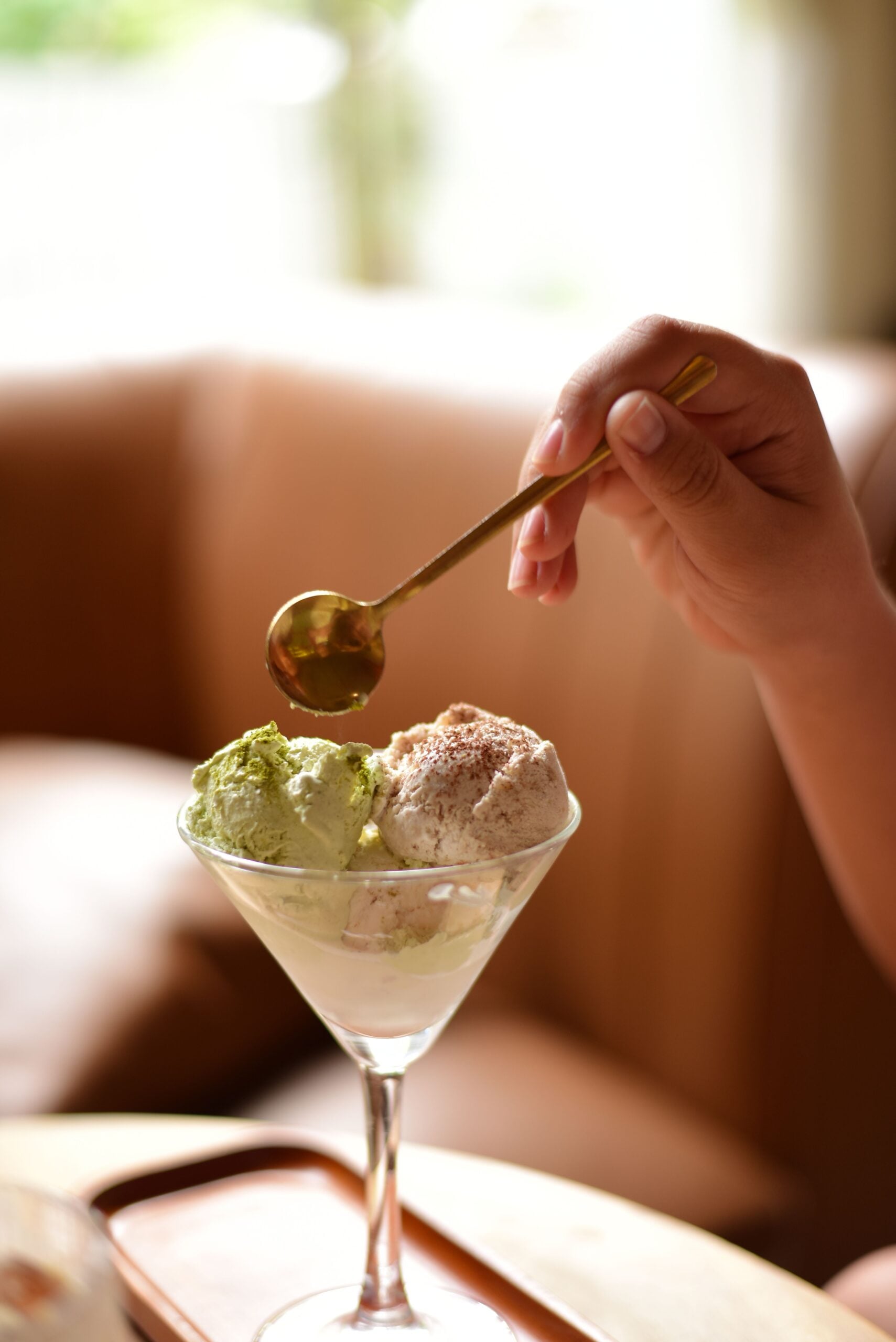
For many Canadians, Laura Secord was not just a chocolate company. It was also an ice cream destination, especially in malls and town centres where families would stop for a cone after shopping or skating. The parlours had an old-fashioned charm that made them feel like part of a local tradition.
Their appeal came from more than nostalgia. Laura Secord's ice cream counters offered a premium, indulgent treat in an era before boutique scoop shops became common. Flavours felt rich and familiar, and the experience of being served from a dedicated parlour gave the brand an event-like quality that supermarket desserts never matched.
As retail patterns changed and mall culture weakened, many of these locations disappeared. Corporate strategy increasingly focused on chocolate and packaged products rather than the labour-heavy ice cream parlour model. Even so, former customers still remember those stops as a small but meaningful ritual, and one that modern retail has never quite replaced.
Neilson Jersey Milk Bar

The Jersey Milk bar still exists in memory as one of Canada's most comforting chocolate treats, especially for people who remember earlier versions with a distinct creamy profile. For many fans, the discontinued or altered formats over the years are part of the frustration. What they miss is the original experience, not merely the name.
Neilson built strong trust in Canada's dairy and confectionery market, and Jersey Milk benefited from that reputation. It was perceived as smooth, satisfying, and reliably familiar. That matters more than it may seem, because chocolate buyers often stay intensely loyal to textures and flavour balances they grew up with.
Changes in ownership, manufacturing priorities, and product lines can subtly alter a bar until consumers no longer recognize it as the same treat. That is a common pattern in packaged sweets. In the case of Jersey Milk, the emotional reaction shows how even slight reformulations can feel like a disappearance when the original version had such a devoted following.
Cinnamon Mini Buns Cereal
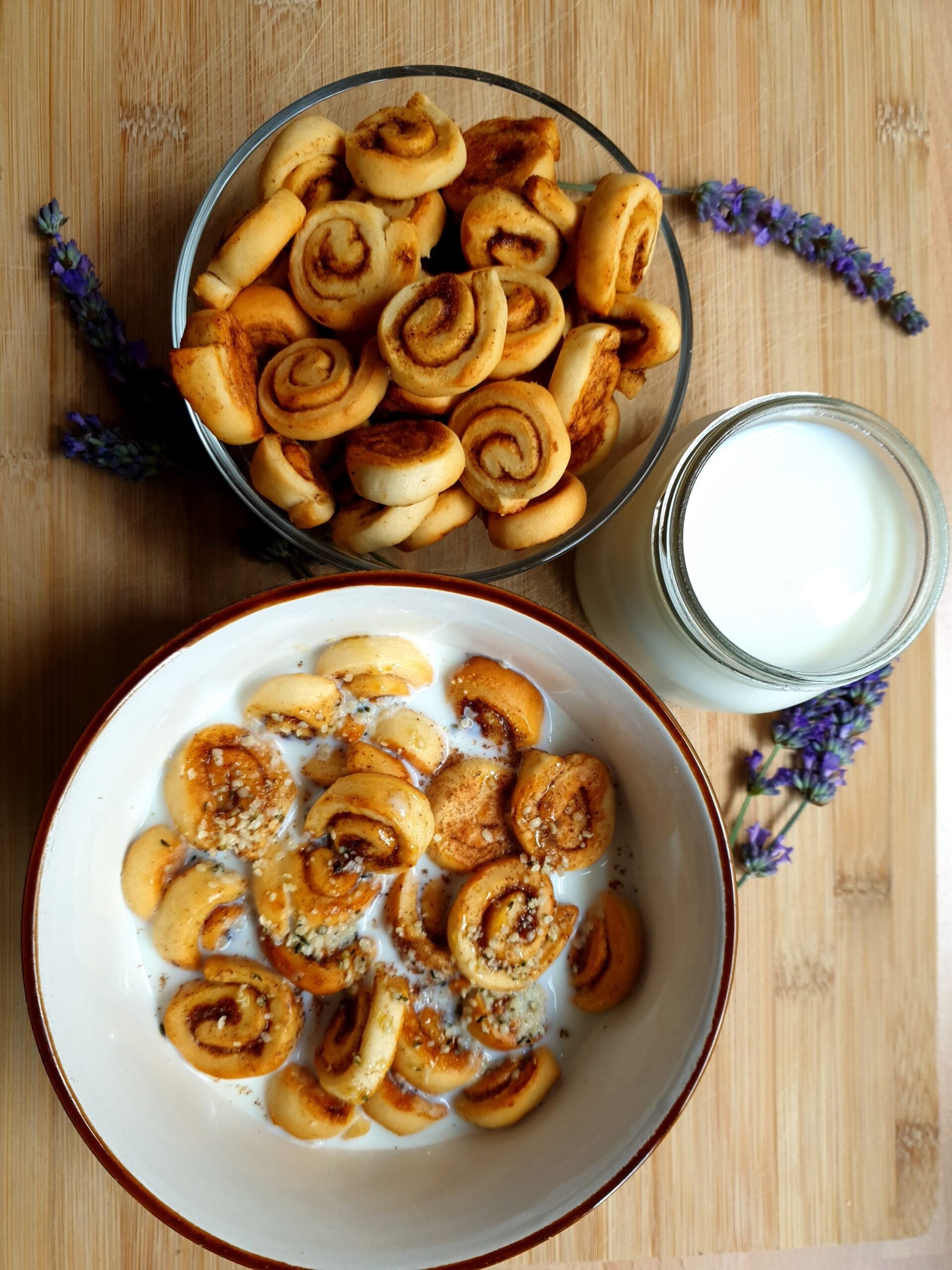
Some discontinued foods are missed because they were good. Others are missed because they felt like getting away with something. Cinnamon Mini Buns cereal landed firmly in that second category, delivering dessert-like sweetness in a breakfast box and becoming unforgettable for kids who saw it as a special-occasion cereal.
Its strongest asset was specificity. Rather than offering a vague cinnamon flavour, it aimed directly at the taste of sticky buns, complete with a sugary finish that separated it from plainer options on the shelf. That made it stand out in a cereal aisle where novelty often drives purchasing more than nutrition does.
The cereal market is notoriously volatile, with limited runs, shifting branding, and constant competition for space. Products that inspire cult followings do not always generate the long-term sales needed to survive. Yet Cinnamon Mini Buns remains a frequent nostalgia reference in Canada, proof that highly distinctive cereals can leave a stronger legacy than safer, longer-lasting brands.
Alpine White Chocolate Bar

Not every discontinued treat was a mainstream giant. Alpine White built its reputation through contrast, offering a creamy white chocolate profile with nutty and almond-like notes that made it feel a little more sophisticated than standard candy bars aimed at children.
That difference helped it earn a loyal audience. Fans often describe it as smooth, rich, and unmistakable, with a flavour combination that stood apart in a market dominated by milk chocolate, caramel, and wafer bars. For many Canadians, it became the candy they sought out deliberately rather than simply grabbing at checkout.
Its disappearance reflects a broader truth about confectionery economics. Niche favourites can win deep affection without delivering the volume that manufacturers want. When companies streamline portfolios, products with devoted but smaller fan bases are often first to go. Alpine White's enduring reputation shows how badly those decisions can misread the emotional value of a distinct taste.
Jell-O Pudding Pops

Few frozen treats inspire memory as powerfully as Pudding Pops. In Canada, they occupied a sweet spot between dessert and novelty snack, with a texture that was denser and creamier than ordinary ice pops. That texture is exactly why so many former fans still bring them up decades later.
Unlike fruit bars or standard popsicles, Pudding Pops delivered a slow-melting, almost mousse-like bite. They felt richer, more substantial, and closer to a freezer-aisle version of a homemade pudding dessert. In practical terms, they also appealed to parents because they seemed less artificial than brightly coloured frozen alternatives.
Their disappearance came from licensing changes, manufacturing shifts, and the challenges of maintaining a product whose texture was central to its identity. Attempts to revive similar items have rarely satisfied original fans. That gap matters, because it shows that in frozen desserts, mouthfeel can be just as important as flavour, and much harder to reproduce convincingly.
McDonald's Pizza in Canada
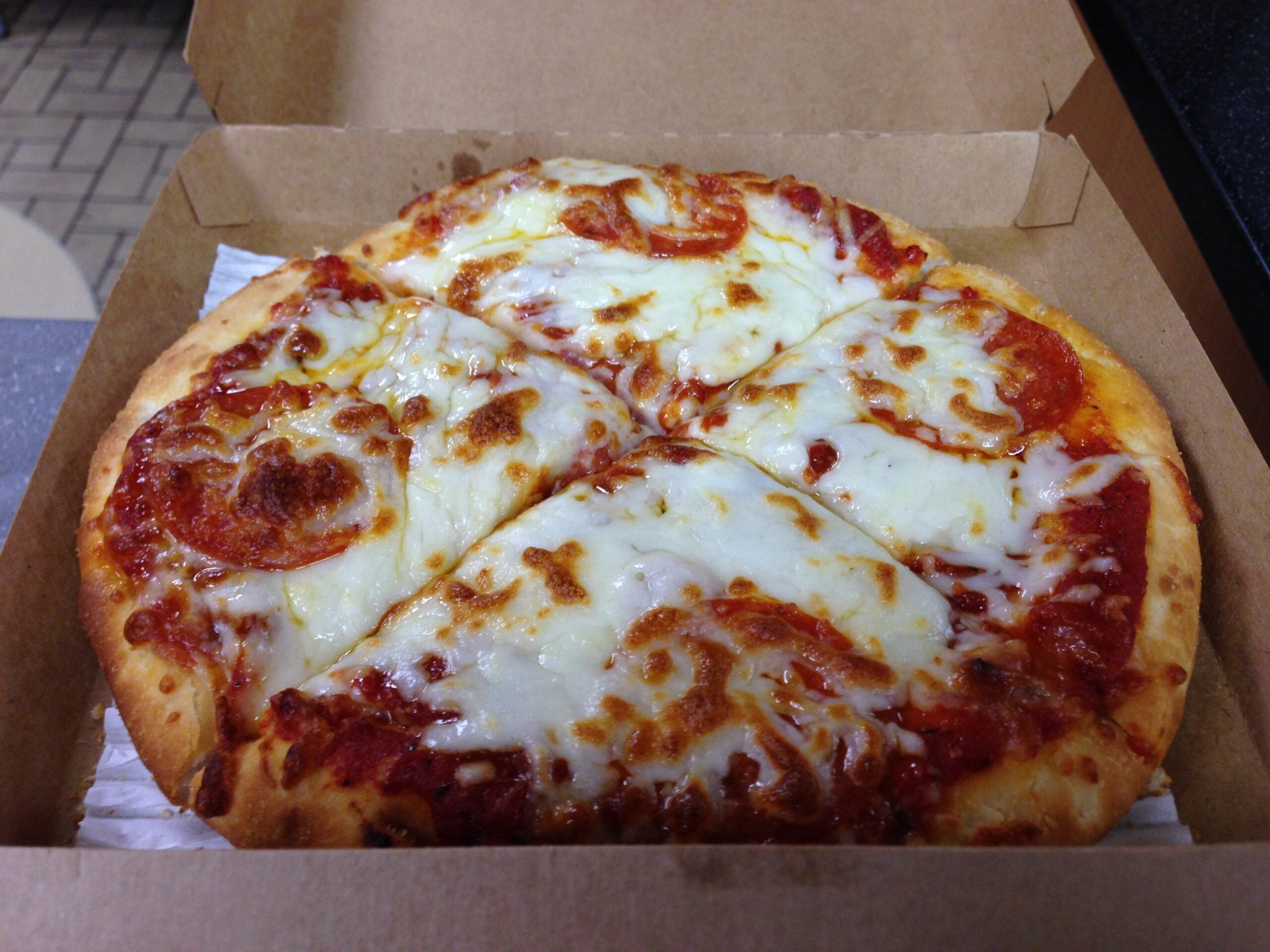
Technically, this was a fast-food menu item rather than a packaged treat, but Canadians who remember it often speak about it with the same nostalgia reserved for lost snacks. McDonald's Pizza was a genuine novelty, offering a chain-famous burger stop's take on a comfort food that felt unexpectedly fun.
Its appeal was tied to timing as much as taste. Families visiting McDonald's in the late 1980s and early 1990s saw pizza as a surprising option that made group ordering easier. Children loved the idea that one restaurant could somehow do everything, and the pizza became part of the memory of the outing itself.
The item struggled with operational reality. Pizza took longer to prepare than burgers and fries, which conflicted with the speed that defined McDonald's service model. Once efficiency won out, the product vanished. Even now, though, Canadians still debate whether the pizza was actually excellent or simply unforgettable because it represented a strange, ambitious moment in fast-food history.
Wonka Bar
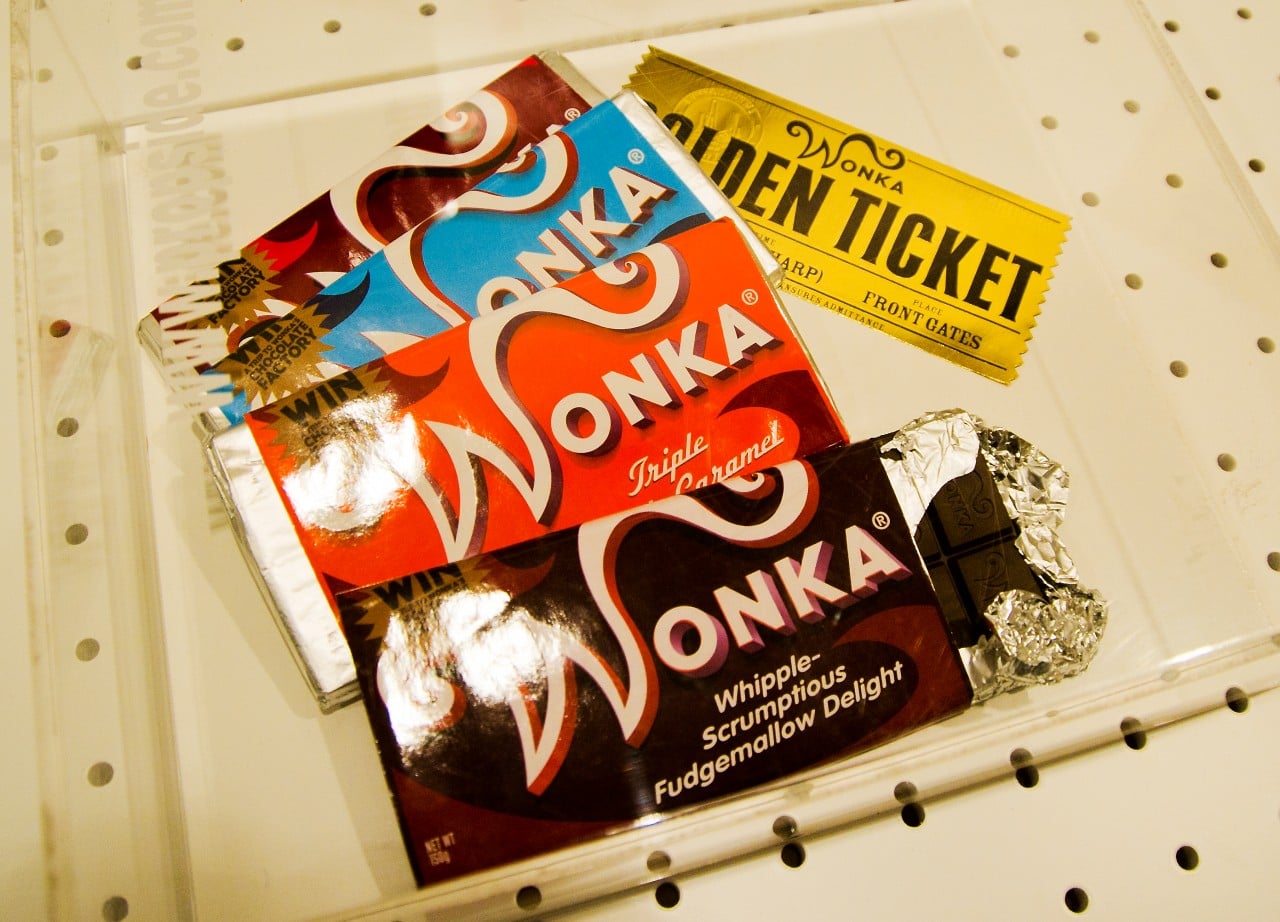
The Wonka Bar carried a built-in advantage that most candy never gets: mythology. Tied to one of the most famous fictional confectionery worlds ever created, it promised more than sweetness. For Canadian kids, buying one could feel like purchasing a small piece of a story they already loved.
That branding mattered, but the bar also succeeded on its own terms. Depending on the era and formulation, it offered a creamy chocolate experience packaged with bold colours and theatrical appeal. It stood out visually at convenience stores, where impulse candy sales often depend as much on identity as on ingredient lists.
Its discontinuation is part of a recurring pattern with licensed or concept-driven products. They can generate excitement quickly, but sustaining shelf space requires stable demand beyond the novelty factor. Even so, the Wonka Bar remains widely remembered in Canada because it merged pop culture with candy in a way that felt immersive long before experiential branding became a marketing buzzword.
Bubble Jug
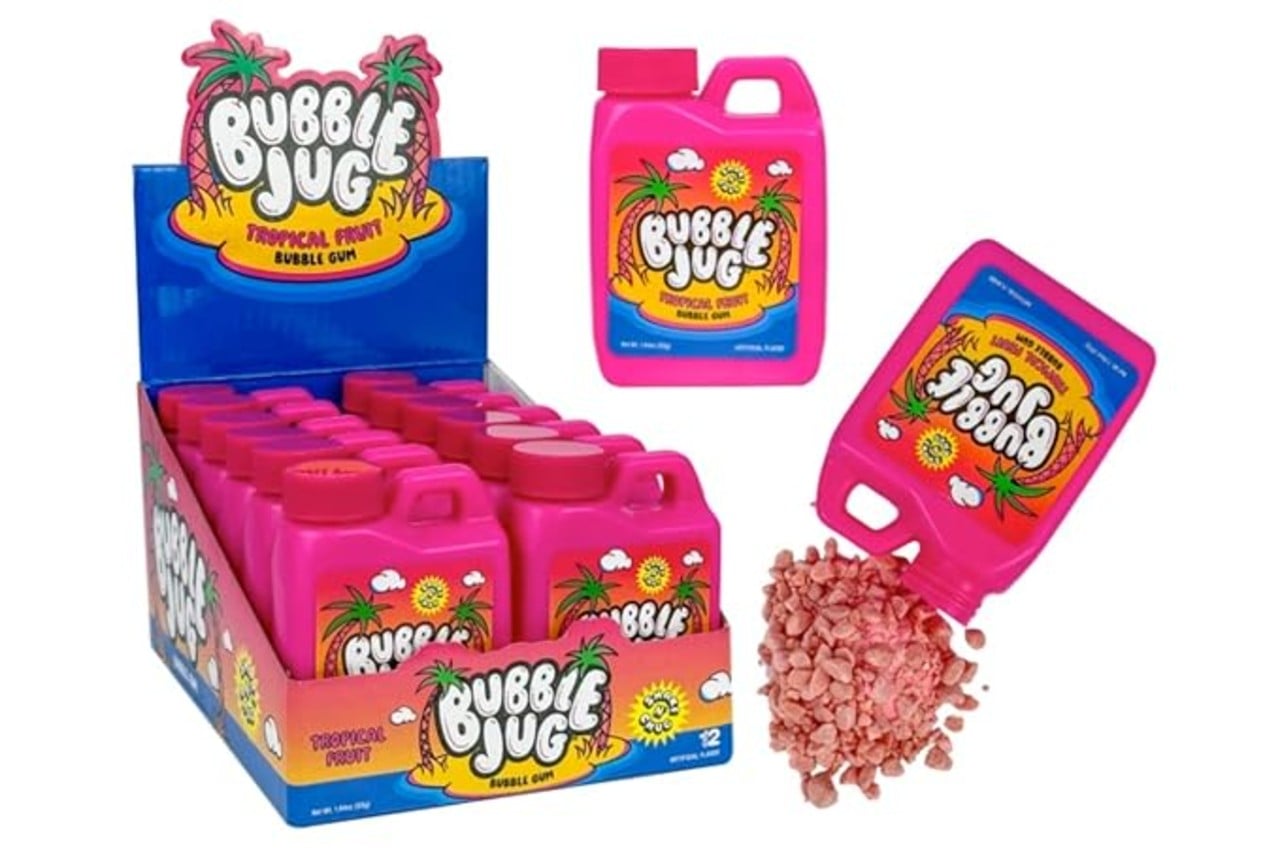
Some treats are remembered less for flavour than for the ritual of eating them. Bubble Jug, with its powdered gum format and bottle-shaped container, turned candy into an activity. That interactive quality made it especially memorable for Canadian children who loved sweets that felt playful or slightly messy.
The powder transformed into gum as you chewed, which gave Bubble Jug an identity unlike ordinary stick or pellet gum. The novelty was the point. It invited sharing, comparing flavours, and showing friends the unusual texture, all of which helped it spread through schoolyards and convenience-store culture.
Products like this often disappear because their appeal is highly age-specific and trends move fast. Packaging, sugar concerns, and changing retail priorities also play a role. Yet Bubble Jug still has strong recall because it was not passive candy. It asked kids to participate, and that kind of sensory interaction tends to create unusually durable memories.
The Original Tim Hortons Walnut Crunch
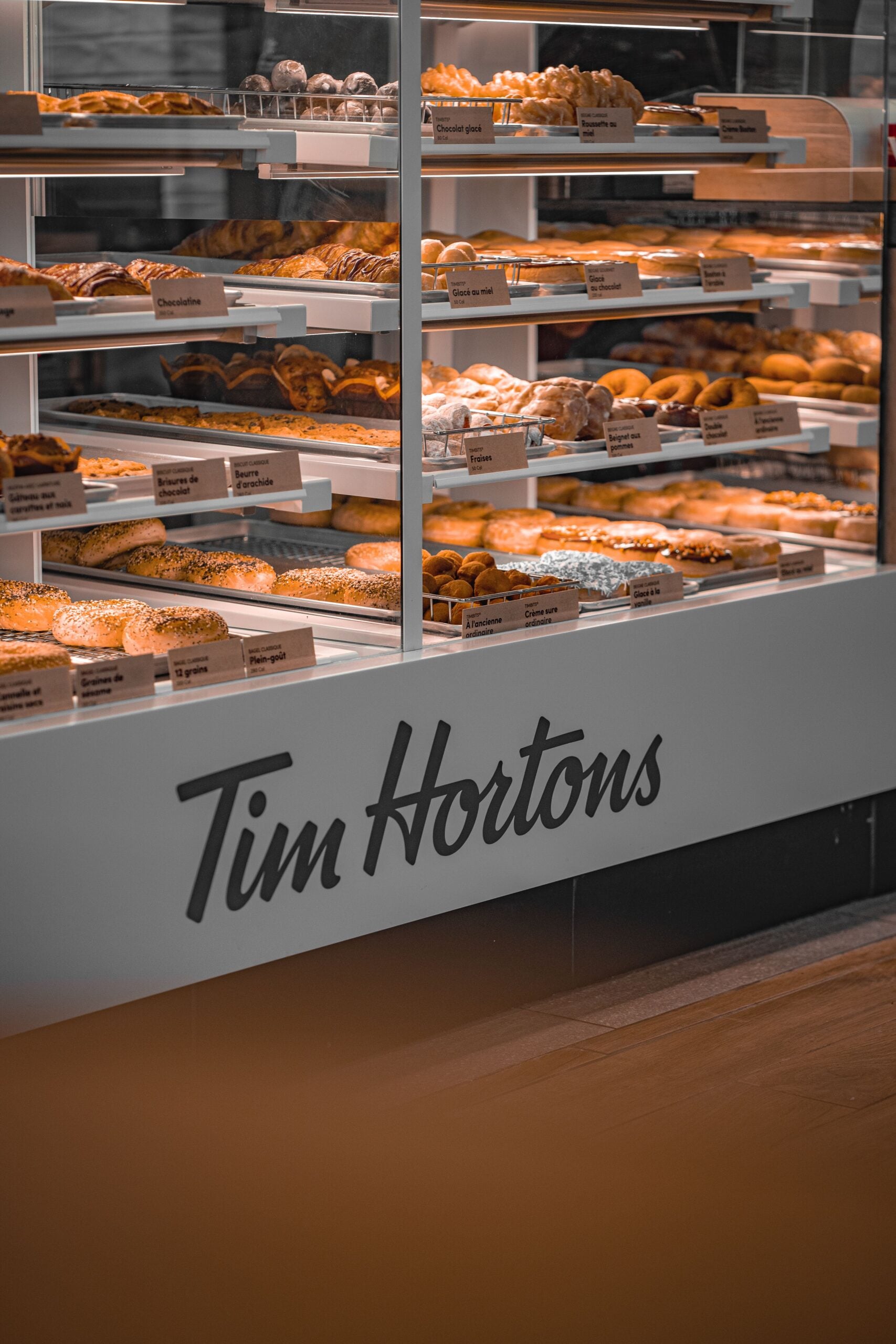
Among all discontinued Canadian treats, few inspire as much organised longing as the original Walnut Crunch. This doughnut developed an almost mythic reputation, with fans repeatedly calling for its return and treating every rumour of a comeback as major news.
What made it special was its balance of texture and richness. Dense cake doughnut, glazed exterior, and crunchy walnut pieces gave it more character than standard ring doughnuts. It felt substantial, almost like a bakery item from an earlier era, and that helped it stand apart on a menu increasingly built around streamlined, high-volume production.
Tim Hortons has occasionally revived beloved items in limited ways, which only reinforces the idea that nostalgia has measurable commercial power. The Walnut Crunch remains a textbook example of how a discontinued food can outlive its shelf life in public memory. In Canada, it is not merely a missing doughnut. It is a symbol of a chain people feel used to know better.



Leave a Reply