
Canada's coasts feed more than appetites. They preserve a living record of climate, migration, labor, and survival.
Geography made local seafood traditions inevitable
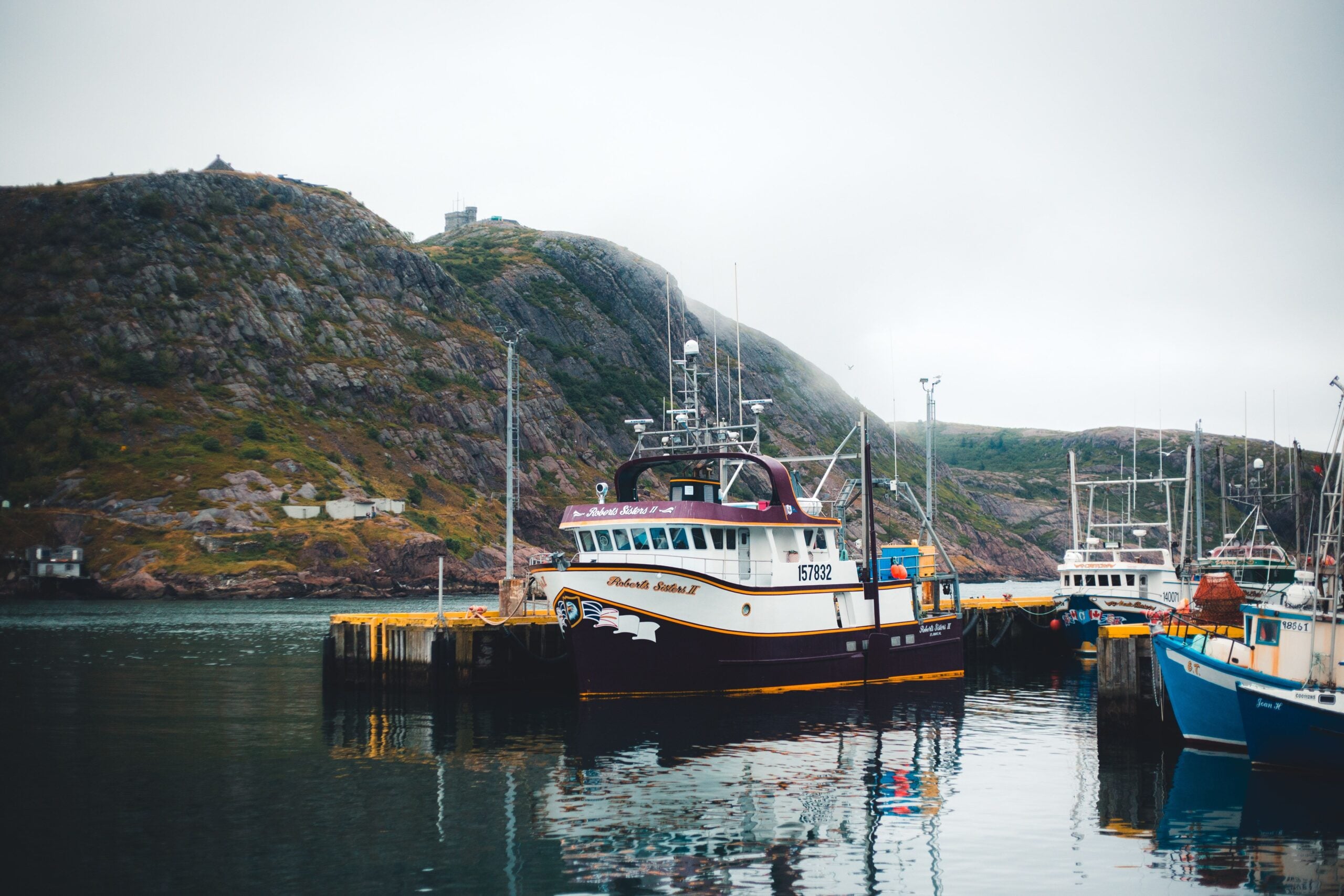
Place is the first reason Canada's fishing communities eat the way they do. The Atlantic coast, Pacific waters, Arctic shoreline, and inland fisheries all offer different species, seasons, and harvesting conditions.
That variety created highly regional food habits. In Newfoundland and Labrador, cod long defined daily meals, while Prince Edward Island became closely associated with mussels, lobster, and oysters. On the Pacific coast, salmon became central not only to diet but also to ceremony, trade, and preservation.
Cold water matters too. Fish from colder seas often develop firmer flesh and different fat content, which influences how they are salted, dried, smoked, or cooked. Food traditions followed the biology of the catch as much as the taste of the people eating it.
Preservation shaped flavor as much as hunger did
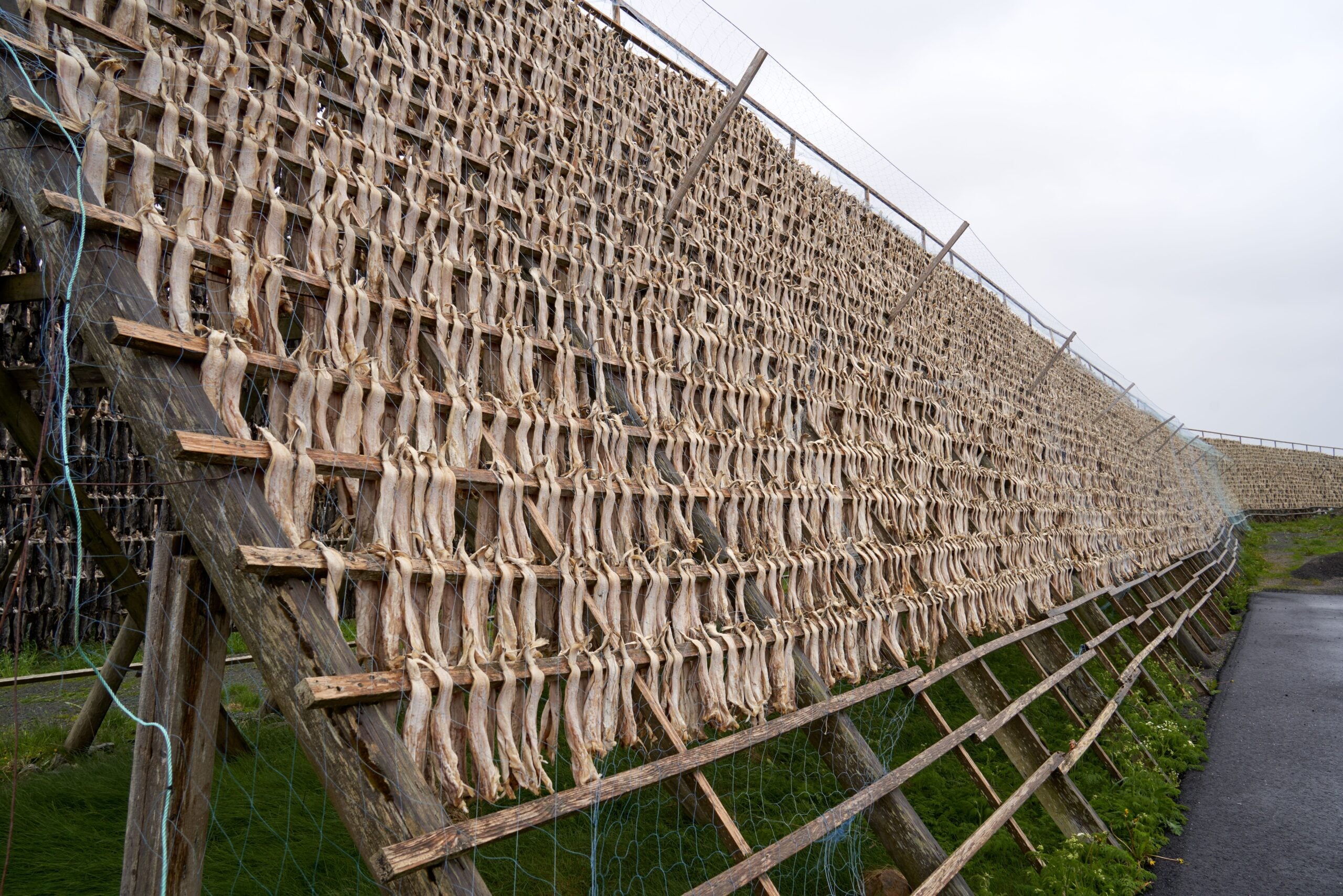
Before refrigeration, fishing communities had to think like logisticians. A large catch spoiled quickly, so preserving fish was not a culinary extra. It was the foundation of household survival and commercial trade.
Salt cod is the clearest example. For centuries, Atlantic communities split, salted, and dried cod so it could last through winter and travel across oceans. What began as necessity became preference, which is why dishes built around salt fish still carry emotional and cultural weight.
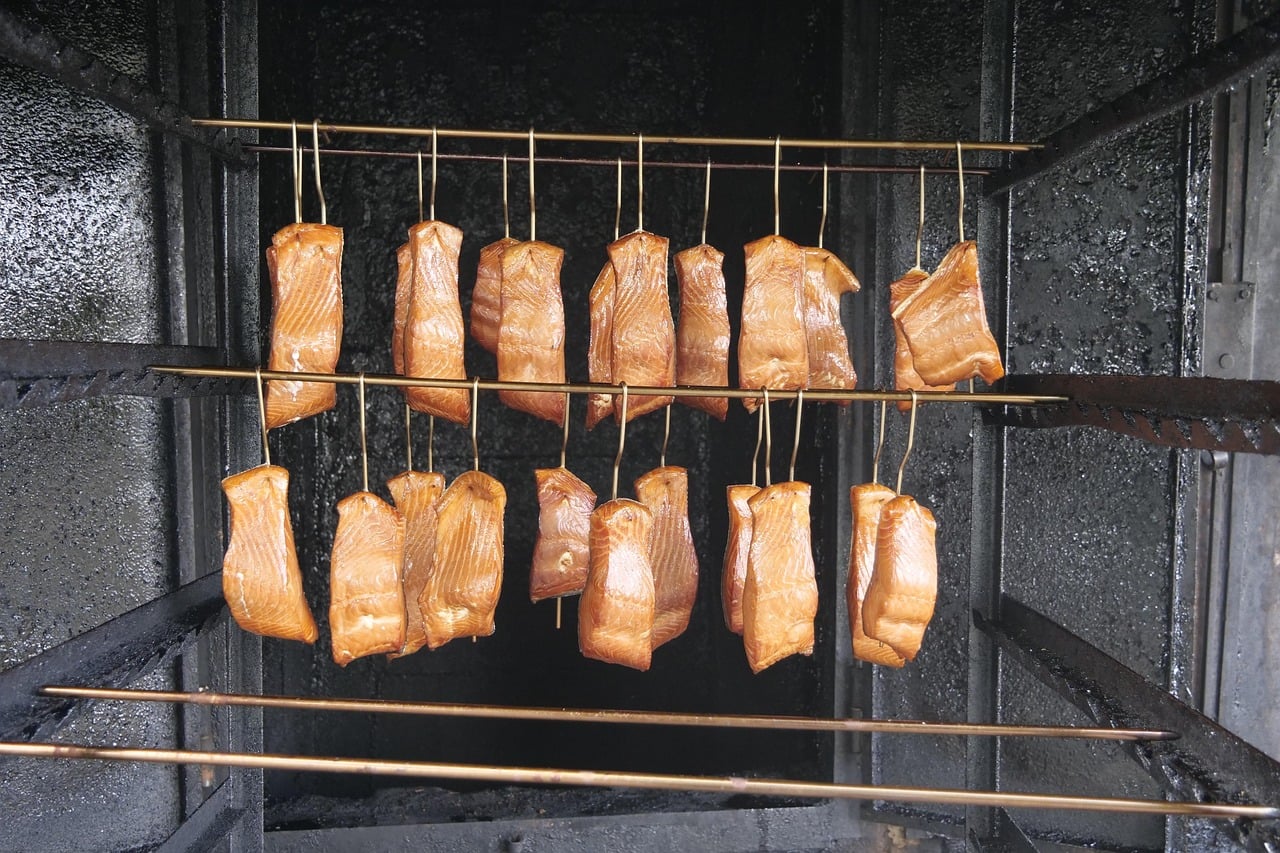
Smoking also became deeply important. Smoked salmon on the Pacific coast and smoked char in northern regions are not simply delicious foods. They are products of practical knowledge, developed to stretch seasonal abundance into year-round security.
Indigenous food knowledge set the original foundation
Long before industrial fisheries, Indigenous peoples across what is now Canada built sophisticated food systems around rivers, coasts, and tidal zones. Their knowledge shaped harvesting seasons, preservation methods, and respectful use of entire ecosystems.
On the Pacific coast, First Nations communities perfected techniques for drying and smoking salmon in ways suited to local weather and runs. In Arctic regions, Inuit food traditions centered on marine mammals, Arctic char, and other cold-climate foods that provided essential fat and nutrients.
These traditions were never only about sustenance. They linked food to stewardship, reciprocity, and community responsibility. Many of the seafood practices now seen as iconic in Canada rest on Indigenous expertise developed over countless generations.
Immigration turned fishing staples into regional signature dishes
Fishing villages were rarely culturally uniform. They were shaped by waves of settlers from Britain, فرنسا, Portugal, Scandinavia, China, Japan, and other places, each bringing cooking habits that adapted to Canadian waters.
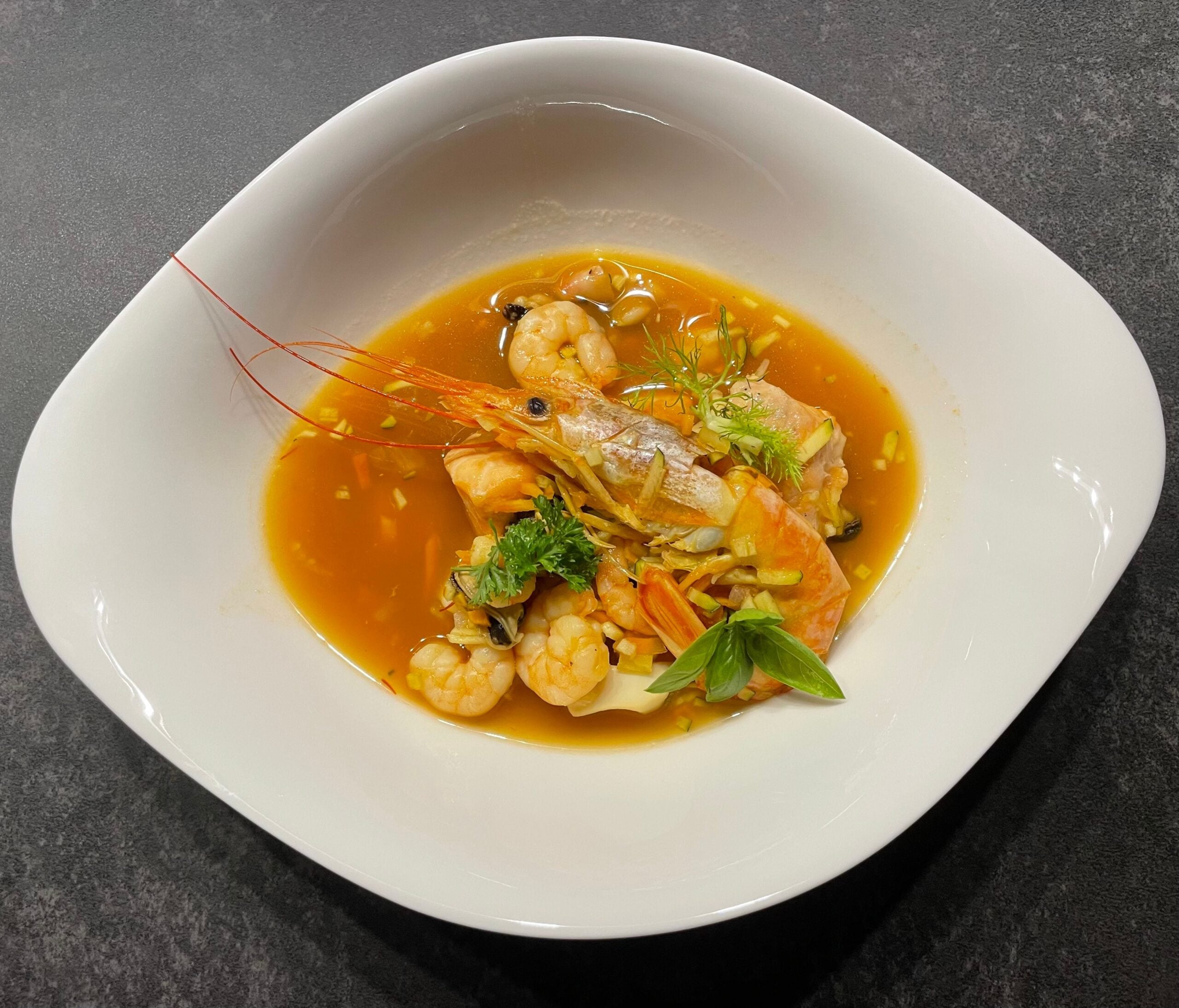
In Atlantic Canada, British and Irish influences can still be seen in fish cakes, chowders, and hearty boiled meals built to sustain physical labor. In Acadian communities, seafood entered richly seasoned stews and celebratory dishes, blending French techniques with local ingredients.
On the Pacific coast, Asian communities transformed how seafood was prepared and valued. Japanese Canadian traditions influenced salmon preparation, while Chinese communities helped normalize live seafood markets and shellfish cookery. Distinctive local cuisine emerged from exchange, not isolation.
Hard work at sea influenced what people cooked on shore
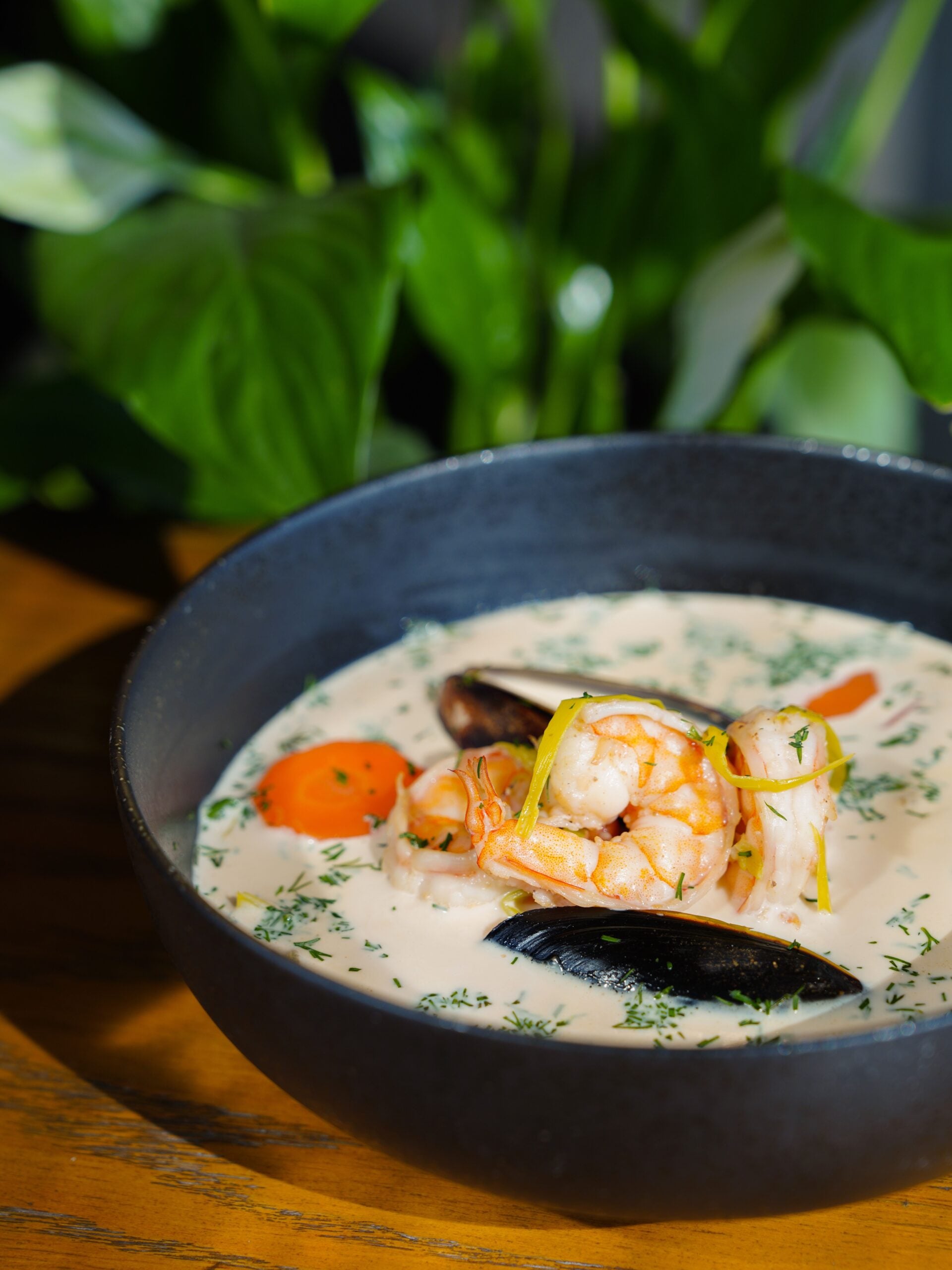
Fishing food traditions were shaped by the demands of labor. Meals had to be filling, portable, affordable, and easy to prepare after long hours in dangerous weather.
That is why so many dishes are simple but robust. Fish and brewis, lobster rolls, seafood chowders, pan-fried fillets, and hash made use of ingredients that were available, calorie-dense, and suitable for feeding large households. Luxury had little to do with it at the start.
Economics also created irony. In many places, fishers sold the best part of the catch to export markets and kept less profitable species or trimmings for home cooking. Over time, those practical meals became beloved markers of identity and pride.
Distinctive traditions survive because they still mean something
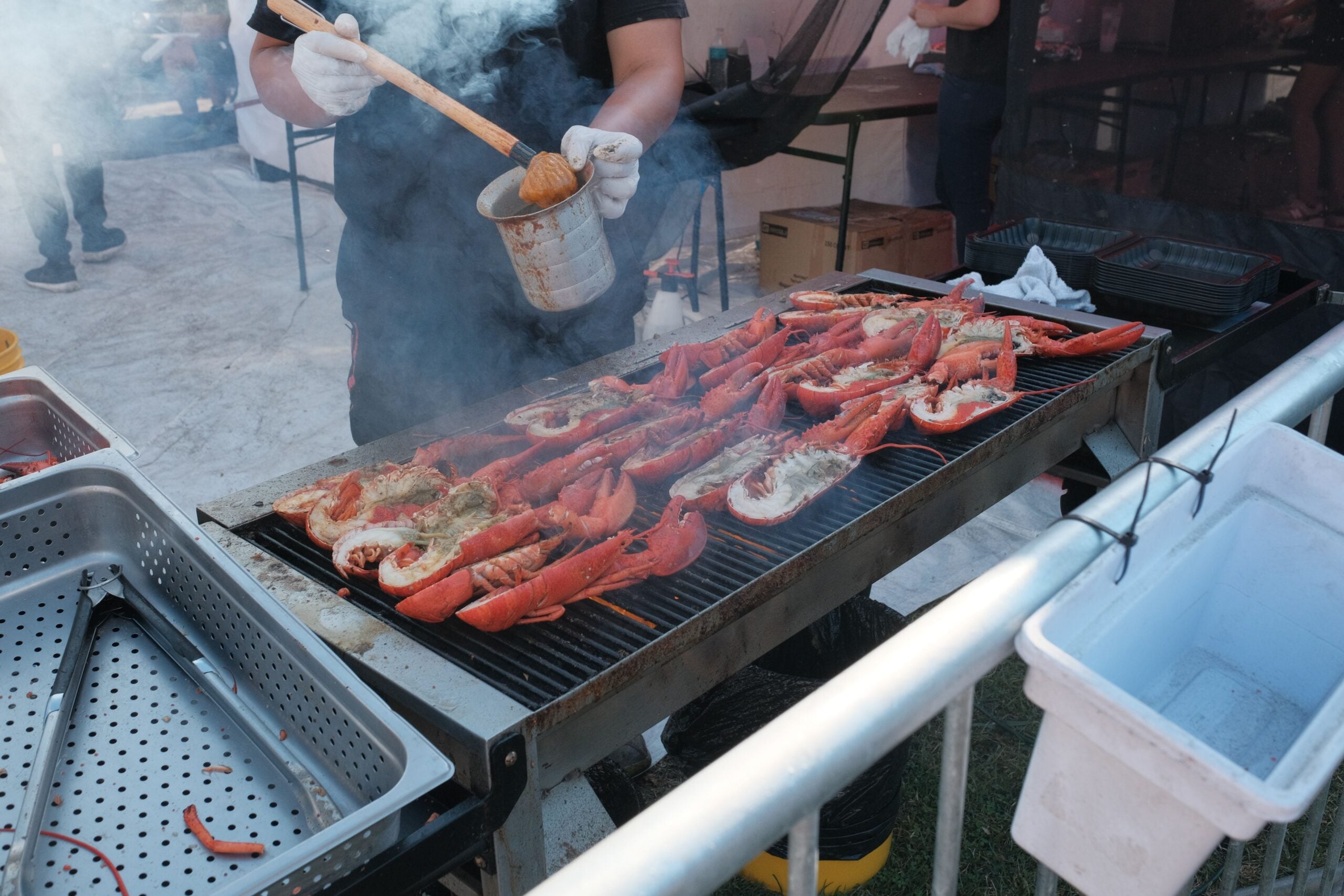
These food traditions continue not just because they taste good, but because they carry memory. A smoked salmon recipe, a jar of pickled herring, or a Christmas Eve salt fish meal can connect families to place and ancestry in a direct way.
They also survive because regional fisheries still matter economically and symbolically. According to Fisheries and Oceans Canada, seafood remains a major export industry, while local festivals and markets keep community-specific dishes visible to younger generations and visitors.
At the same time, traditions are adapting. Climate change, quota systems, stock collapse, and changing tastes are reshaping what is caught and cooked. Yet the core pattern remains the same: Canada's fishing communities build cuisine from local waters, hard experience, and shared memory.




Leave a Reply