
Some cookies are snacks. In Canada, a few are practically national symbols.
Ask enough Canadians about the best store-bought cookie, and the debate quickly turns patriotic, nostalgic, and surprisingly specific.
Maple cream cookies are the unmistakable Canadian favorite
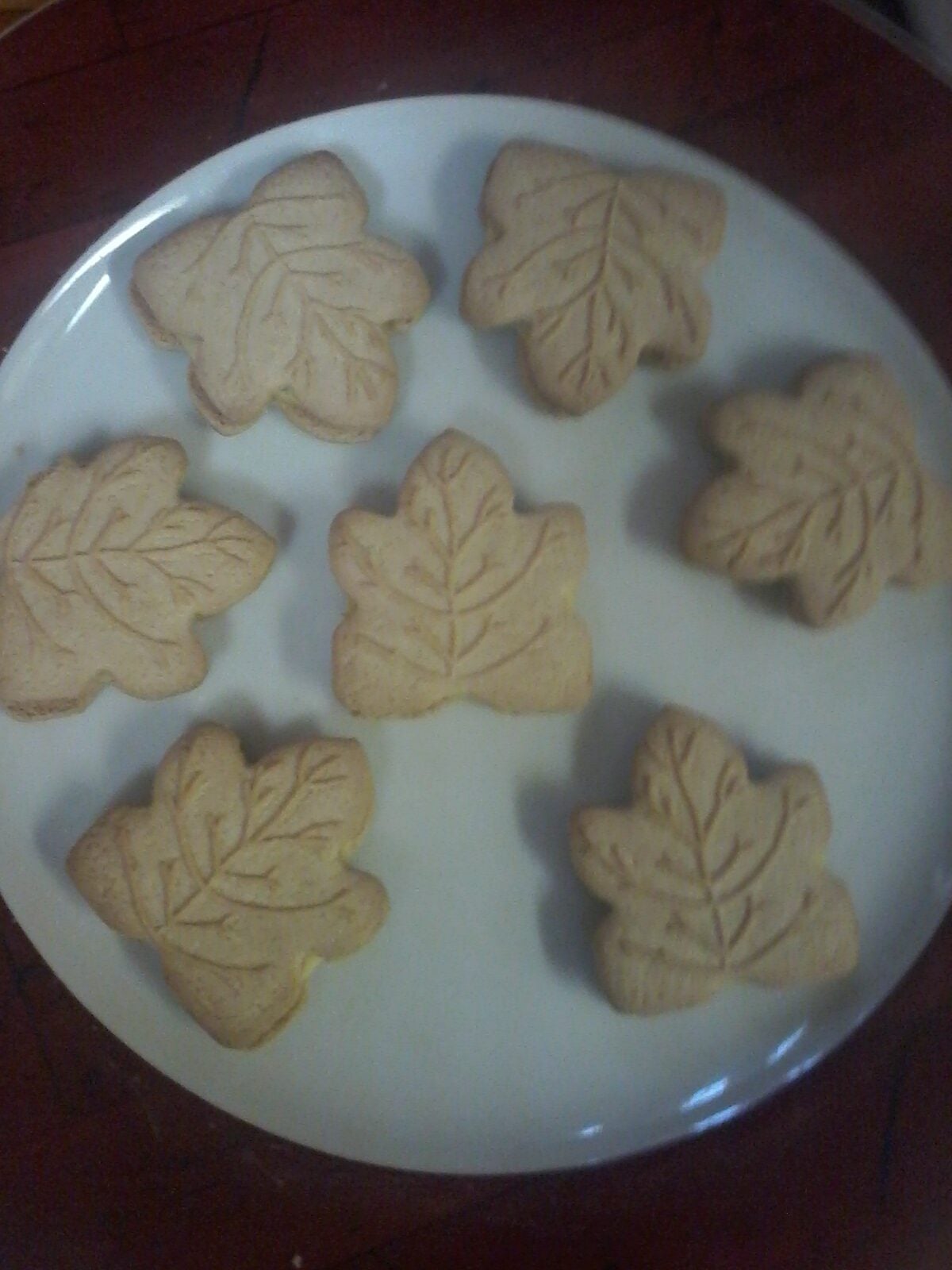
Nothing says Canada faster than a maple leaf-shaped sandwich cookie filled with maple creme. For many shoppers, this is the cookie they bring abroad as a gift because it tastes unmistakably tied to the country's identity. Imported butter cookies may look elegant, but they rarely deliver that same sense of place.
The best versions balance sweetness with a real maple note instead of tasting like plain sugar. That matters, because maple flavor can turn artificial very quickly if handled poorly. Canadian brands have had decades to refine that profile, and consumers notice the difference.
There is also a texture advantage. A good maple cream cookie snaps lightly at the edge, then gives way to a smooth filling that does not feel greasy or overly dense. That contrast makes it more memorable than many imported sandwich cookies, which often lean too dry or too sweet.
Its staying power is easy to explain. It works as a tourist souvenir, a lunchbox treat, and a holiday staple, all without needing reinvention. Very few imported brands can match that kind of range and emotional pull in the Canadian market.
Dad's Oatmeal Cookies win on texture and everyday comfort
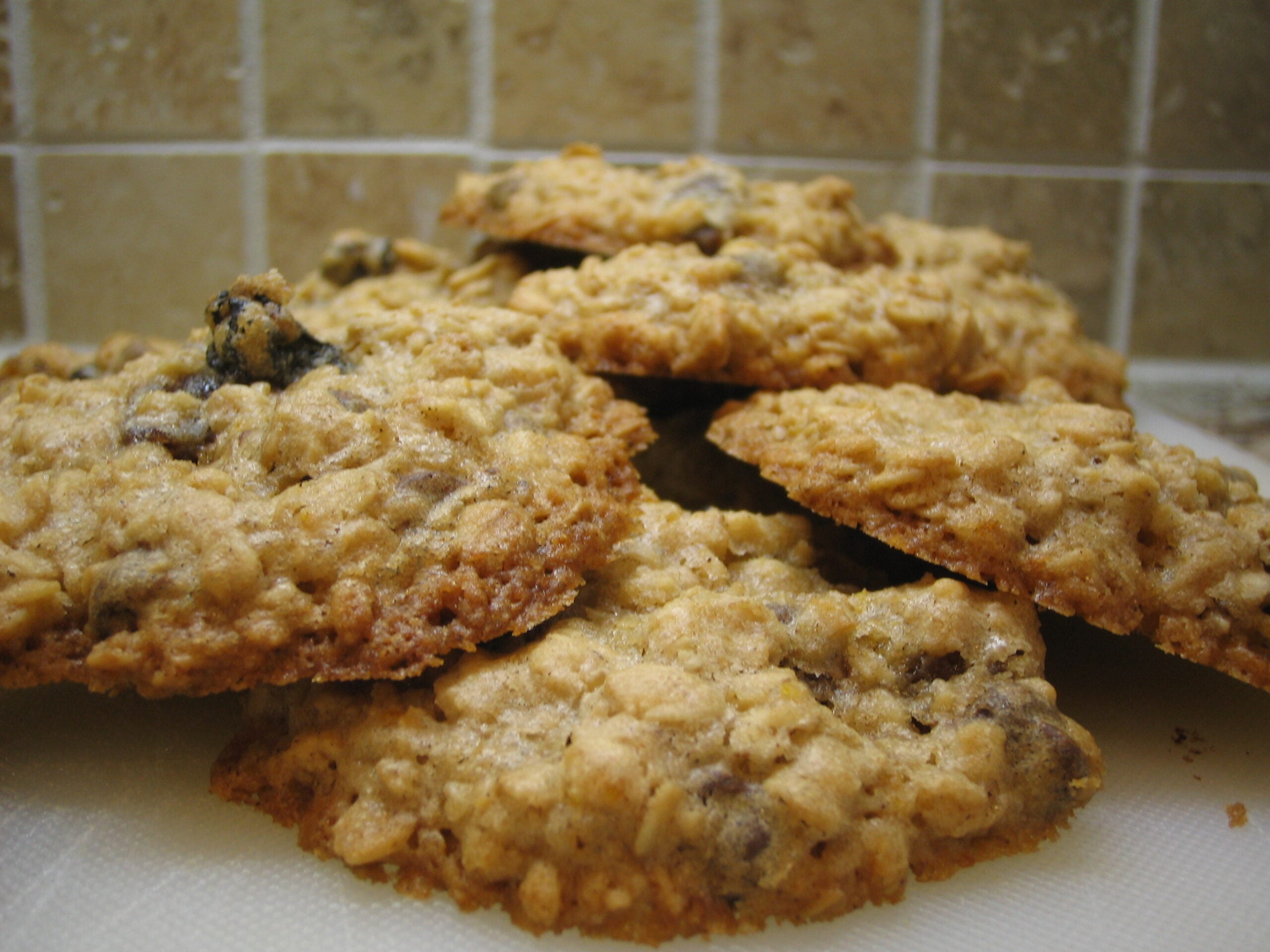
There is nothing flashy about Dad's Oatmeal Cookies, and that is exactly why they endure. They have long occupied the dependable middle ground between dessert and pantry staple. Canadians who grew up with them often describe the cookie as comforting before they describe it as indulgent.
The texture is what makes the product stand out. It is not crisp like a thin European biscuit, and it is not soft like a bakery oatmeal cookie. Instead, it lands in that chewy, slightly dense zone that feels substantial with coffee or tea.
Oats also give it an identity that feels practical and familiar. In a country where hearty grains and simple baking traditions have deep roots, that matters more than elaborate packaging. Imported cookies can feel like novelties, while this one feels built for everyday life.
Brand longevity helps too. Generations have seen the same name on shelves, and that repetition creates trust. When buyers reach for a reliable cookie rather than an experimental one, Dad's often beats premium imports simply by delivering exactly what people expect.
Peek Freans Social Tea remains a quiet classic
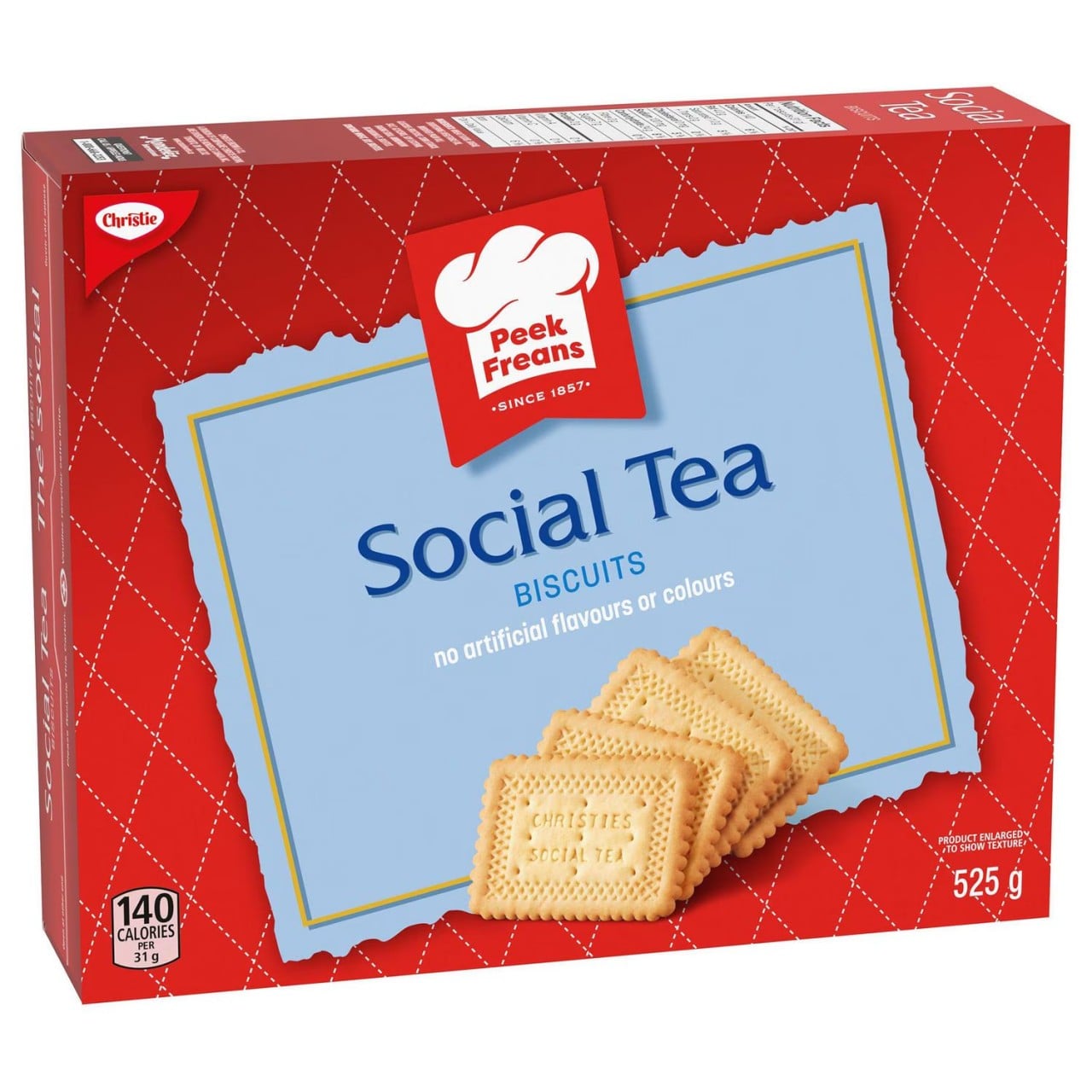
Social Tea does not always lead flashy taste tests, but it wins respect for consistency. This is a biscuit-like cookie with a clean, lightly sweet flavor that pairs exceptionally well with tea, which explains why it has remained relevant for so long. Canadians often value that kind of restraint more than sugar-heavy excess.
Its strength is balance. The cookie is crisp without being brittle and sweet without becoming cloying. That makes it more versatile than many imported options, especially rich shortbreads or heavily filled wafers that can feel one-note after a few bites.
There is also a cultural habit behind its success. Tea drinking remains an everyday ritual in many Canadian households, and Social Tea fits naturally into that routine. It is the kind of cookie that supports the moment instead of overpowering it.
That may sound modest, but modesty is part of the appeal. Not every winning cookie needs dramatic flavor or luxury branding. Sometimes the one that keeps appearing beside the mug, year after year, is the true champion.
Leclerc Célébration cookies prove Canada can do premium too
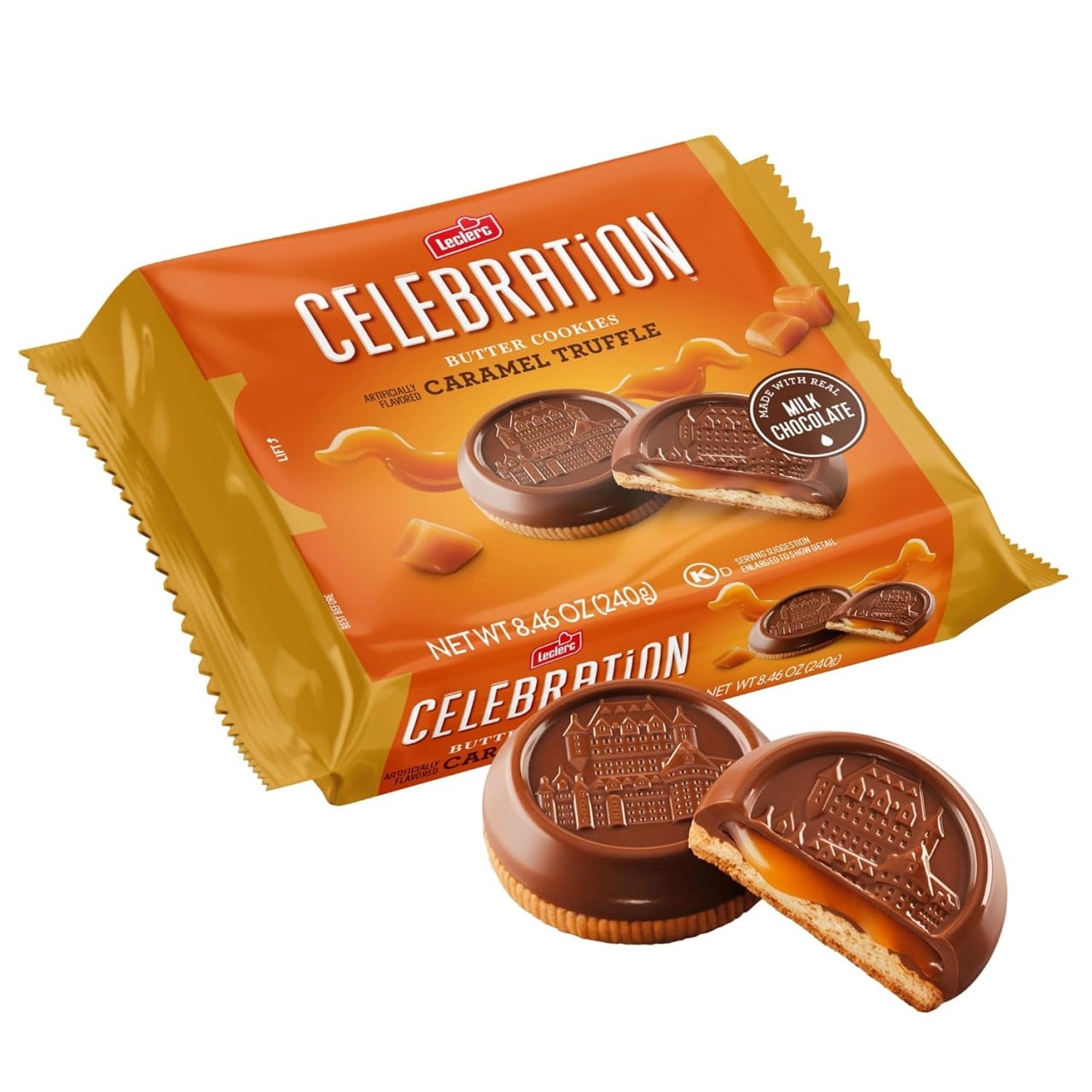
If some people assume imported cookies always win on refinement, Leclerc's Célébration line challenges that idea directly. These chocolate-coated and filled cookies are polished, giftable, and clearly designed to compete with premium European products. In many Canadian homes, they succeed.
The first reason is execution. The chocolate coating tends to be smooth and generous, while the biscuit underneath stays crisp enough to hold its structure. That sounds simple, but it is where many mass-market imported cookies fall short after long shipping and storage times.
Leclerc also benefits from understanding local tastes. Canadian consumers often want richness without overwhelming sweetness, and many Célébration varieties hit that target well. The flavors feel indulgent but still approachable, which broadens their appeal beyond special occasions.
There is a practical edge too. Because the brand is deeply established in Canada, availability is strong and freshness is more reliable than with niche imports. For shoppers, premium quality only matters if the product tastes good when the box is opened, and that is where domestic brands often have an advantage.
Voortman wafers and biscuits earn loyalty through variety and trust
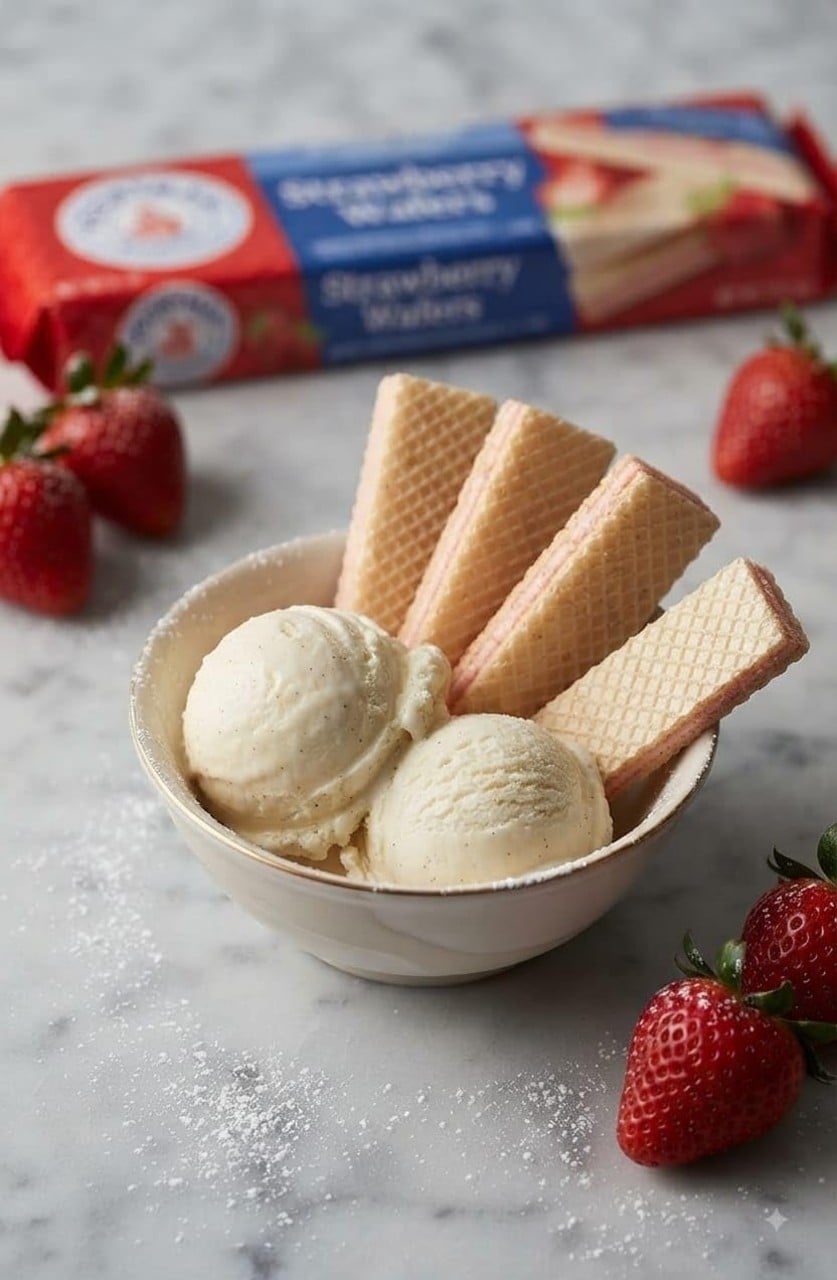
Voortman has built a different kind of case for Canadian cookie superiority. Instead of winning with one iconic flavor, it wins through breadth, dependable quality, and strong recognition across biscuit and wafer categories. That broad shelf presence matters because familiarity often drives repeat buying.
Its wafers, in particular, have a texture many buyers prefer over imported alternatives. They tend to stay crisp, with cream layers that add sweetness without turning heavy. The result is a lighter snacking experience than many dense chocolate biscuits from abroad.
The company has also adapted to changing consumer expectations over time. Product lines that emphasize simpler ingredient positioning or specific dietary preferences have helped keep the brand current. That responsiveness gives it an edge over imported legacy brands that may rely too heavily on reputation alone.
In the end, the Canadian cookie argument is not only about flavor. It is about freshness, national identity, habit, and whether a product fits real daily life. On those terms, these five homegrown favorites make a very strong case.


Leave a Reply