
A restaurant runs on timing, tone, and teamwork. The wrong phrase can disrupt all three before the first drink even hits the table.
"We're Ready to Order" When No One Is Actually Ready
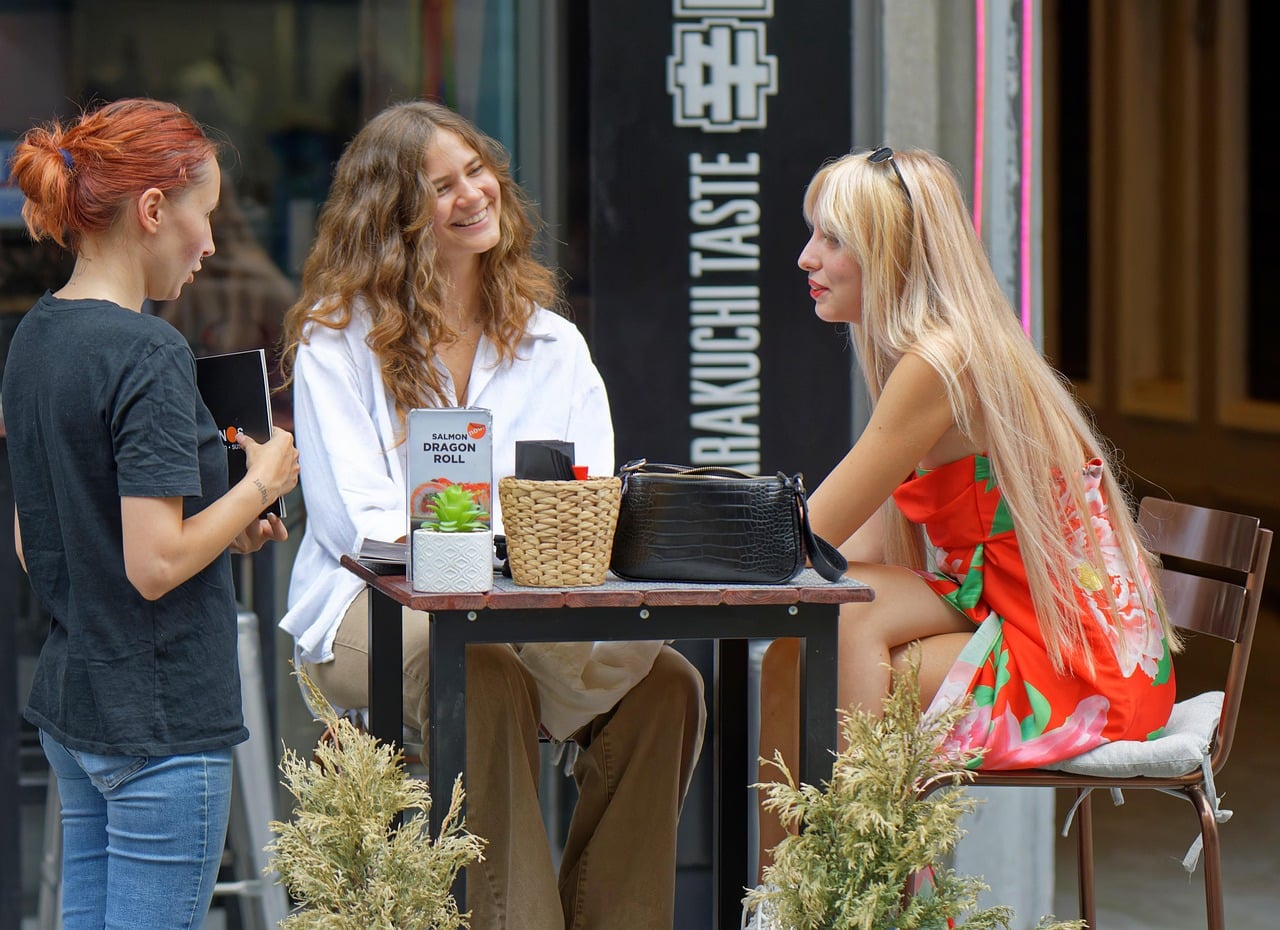
Nothing stalls a dining room faster than a table that insists it is ready, then opens menus and starts debating appetizers from scratch. For a server, that moment matters because they may have delayed greeting another table, running food, or closing out a check to prioritize an order they were told was immediate.
In busy restaurants, pacing is everything. Servers often manage several tables at once, and according to the National Restaurant Association, speed of service remains one of the biggest drivers of guest satisfaction. A false start throws off that rhythm and can create delays for people far beyond one table.
It also puts the server in an awkward social position. They cannot simply walk away without seeming rude, so they stand there while guests negotiate every side dish and dressing choice. A better approach is simple: ask for another minute, then flag the server when the full order is actually settled.
"Can We Get This for Free?"
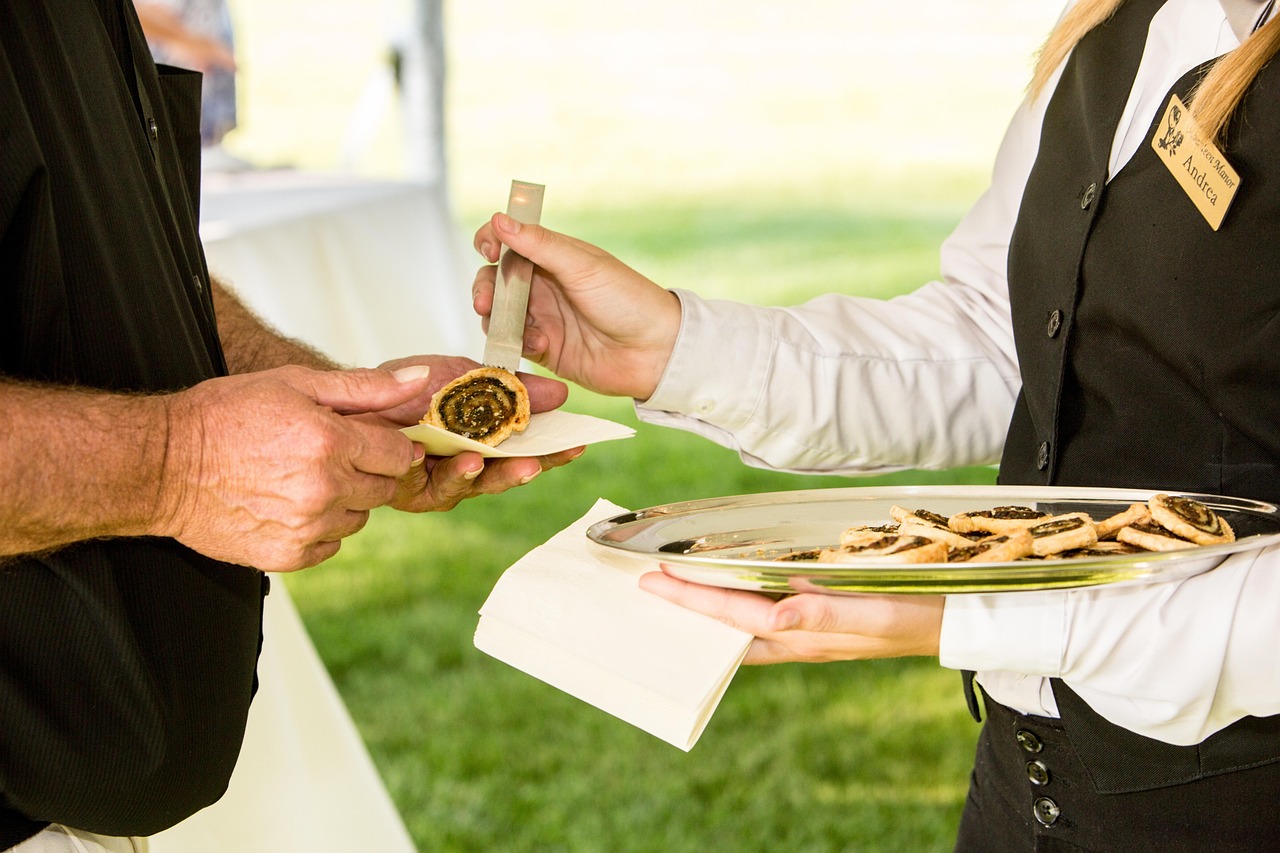
There is a major difference between calmly reporting a genuine problem and casually fishing for complimentary food. Servers hear this phrase in ways both direct and subtle, and it often lands badly because it suggests the guest sees the server as a gatekeeper to discounts rather than a professional trying to fix an issue fairly.
Restaurants usually have clear policies on comps, voids, and remakes. In many places, servers need a manager's approval, and every free item affects food cost, inventory, and sometimes even the server's standing with management. What sounds like a small ask can trigger a formal process behind the scenes.
The phrase also creates instant tension because it can feel preplanned. Hospitality consultants have long noted that some diners use minor complaints to angle for free dessert, drinks, or an entire entrée. If something is truly wrong, explaining the issue plainly gives the staff a chance to correct it without turning the interaction adversarial.
"I Know the Owner"
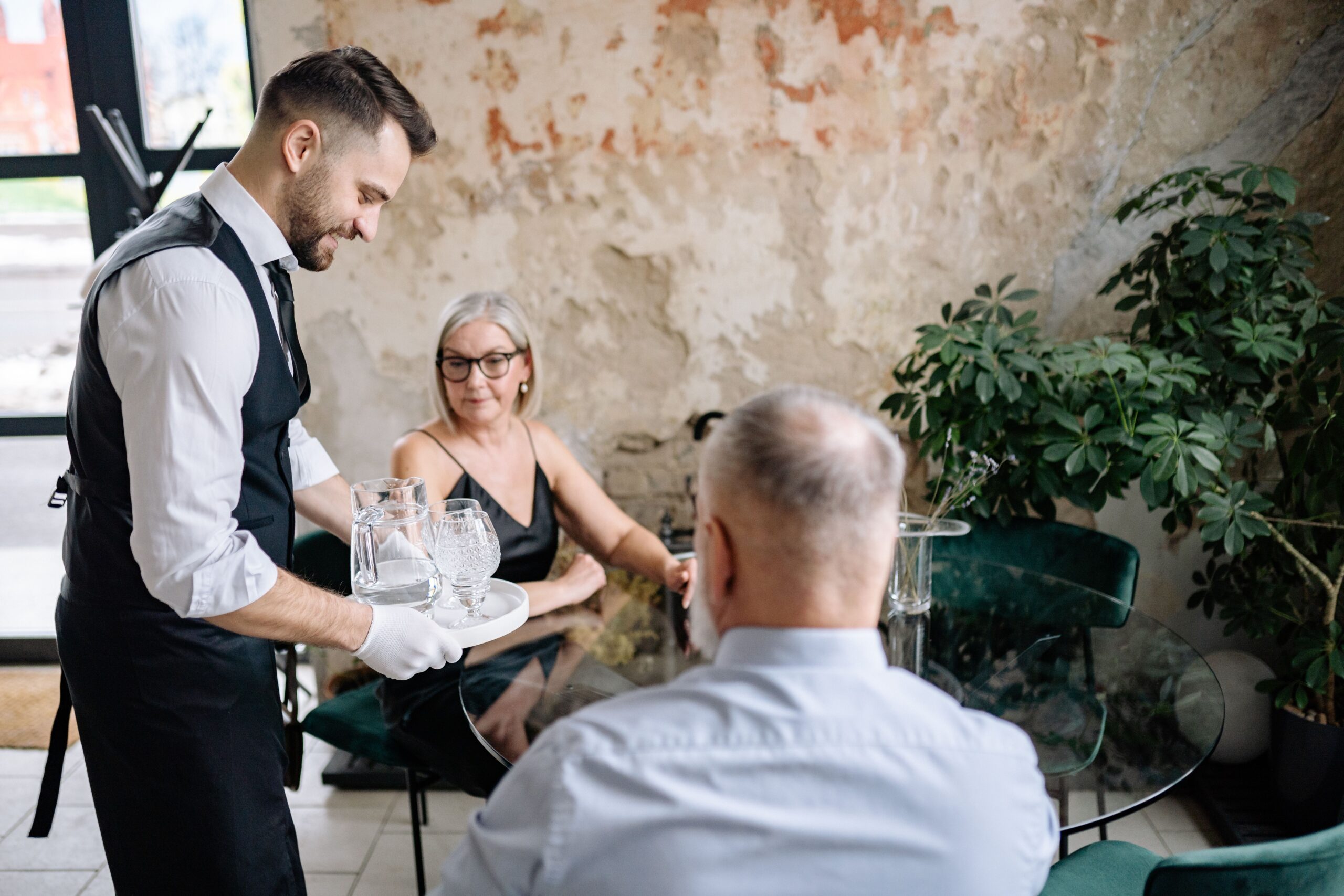
Few lines change the mood faster than name-dropping the owner, especially when it is used to demand special treatment. Even when the claim is true, servers usually hear it as a warning shot: rules should bend, waiting times should disappear, and standard policies should suddenly become negotiable.
That creates problems for both fairness and workflow. A dining room functions best when tables are handled in the order and manner the restaurant has established. Cutting around reservations, substitutions, corkage rules, or kitchen timing can frustrate staff and other guests who are also paying for a smooth experience.
Industry managers frequently point out that actual friends of the owner rarely lead with this phrase. People with real relationships tend to be easier, not harder, on staff because they understand the business. When guests use the line for leverage, it often reads less like familiarity and more like pressure.
"We'll Take Care of You"
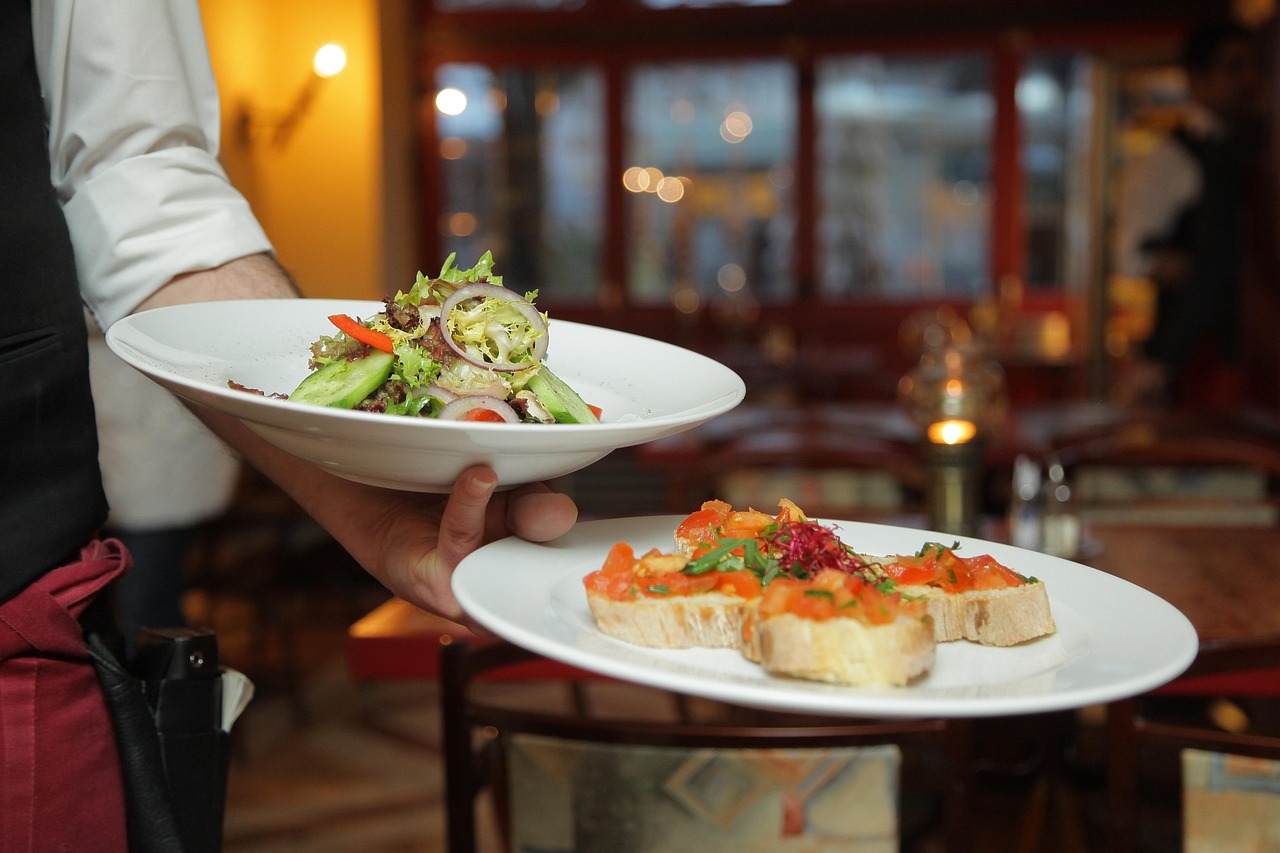
On the surface, this sounds generous. In practice, many servers cringe when they hear it because the phrase often comes from tables making repeated special requests, staying long past meal pace, or signaling that a great tip is coming, only to leave an entirely ordinary one.
Tipping research has repeatedly shown that verbal promises do not reliably predict stronger gratuities. Cornell hospitality studies and long-standing service industry reporting have both highlighted the gap between what guests say and what they actually leave. Servers learn quickly that this line is more often performance than promise.
The problem is not the words alone. It is the expectation they create in exchange for undefined future reward. Professional service should not hinge on tip hints, and most servers would rather receive direct courtesy, patience, and a clean transaction than hear a flattering phrase that rarely changes the final check.
"It's Not My Job to Stack Plates"
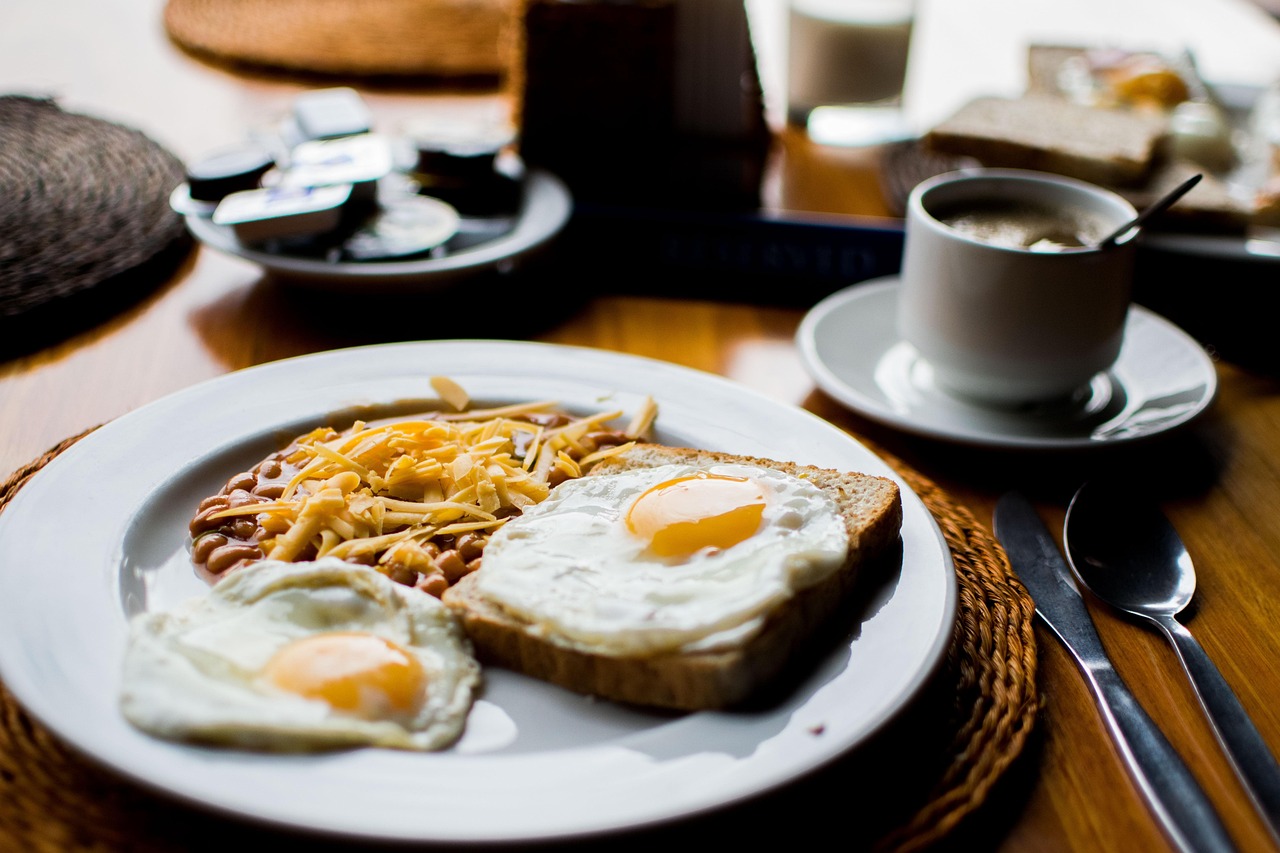
Few comments reveal a misunderstanding of restaurant labor faster than this one. Servers do not expect guests to bus the table completely, but many appreciate basic consideration, especially in casual settings where used plates, empty glasses, and loose trash are scattered in ways that make clearing slower and less safe.
This matters more than people realize. Full hands, sharp cutlery, hot coffee cups, and crowded aisles all raise the risk of spills and breakage. Small acts, such as placing napkins on a plate or keeping debris together, help the server turn the table efficiently and maintain a cleaner service path.
Etiquette experts often note that dining out does not erase shared responsibility for basic civility. No guest is required to pre-clean the table, but announcing refusal makes the interaction needlessly combative. The most appreciated tables are usually not the neatest ones. They are the ones that show awareness that another human has to handle the aftermath.


Leave a Reply