
A mashup like this sounds gimmicky until you look at why it works. Canada's latest fast-casual food crossover is turning heads because it combines two formats people already love and understand.
Why shawarma and ramen make sense together

At first glance, shawarma and ramen seem like they belong in completely different culinary worlds. One is associated with Middle Eastern spit-roasted meat, garlic sauce, pickles, and warm pita, while the other is rooted in Japanese noodle culture, built around broth, tare, noodles, and toppings layered for balance. But in practical food terms, they share a lot of DNA. Both are highly aromatic, deeply seasoned, and designed around contrast, with richness, salt, acid, and texture all working at once.
That overlap is what makes the combination more logical than it first appears. Shawarma seasoning often leans on cumin, coriander, paprika, turmeric, cinnamon, and allspice, which can sit surprisingly well in a savory broth base when handled carefully. Ramen, especially modern fast-casual ramen, has already shown room for adaptation through spicy miso, curry broths, smoky oils, and nontraditional proteins. In that context, shawarma-spiced chicken or beef over noodles feels less like a stunt and more like a natural next step.
There is also a strong consumer angle behind the appeal. Diners increasingly want recognizable comfort foods with a twist, not menus that ask them to decode something entirely unfamiliar. A bowl that delivers the slurpable comfort of ramen and the bold roasted flavor of shawarma fits that demand neatly. It offers novelty without confusion, which is exactly the kind of balance chain restaurants look for when they want a limited-time item or permanent launch to scale nationally.
The Canadian chain behind the rollout
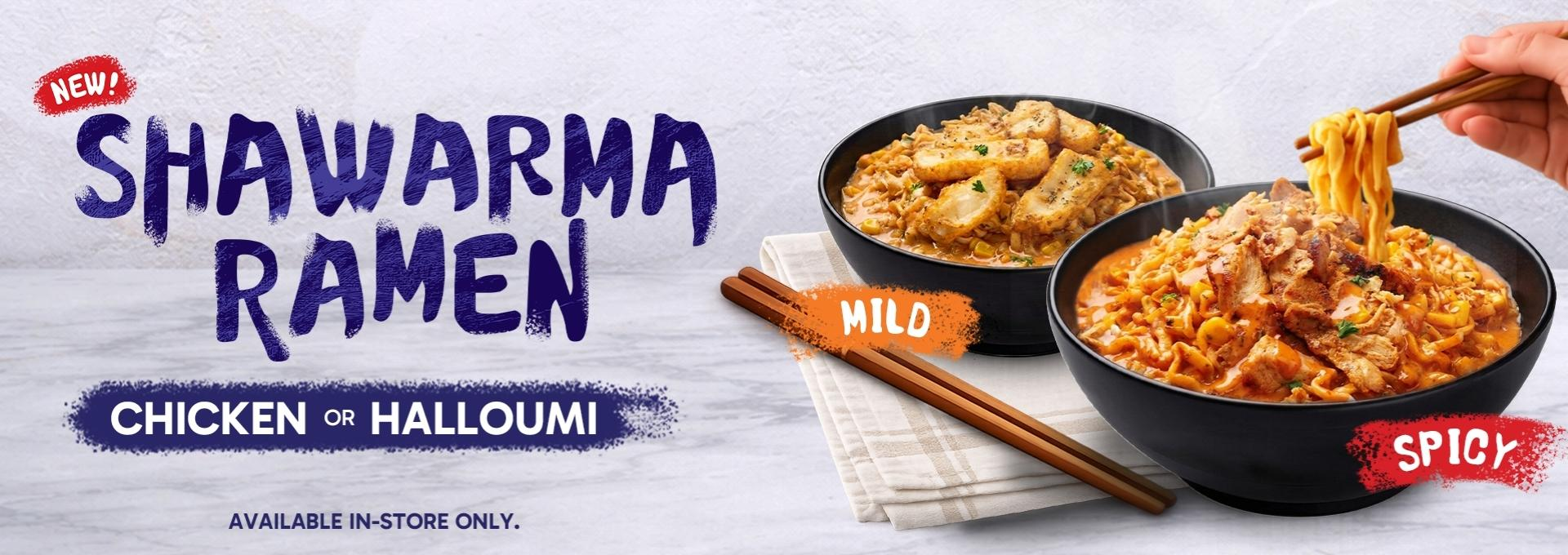
What makes this launch notable is not simply the dish itself, but the fact that a Canadian chain, Tahini's has taken it beyond a one-off test and pushed it nationwide. That suggests a high level of confidence in both consumer demand and operational consistency. For any chain, national availability means the product has moved beyond kitchen creativity into a format that can be trained, sourced, and executed across very different markets.
In Canada, that matters because food preferences vary widely from one region to another. A concept that resonates in Toronto or Montreal does not automatically land the same way in Calgary, Halifax, or Winnipeg. When a chain expands a fusion item across the country, it is effectively saying the flavor profile has broad enough appeal to transcend local differences. That is a strong signal that the item has tested well and likely performed better than a typical experimental launch.
It also reflects the changing identity of Canadian fast-casual dining. Chains are no longer relying only on burgers, wraps, and standard rice bowls to drive excitement. Canada's dining public is increasingly multicultural in both taste and expectation, and nationwide menus are evolving to reflect that. A shawarma-ramen bowl feels distinctly modern in that environment because it mirrors the way people already eat in major cities, moving easily between cuisines and treating crossover flavors as normal rather than niche.
What the dish likely tastes like
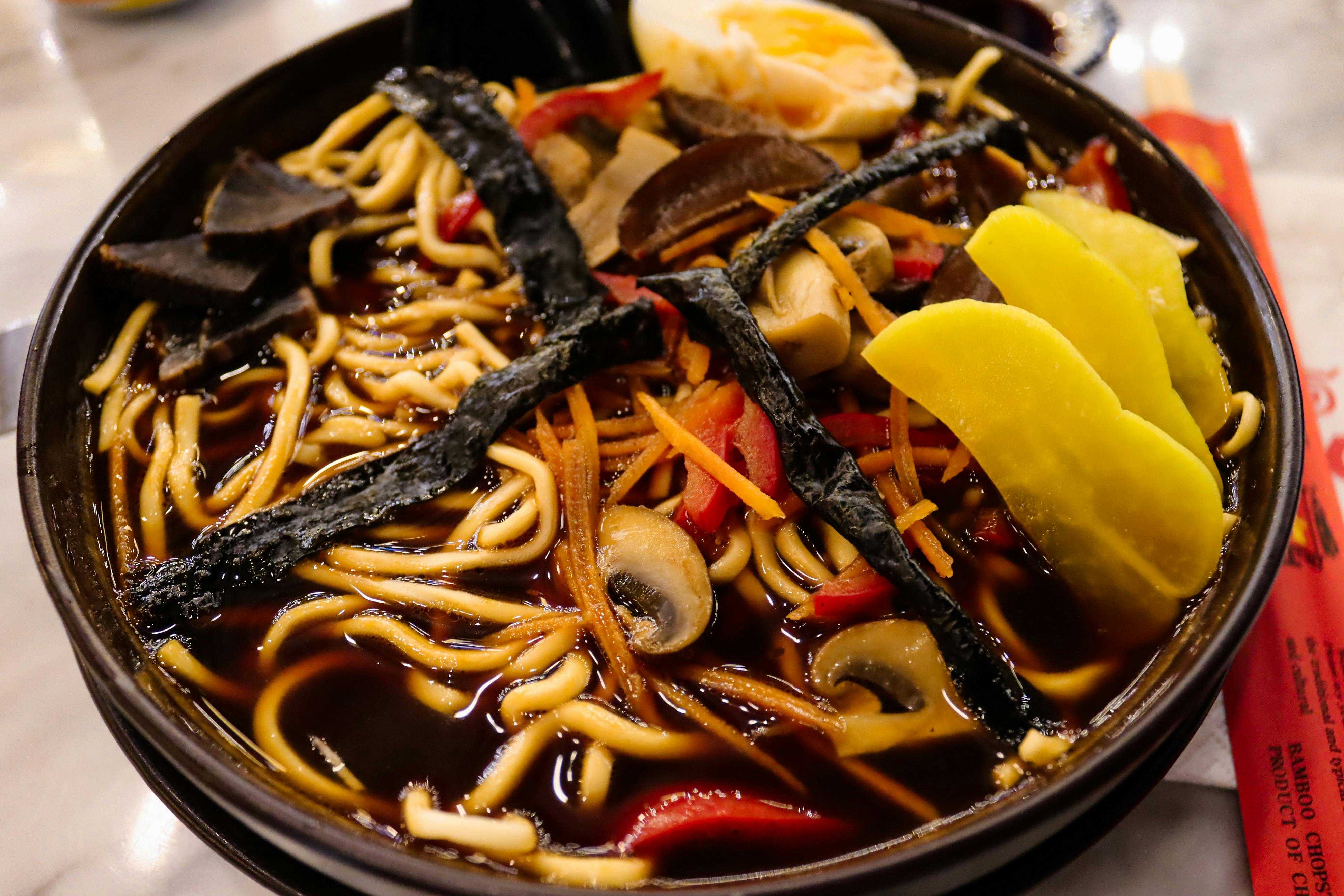
The success of a bowl like this depends on restraint. If the shawarma side overwhelms the ramen side, the result can feel muddy, and if the ramen format dominates too much, the shawarma component risks becoming little more than a seasoning gimmick. The sweet spot is a broth with enough body and savoriness to support noodles, while leaving space for the warm, earthy spice profile that defines shawarma. Done properly, the first impression should be comforting, with a layered finish rather than a single loud note.
Protein is likely central to the experience. Shawarma-style chicken, for example, brings charred edges, marinade depth, and a familiar roasted aroma that can add texture and identity to a noodle bowl. Pickled vegetables, soft-boiled eggs, chili oil, herbs, or crispy onions can then bridge the two traditions by introducing acid, richness, heat, and crunch. Those details matter because fusion dishes often succeed on the toppings just as much as on the base.
For general consumers, the appeal is easy to understand. You get the warmth and portability of ramen with the bolder spice personality of a shawarma plate or wrap. It is the kind of meal that can feel filling and adventurous without becoming inaccessible. That accessibility is likely one reason the chain saw enough upside to move from local availability to a coast-to-coast release.
Why fusion foods are winning in Canada

This launch available from June 1, Nationwide arrives at a time when fusion food is no longer a novelty category. Across Canada, diners have become used to menus that borrow confidently across traditions, whether that means Korean fried chicken tacos, butter chicken pizza, sushi burritos, or birria-style poutine variations. What once might have been treated as a social media stunt is now part of the standard language of restaurant innovation. Consumers are not just tolerating crossover food, they are expecting it.
Demographics help explain that shift. Canada's urban centers have long been shaped by immigration, and younger diners in particular tend to view culinary boundaries more fluidly than previous generations did. They are often less concerned with rigid authenticity debates in fast-casual settings and more interested in whether a dish tastes good, feels fresh, and offers value. According to broad restaurant trend reporting in recent years, globally inspired comfort food remains one of the strongest menu drivers in quick service and casual dining.
Economic pressure plays a role too. When people are more selective about spending on meals, they want dishes that feel worth talking about. A familiar bowl with an unexpected twist can satisfy that need better than a standard menu item that feels interchangeable with competitors. For chains, fusion becomes a way to stand out in a crowded market without asking customers to take too big a risk.
What nationwide availability really means
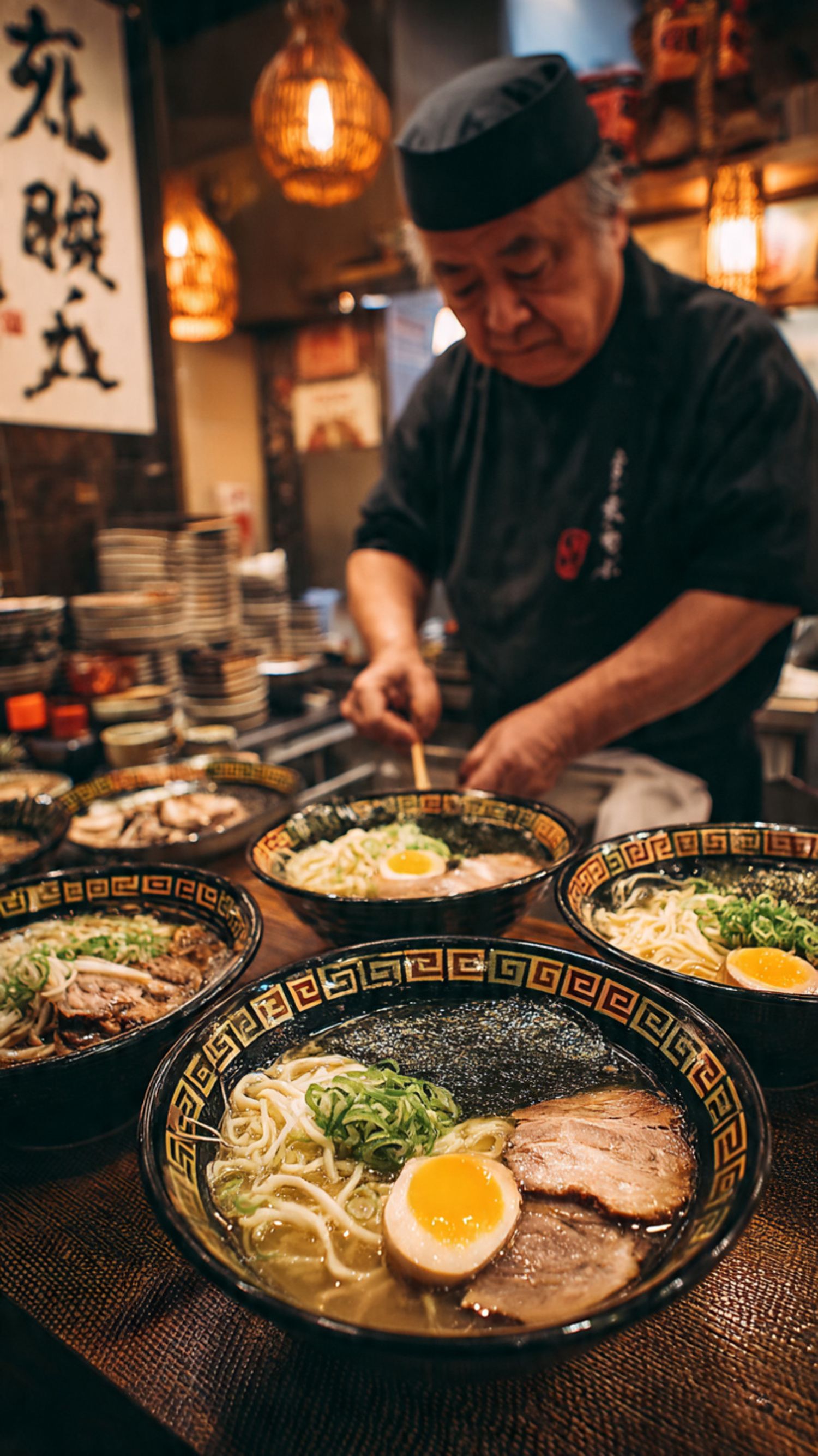
A national launch is about much more than shipping ingredients to more locations. It means the chain has figured out how to source spices, proteins, noodles, garnishes, and broth components at scale while keeping the product consistent. That is harder than it sounds, especially for a dish built around nuanced flavor. Fusion items can fall apart quickly if one location over-seasons the broth, skimps on protein, or substitutes toppings inconsistently.
Training is another major factor. Staff need clear assembly systems so the bowl tastes essentially the same whether it is ordered in Vancouver, Ottawa, or Edmonton. Fast-casual chains live or die on repeatability, and a dish like shawarma ramen requires balance to avoid becoming too salty, too oily, or too busy. The fact that this item is now available nationwide suggests the chain believes it has solved those operational challenges well enough to protect the concept.
There is also a marketing dimension. Nationwide availability turns a regional curiosity into a brand statement, signaling that the company wants to be associated with innovation rather than only familiarity. That can help attract younger customers, social media attention, and return visits from diners looking for something outside the usual lunch rotation. In a competitive restaurant landscape, that kind of identity can be just as valuable as the dish itself.
What this could mean for future menus

This kind of rollout often points to a bigger shift than a single bowl on a single menu. When a chain successfully scales a crossover dish nationally, competitors take notice. Product developers across the industry watch for items that prove consumers will embrace bold but approachable combinations. If shawarma ramen performs strongly, it could encourage more menus built around hybrid broths, globally seasoned proteins, or region-blending comfort dishes.
It may also push chains to think more carefully about how they define authenticity. In today's market, authenticity and adaptation are no longer treated as opposites in every setting. A fast-casual chain is not trying to replicate a classic ramen-ya or a traditional shawarma stand exactly. Instead, it is interpreting familiar flavor systems for a broad audience, and when done respectfully and skillfully, many customers see that as creative rather than contradictory.
For diners, the biggest takeaway is simple. Canadian chain menus are becoming more adventurous, but also more intuitive. The best new items are not random combinations thrown together for shock value. They are built around flavors people already love, assembled in ways that feel fresh, satisfying, and easy to order again. Shawarma ramen fits that formula almost perfectly, which helps explain why this once-unexpected pairing is now ready for the entire country.




Leave a Reply