
Climate change is showing up in a place almost everyone notices quickly, the grocery bill. A recent analysis linked many food price spikes between 2022 and 2026 to extreme weather, helping explain why some everyday staples now cost more.
Corn
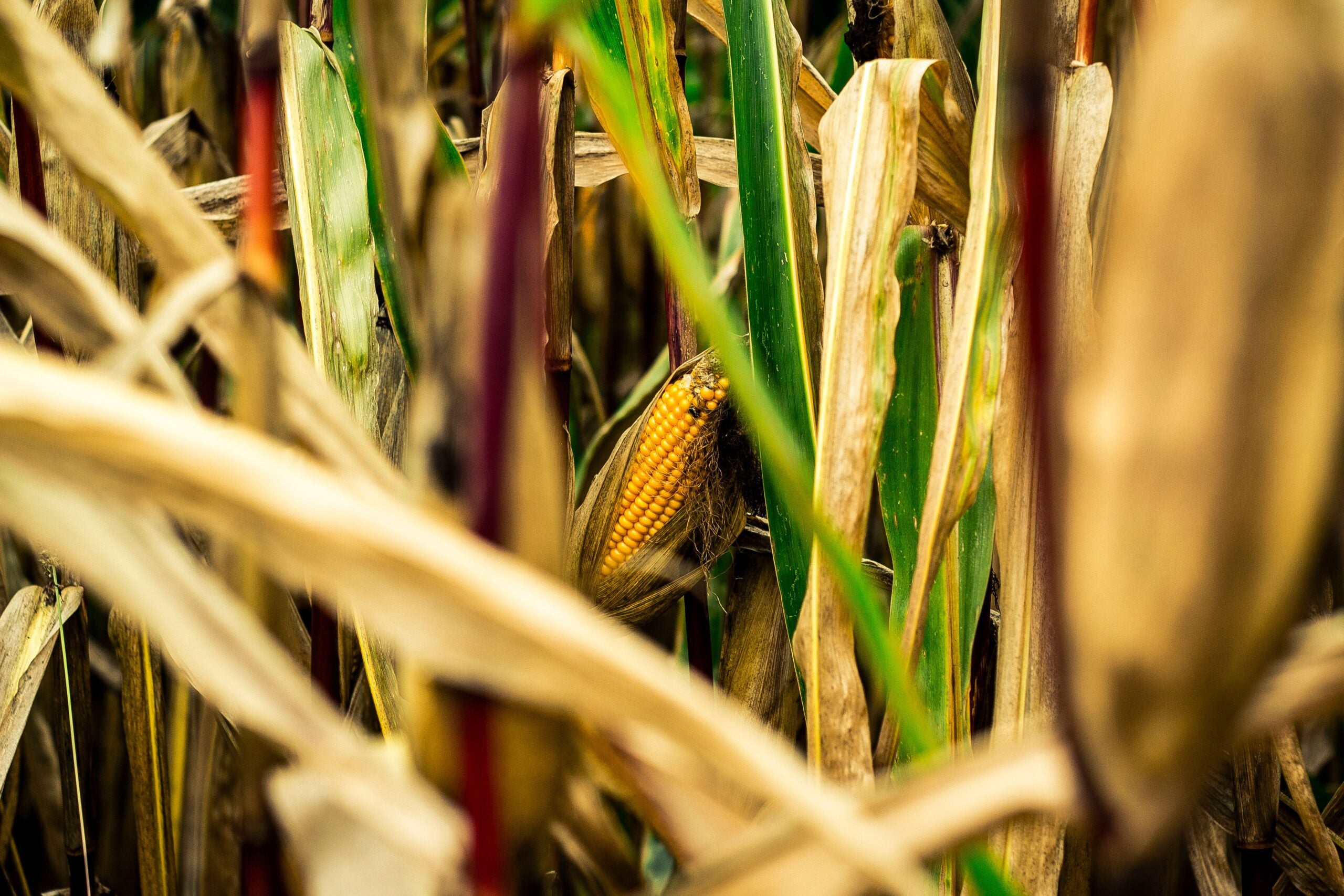
Corn is one of the clearest examples because its price matters far beyond a single vegetable aisle. In France, consumers have seen corn prices climb 16% as extreme heat and drought battered fields during Europe's sweltering summer.
Temperatures passed 44°C in southwest France, and scientists at World Weather Attribution said human-caused climate change made the soil drought much more likely across parts of Europe. France, the European Union's biggest agricultural producer, is now headed for its smallest corn harvest since at least 1980.
That matters because corn feeds livestock as well as people. When feed gets pricier, the cost of raising chickens, pigs and cattle can rise too, spreading climate pressure through the food chain.
Courgettes and green beans
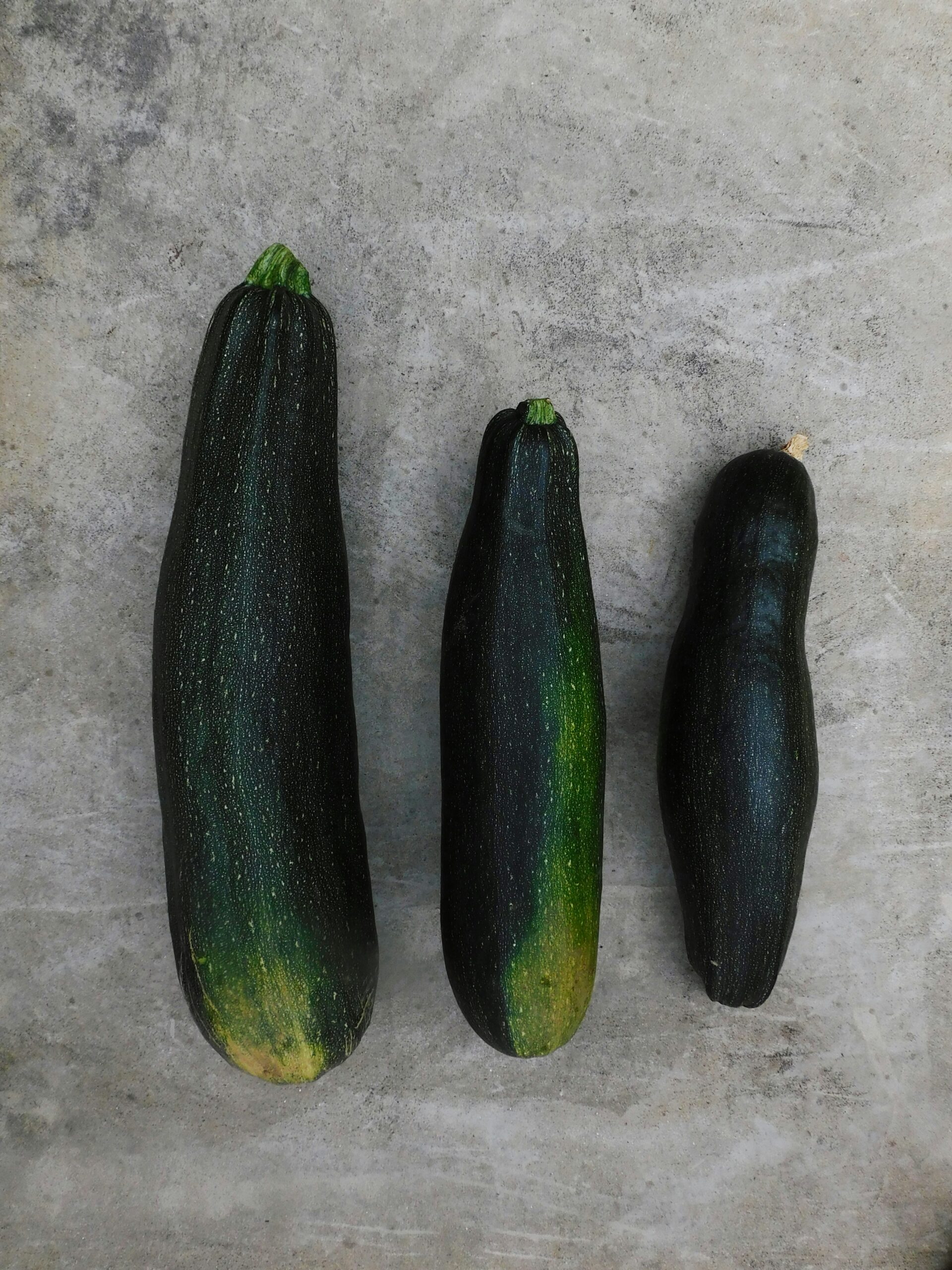
Some of the sharpest grocery jumps have come from vegetables that usually feel ordinary and affordable. In France, courgette prices soared 32% year-on-year, while green beans became nearly a quarter more expensive.
The same punishing weather pattern that hurt corn also damaged these crops. Heat and drought reduce soil moisture, stress plants and shrink yields, especially for vegetables that depend on steady growing conditions instead of dramatic swings between wet and dry.
These increases also show how climate shocks do not have to wipe out an entire food system to hurt shoppers. A few badly hit harvests in a major producing region can quickly filter into supermarket prices.
Beef
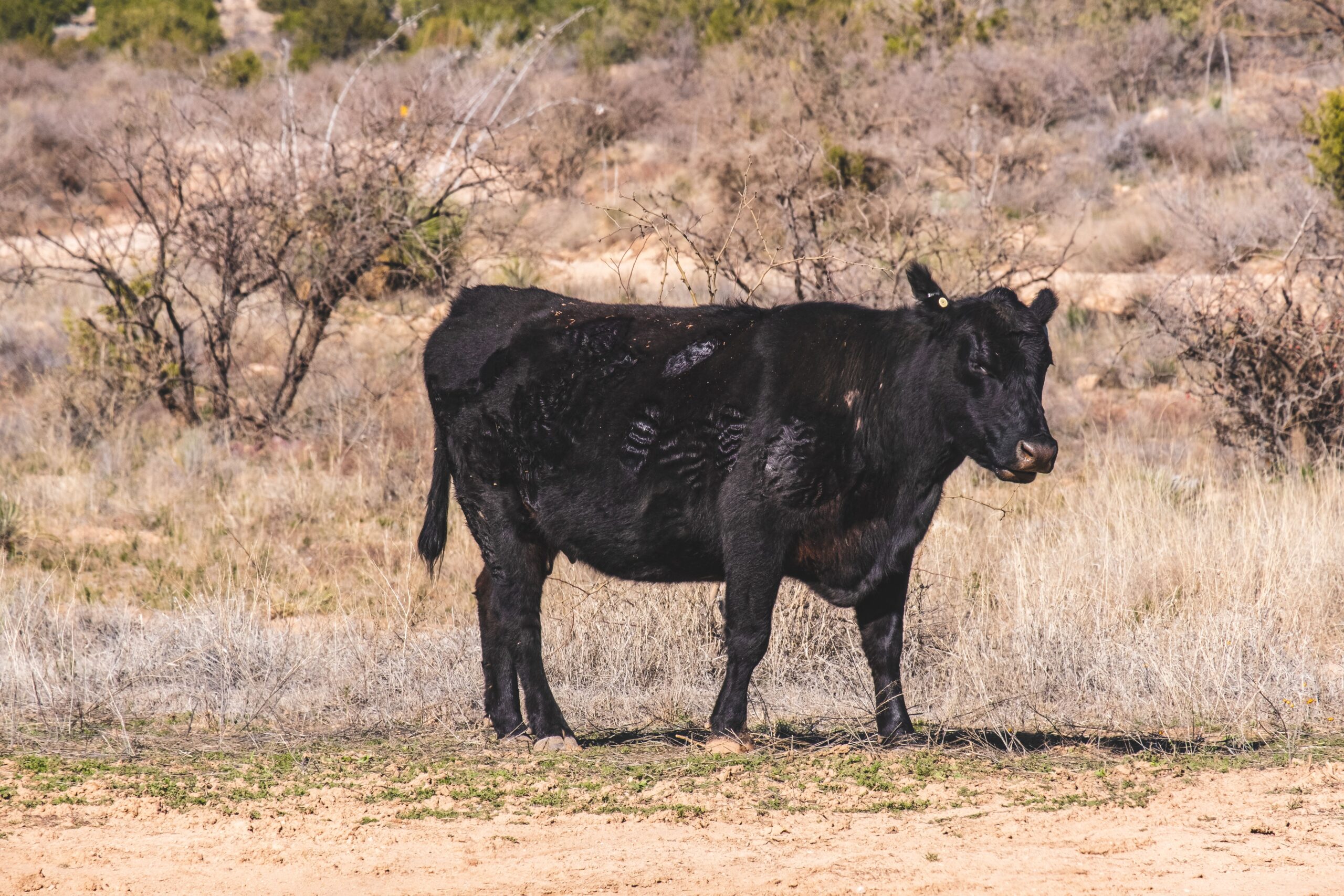
Beef prices in the United States reached a record in April, a sign of how weather stress can build over time before it hits consumers. American beef prices climbed almost 15% more than last year as the national cattle herd fell to its smallest in 75 years.
Drought and other weather pressures played a role in that decline. The US also recorded its hottest March on record in 2026, which reduced Mountain West snowpack and worsened water shortages earlier than usual.
In the Great Plains, scorched grass and weaker snowmelt left many ranchers with less forage and water. Some culled herds early, tightening future supply and pushing retail beef prices higher.
Tomatoes
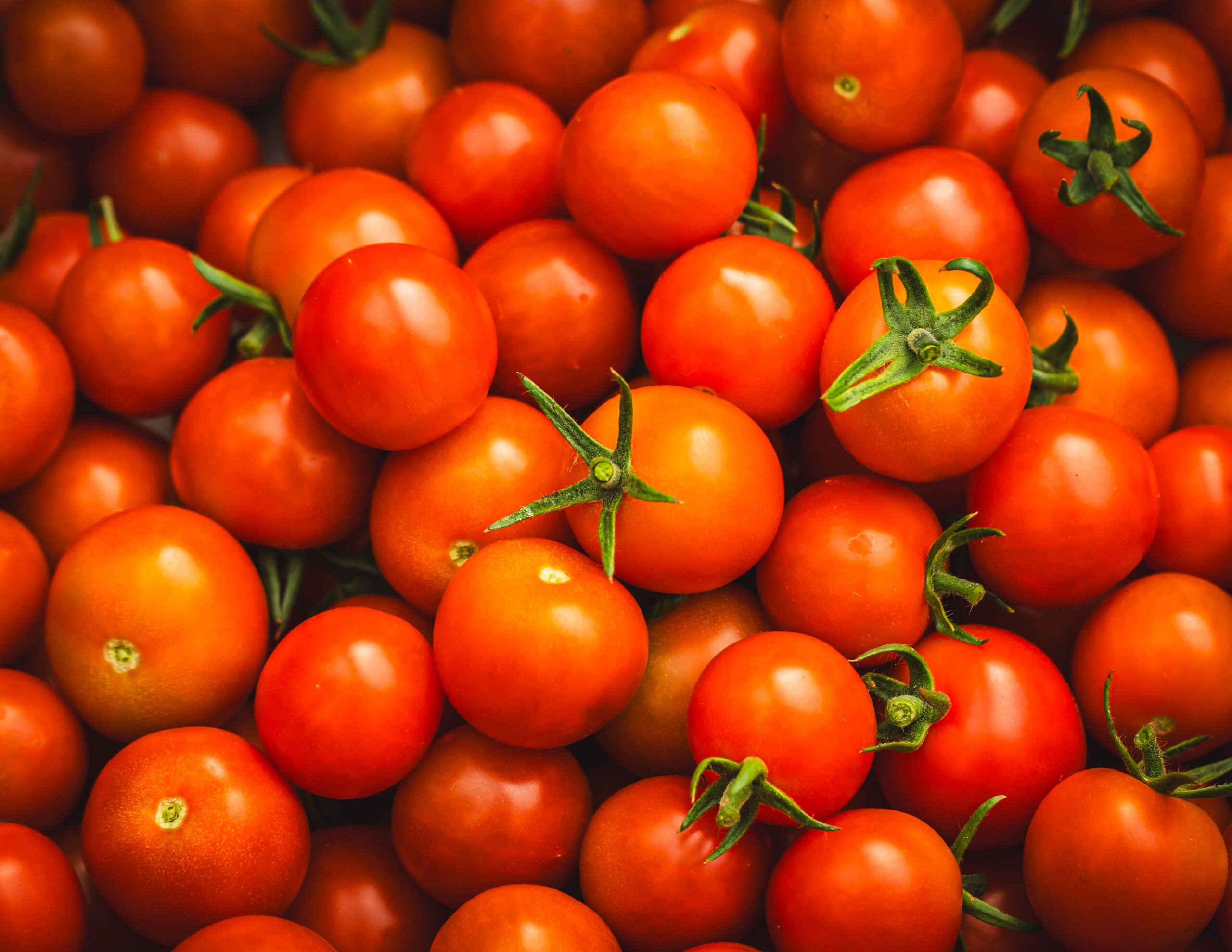
Tomatoes were hit by very different weather extremes on each side of the Atlantic, but the result was the same, higher prices. In Spain, tomato prices rose 11% year-on-year after severe rainfall, flooding, drought, wildfire and record-breaking heat disrupted growing conditions.
The country began the year with its wettest January and February ever. In the Ávila-Madrid-Toledo region, rainfall was 175% greater than usual, saturating fields and damaging crops, including tomatoes.
In the United States, a separate event sent prices even higher for a time. Winter Storm Gianna brought unusual cold and snow into Florida, and tomato prices jumped 40% between January and April. Zero Carbon Analytics said that storm was the one case in its sample not made worse by climate change.
Seaweed
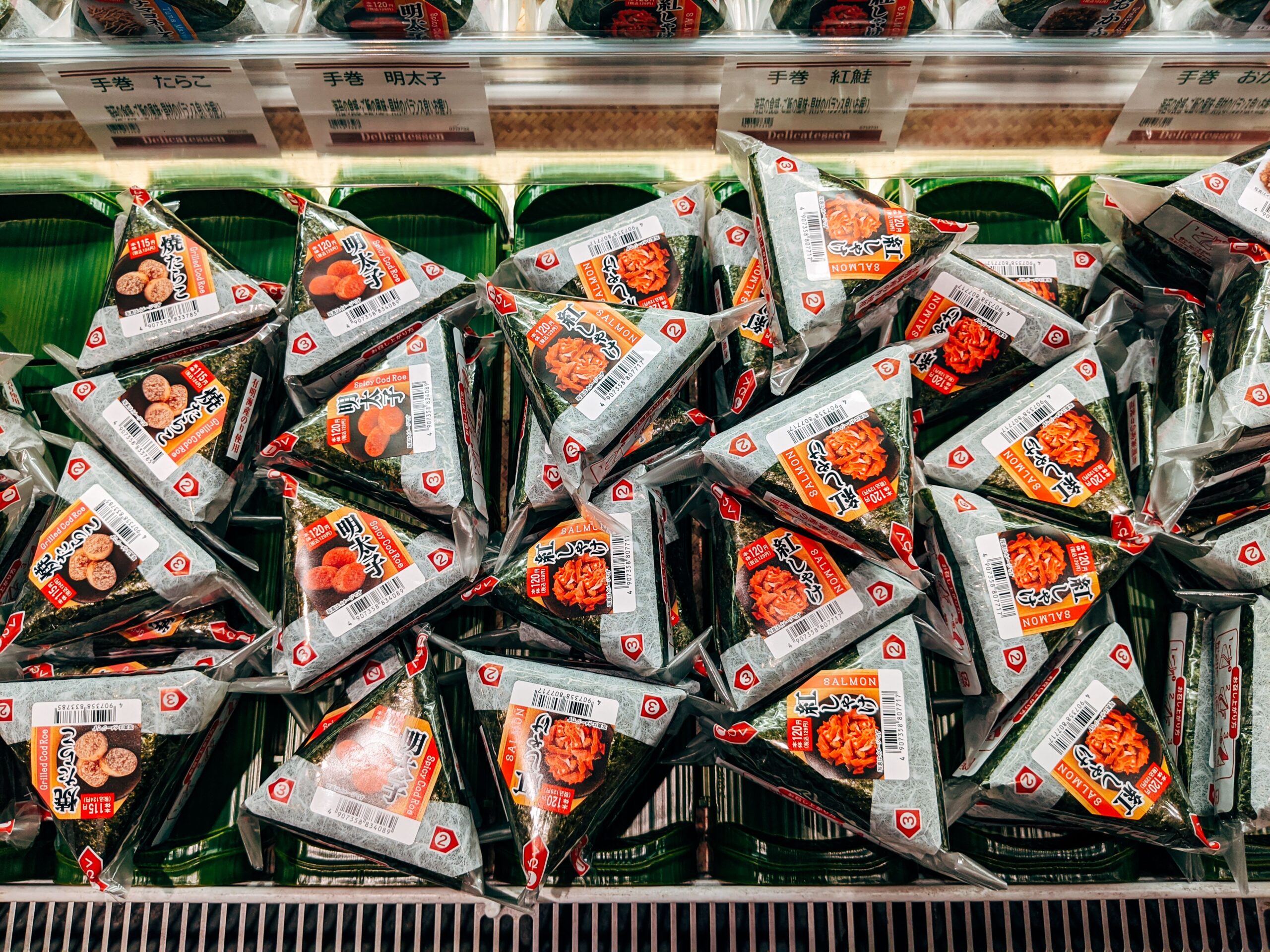
Seaweed may seem like a niche item in some countries, but for many households it is a basic ingredient. Around Japan, unusually warm seas created difficult conditions for nori, the seaweed used in sushi and many everyday dishes.
The world's seas recorded their hottest surface temperatures on record in July. Earlier, in October 2025, sea surface temperatures around Japan reached their highest on record, troubling for nori because it grows best in water between 5 and 20 degrees Celsius.
By March, prices for nori had risen by about 20%. Warmer oceans can shift marine life toward cooler waters, but they can also directly damage the conditions that producers depend on.
Sugar, cocoa and wheat
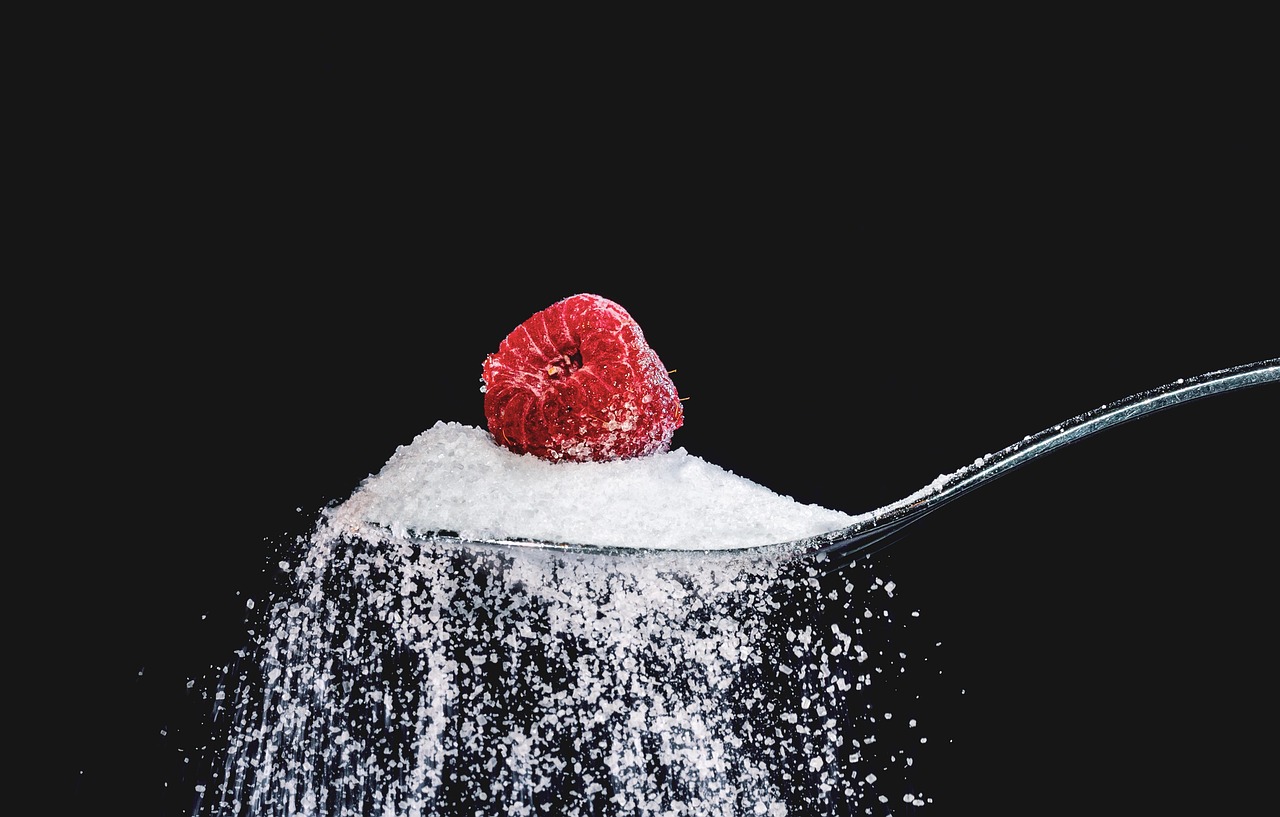
Not every climate-hit food arrives with a dramatic single-photo story, but staple commodities may matter most in the long run. This year, prices for wheat, corn, cocoa and sugar all climbed, helping push the United Nations' food-commodity index to an almost four-year high in August.
Researchers increasingly use the term climateflation for this pattern, where extreme weather keeps lifting everyday costs. Zero Carbon Analytics warned that even countries that grow their own staple foods can still face inflation when local yields fail and global disruptions push prices higher.
The broader concern is not just cost. Analysts say climate shocks are disrupting healthy staples like fruit, vegetables and protein, and by 2035 projected warming could add up to 3.23 percentage points annually to food inflation.



Leave a Reply