
Some memories start with a movie. The best ones start with the sound of a pizza box opening.
Between 2004 and 2012, the classic sleepover menu became its own social ritual, built from supermarket staples, delivery favorites, and brightly packaged treats designed to feel like an event.
Pizza was the undisputed main course
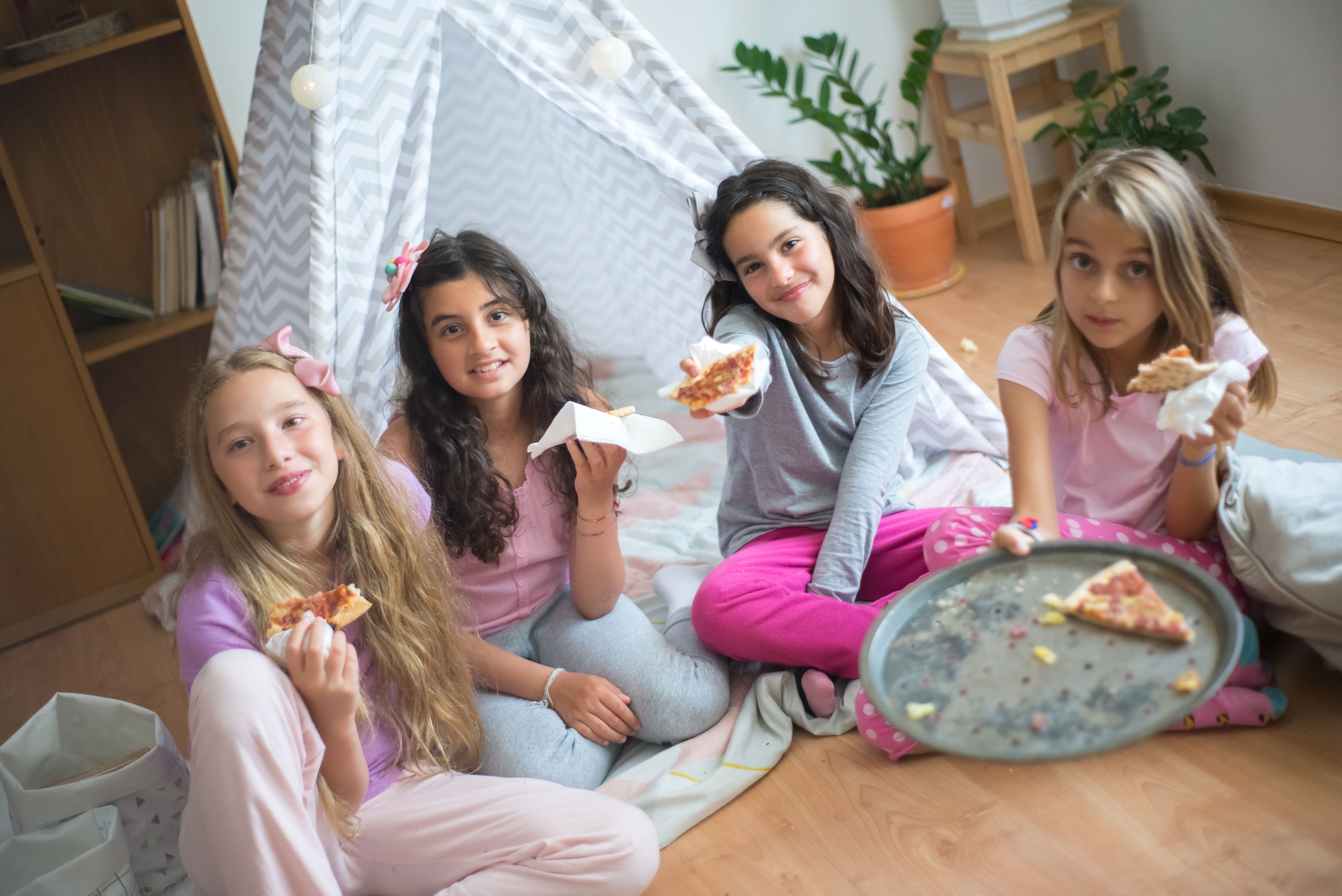
No food anchored a sleepover more reliably than pizza. It arrived hot, shareable, and low-risk, which mattered when a group included picky eaters, vegetarians, and one friend who insisted on removing every visible speck of seasoning. Chains like Pizza Hut, Domino's, and Papa John's dominated the era, and by the late 2000s, aggressive couponing made large pies a default group purchase for middle-class households.
The appeal went beyond taste. Pizza fit the logistics of sleepovers perfectly because it required no plating, no timing precision, and almost no cleanup beyond a stack of napkins and a recycling bin. According to industry reporting from the period, pizza delivery expanded heavily through online ordering tools between 2007 and 2012, making it even easier for parents to feed a room full of kids without leaving the house.
Pepperoni remained the standard order, but the real sleepover pattern was combination buying. One plain cheese, one pepperoni, and one "adventurous" option, usually supreme or extra cheese, was common. In many homes, frozen pizza also played a backup role, especially brands like DiGiorno, Totino's Party Pizza, and Tombstone, which gave parents a cheaper way to serve a crowd.
Chips, dip, and popcorn handled the long middle hours
If pizza opened the night, snack bowls carried it through. Sleepovers from this period were built around grazing, not formal eating, and few foods supported that better than chips. Doritos, Lay's, Ruffles, Cheetos, Pringles, and Tostitos were the heavy hitters, often poured into oversized plastic bowls or set out in their original bags with little ceremony.
Dips mattered almost as much as the chips themselves. Jarred salsa, queso, French onion dip, and ranch-based mixtures made from seasoning packets and sour cream were fixtures in suburban kitchens. The rise of easy-prep party foods in the 2000s, fueled by warehouse clubs and large-format grocery stores, made these combinations especially common for family entertaining and kids' gatherings alike.
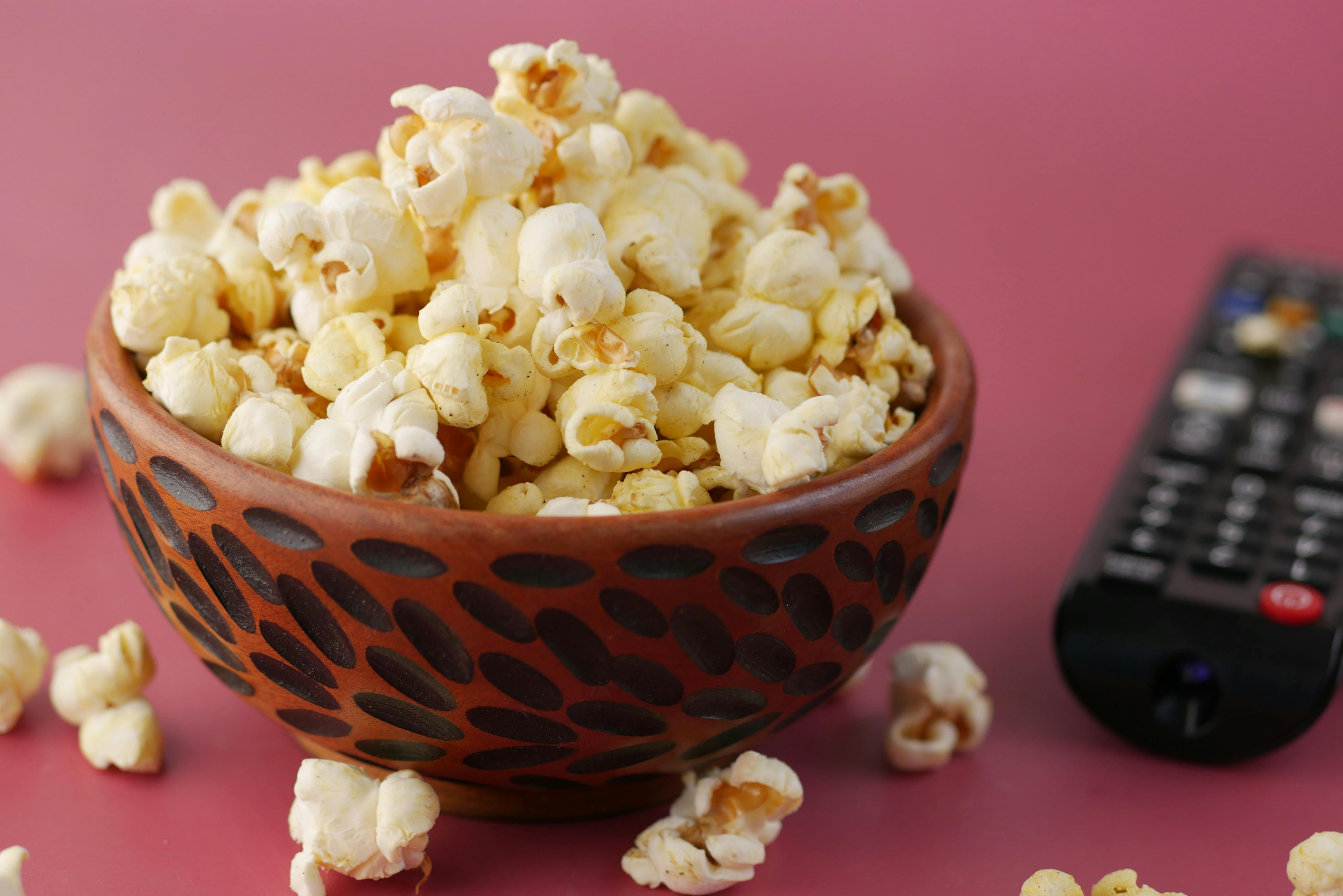
Popcorn had a different role. It was the movie snack, the quieter option, and the one food that felt mandatory once everyone settled onto the floor with blankets. Microwave brands such as Orville Redenbacher's, Pop Secret, and Act II dominated this window, with butter flavor leading the pack. In some homes, popcorn was upgraded with candy mixed in, creating a homemade version of concession-stand snack culture.
Soda, juice, and sugary drinks set the tone
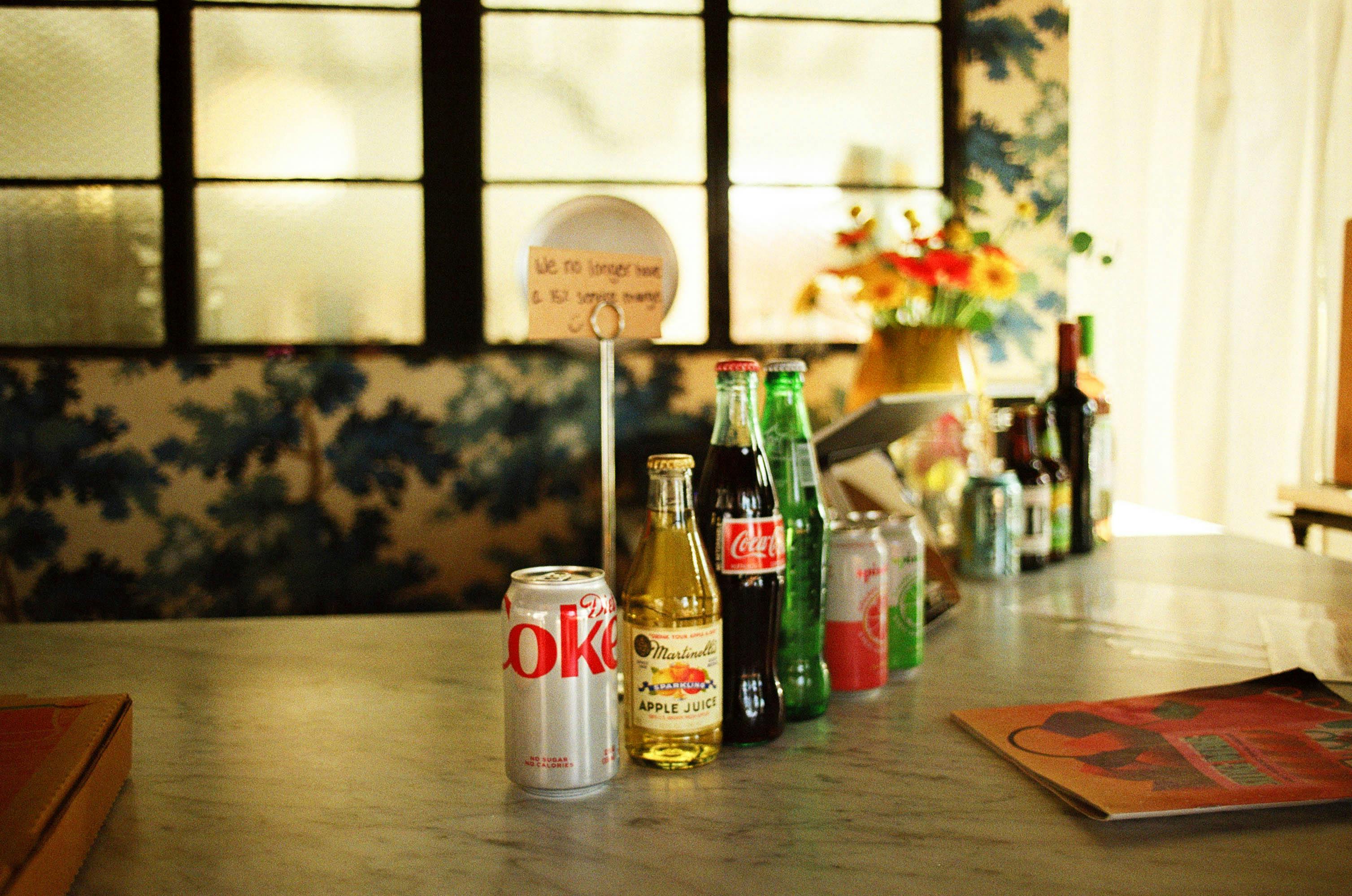
The beverage lineup at sleepovers was rarely subtle. This was the age of brightly colored soft drinks, fruit-flavored punches, and novelty bottles that seemed designed for maximum excitement rather than refreshment. Coca-Cola, Pepsi, Sprite, Mountain Dew, Dr Pepper, and root beer were standard options, while Sunkist, Fanta, and Crush supplied the brighter orange, grape, and strawberry notes that appealed strongly to younger guests.
For many kids, the real status drinks were the ones marketed directly to them. Capri Sun, Kool-Aid Jammers, Hawaiian Punch, SunnyD, and Fruitopia carried enormous cultural weight in the 2000s, even when adults viewed them as liquid sugar. Their popularity reflected a larger food-marketing trend of the era, when beverage packaging leaned hard into fun, portability, and cartoonish color cues.
Energy drinks hovered at the edge of the sleepover table by the late 2000s, especially among older tweens and teens. Red Bull, Monster, and Rockstar had become highly visible by then, though many parents banned them outright. More commonly, kids made their own caffeine cocktails with cola, chocolate, and whatever candy was nearby, turning the drink station into part refreshment area and part chemistry experiment.
Candy and frozen desserts made the night feel special
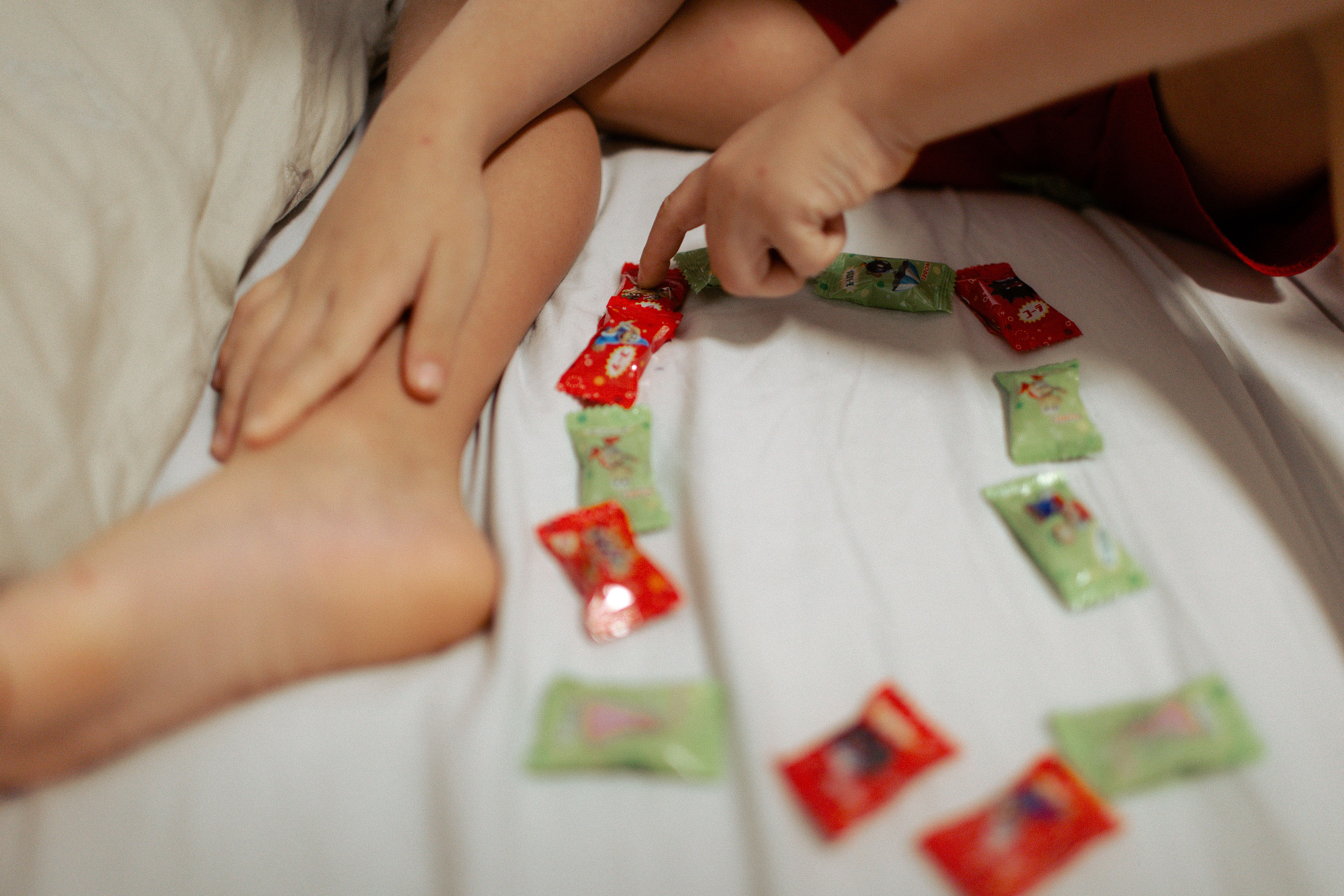
A sleepover without candy felt incomplete. The candy bowl was where personal preference became social identity: Sour Patch Kids for the chaos-loving friend, Skittles for the color sorter, M&M's for the practical one, and gummy bears for the person who always had sticky hands by midnight. Movie-theater candy boxes became especially influential in this era because big-box stores sold them in cheap multipacks, making it easy to recreate a cinema spread at home.
Chocolate and sour candy often shared the table, but they served different moods. Chocolate, including Hershey's bars, Kit Kats, Snickers, and Reese's, came out during movies or games when people wanted something familiar. Sour and chewy candy, including Airheads, Starburst, Warheads, and Trolli products, added energy and conversation because everyone had an opinion about the strongest flavor or best texture.
Frozen desserts rounded out the high point of the menu. Ice cream sandwiches, Popsicles, Klondike bars, and tub ice cream with chocolate syrup gave the night a dessert course without requiring baking. In some homes, store-bought cookie dough or premade brownies also appeared, reflecting a wider 2000s trend toward convenience desserts that felt homemade enough for a special occasion.
Breakfast foods became the second act
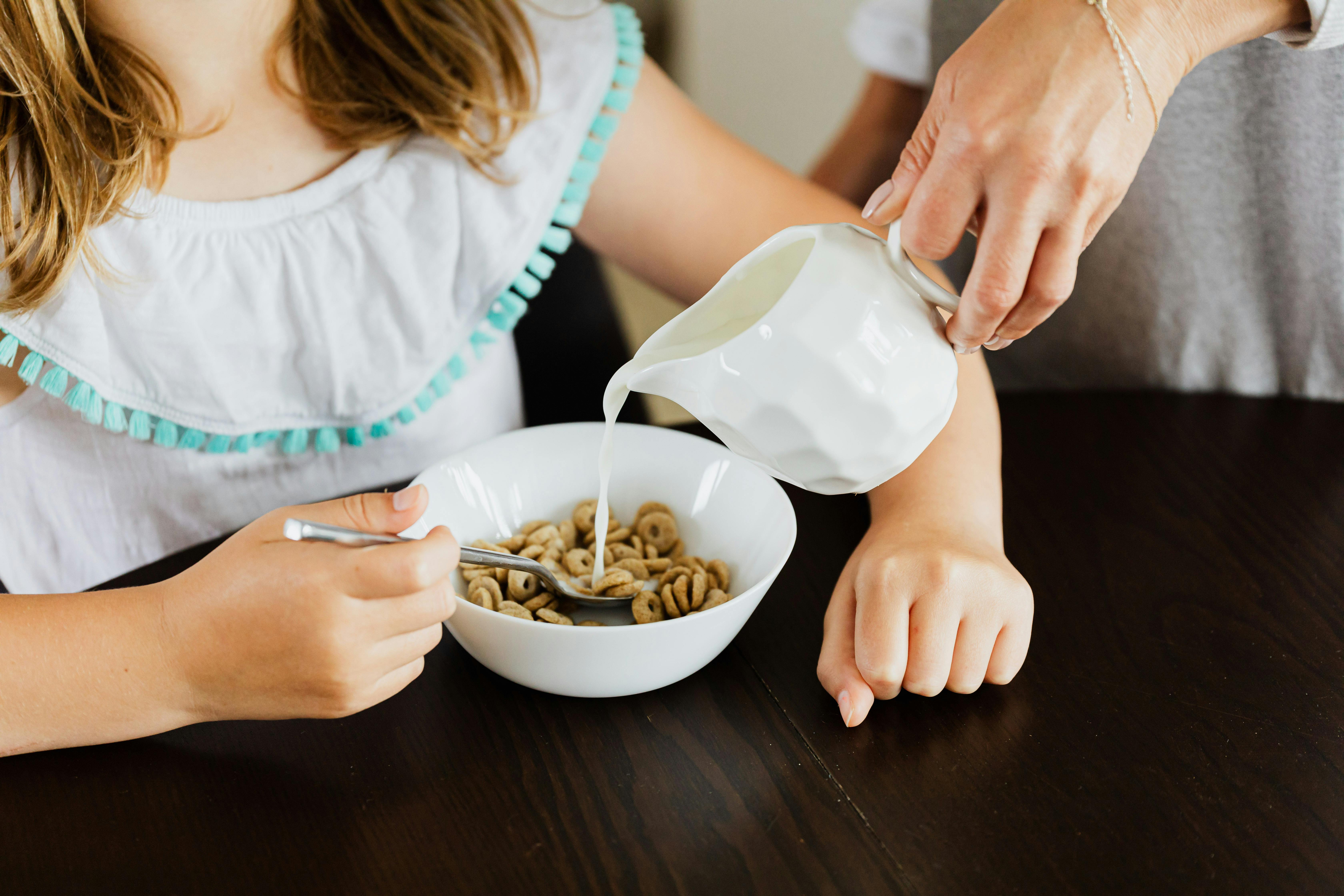
The genius of the sleepover menu was that it extended into morning. Breakfast was not an afterthought but a continuation of the event, and it usually leaned toward sweet, fast, and crowd-friendly foods. Pancakes, waffles, cinnamon rolls, and toaster pastries were all common because they created a sense of occasion while remaining simple enough for tired parents to produce after a late night.
Cereal also played a surprisingly important role. Mini variety packs, marshmallow-heavy brands, and sugar-forward staples like Froot Loops, Cinnamon Toast Crunch, Lucky Charms, and Cocoa Pebbles turned breakfast into one last indulgence. During the 2004 to 2012 period, cereal marketing remained deeply tied to children's television and family grocery habits, which helped keep these brands central to weekend social rituals.
Bagels, muffins, and donuts filled the same niche, especially when parents wanted a no-cook solution. Grocery-store bakery boxes or a quick morning donut run could feed a crowd with almost no friction. Orange juice and chocolate milk typically completed the spread, making breakfast less about nutrition than about easing the transition from late-night excitement back to ordinary daytime life.
What this menu says about the era
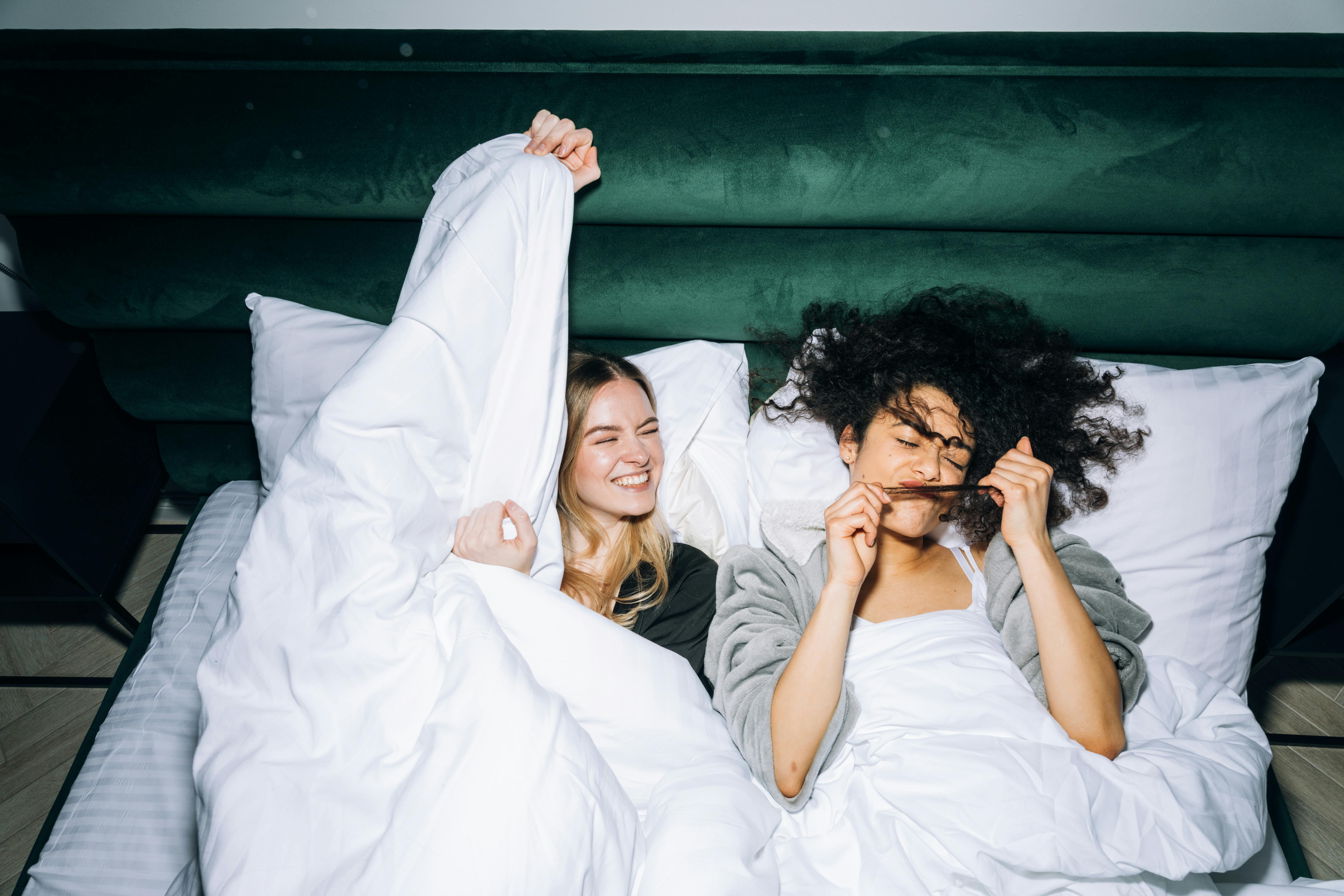
This menu was not random. It reflected the economics, technology, and food culture of the 2000s, when convenience was king and brand recognition shaped household choices. Parents wanted foods that were affordable, easy to serve, and widely accepted, while kids wanted products that felt fun, familiar, and just a little excessive. The overlap between those goals produced the now-iconic sleepover table.
The food also showed how strongly youth culture and mass retail influenced everyday rituals. Big snack brands had mastered school lunchboxes, movie tie-ins, and after-school advertising, so by the time kids attended sleepovers, they already understood which foods signaled fun. This was the same period when warehouse stores, discount supercenters, and chain delivery systems made bulk snacks and ready-made meals easier to buy than ever.
In hindsight, the unofficial sleepover menu of 2004 to 2012 reads like a time capsule of American and broadly Western childhood. It was salty, sugary, portable, and proudly unrefined. Yet it worked because it matched the function of the night itself: shared, easy, slightly chaotic, and memorable long after the last slice of cold pizza disappeared.




Leave a Reply